
Louis Vuitton’s Ceramic Monterey: A Masterclass in Material Innovation
AI-assisted voice playback. Starts only when you choose Play.
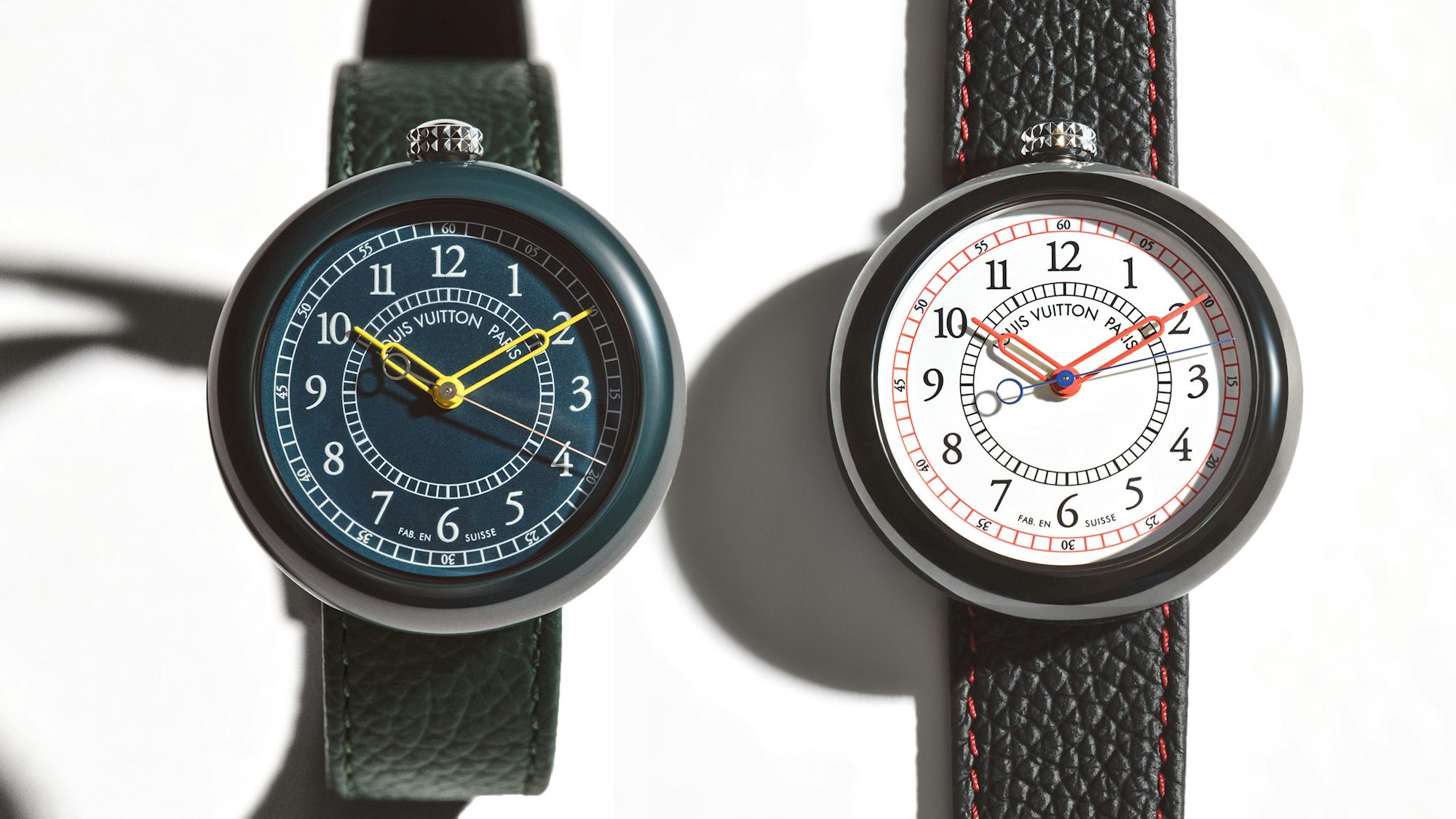
The resurrection of a heritage timepiece often signals a brand's willingness to honour its archival narrative. Yet when Louis Vuitton introduced the ceramic iteration of its revived Monterey watch in 2026, the maison demonstrated something more nuanced: a commitment to material exploration as a form of contemporary luxury storytelling.
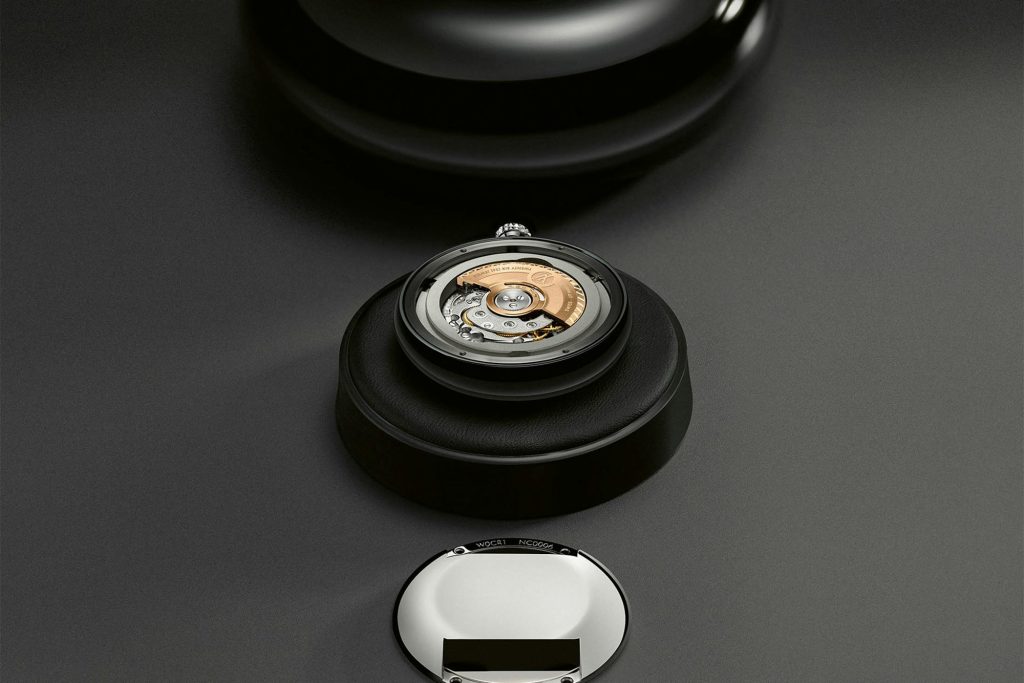
Building upon the mechanical Monterey revival that preceded it, this ceramic evolution marks a deliberate departure from the complications and visual density that characterised the original 1990s LV I. Instead, the house has refined its approach, embracing the austere beauty of high-fired ceramic—a material choice that speaks to both durability and artistic restraint.
A Material Shift Rooted in Craft
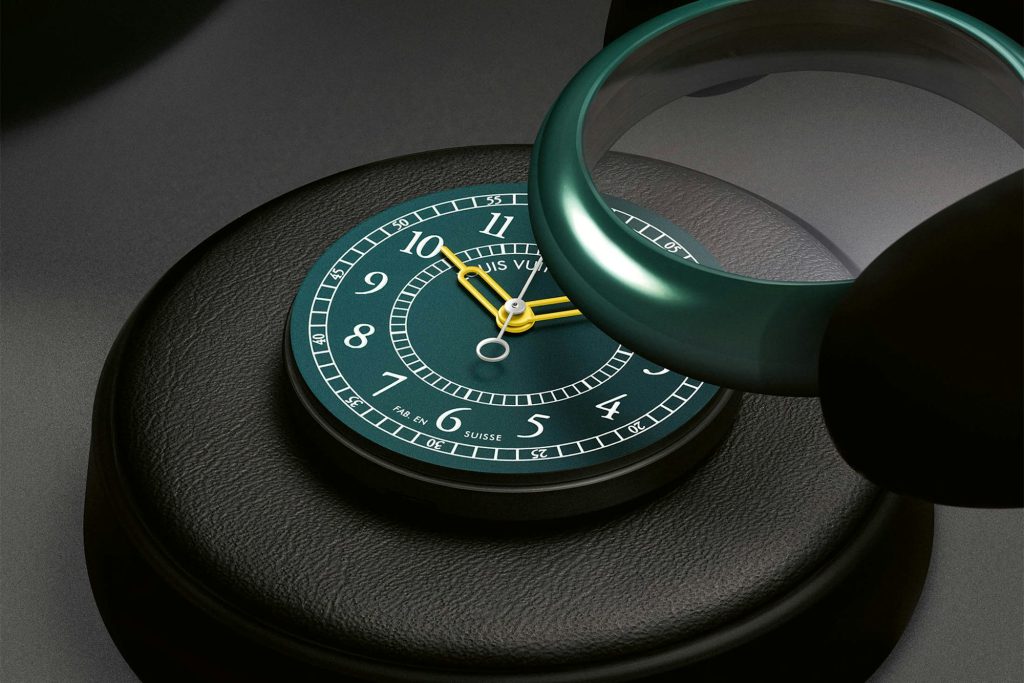
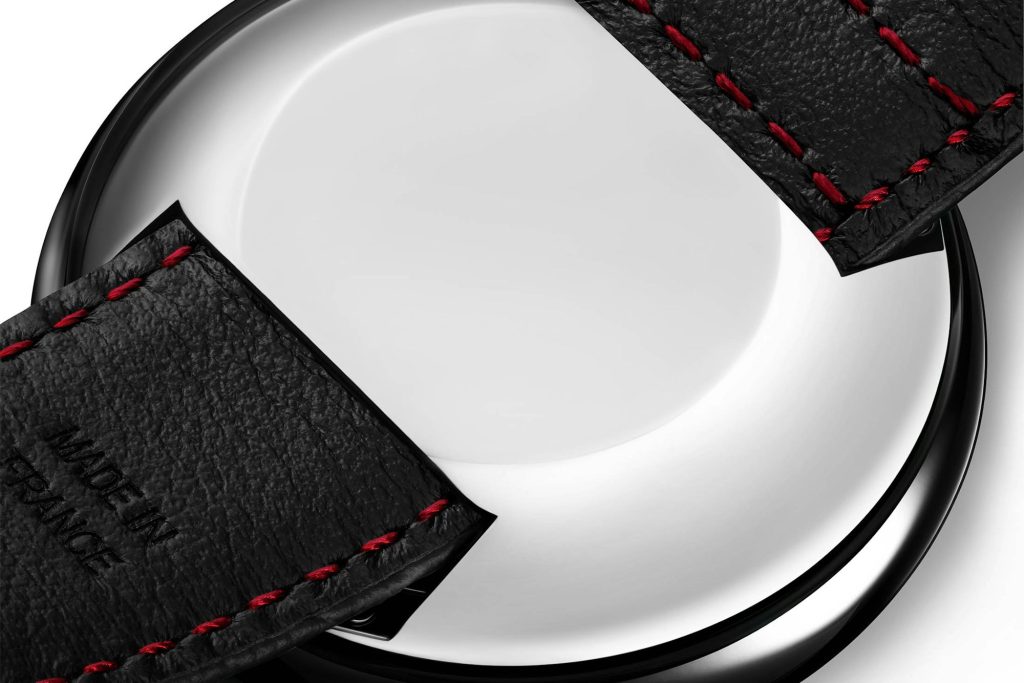
The decision to realise the Monterey in ceramic represents more than aesthetic preference. High-fired ceramic, a material gaining prominence amongst serious watchmakers seeking alternatives to traditional metals, offers distinct advantages: it is hypoallergenic, remarkably resistant to scratching, and ages with visual character that mirrors the wearer's relationship with the piece. For Louis Vuitton, whose La Fabrique du Temps workshop in Geneva continues to refine its horological capabilities, the ceramic Monterey became an ideal vessel for demonstrating technical precision and material mastery in tandem.
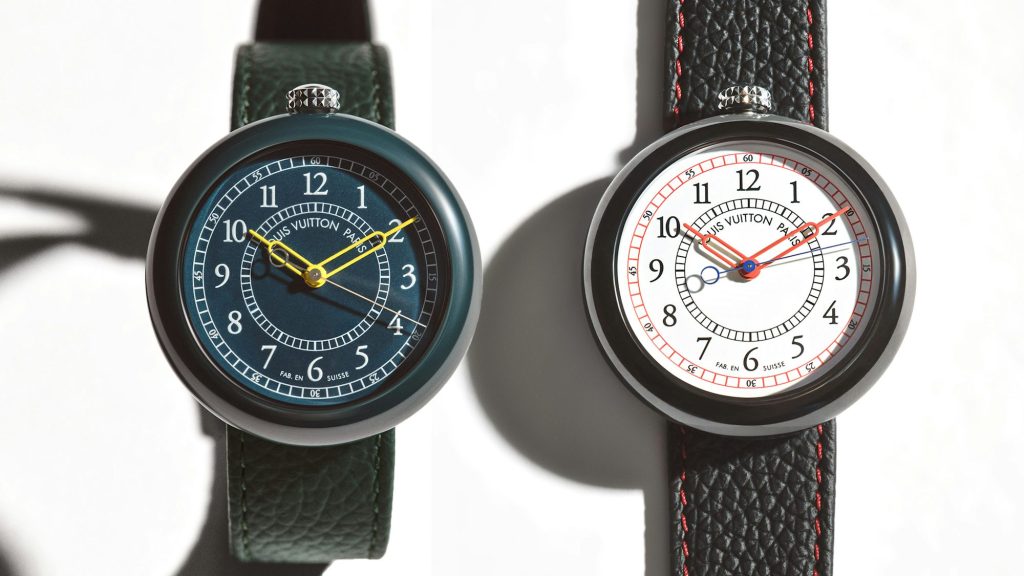
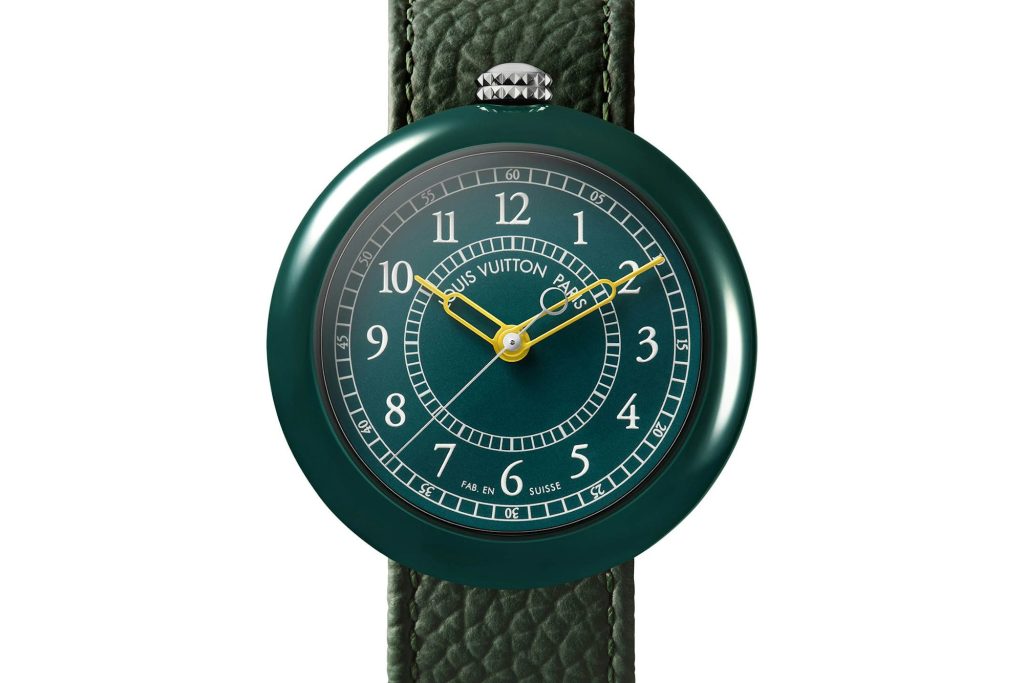
The ceramic cases are available in multiple finishes—including rich black and muted green tones—each requiring meticulous firing processes to achieve consistency and depth of colour. This technical demand underscores that luxury watchmaking, particularly at the price point Louis Vuitton commands, involves invisible labour that distinguishes true craft from mass production.
Simplicity as Strategic Statement
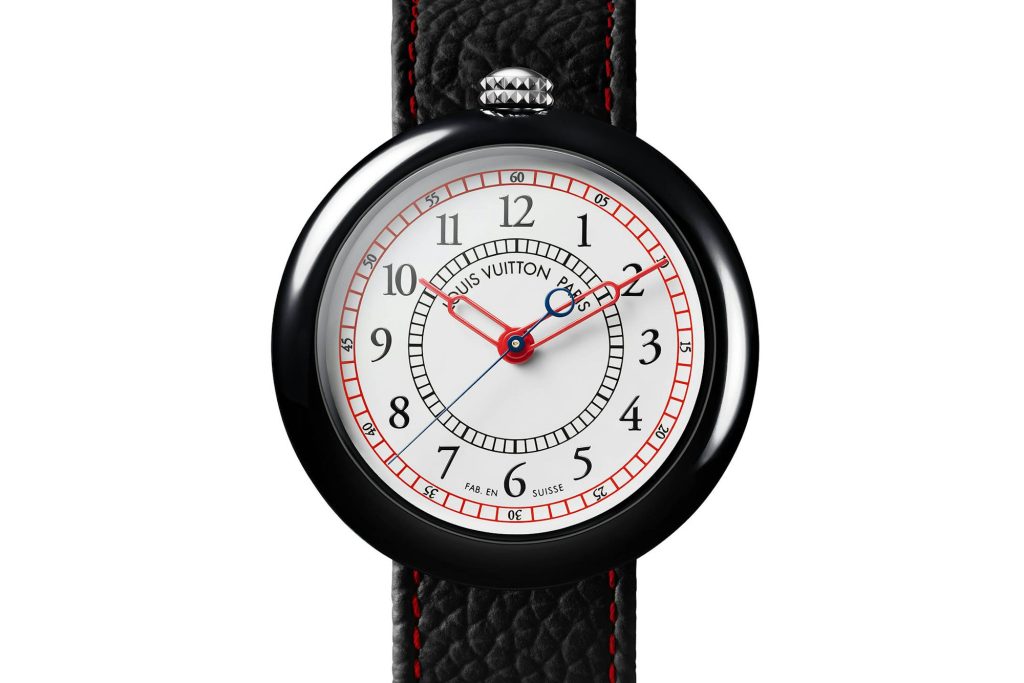
The original LV I and LV II watches, beloved by vintage collectors and contemporary tastemakers alike, carried complicated dials dense with markings and multiple complications. The ceramic Monterey deliberately abandons this visual vocabulary in favour of a time-only movement with a refined dial executed in grand feu enamel—a technique requiring skilled artisans and multiple firing cycles.
This reduction in functional complexity paradoxically increases the design's sophistication. A dial stripped to its essentials demands perfection in execution; there are no complications to distract from imperfect proportions or shoddy finishing. The grand feu enamel dial, whether in cream or darker variants, becomes the focal point, its subtle undulation and depth revealing itself only under direct light—a hallmark of genuine horological refinement.
Limited Production and Market Positioning
The ceramic Monterey maintains the limited-edition philosophy established by the mechanical revival, with production held to a strictly controlled number of pieces. This scarcity is not artificial constraint but rather the logical outcome of artisanal production methods; each ceramic case requires individual attention, each enamel dial demands skilled hand work.
For collectors navigating the contemporary luxury watch market, the ceramic Monterey occupies an intriguing position. It arrives not as a brand attempting to chase vintage trends, but as a maison leveraging its archive as a foundation for genuine innovation. The piece sits comfortably within Louis Vuitton's broader watchmaking trajectory—a continuation of the house's commitment to technical excellence and material experimentation rather than a nostalgic pastiche.
The Broader Context
Louis Vuitton's watch department has evolved considerably since its early forays into horology. The acquisition and integration of watchmaking expertise has allowed the house to move beyond licensed production, developing in-house capabilities that rival independent manufactures. The ceramic Monterey stands as evidence of this maturation.
Within the watchmaking landscape, ceramic cases are no longer experimental; they have become an established tool for forward-thinking designers. What distinguishes Louis Vuitton's approach is the marriage of ceramic innovation with recognisable heritage codes—the Monterey name carries weight, and its revival carries legitimacy. The ceramic version thus becomes an evolution rather than a departure, inviting both established collectors and new enthusiasts to participate in the brand's horological conversation.
The ceramic Monterey represents a maison attentive both to its own archives and to contemporary luxury expectations. It is a watch for collectors who value material integrity, technical precision, and design restraint—collectors for whom luxury resides in what is absent rather than what is displayed. In an era of relentless complication, the Monterey's disciplined approach feels distinctly, and deliberately, contemporary.
Key Facts
- Material: High-fired ceramic case
- Movement: Mechanical (time-only)
- Dial: Grand feu enamel
- Availability: Limited edition, strictly controlled production
- Case Finishes: Black and green ceramic variants
- Manufacture: La Fabrique du Temps Louis Vuitton, Geneva
The Simply Luxury View
The ceramic Monterey exemplifies a mature approach to heritage revival: rather than manufacturing nostalgia, Louis Vuitton has taken an archival reference point and substantially reimagined it through contemporary materials and reduced aesthetic vocabulary. The shift from quartz complications to mechanical simplicity, and from traditional metal cases to high-fired ceramic, signals a brand confident enough to trust restraint.
For discerning collectors, the significance lies not merely in owning a limited-edition timepiece, but in participating in a deliberate evolution of watchmaking philosophy. The ceramic Monterey occupies the territory between heritage legitimacy and material innovation—precisely where contemporary luxury horrology operates most persuasively.
Official brand website: louisvuitton.com
Imagery is used for editorial purposes. All rights remain with the respective owners, photographers and licensors.