
A. Lange & Söhne’s Chronograph Evolution: From Datograph Pioneer to Triple Split Mastery
AI-assisted voice playback. Starts only when you choose Play.
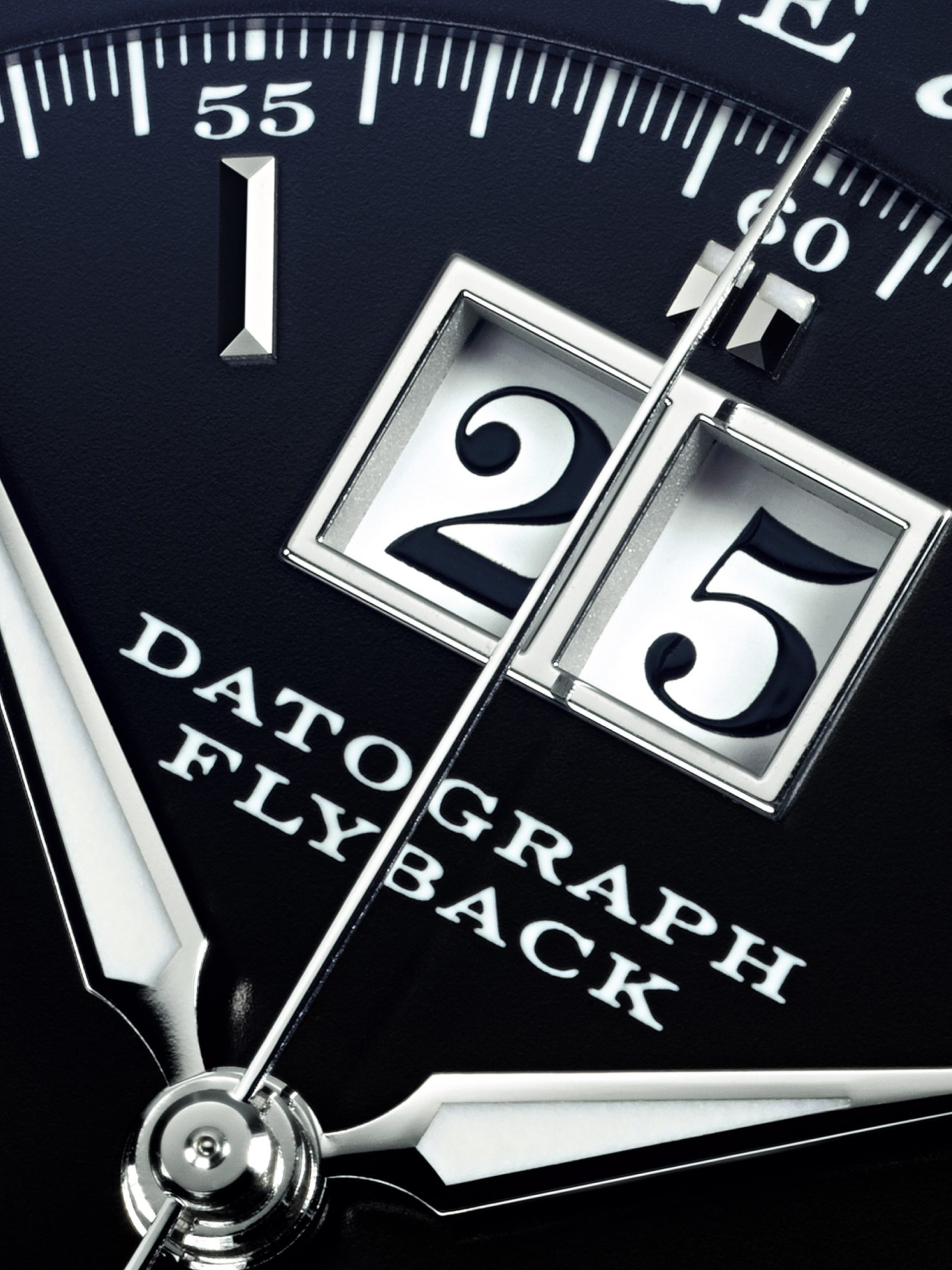
When A. Lange & Söhne resumed operations following German reunification, the manufacture faced the exacting task of restoring its reputation as a maker of exceptional complications. The 1999 Datograph, the first chronograph developed entirely within the re-established house, answered that challenge decisively. Its architecture—combining a column wheel, vertical coupling clutch and refined dial layout—announced the manufacture's commitment to chronograph mastery and established a blueprint that would inform everything that followed.
Nearly three decades on, the progression from that foundational design to the present moment reveals a systematic pursuit of horological possibility. Each new iteration has not simply refined its predecessor but expanded the mechanical frontier itself, transforming what a purely mechanical chronograph could accomplish in real time.
The Datograph Foundation
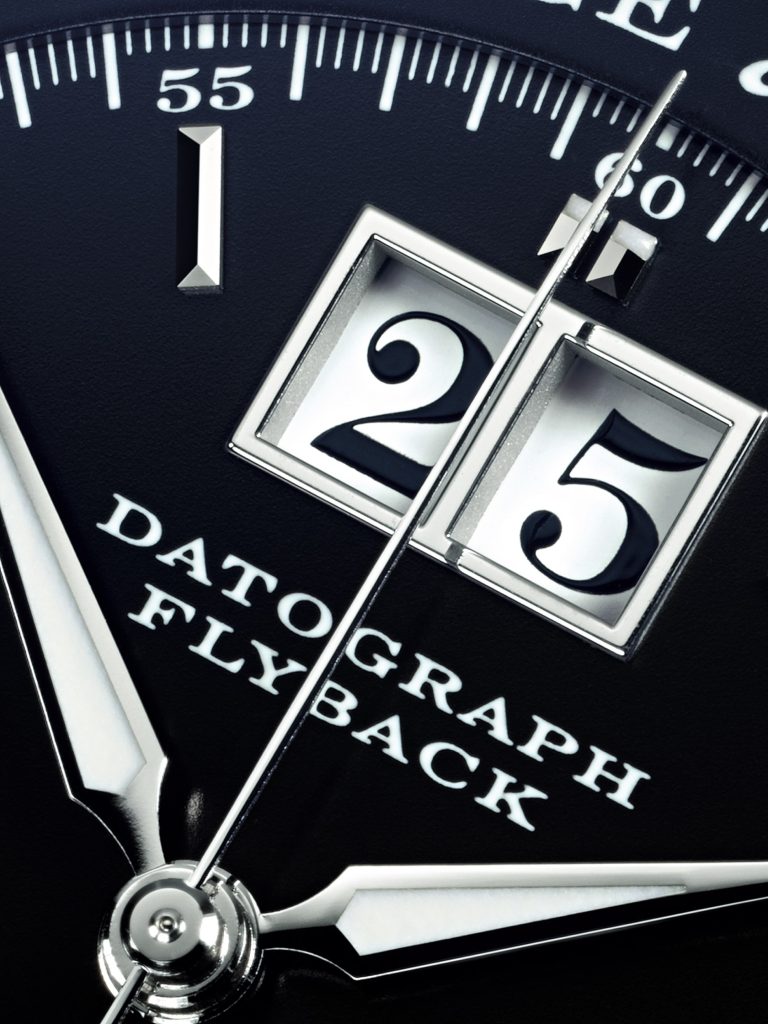
The Datograph of 1999 distinguished itself through its calibre architecture and thoughtful dial presentation. Its column wheel—a hallmark of chronograph precision—and the vertical coupling clutch represented engineering choices that privileged accuracy and reliability over expedient design. The dial itself embodied a philosophy of legible complexity: multiple counters and registers arranged with the clarity of a tool built for purpose rather than mere ornamentation.
This inaugural offering established the manufacture's chronograph identity at a moment when it might easily have licensed complications from established suppliers. Instead, A. Lange & Söhne invested in proprietary development, signalling that this was not merely a return to production but a deliberate re-entry into horological innovation.
The Double Split: Comparative Timing Arrives
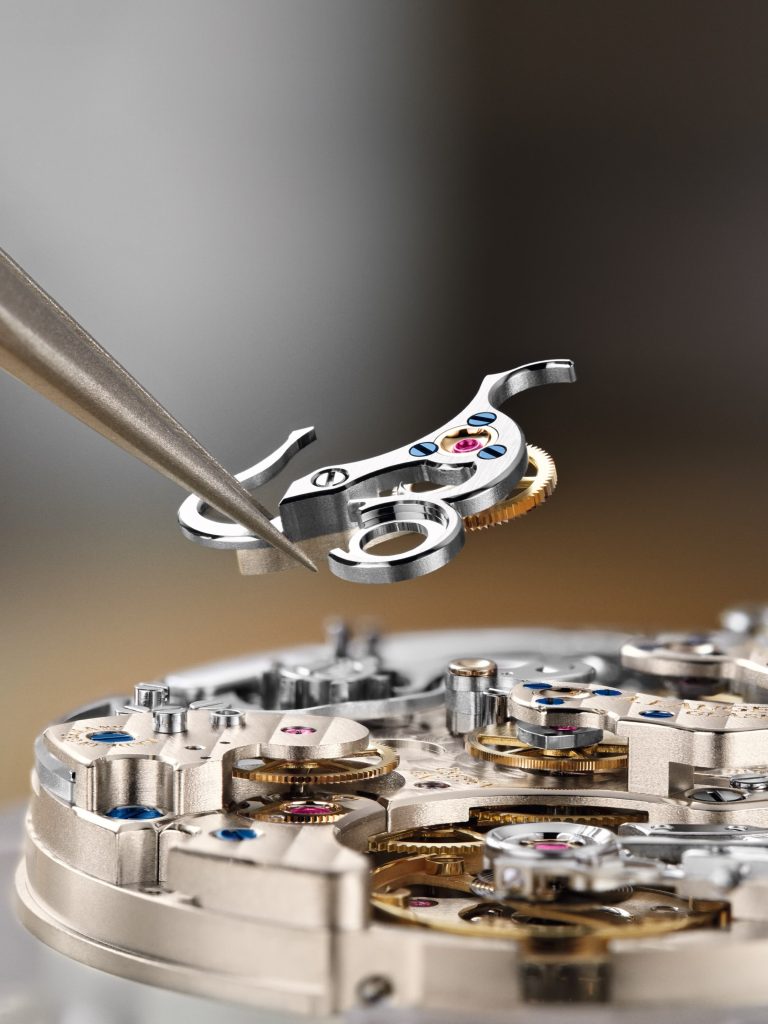
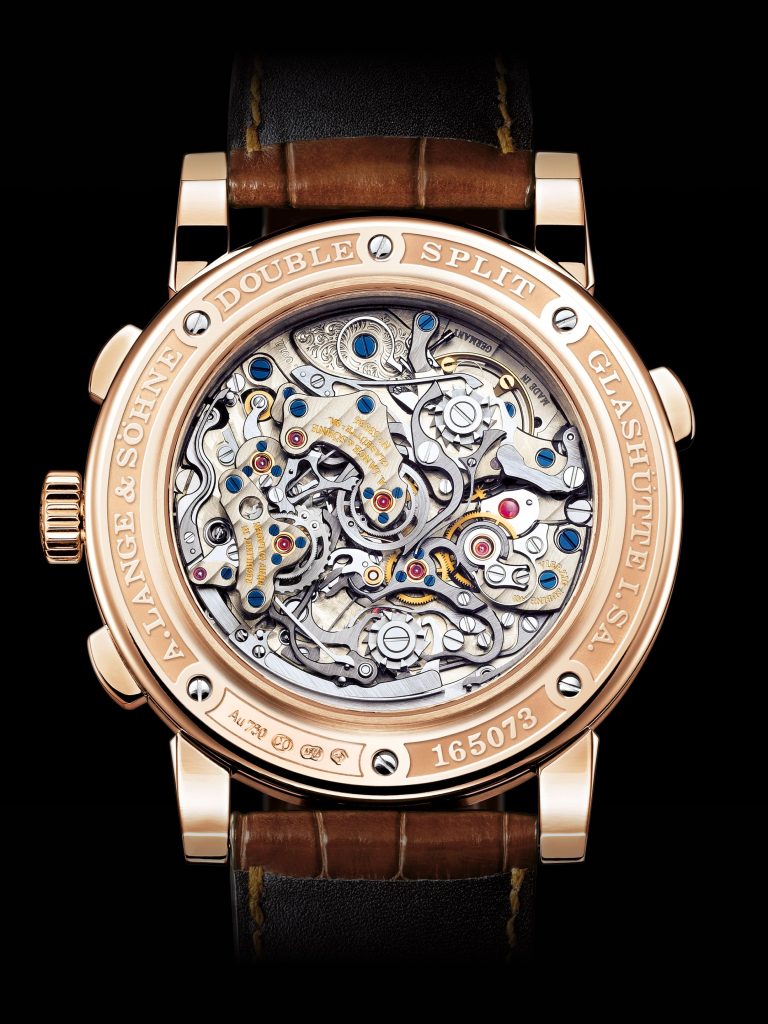
By 2004, merely five years later, A. Lange & Söhne unveiled the Double Split—a mechanism of considerable mechanical ingenuity. The double-rattrapante function permitted simultaneous measurement of two events, allowing a wearer to compare elapsed times without stopping either chronograph hand. This capability extended practical measurement to intervals lasting up to thirty minutes.
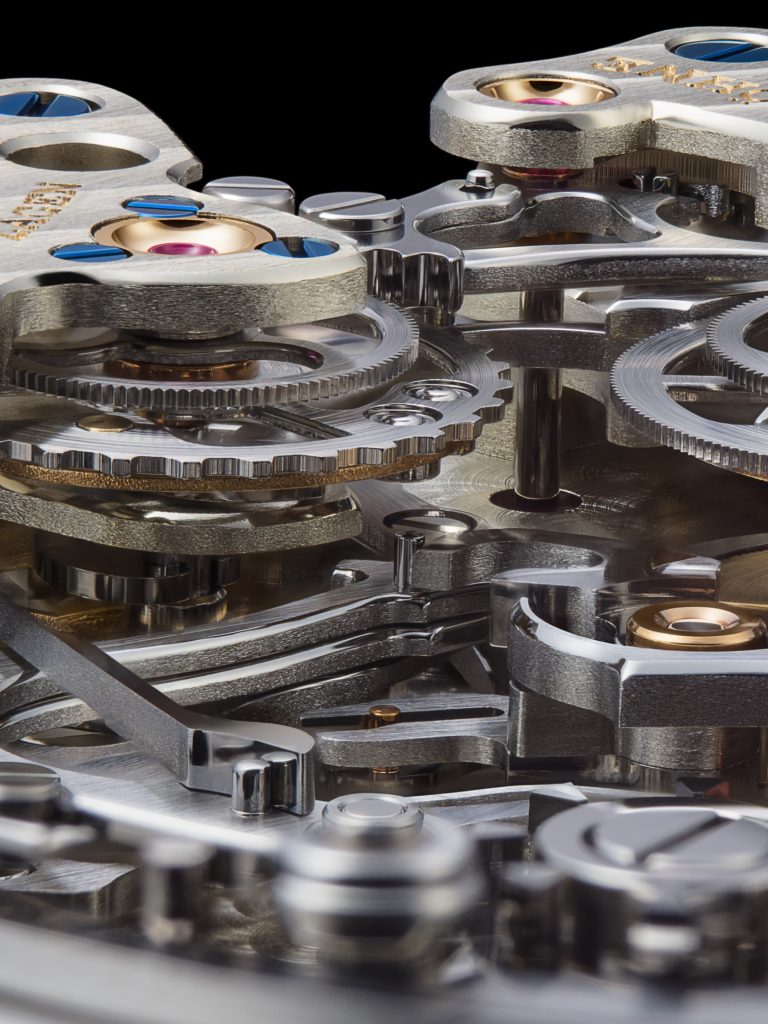
The Double Split represented a conceptual leap: where the Datograph measured singular events with precision, the Double Split equipped the wearer with comparative analysis in real time, a distinction subtle in principle but profound in execution. The mechanical orchestration required—two independent rattrapante mechanisms working in concert—exemplified the manufacture's commitment to mechanical solutions rather than electronic compromise.
The Triple Split and Twelve-Hour Mastery
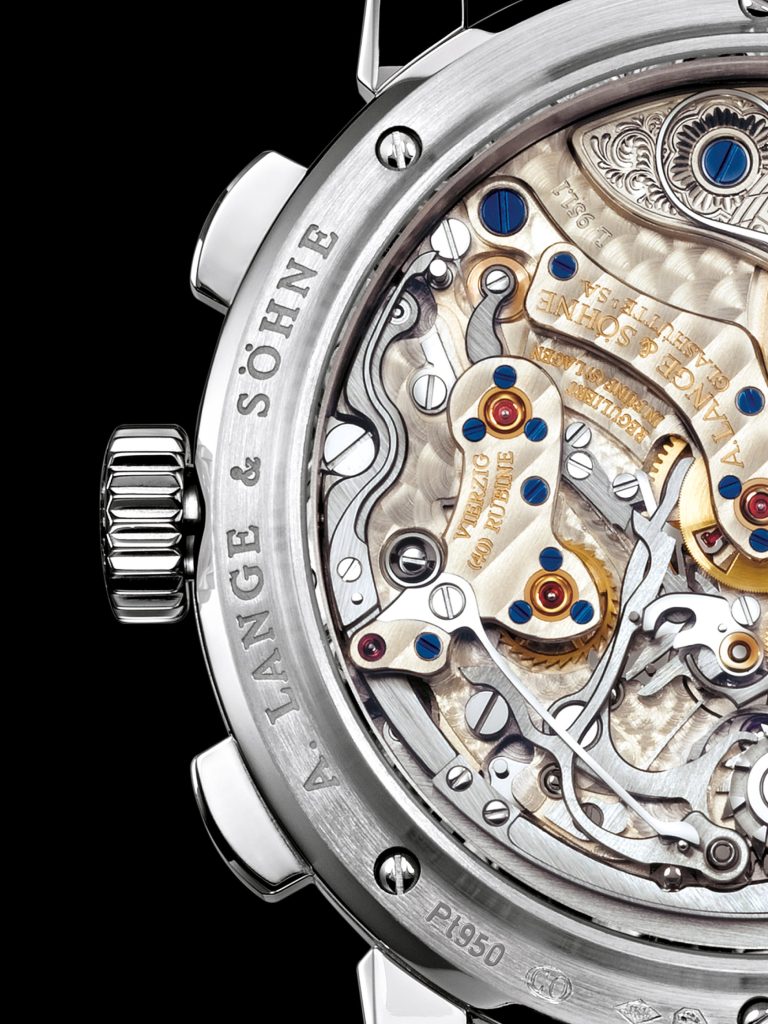
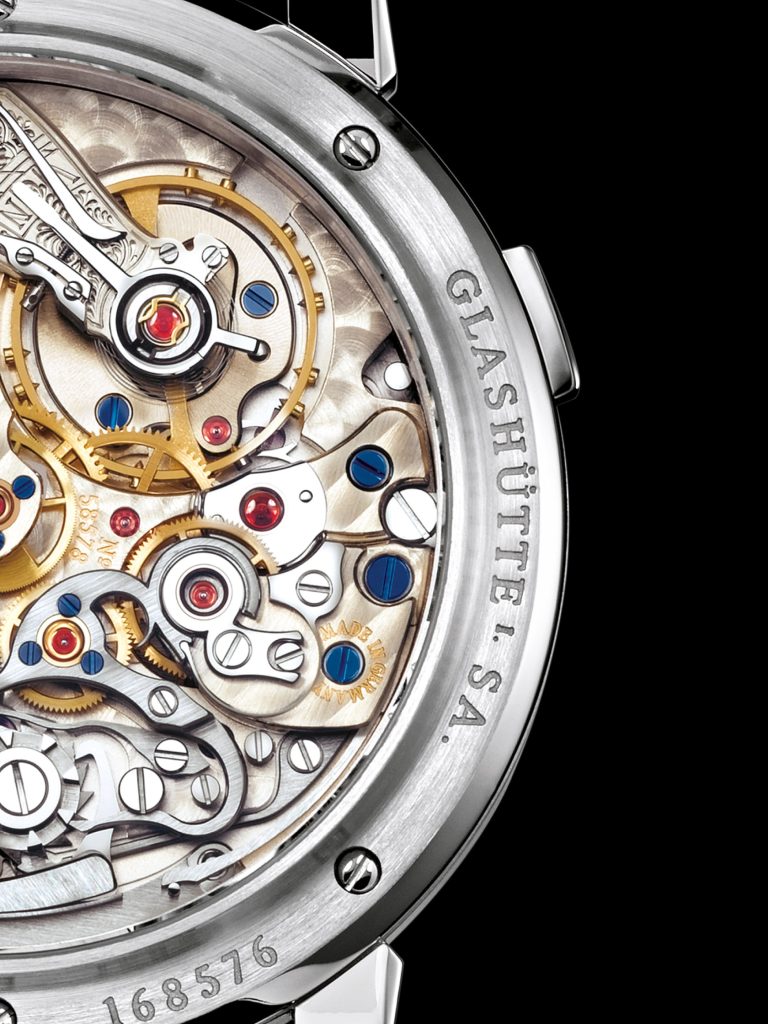
The Triple Split, launched in 2014, extended the rattrapante concept to a point of singular achievement. As the only such chronograph in the world capable of measuring intermediate times, comparative times and overall elapsed time simultaneously for periods extending to twelve hours, it redefined the practical scope of mechanical chronography.
This capability transforms the chronograph from a sporting instrument into something broader: a tool for managing complex, multi-phase events. A sailor conducting multiple races; an endurance athlete tracking splits across extended competitions; a professional managing layered timelines—all could employ a single mechanical instrument where previously multiple watches or external timing systems would have been necessary.
The Manufacture's Chronograph Philosophy
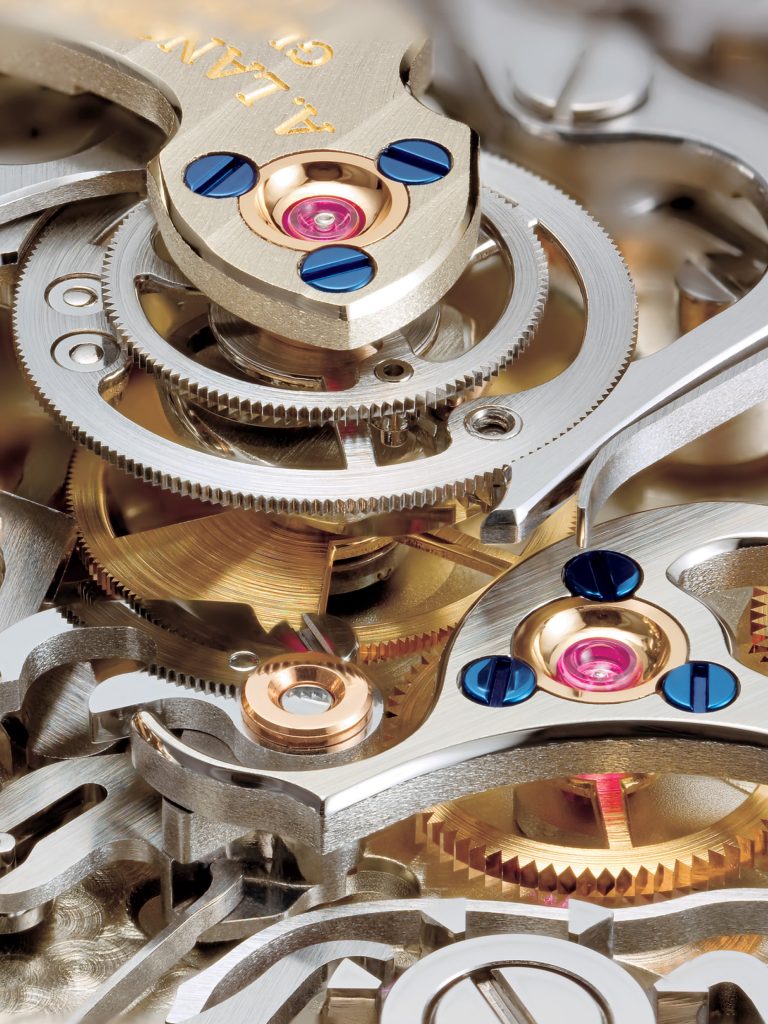
These three designs—Datograph, Double Split, Triple Split—do not represent isolated innovations but rather chapters in a sustained investigation into what mechanical watchmaking can achieve. Each is distinguished by genuine complication: solutions to timing challenges that required new engineering rather than the adaptation of existing systems.
The progression also reflects a manufactory confident enough to evolve without abandonment. The foundational principles established by the Datograph—the column wheel, the vertical clutch, the legible dial—persist through both successors. What changes is not the foundation but the architectural ambition built upon it.
A. Lange & Söhne's chronograph journey remains instructive precisely because it rejects the mythology of singular genius in favour of methodical, generational advancement. The manufacture has neither rested upon the Datograph's pioneering status nor pursued novelty for its own sake. Instead, it has expanded the possibilities of mechanical timing with the patience of an establishment secure in its craft.
For collectors and horological enthusiasts, these three pieces form a coherent narrative: evidence that mechanical watchmaking, far from being a historical practice consigned to tradition, remains capable of genuine innovation and expansion of capability. In an era of electronic ubiquity, A. Lange & Söhne's chronographs stand as testament to what precision engineering and sustained investment in proprietary complications can still accomplish.
Key Facts
- Datograph Launch: 1999
- Double Split Launch: 2004
- Triple Split Launch: 2018
- Double Split Measurement Capability: Up to 30 minutes of comparative timing
- Triple Split Measurement Capability: Up to 12 hours of intermediate, comparative and overall timing
The Simply Luxury View
The distinction between these three chronographs lies not in superficial design evolution but in mechanical possibility. The Datograph restored the manufacture's credibility; the Double Split proved that credibility could sustain genuine innovation; the Triple Split transformed the rattrapante from a specialised complication into a practical tool for managing extended timing scenarios. For the discerning collector, this progression represents the rarest quality in contemporary watchmaking: evidence of institutional commitment to solving genuine problems through mechanical innovation rather than pursuing complexity for its own sake.
Each piece occupies a different place in horological history. The Datograph marked A. Lange & Söhne's post-reunification assertion of technical excellence. The Double Split demonstrated that the manufacture could advance beyond restoration into genuine innovation. The Triple Split announced that mechanical chronography had not reached its limits—that new capabilities remained possible for those willing to invest in proprietary engineering. Together, they form a compelling argument for mechanical watchmaking's continued relevance and potential.
Official brand website: alange-soehne.com
Imagery is used for editorial purposes. All rights remain with the respective owners, photographers and licensors.
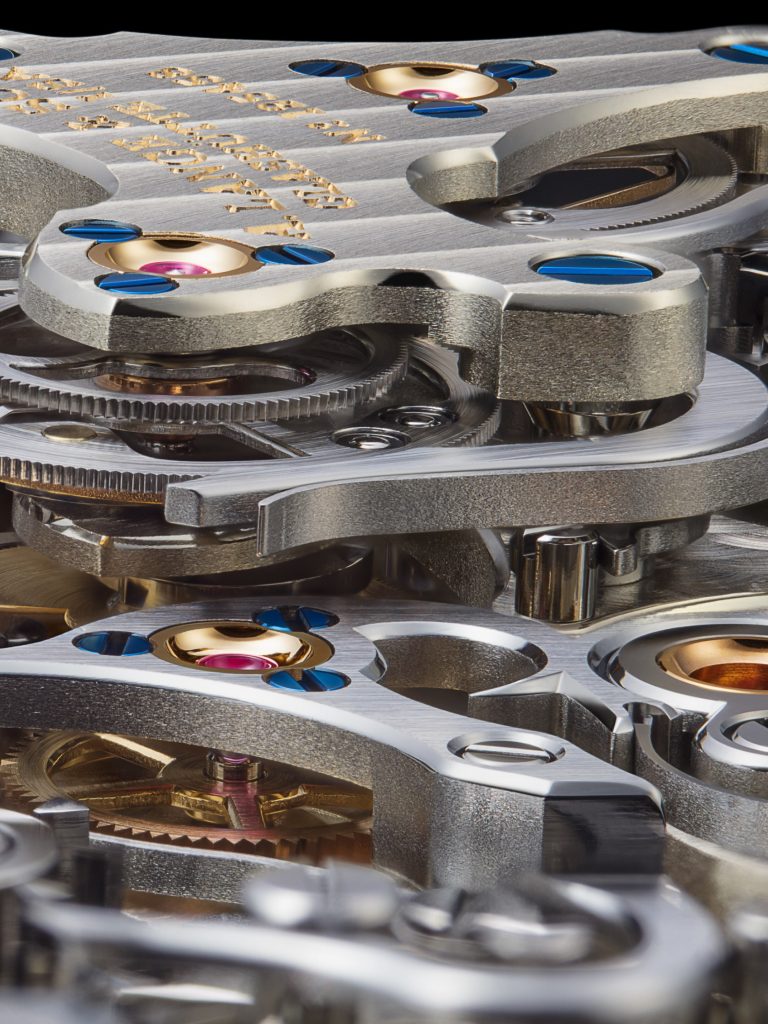
Imagery courtesy of A. Lange & Söhne (@alangesoehne).