
A Cézanne Harlequin Emerges: The Last of Four Masterworks Returns to Public View
AI-assisted voice playback. Starts only when you choose Play.
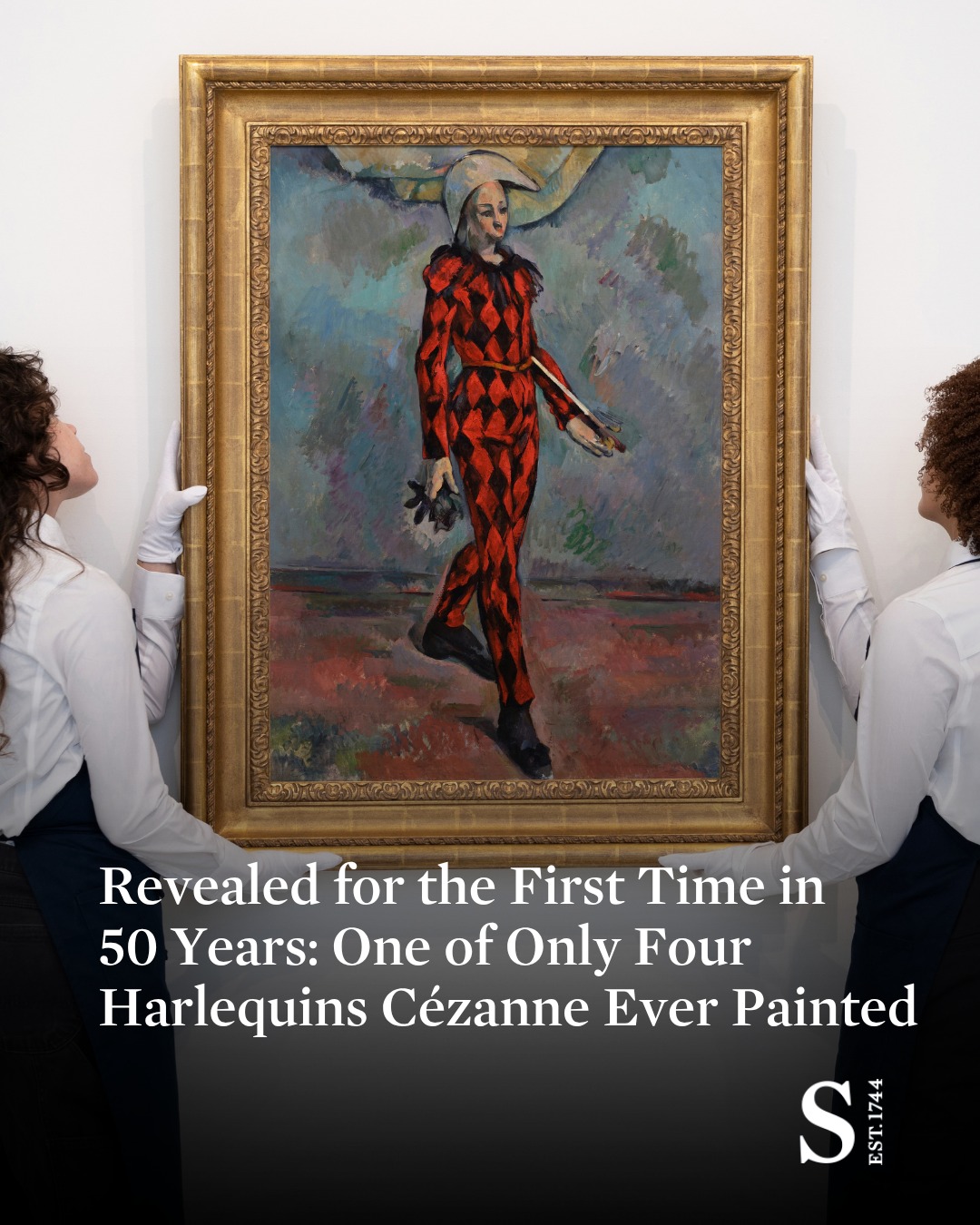
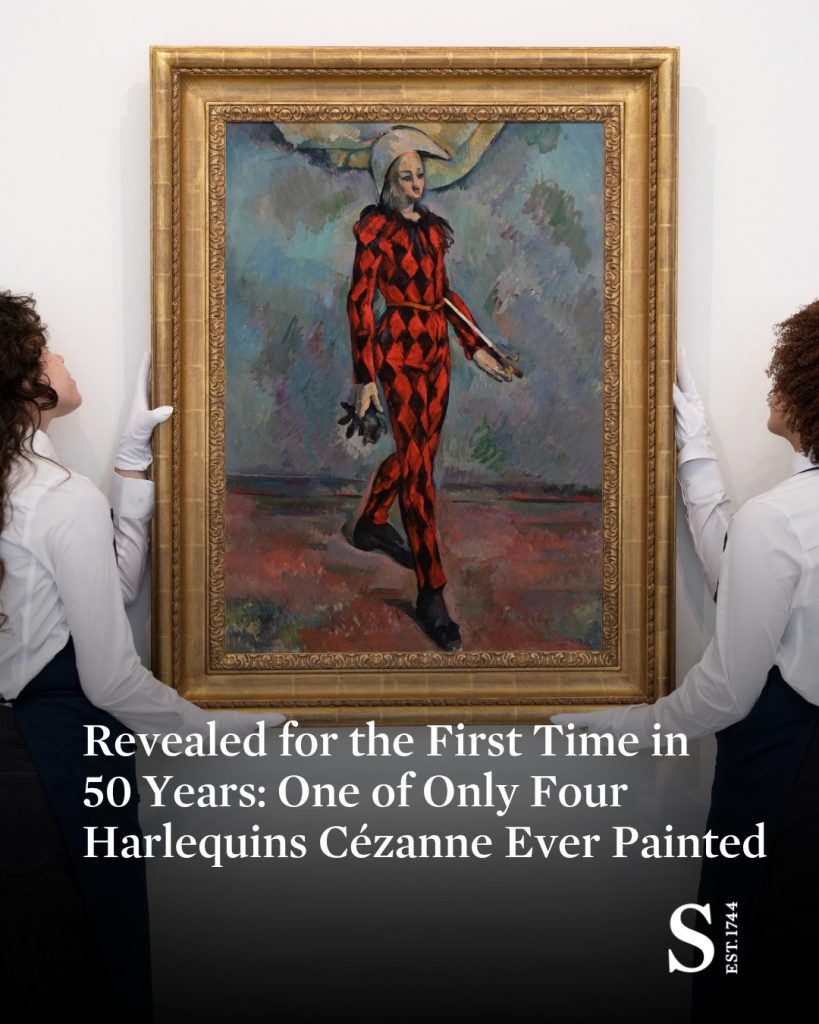
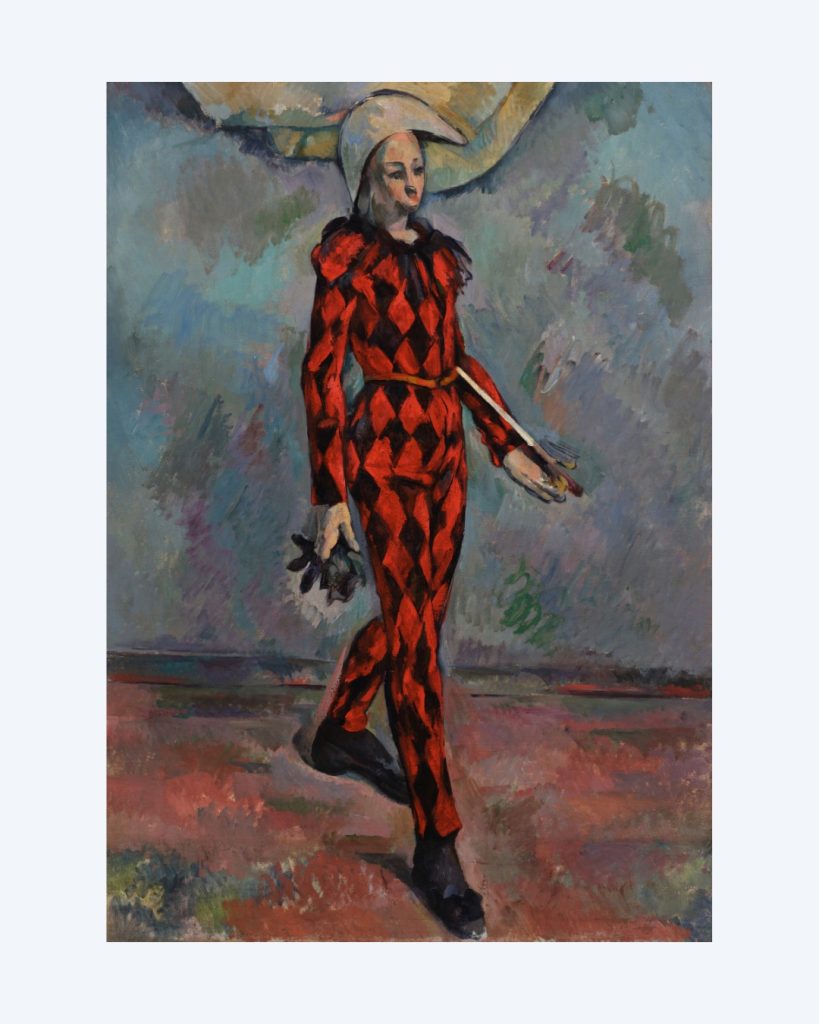
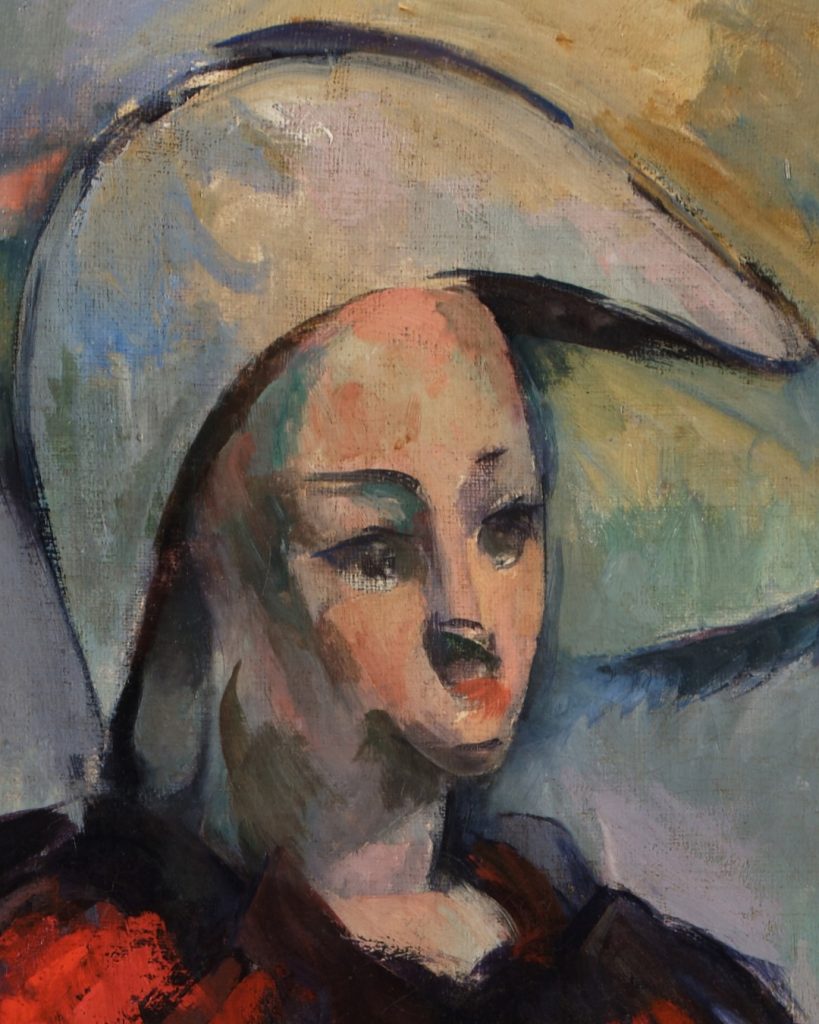
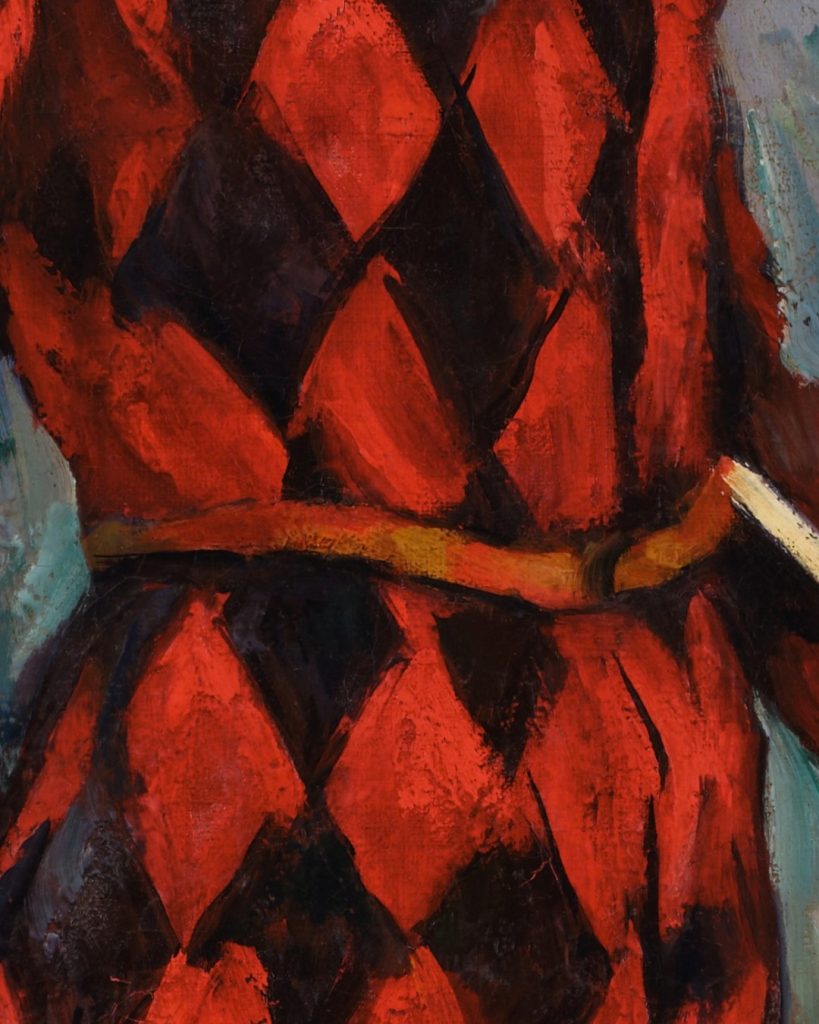
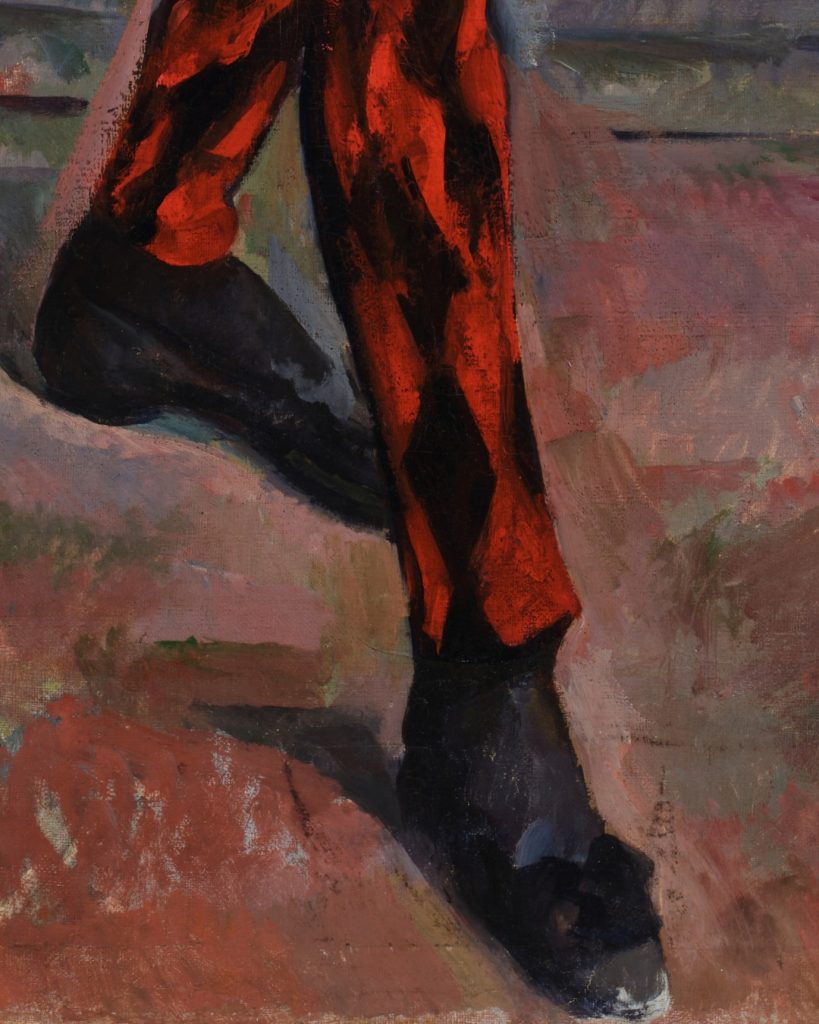
Colour and carnival memory converge in a work that has inhabited the deepest chambers of private collecting for half a century. Cézanne's Arlequin, painted between 1888 and 1890, belongs to an exceptionally intimate group: only four such paintings exist, and this is the last to remain in private ownership. Now, after an absence from public exhibition since 1975, it will be unveiled to the world once more.
The painting emerges as a cornerstone of what Sotheby's terms the Blaquier-Arrieta Collection, a gathering of works of sufficient calibre to warrant a dedicated sale. It arrives at a moment when Cézanne scholarship continues to deepen our understanding of his most experimental years, and when the rarity of certain subjects within his oeuvre has only intensified their significance.
The Harlequin Series and Its Origins
The four Harlequin paintings represent one of Cézanne's most focused portrait endeavours, yet they remain far less familiar than his Mont Sainte-Victoire sequences or his still lifes. The series draws its inspiration from the Mardi-Gras carnival processions of Aix-en-Provence, the sensory spectacle of Cézanne's childhood, where the joyous volatility of masked and costumed figures left an indelible mark on his visual imagination.
What distinguishes these works is their significance as among the first paintings for which Cézanne's son Paul sat as a model. This domestic intimacy, combined with the subject's theatrical dress and psychological presence, created a unique tension in Cézanne's practice: the formal rigour of his compositional method applied to a figure steeped in playfulness and transformation.
A Journey Through Exhibition History
The painting's exhibition record reads as a chronicle of twentieth-century modernism's defining moments. It was shown at the pivotal Salon d'Automne in Paris in 1907, a watershed exhibition that cemented Cézanne's influence on the avant-garde. It subsequently travelled to the Museum of Modern Art in New York in 1929, establishing itself within the canon of works through which American collectors and institutions came to understand Post-Impressionist mastery. The Art Institute of Chicago in 1952 and Tate in London in 1954 further secured its standing as a touchstone.
The gap between 1975 and now represents an extraordinary hiatus. For more than half a century, this canvas has lived in seclusion from the scholarly gaze and the collector's eye. Its reappearance, therefore, carries the weight not merely of rarity, but of rediscovery.
Viewing and the November Sale
Collectors and museum professionals will have the opportunity to encounter the work in person at Sotheby's London galleries through 1 October, marking the first moment of public access in over fifty years. This viewing period offers what may prove an irreplaceable window before the painting moves to New York.
The painting will make its auction debut within the Blaquier-Arrieta Collection sale at Sotheby's New York in November, presented in partnership with Celine. The sale represents a singular opportunity for the international collecting community to engage with a work of fundamental importance to understanding Cézanne's later practice and the evolution of portraiture in modernism.
The reemergence of Arlequin speaks to something profound within the culture of collecting at the highest level: the temporary stewardship of works whose significance transcends any single generation. That a painting can return after fifty years and still command immediate recognition of its place within art history is itself a testimony to its power.
For collectors, conservators and curators, the weeks and months ahead represent a rare convergence of scholarly attention and market opportunity, centred on a canvas that has long deserved to be seen.
Key Facts
- Artist: Paul Cézanne
- Title: Arlequin
- Date: 1888–1890
- Sale: Legendary: The Blaquier-Arrieta Collection, Sotheby's New York, November 2026
- Last public exhibition: 1975
- London viewing: Sotheby's London galleries through 1 October 2026
The Simply Luxury View
Cézanne's Harlequin series occupies a singular position within his oeuvre: intimate in scale yet monumental in artistic ambition, deeply personal in its use of his son as model, yet universal in its thematic resonance with carnival, transformation and the mask. That only four such paintings exist elevates this work beyond rarity into the realm of essential artistic statement. The fifty-year eclipse from public view has only deepened its mystique.
For collectors of modernist painting, the appearance of this work at auction constitutes a generational event. The convergence of its exhibition pedigree, its thematic importance, its rarity, and its half-century of privacy creates a moment of genuine consequence. Few opportunities arise to acquire a work of this calibre and provenance.
Official brand website: sothebys.com
Imagery is used for editorial purposes. All rights remain with the respective owners, photographers and licensors.
Imagery courtesy of Sotheby's (@sothebys).