
Markets and politics: divergent narratives in election years
A contemplation on how political discourse and financial markets often tell strikingly different stories about economic health, and what discerning investors should understand about this fundamental disconnect.
AI-assisted voice playback. Starts only when you choose Play.
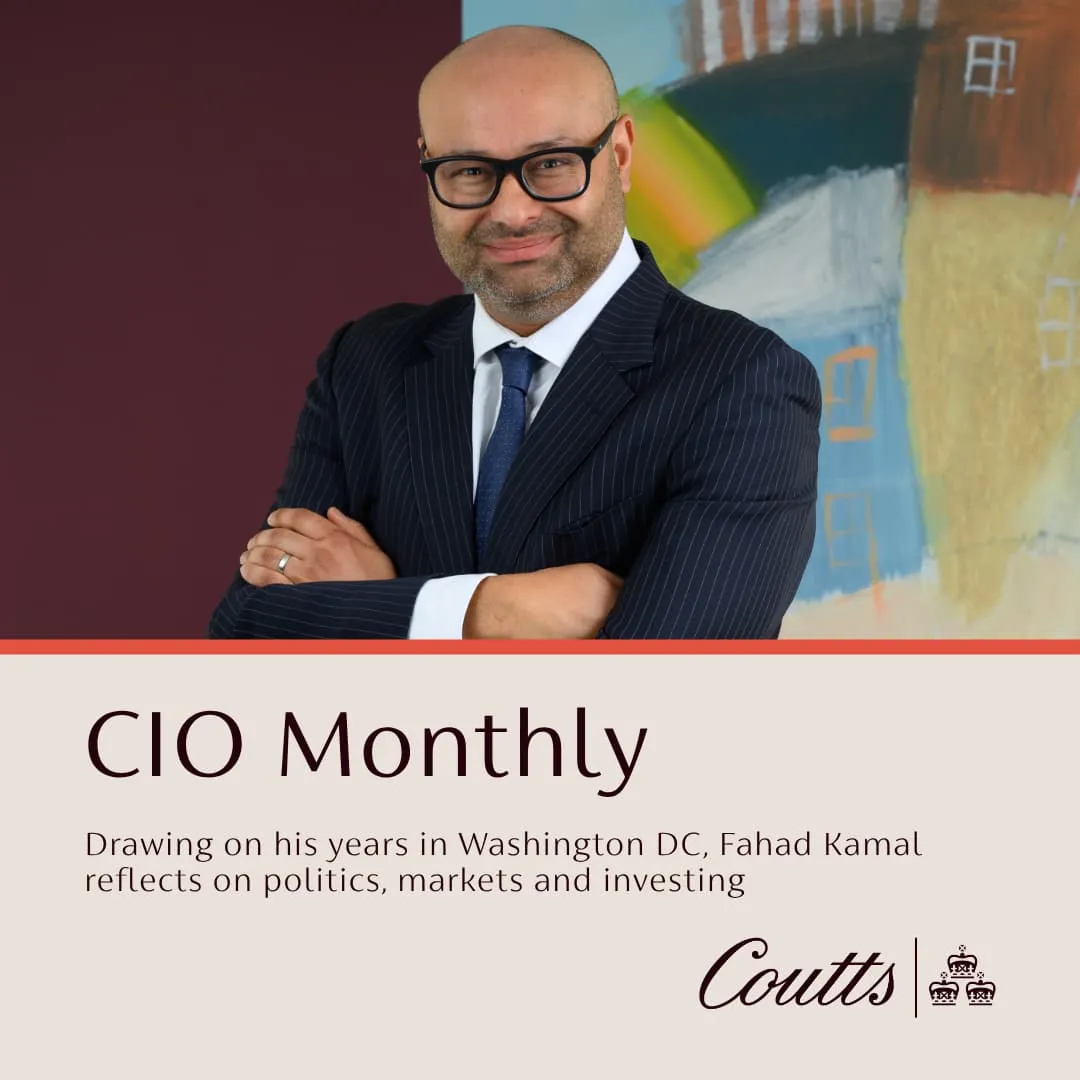
The relationship between political sentiment and market behaviour has long fascinated observers of capital markets and democratic processes alike. From Washington to Westminster, political narratives shape public perception of economic wellbeing, yet the sophisticated machinery of global financial markets frequently operates according to an entirely different logic. This divergence between voter sentiment and market performance represents one of the more intriguing paradoxes of modern economic life.
History reveals a consistent pattern: election years need not spell turbulence for discerning investors. Rather, markets often advance their own sophisticated assessment of economic conditions, one that transcends the rhetoric of political campaigns and the anxieties of the electorate. The financial markets possess an inherent rationality born of countless transactions, billions of data points, and the collective intelligence of global investors constantly repricing assets based on evolving fundamentals.
Understanding the Divergence
Voters and markets perceive the economy through fundamentally different lenses. Electoral cycles tend to amplify economic anxieties, concentrating attention on near term grievances and local impacts. Markets, by contrast, operate on a longer temporal horizon, incorporating forward looking indicators, corporate earnings trajectories, monetary policy expectations, and global economic flows into their valuations.
The distinction becomes particularly pronounced during election seasons, when political narratives intensify and public discourse becomes more polarised. Whilst campaigns may emphasise economic hardship, market indices frequently advance, reflecting investor confidence in structural economic resilience or anticipated policy changes. This phenomenon underscores an essential truth for wealth preservation and capital growth: political headlines and market performance operate within separate frameworks.
Investment Conviction in Uncertain Times
For those entrusted with the stewardship of significant capital, understanding these dynamics proves invaluable. Coutts’ investment philosophy remains grounded in rigorous fundamental analysis, informed by deep expertise in global markets and decades of experience navigating political uncertainty. Rather than reacting to election year volatility or allowing political narrative to override investment discipline, a measured approach focused on enduring value and thoughtful portfolio construction provides superior outcomes.
The current investment environment presents opportunities for those with the conviction and sophistication to look beyond immediate political cycles. Whether examining equity valuations, fixed income opportunities, or alternative assets, the most compelling investments frequently emerge during periods of elevated uncertainty when disciplined capital becomes scarce.
Coutts’ comprehensive monthly Chief Investment Officer letter explores these themes in greater depth, examining historical precedent, current market dynamics, and the bank’s core investment views. For those managing substantial wealth or seeking to refine their investment strategy, understanding how markets distinguish themselves from political narratives represents an essential foundation for prudent capital deployment.
Imagery courtesy of Coutts (@couttsbank).