
Fashion’s New Imperative: Building Resilience Into Luxury Supply Chains
As the world's fashion capitals confront unprecedented environmental and geopolitical pressures, a fundamental recalibration of industry infrastructure is underway. Lombard Odier examines how regenerative practices and technological innovation are reshaping competitive advantage in luxury.
AI-assisted voice playback. Starts only when you choose Play.
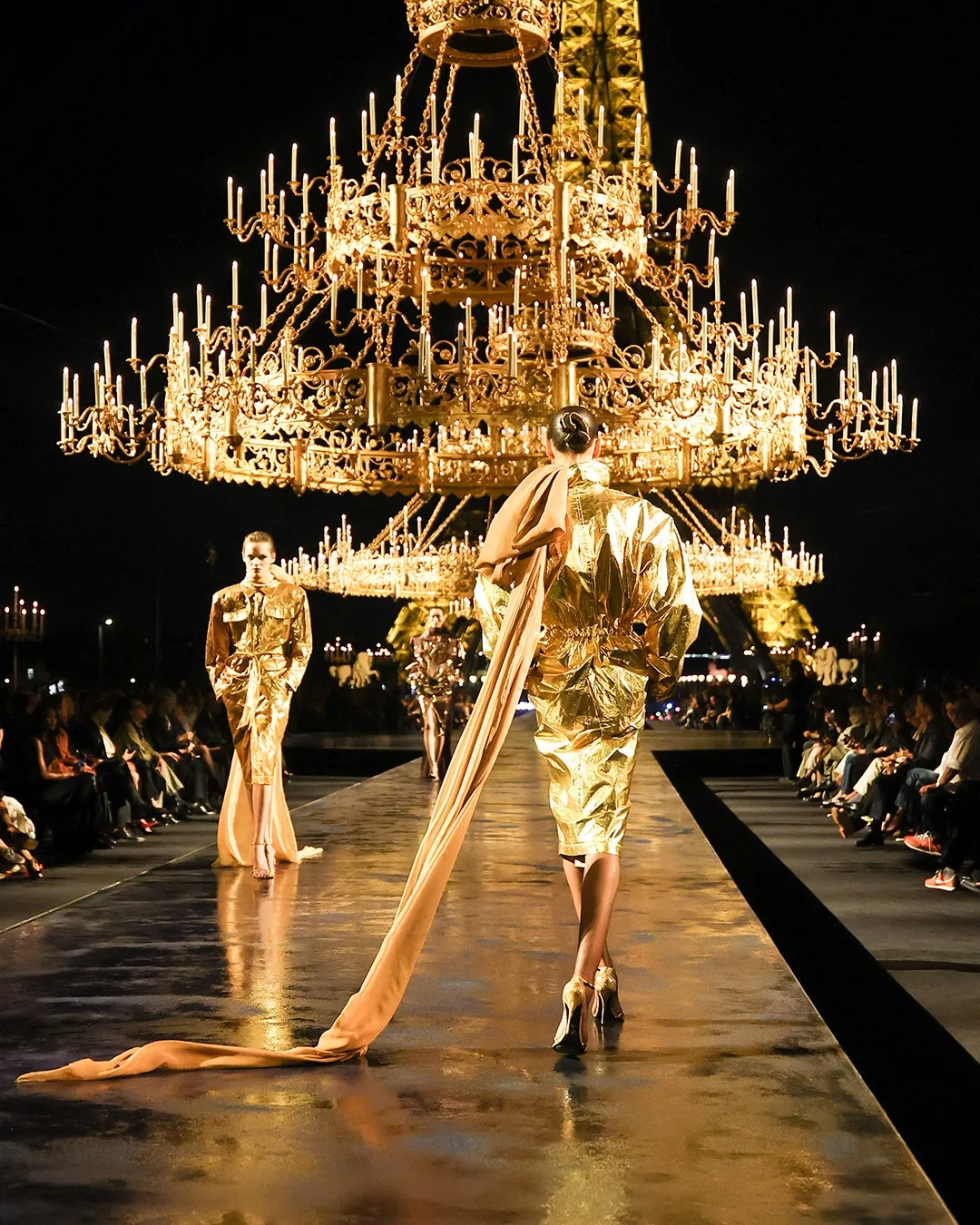
The grandeur of Paris, Milan, London and New York fashion weeks has long represented the apotheosis of sartorial aspiration. Yet beneath the theatrical flourishes of haute couture and the calculated spectacle of seasonal shows, a more profound transformation is gathering momentum. The industry faces a reckoning that extends far beyond aesthetic considerations, touching upon the fundamental architecture of how luxury fashion is conceived, produced and distributed across the globe.
Climate volatility and resource scarcity present challenges that demand more than superficial gestures towards sustainability. Extreme weather patterns now threaten the geographical foundations upon which traditional supply chains have been constructed. Simultaneously, geopolitical uncertainties introduce unpredictability into sourcing and distribution networks that were once considered dependably stable. These pressures have exposed the fragility of systems that many luxury brands had assumed were resilient.
From Commitment to Competitive Advantage
What distinguishes the present moment is a fundamental shift in how the industry perceives sustainability initiatives. These are no longer peripheral exercises in corporate responsibility or marketing positioning. Rather, regenerative agriculture, advanced recycling methodologies, next generation materials and artificial intelligence represent substantive sources of competitive differentiation and investment opportunity. Brands that successfully integrate these innovations into their operational frameworks are positioning themselves advantageously for long term value creation.
The question that now preoccupies serious industry participants is no longer whether fashion can achieve greater sustainability. The trajectory is clear and irreversible. Instead, the critical inquiry concerns velocity and execution: how swiftly can resilience become embedded within business models themselves? This requires not incremental adjustment but wholesale reconceptualisation of supply chain architecture, material sourcing and production methodologies.
Building Resilience Into Legacy
For luxury houses with considerable heritage and established market positions, this transformation presents both existential challenge and remarkable opportunity. Those willing to invest in regenerative practices and technological infrastructure are cultivating supply chains that are not merely more sustainable but genuinely more robust and adaptable to future disruption. This represents enduring value creation that transcends short term market cycles.
Lombard Odier’s examination of these dynamics reflects the sophisticated perspective required when evaluating how traditional luxury sectors must evolve. The intersection of environmental responsibility, geopolitical pragmatism and technological innovation offers discerning investors a window into which houses will maintain their prominence through this critical transition. The most distinguished brands will emerge not merely unscathed but strengthened, having integrated resilience into the very essence of their operations.
Imagery courtesy of Lombard Odier (@lombardodier).