
Abu Dhabi’s Financial Regulator Sets New Standards for Digital Asset Management
AI-assisted voice playback. Starts only when you choose Play.
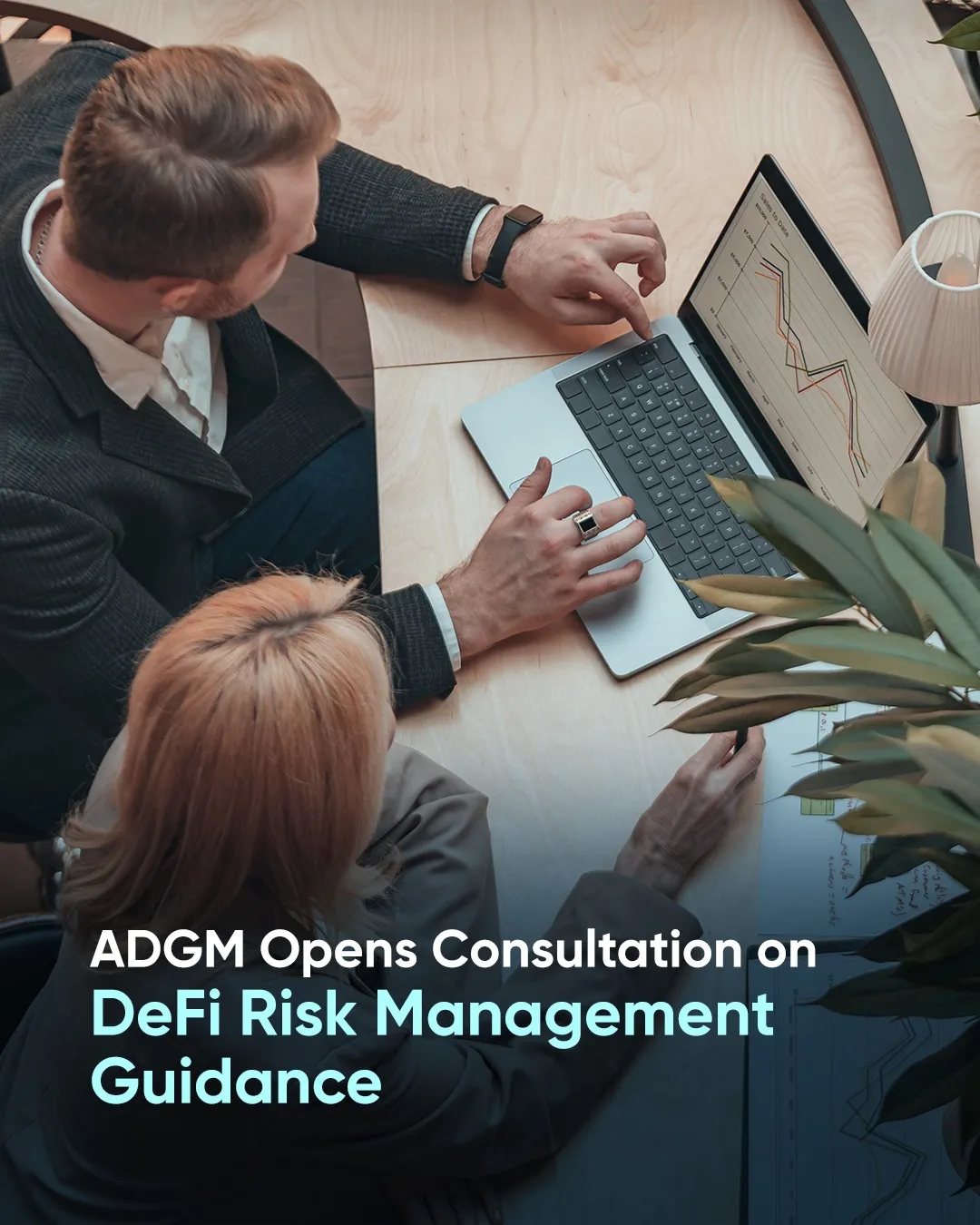
The institutional management of digital assets has reached a critical inflection point. As decentralised finance protocols become increasingly central to sophisticated investment portfolios, the regulatory clarity demanded by private banks, wealth managers and investment houses has grown correspondingly urgent. The Abu Dhabi Global Market's Financial Services Regulatory Authority has responded with a considered and comprehensive framework—one designed to bring the same rigour to digital venues that governs traditional asset safeguarding.
A Framework for Professional Stewardship
The consultation paper establishes explicit expectations for how authorised financial institutions should approach their engagement with decentralised finance protocols and trading venues. The guidance addresses the full spectrum of institutional responsibility: governance structures that ensure appropriate oversight; due diligence processes that validate counterparty and protocol integrity; continuous monitoring regimes that identify emerging risks; and financial crime controls that meet the rigour demanded of traditional finance.
Critically, the framework extends to the operational backbone of institutional asset management: incident escalation procedures, comprehensive recordkeeping, auditability trails, and the competence standards required of personnel managing exposure to novel asset classes. Each element reflects an understanding that institutional participation in digital finance demands nothing less than the professional infrastructure already established in conventional wealth management.
Client Assets and Operational Resilience
Particular emphasis falls upon client asset safeguards—the foundation upon which all institutional trust is built. By establishing clear expectations around how digital holdings should be identified, protected and segregated, the guidance acknowledges a reality now central to high-net-worth portfolio construction: that digital assets represent meaningful capital requiring equivalent protection to traditional holdings.
The consultation period, which closes on 30 November 2026, invites industry participants to refine the framework through structured feedback. This measured approach—publishing proposed guidance and soliciting professional input before final adoption—reflects regulatory maturity and a genuine commitment to workable standards rather than prescriptive overreach.
Institutional Evolution
For wealth managers and investment institutions with sophisticated clientele, the framework signals an important transition. Rather than treating digital asset exposure as peripheral or experimental, the ADGM's regulatory apparatus now treats it as a core component of institutional practice—one demanding the same governance discipline, risk architecture and client protection that defines professional wealth management. The guidance effectively acknowledges that digital finance is no longer novel; it is infrastructure, and it requires infrastructure-grade oversight.
The publication of this guidance marks a maturation in how financial institutions approach digital asset management. By establishing professional standards without attempting to prescribe technical solutions, the framework creates space for institutional innovation whilst ensuring that client protection and operational governance remain paramount—precisely the balance that sophisticated investors expect from their wealth managers.
Key Facts
- Regulator: Abu Dhabi Global Market Financial Services Regulatory Authority (ADGM FSRA)
- Consultation Paper Reference: Consultation Paper No. 5 of 2026 — DeFi Risk Management Guidance
- Consultation Closing Date: 30 November 2026
- Submission Address: fsra.consultation@adgm.com
- Coverage Areas: Governance, due diligence, monitoring, financial crime controls, incident escalation, recordkeeping, auditability, competence and client asset safeguards
The Simply Luxury View
For ultra-high-net-worth individuals with exposure to digital assets, regulatory clarity of this calibre has direct implications for how wealth managers can confidently manage such holdings. The ADGM's framework bridges a gap that has long troubled institutional custodians: how to apply traditional fiduciary standards to novel asset classes. By establishing explicit expectations around governance, due diligence and asset safeguarding, the guidance effectively professionalises digital asset management and raises the bar for institutional participation.
This matters because it signals that digital finance is graduating from speculative peripheral to legitimate institutional practice. The framework's emphasis on competence standards, recordkeeping, auditability and incident procedures mirrors the infrastructure that defines professional wealth management across all other asset classes—a development that will likely encourage greater institutional adoption and, consequently, greater confidence among discerning investors holding meaningful digital allocations.
Official brand website: adgm.com
Imagery is used for editorial purposes. All rights remain with the respective owners, photographers and licensors.
Imagery courtesy of ADGM (@adgm).