TIFFANY LETS BIRD ON A ROCK TAKE FLIGHT THROUGH WINGS AND FEATHERS
Tiffany & Co. extends Jean Schlumberger’s 1965 Bird on a Rock into new Wings and Feathers creations, shifting the focus from the famous bird to the architecture of flight itself.
AI-assisted voice playback. Starts only when you choose Play.
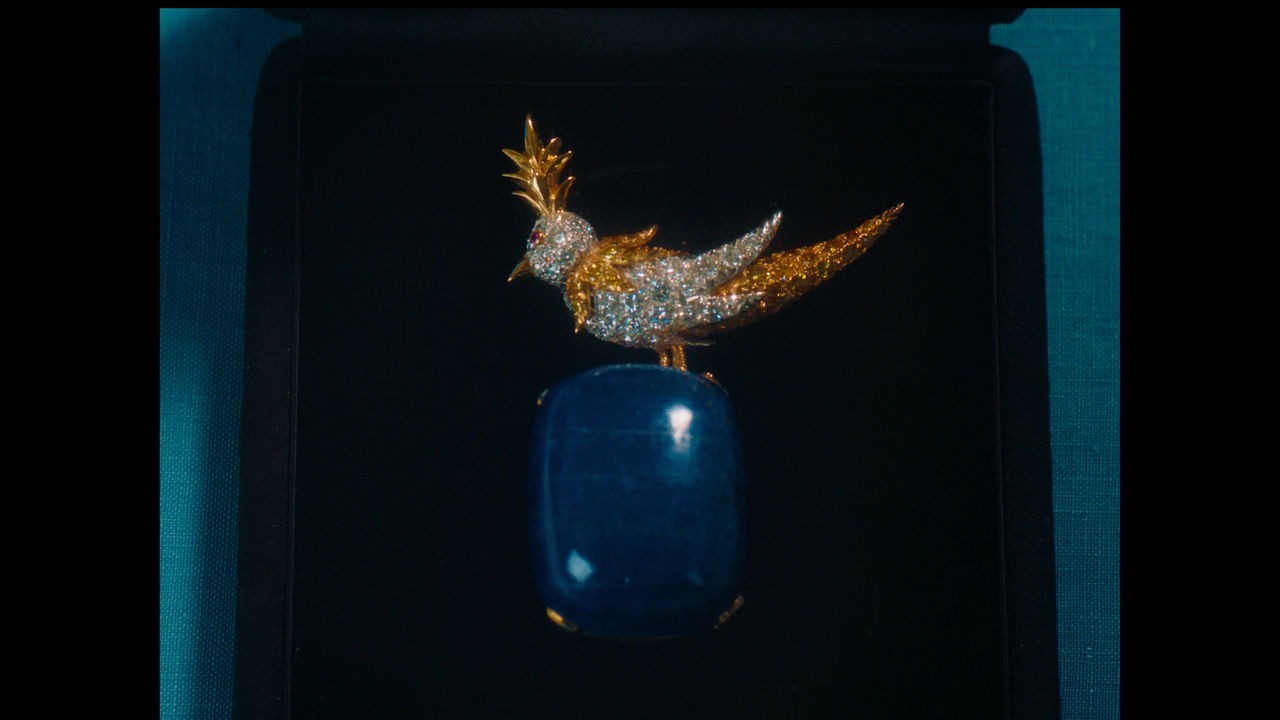
Few jewellery motifs are as instantly recognisable as Jean Schlumberger’s Bird on a Rock. Created for Tiffany & Co. in 1965, the little bird perched above an exceptional stone has spent six decades proving that high jewellery can be playful without sacrificing seriousness. Tiffany’s latest chapter takes a more interesting route than simply changing the gemstone beneath the bird: it studies the mechanics and texture of flight itself.
FROM BIRD TO WING
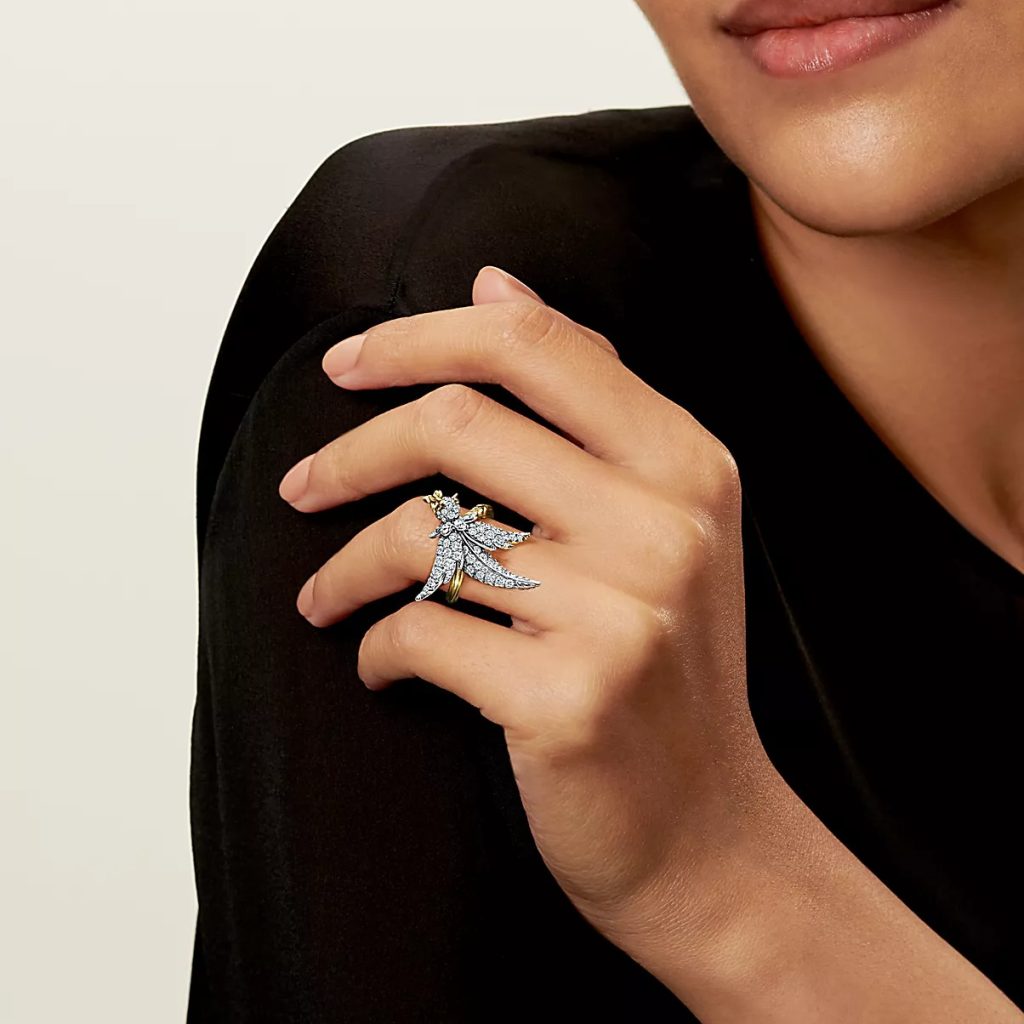
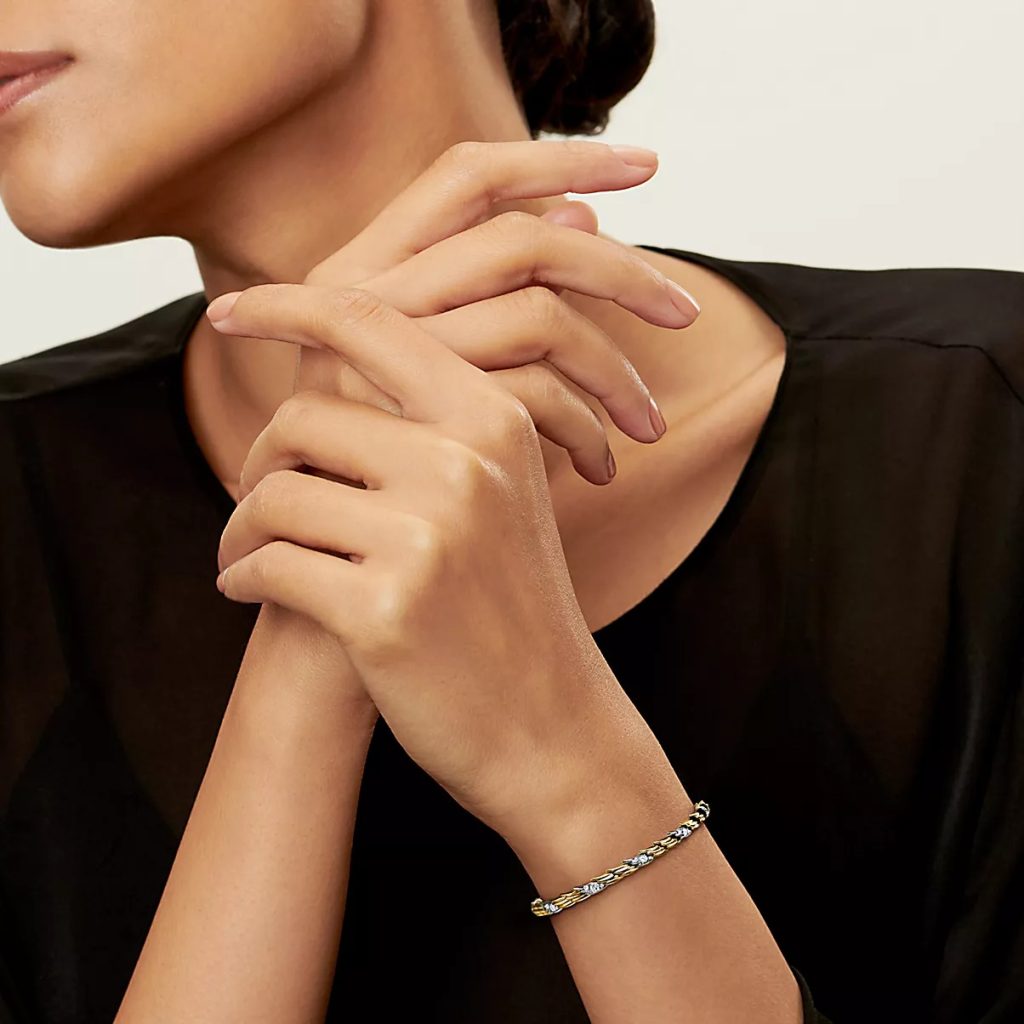
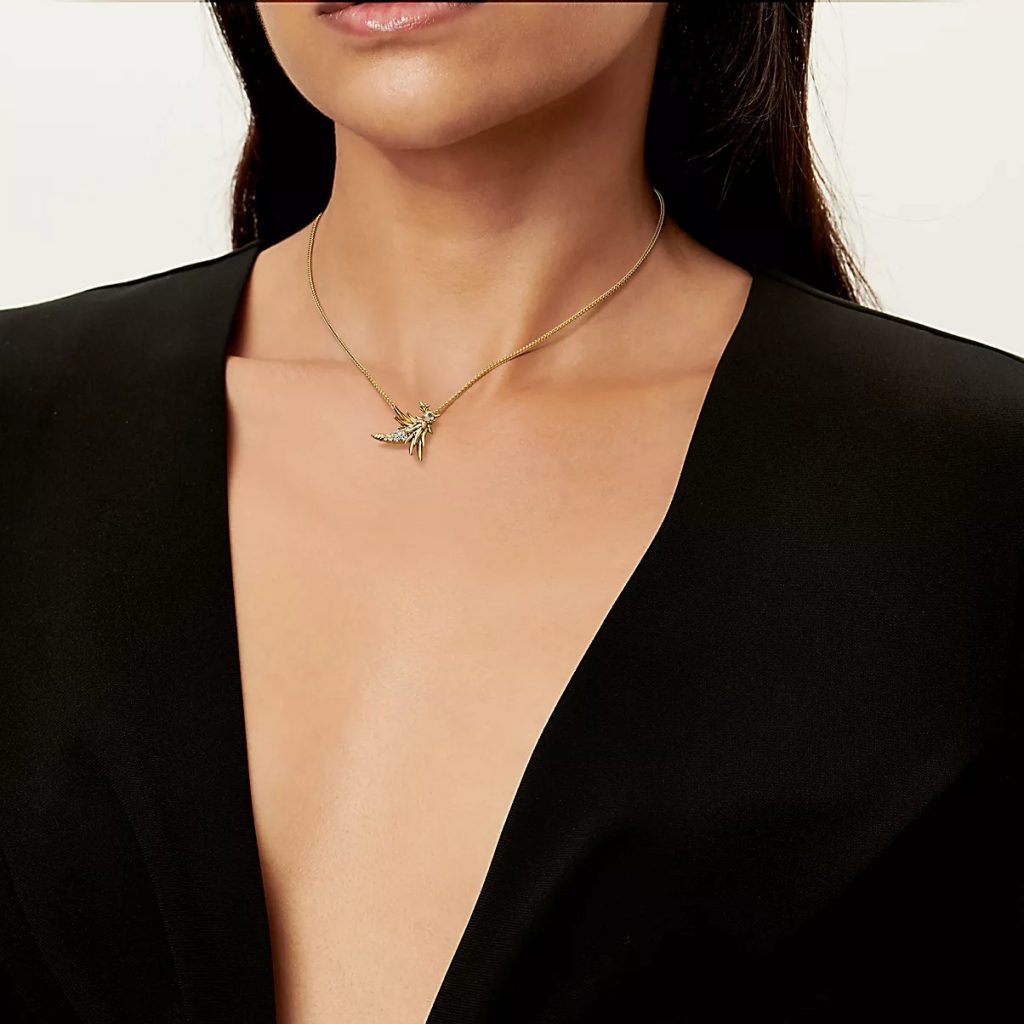
The new creations are divided between Wings in fine jewellery and Feathers in high jewellery. The distinction helps the house move from the figurative to the abstract. The bird remains part of the vocabulary, but the wing becomes a structure that can stand on its own as a necklace, ring, bracelet, pendant or pair of earrings.
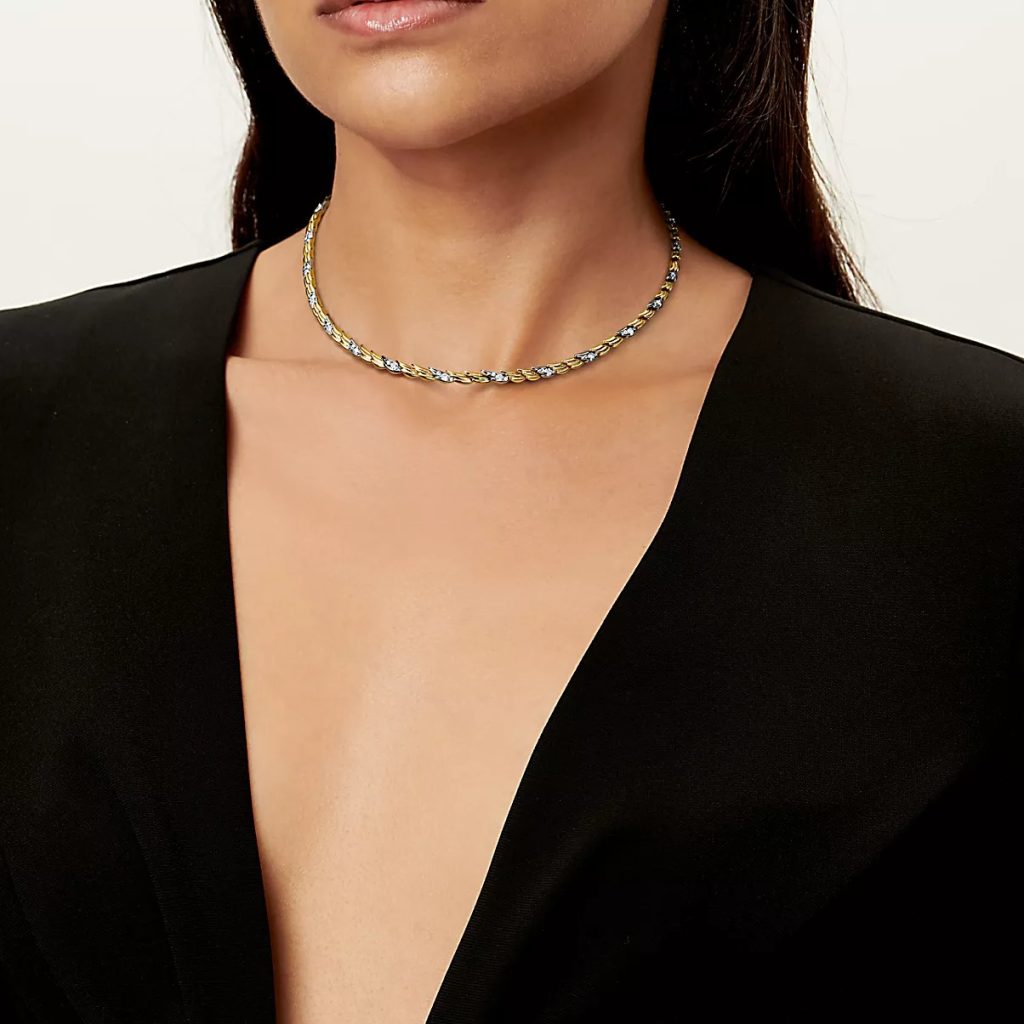
Tiffany’s designers draw on Schlumberger’s broader archive as well as the original 1965 brooch. Textured wings take cues from his 1950s Flames earrings, while hand-sculpted 18-karat gold, chevron details, and diamonds give the avian forms movement rather than literal realism. In the Wings pieces, repeated three-feather elements alternate across the jewel, sometimes combining gold and platinum in the multi-metal spirit Schlumberger often favoured.
FEATHERS AS HIGH-JEWELLERY ENGINEERING
The Feathers creations push the idea further. Instead of rendering a complete bird, they isolate the layered plumage around the collar and reinterpret it through diamonds, platinum and 18-karat gold. The work is sculptural but not rigid; the success of the design depends on suggesting softness and overlap in materials that are anything but soft.
That tension is what makes feather-inspired jewellery difficult. A single feather has direction, taper and rhythm. A group of feathers has hierarchy and movement. Flatten either idea too aggressively, and the result becomes a pattern rather than plumage. Tiffany’s approach uses graduated diamond surfaces and layered metal forms to retain the impression that one section passes above or beneath another.
The wider Bird on a Rock collection has already shown how far the motif can travel. Under Nathalie Verdeille, Tiffany has studied birds, their posture and wing structures as an anatomical starting point rather than simply repeating Schlumberger’s silhouette. The newer Wings and Feathers pieces continue that logic: heritage becomes research material, not a restriction.
WHY SCHLUMBERGER STILL FLIES
Luxury houses often speak about icons as if permanence requires immobility. Bird on a Rock has endured for the opposite reason. It has been able to shift from a literal bird perched on a stone to a vocabulary of wings, feathers, diamonds and precious metal without losing the humour and optimism of the original idea.
The newest work also illustrates a broader shift in high jewellery. Clients increasingly want pieces that can be recognised by design rather than by logo, and that can sit between ceremonial high jewellery and something more wearable. A wing can carry the memory of Bird on a Rock without needing to reproduce it in full.
Tiffany’s advantage is that Schlumberger left behind a world rather than a single motif. The bird, the flames, the feathers, and the use of contrasting metals all belong to that world. By recombining those elements, the house can make a 1965 idea feel alive rather than merely historic. The bird may be the icon, but in 2026 it is the wings that are doing the travelling.