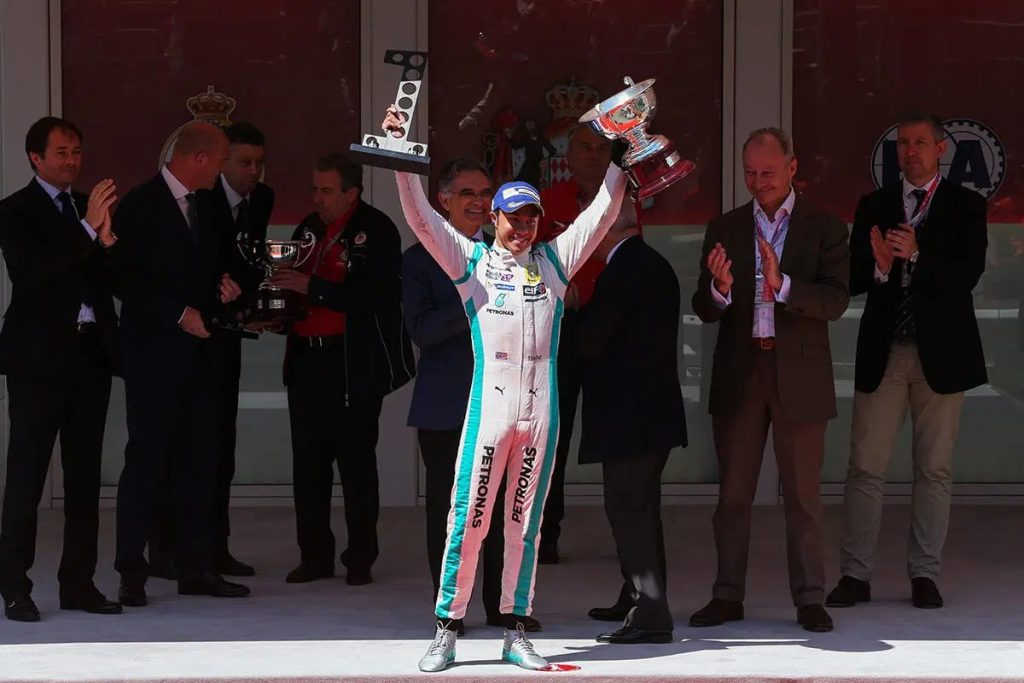
JAZEMAN JAAFAR IS TURNING A RACING CAREER INTO A PIPELINE FOR THE NEXT GENERATION
After rising from Malaysian karting to Formula BMW, Formula 3, endurance racing and Le Mans, Jazeman Jaafar is increasingly focused on the engineering talent, apprenticeships and institutions that make motorsport possible beyond the cockpit.
AI-assisted voice playback. Starts only when you choose Play.
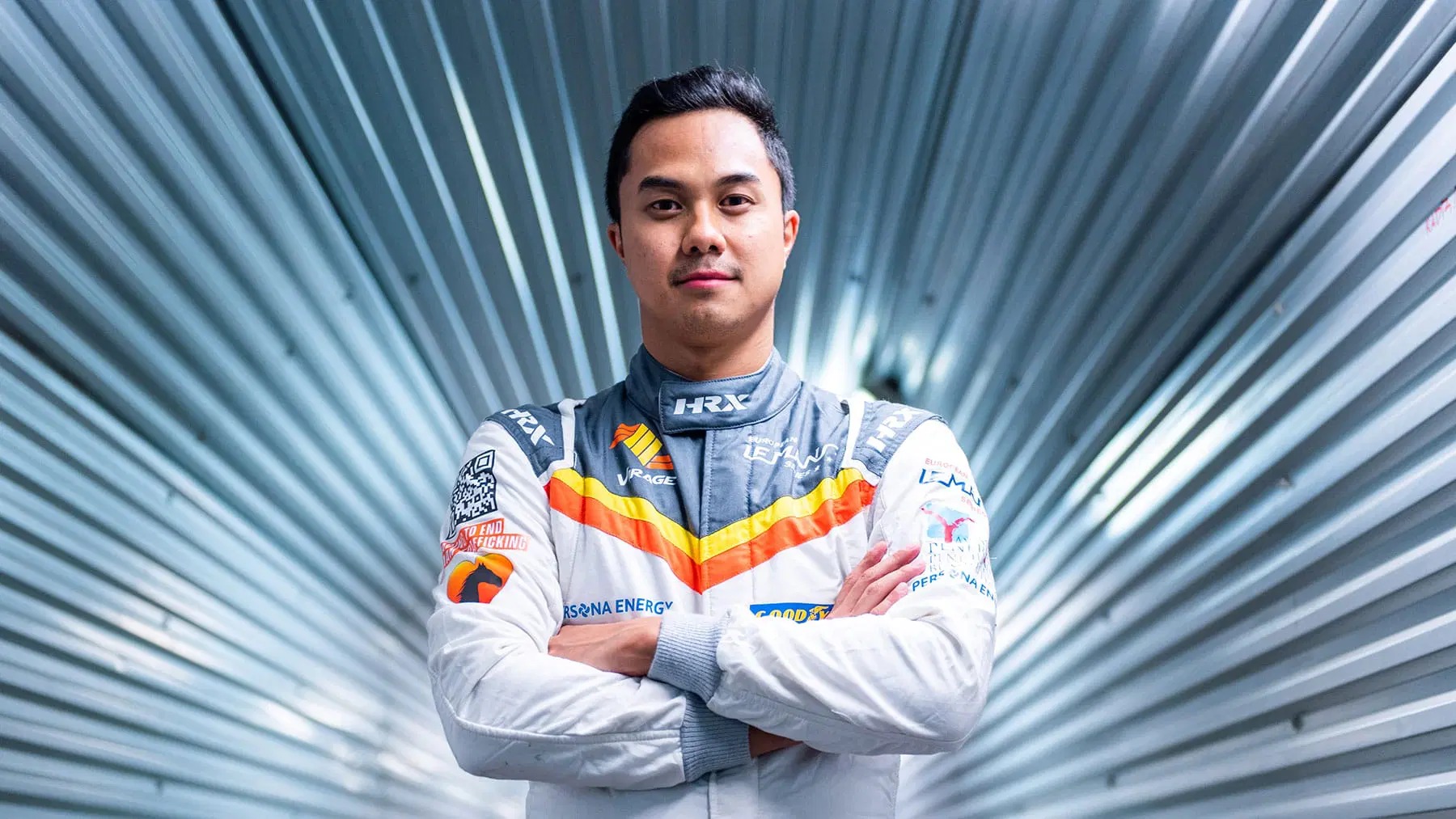
Elite motorsport encourages a narrow view of success: the driver, the podium, the lap time. Jazeman Jaafar’s career increasingly argues for a wider one. After more than two decades moving through karting, Formula BMW, Formula 3, Formula Renault 3.5, GT and endurance racing, the Malaysian driver is devoting more attention to the technical and institutional ecosystem that makes competition possible.
From six-year-old karter to international racer
Jaafar began karting at six and progressed rapidly. He won the Formula BMW Asia Championship in 2007, then moved to the United Kingdom with Petronas backing and continued through the European single-seater ladder. By 2012, he was part of a Mercedes development environment that placed him around some of the defining figures of the modern Formula One era.
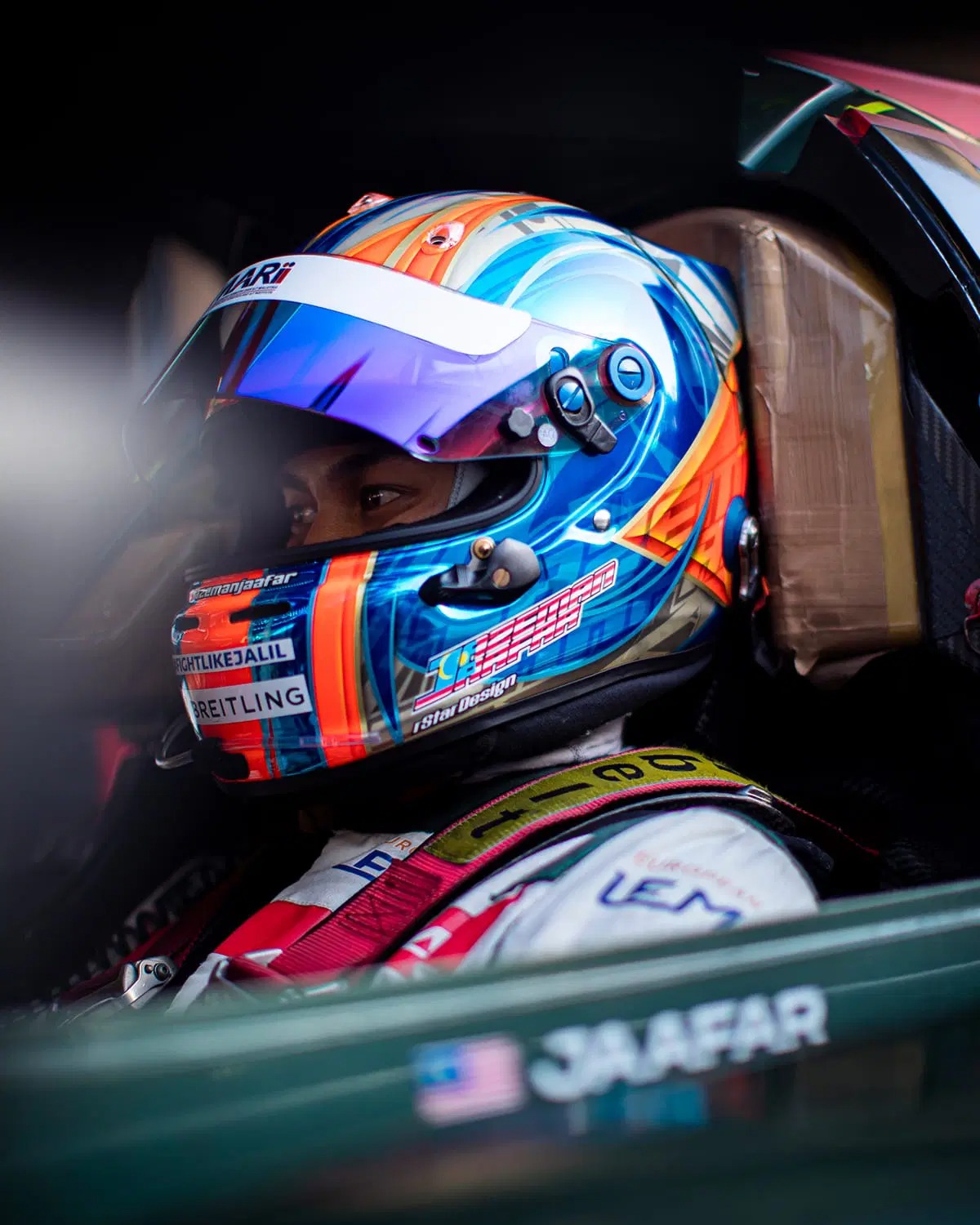
That exposure matters because top-level racing is an education in systems. A driver may be the person visible in the car, but performance is constructed by engineers, mechanics, strategists, data specialists, and operations teams. Jaafar’s later experience in GT and endurance racing, including Le Mans, reinforced that lesson over longer and more complex race formats.
The career after the career
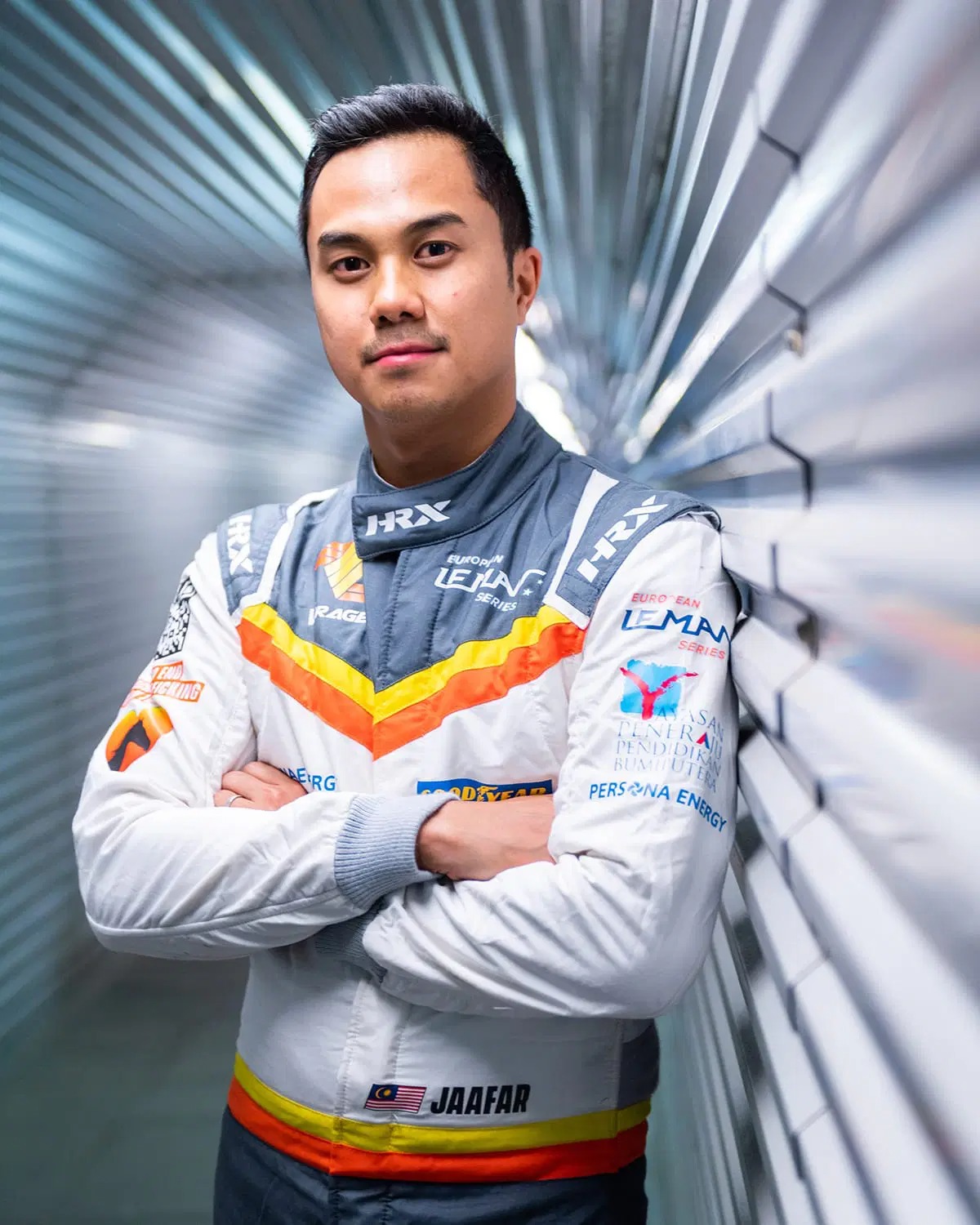
The transition out of full-time driving is difficult for many professional athletes because identity and expertise have been built around an intensely specific role. Jaafar has approached the shift by treating his racing experience as a transferable asset. His work has expanded into development and governance within motorsport, including roles connected with the FIA and Malaysian racing institutions.
More importantly, he has invested in technical education. His Technology Transfer Apprenticeship Programme was created to give engineering talent practical exposure to the pace, standards and problem-solving culture of professional motorsport. Jaafar has described the idea as a bridge between local engineering potential and the specialised environment required to compete internationally.
Why engineering talent is the real multiplier
A racing ecosystem cannot be sustained by producing drivers alone. Cars are increasingly complex, data-led machines that demand expertise in electronics, software, materials, simulation, aerodynamics and performance engineering. Countries that want a durable place in motorsport need technical depth as much as sporting ambition.
That is why apprenticeship has strategic value. The classroom can teach principles, but the paddock teaches speed of execution, accountability and the discipline of making decisions with imperfect information. Those capabilities travel well beyond racing into automotive engineering, advanced manufacturing and high-performance technology.
Influence measured by what remains
Jaafar’s own career carries the credibility required to make that message persuasive. He has lived the European development ladder, worked within elite teams, and raced across formats where small technical advantages determine outcomes. The next phase is less about extending a personal résumé and more about making that experience reproducible for others.
For Simply Luxury, this is where his story becomes particularly relevant. Modern influence is not just visibility; it is the ability to convert access, expertise, and reputation into infrastructure that outlasts the individual. Jaafar’s most valuable race may therefore be the one he is now running away from the timing screen: building a deeper pool of talent capable of carrying Malaysian motorsport forward.