
FRÉDÉRIC ARNAULT MAKES SCARCITY THE CENTRE OF LORO PIANA’S NEXT CHAPTER
Loro Piana’s chief executive is resisting the temptation to chase volume, placing product scarcity, measured pricing and deeper control of Italian knitwear production at the heart of the maison’s growth.
AI-assisted voice playback. Starts only when you choose Play.
The most interesting luxury strategy is often the decision not to sell more. In a new Financial Times interview published on 15 September, Loro Piana chief executive Frédéric Arnault set out an approach built around protecting desirability, strengthening the maison’s productive base and refusing the easy arithmetic of volume.
The clearest example is the White Sole loafer. Demand exists for Loro Piana to place many more pairs into the market, but Arnault’s position is that availability must remain controlled. In luxury, scarcity is not merely a marketing device; it is part of the relationship between craftsmanship, time and the client’s sense that an object remains special.
Growth without dilution
The strategy arrives at a delicate point for the sector. Luxury groups are attempting to balance softer demand with the expectations created during the post-pandemic boom, when price increases and rapid expansion delivered exceptional growth. Loro Piana’s answer is to resist over-distribution and abrupt pricing, even when a popular product could generate more immediate revenue.
According to figures reported by the Financial Times, the business recorded 2025 revenue growth of 7.5 per cent to €1.72 billion, while profit rose 12 per cent to €434 million. Those numbers give the maison room to think in years rather than quarters. They also strengthen the argument that disciplined availability can support both financial performance and brand equity.
Arnault’s emphasis is not on making Loro Piana inaccessible for its own sake. It is on ensuring that growth does not outrun the systems that make the product credible: access to exceptional fibres, specialist skills, supplier oversight and the controlled rhythm of Italian manufacturing.
A new centre for knitwear in Piedmont
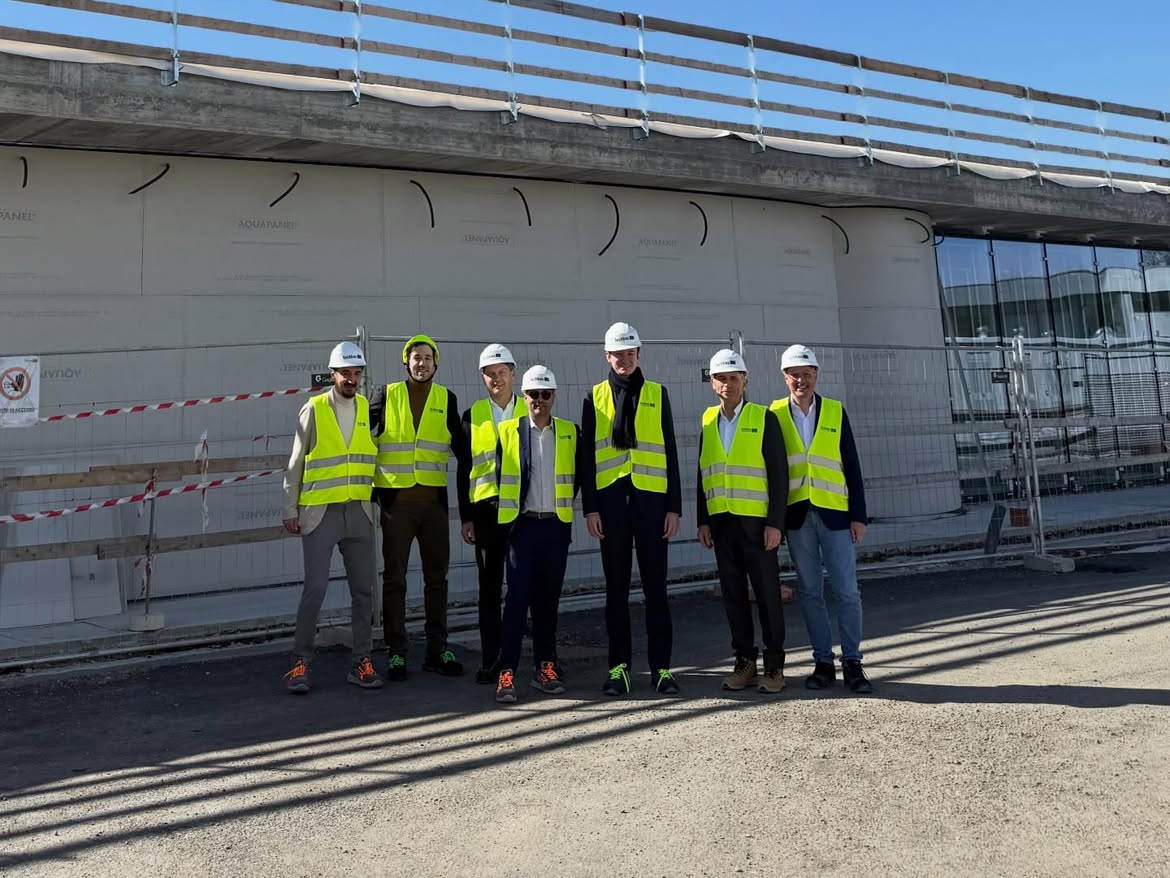
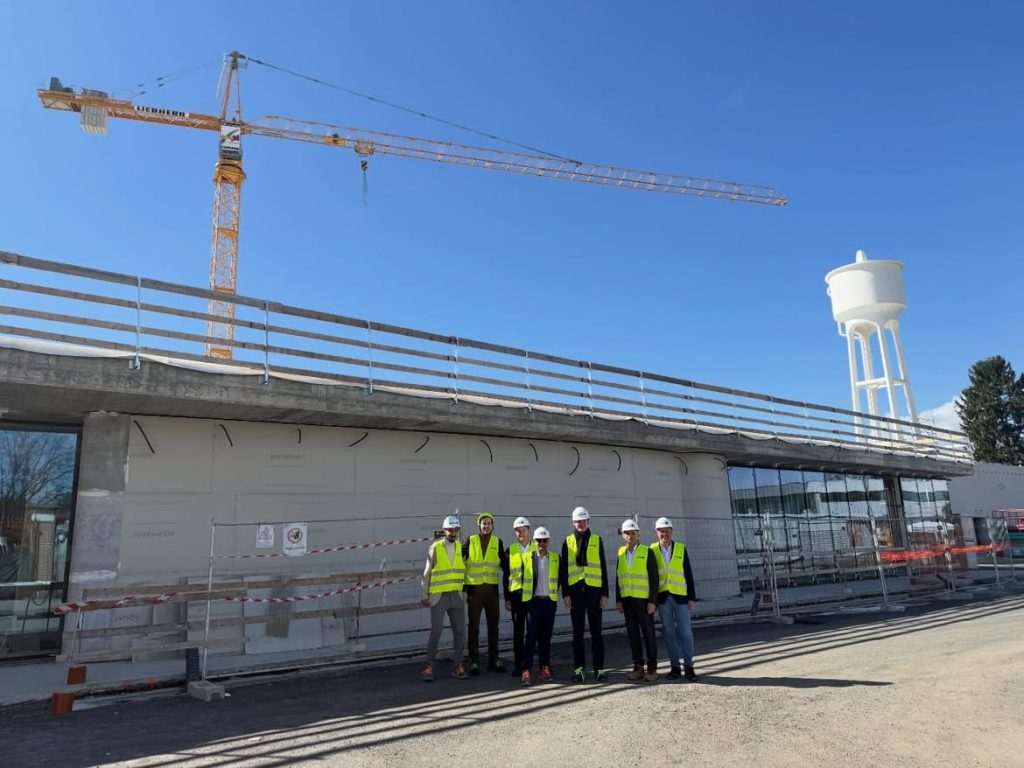
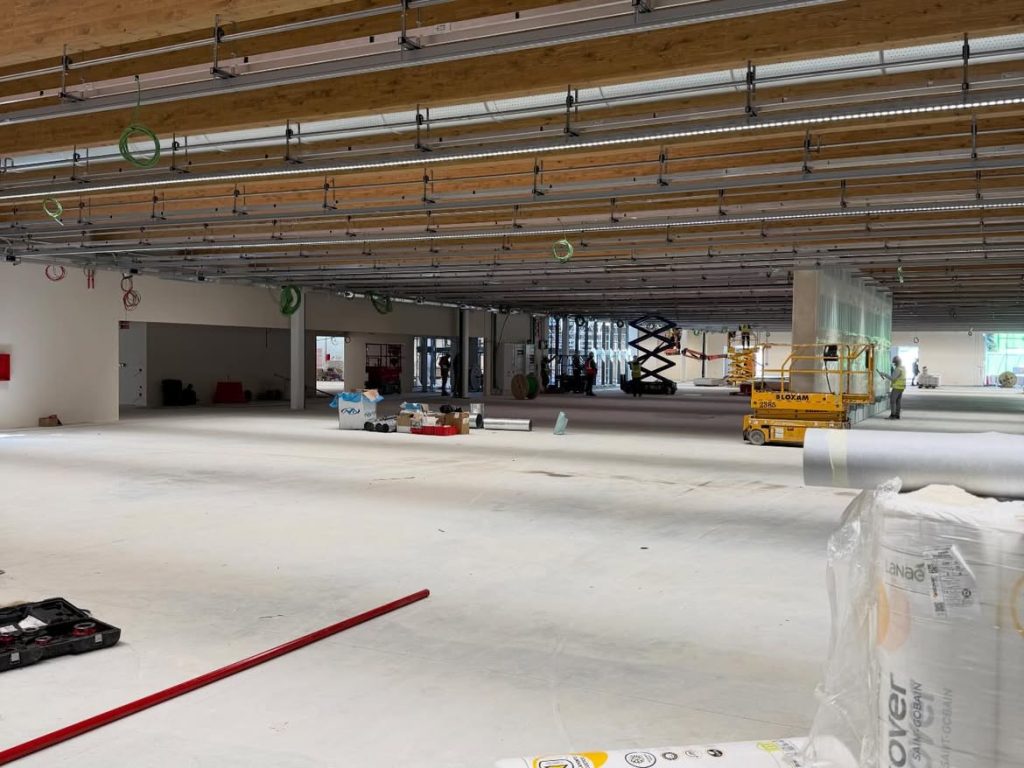
That philosophy is becoming physical at Ghemme in Piedmont, where Loro Piana has announced a new campus and factory dedicated to knitwear. The investment extends a production culture rooted in northern Italy and gives the maison greater capacity to protect knowledge as much as output. A factory of excellence is not simply a place where more garments can be made; it is where techniques are taught, standards are defended, and material innovation can be translated into repeatable craft.
The Ghemme project also matters because modern luxury clients are asking harder questions about provenance. A brand built on cashmere, vicuña and advanced textile research must be able to explain not only where its fibres begin, but how they become finished objects. Closer control over production can support that transparency while reducing the distance between creative ambition and technical execution.
The value of restraint
Frédéric Arnault arrived at Loro Piana after leading TAG Heuer and overseeing LVMH’s watch division. At 30, he carries both the opportunities and scrutiny attached to the Arnault name. Yet the strategy described in the FT is notable for its lack of theatrical disruption. The priority is not to recast Loro Piana as something louder; it is to make its existing qualities more defensible.
That means protecting icons such as the White Sole, investing in the industrial foundations behind knitwear, and avoiding the price-led growth that can alienate long-standing clients. It also means recognising that discretion only works when the underlying object is exceptional. Quiet luxury became an overused phrase because it was applied to an aesthetic. Loro Piana’s more credible proposition is operational: less noise, fewer shortcuts and a closer connection between material, maker and customer.
For the wider luxury market, the message is timely. Exclusivity cannot be maintained through communication alone. It has to be designed into supply, distribution and production. By making scarcity a deliberate choice rather than a temporary shortage, Loro Piana is betting that restraint will remain one of luxury’s most valuable forms of confidence.