
Panerai’s Recalibration: The 42mm Luminor Returns to Proportionate Elegance
AI-assisted voice playback. Starts only when you choose Play.
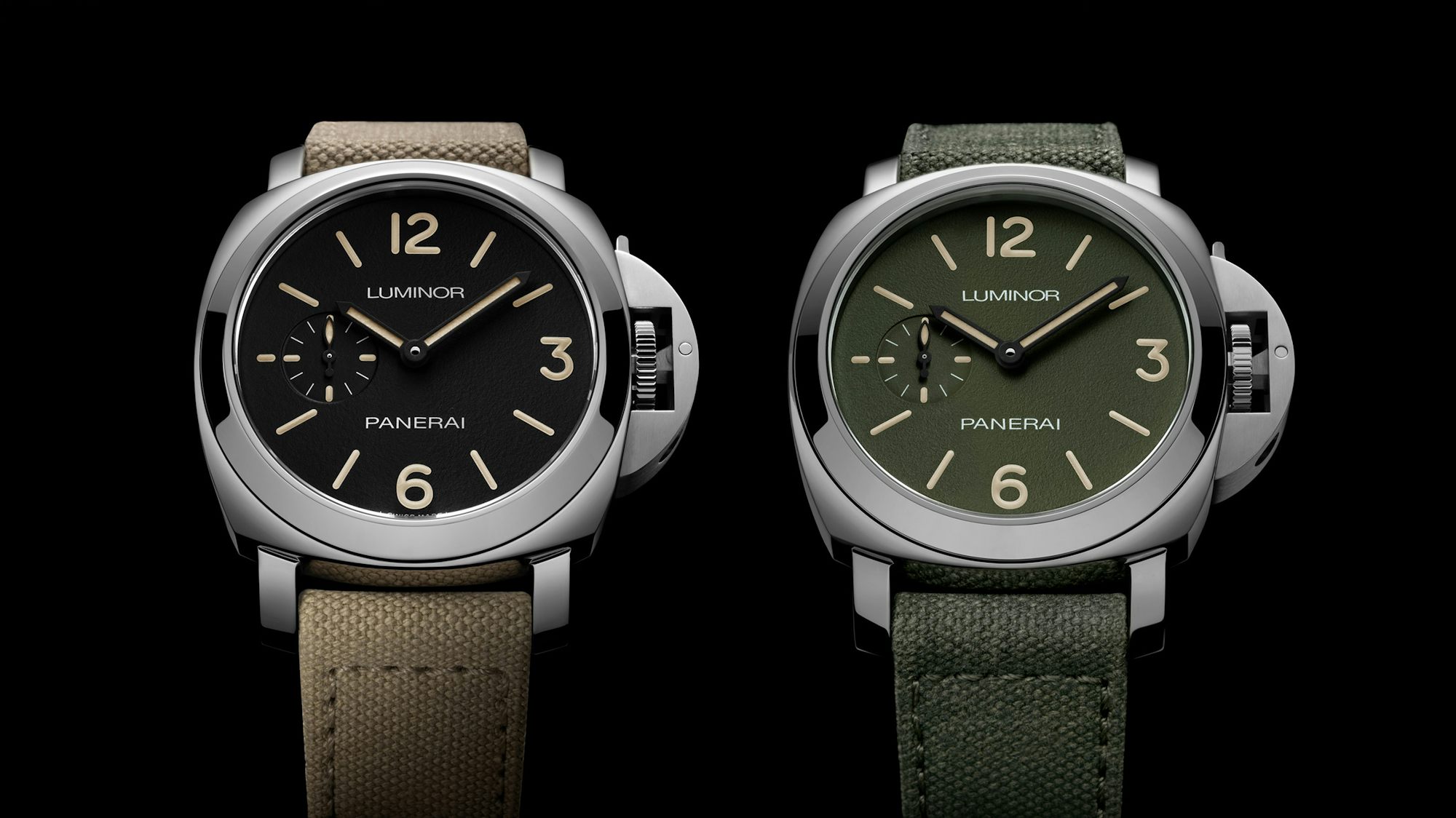
For nearly two decades, Panerai occupied a particular niche in horological culture: the brand synonymous with substantial wrists and assertive proportions. The Luminor, born from the manufacture's military diving heritage, became a canvas for ever-expanding dimensions—a visual statement as much as a functional instrument.
Yet market expectations have shifted. The appetite for oversized sports watches, once insatiable, has given way to a more nuanced appreciation for proportionality. Panerai's latest offering acknowledges this evolution without abandoning the aesthetic vocabulary that defines the house.

The Case for Restraint
The newly introduced 42mm Luminor collection represents a thoughtful reconsideration of scale. At this dimension, the case achieves equilibrium—substantial enough to convey the watch's instrumental purpose, yet refined enough for wearers seeking sophistication without architectural presence on the wrist.
The 42mm specification carries particular significance for Panerai's lineage. It echoes the proportions favoured during the manufacture's pre-Vendôme era, a period when the house produced instruments for Italian military diving units before its acquisition by the Richemont group. This historical calibration lends the new collection an authentic connection to Panerai's operational roots, rather than representing merely a commercial concession to contemporary tastes.
The decision reflects a calculated strategy: accessibility without dilution. Collectors who found earlier Luminor iterations excessive now encounter an option that preserves design integrity whilst accommodating a broader range of wrist geometries. This demographic expansion matters considerably in a segment where brand loyalty often depends on the watch's practical integration into daily wear.

Heritage Reinterpreted
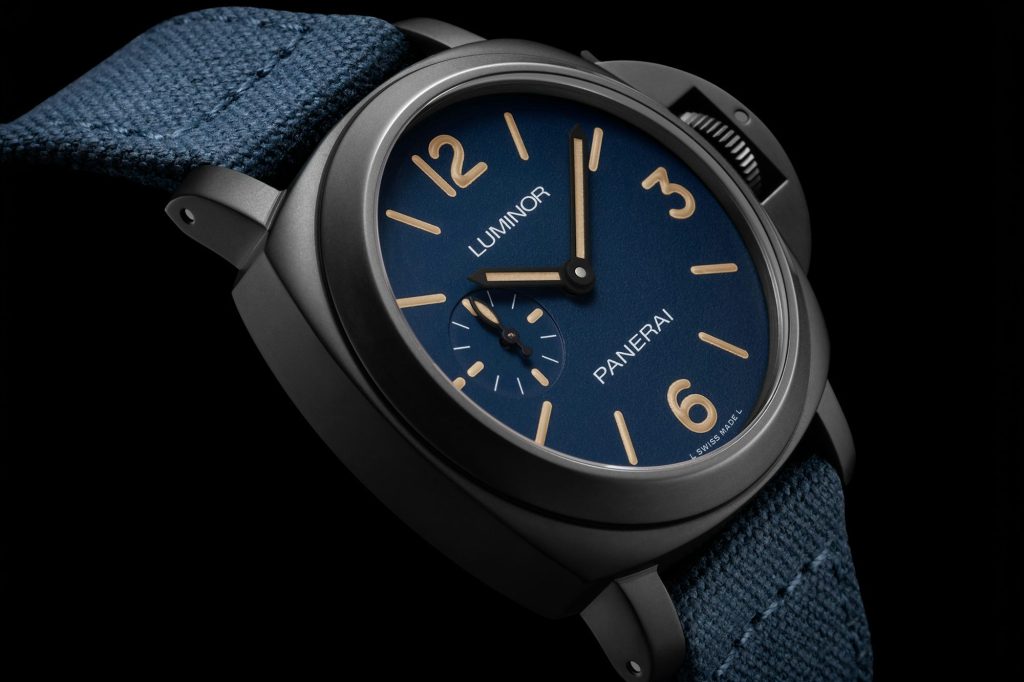
The 42mm Luminor maintains the signature design language that established Panerai's visual identity: the distinctive crown guard, the sandwich dial construction revealing lume-filled indices, and the polished case finishing characteristic of pre-Vendôme specifications. These elements remain uncompromised, suggesting that the size reduction stems from strategic restraint rather than cost-cutting.
Three distinct versions compose this collection, each interpreting the foundational Luminor concept through different material and dial treatments. This breadth acknowledges that 'smaller' need not mean 'simplified'—a sophisticated approach to product stratification that respects buyers at various price thresholds.
The pre-Vendôme design language holds particular resonance among horological enthusiasts. That era, before corporate consolidation, represented Panerai as an artisanal manufacture calibrating instruments for genuine professional use. Reviving this aesthetic through the 42mm format reconnects contemporary buyers with that utilitarian authenticity, a positioning far more compelling than mere nostalgia.
Repositioning Within the Market
Panerai has long occupied an ambiguous position relative to its Swiss contemporaries. The house commands respect for mechanical excellence and design authenticity, yet remained somewhat isolated by the brand's commitment to larger proportions and elevated pricing. This isolation intensified as competitor manufacturers—Tudor particularly—demonstrated that robust mechanical watches could reach collectors at more democratic price points.
The 42mm introduction, paired with reportedly refined pricing, addresses this structural disadvantage directly. By reducing both case dimension and cost, Panerai expands its addressable market without requiring existing collectors to recalibrate their perception of the brand. A wearer accustomed to 44mm Luminors may acquire this smaller variant as an alternative instrument; a prospect previously deterred by proportionality and price now possesses entry point.
This recalibration suggests Panerai's leadership recognises that dominance in contemporary watchmaking requires flexibility. The brand can maintain its identity whilst acknowledging that contemporary wearers often prefer subtlety to assertion—a principle that defines luxury's current evolution across most categories.
Technical Continuity
One essential question accompanies any reduced-size reissue: does the watch retain functional credibility? The 42mm Luminor maintains the sandwich dial, proven reliability mechanisms, and material integrity expected of Panerai instruments. This consistency reassures collectors that the size reduction represents thoughtful design refinement rather than capability compromise.
The three-variant approach permits differentiation without fragmenting brand identity. Whether through material selection, dial finishing, or movement specification, each example addresses distinct collector preferences whilst remaining unmistakably Panerai. This diversity within coherence exemplifies sophisticated product management.
The 42mm Luminor launch articulates a maturation within Panerai's corporate strategy. Rather than pursuing volume through design dilution or capitulating entirely to contemporary minimalism, the house has recalibrated proportions and pricing whilst preserving the aesthetic and mechanical integrity that established its reputation.
For collectors, this represents genuine optionality—the opportunity to acquire authentic Panerai instruments calibrated to individual wrist geometry and financial considerations. For the manufacture itself, the expansion signals confidence that heritage, when properly presented, requires no apology regardless of dimensions. In luxury horology, such restraint frequently proves the most persuasive argument.
Imagery is used for editorial purposes. All rights remain with the respective owners, photographers and licensors.