
LOEWE Autumn-Winter 2026: A Study in Tactile Richness
AI-assisted voice playback. Starts only when you choose Play.
LOEWE has long occupied a singular position within luxury fashion—a house where material mastery and conceptual restraint exist in deliberate equilibrium. The Autumn-Winter 2026 collection crystallises this philosophy through an unflinching commitment to surface texture as a primary vehicle for creative expression.
Rather than pursuing novelty through silhouette or statement, the Spanish brand has elected to foreground the tactile dimension of garment construction. This approach reflects a broader sensibility within contemporary luxury: the understanding that true sophistication often reveals itself through intimate detail rather than proclamatory gesture.
Texture as Narrative
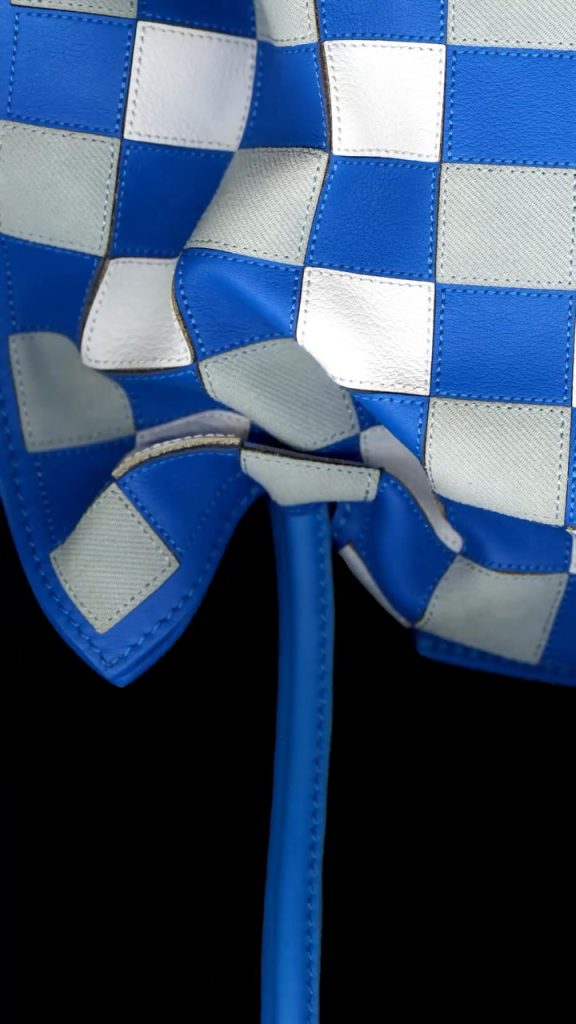
The collection's thematic core rests upon a deceptively simple premise—that the surface quality of fabric and material can convey emotional and aesthetic intention with the same weight as cut or colour. LOEWE's design team has approached this through deliberate exploitation of dimensional surfaces: layered knits, sculptural weaving techniques, and treatments that encourage light to animate the garment's surface rather than pass across it neutrally.
This represents a recalibration of how luxury houses communicate value. Where mid-market fashion relies upon conspicuous branding or trend-responsive silhouettes, LOEWE has opted for an approach that demands closer looking—one that rewards the wearer's intimate knowledge of their own clothes, and offers subtle visual variation across different viewing distances and lighting conditions.
Material Exploration and Craft
The Spanish house's relationship with material innovation is well-established, yet the autumn-winter iteration suggests a heightened focus on process visibility. Textural variety across the collection appears achieved through technical precision rather than applied decoration: surfaces that reveal the inherent characteristics of their base fibres through strategic construction, rather than surface ornamentation.
This methodology aligns with evolving luxury consumer expectations around craftsmanship transparency. Contemporary high-end purchasers increasingly value evidence of skill and intentional production methodology—the visible traces of human decision-making within garment creation. LOEWE's textural vocabulary accommodates this demand whilst maintaining the brand's signature aesthetic restraint.
Seasonal Coherence
The autumn-winter season's colour palette—typically dominated by neutral and deep tones—provides an ideal canvas for textural differentiation. Where seasonal collections might risk visual monotony through restricted chromatic range, dimensional surface treatment sustains visual interest and communicates design sophistication. Each garment functions as an independent study in material possibility, yet the collection maintains unified conceptual coherence.
This approach proves particularly suited to LOEWE's established customer base: individuals with developed aesthetic sensibilities who view wardrobe acquisition as long-term investment rather than seasonal novelty consumption. The collection's emphasis on enduring material quality and subtle visual complexity supports this value proposition.
LOEWE's Autumn-Winter 2026 collection exemplifies how established luxury houses navigate contemporary market expectations: through deepened focus on foundational craft rather than stylistic excess. By positioning texture as the collection's primary creative language, the brand affirms its commitment to material intelligence and restrained luxury—principles that transcend seasonal trend cycles and maintain relevance across global luxury markets.
Imagery is used for editorial purposes. All rights remain with the respective owners, photographers and licensors.
Imagery courtesy of LOEWE (@loewe).