
The Rattrapante: A. Lange & Söhne’s Mastery of Fractional Time
AI-assisted voice playback. Starts only when you choose Play.
Measuring fractions of a second has long been the ultimate test of a chronograph maker's craft. The rattrapante—or split-seconds—mechanism stands among the most elaborate complications in mechanical watchmaking, requiring intricate control systems that function independently whilst remaining visually unified on a single dial.
A. Lange & Söhne, the Saxon manufactory renowned for uncompromising technical rigour, has spent decades refining this discipline. The house's approach to the rattrapante tells a story of mechanical ingenuity pushed deliberately forward, each iteration adding layers of complexity that few watchmakers dare pursue.
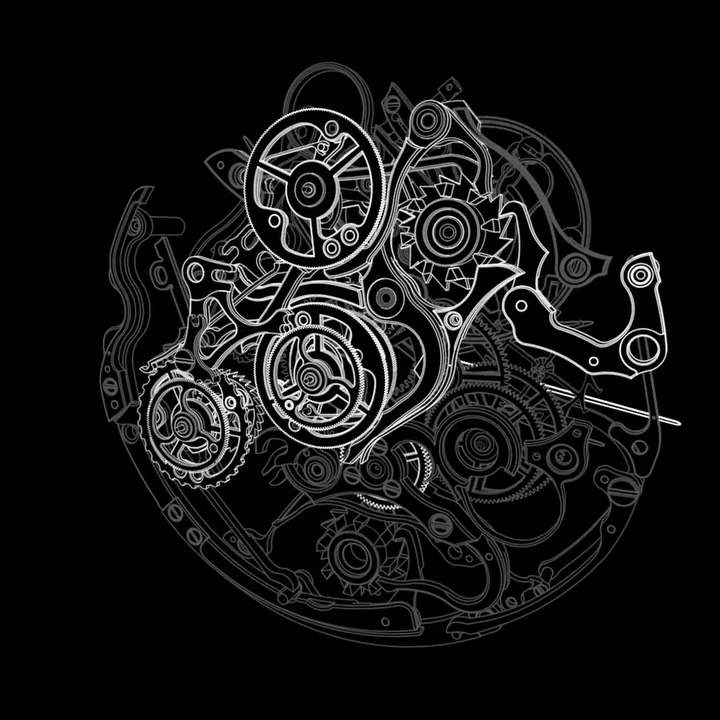
Understanding the Classical Split-Seconds Mechanism
At its core, the classical split-seconds chronograph employs two superposed seconds hands—both operating on the same axis but capable of independent action. This dual arrangement allows the wearer to isolate intermediate timings within a single 60-second window, without pausing the primary measurement. The mechanism can therefore record lap times or serial intervals with uninterrupted precision.
This capability transformed chronographs from simple timing instruments into tools for motorsport engineers, aviators and competitive athletes. Yet the mechanical burden is considerable: controlling two hands with separate clutches, levers and escapement logic demands extraordinary accuracy in finishing and assembly.
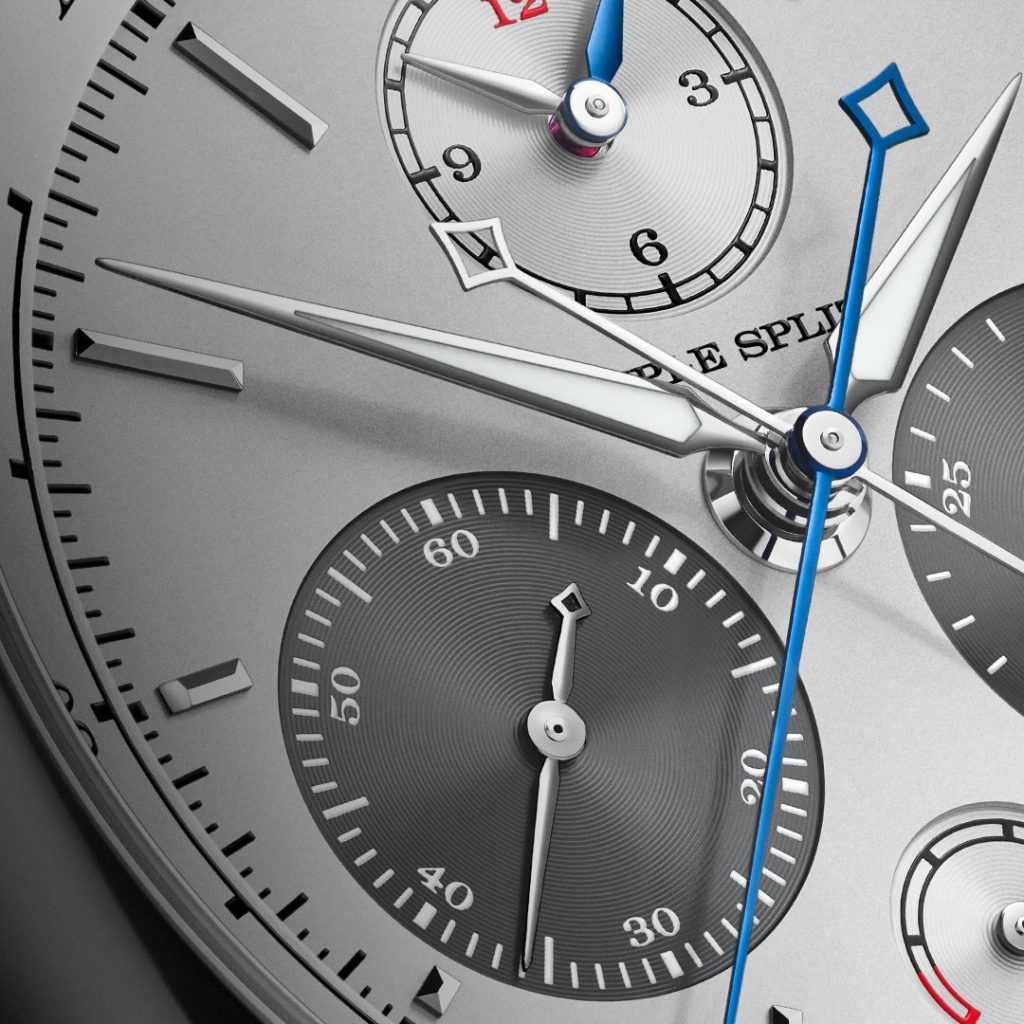
The Double Split: Minutes Enter the Equation
In 2004, A. Lange & Söhne introduced the Double Split, introducing an additional rattrapante minute counter alongside the established split-seconds hand. This evolution expanded the measurement window to 60 minutes, allowing the chronograph to record intermediate times across longer intervals whilst the main counter continued running uninterrupted.
The addition of a third hand—one that could be isolated, stopped and reset independently—demanded novel solutions to an already densely populated dial and movement architecture. The engineering sophistication required to synchronise three independent timing functions simultaneously, without mechanical interference, represented a significant technical milestone.
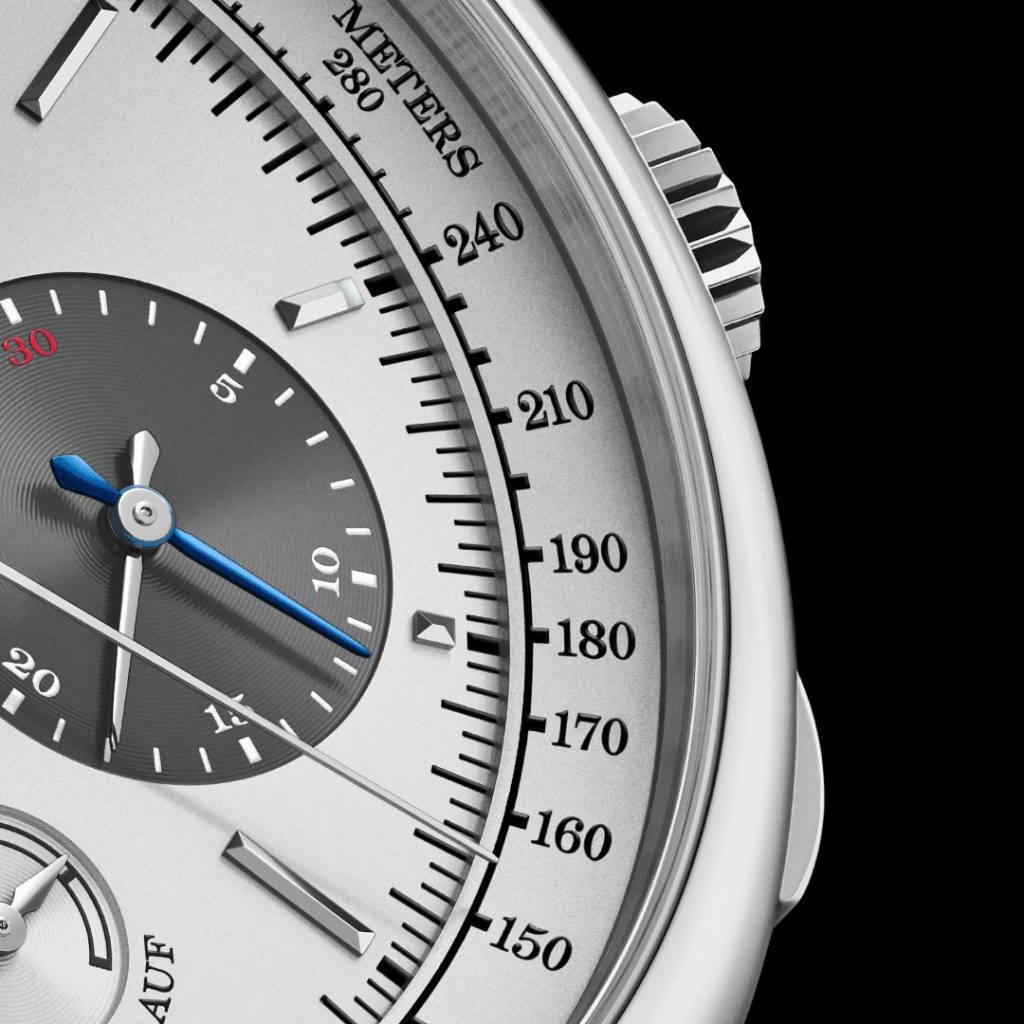
The Triple Split: The Current Pinnacle
The launch of the Triple Split in 2018 marked the apogee of rattrapante evolution as A. Lange & Söhne conceived it. This iteration extends the split-seconds principle across three independent counters—seconds, minutes and hours—each capable of being stopped, read and restarted without interrupting the others.
The three-axis rattrapante system represents mechanical chronography at its most sophisticated. It permits the measurement of intermediate intervals spanning a full 12-hour period, enabling an entirely new class of application in fields ranging from precision motorsport to complex surgical timing. Few manufactures possess the technical foundation, manufacturing discipline and creative vision necessary to realise such complexity in a functional, reproducible timepiece.
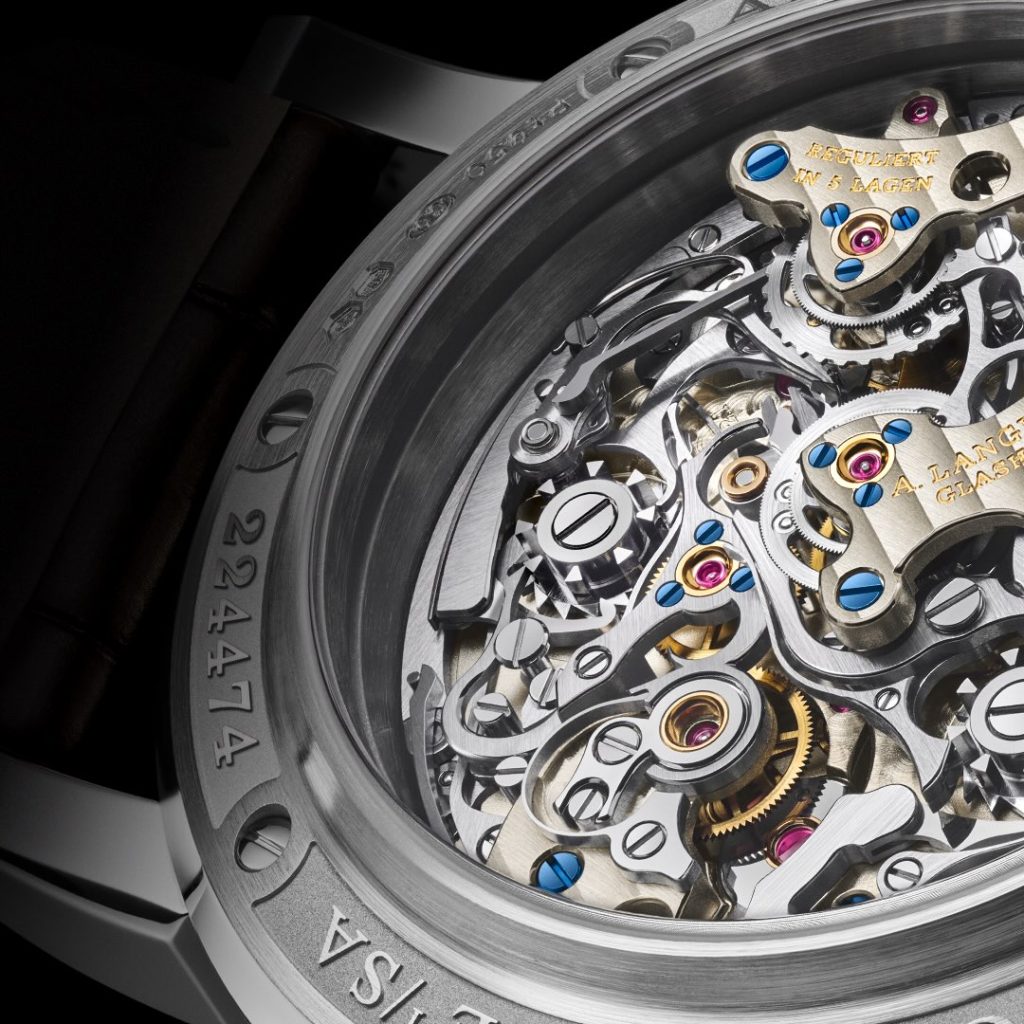
The Craft of Refinement
What distinguishes A. Lange & Söhne's approach is not merely the addition of complications, but the refinement of their execution. Each rattrapante mechanism demands meticulous hand-finishing, careful regulation and rigorous testing to ensure that three independent systems operate without binding, slipping or drift.
The filigreed control mechanics—the cam systems, spring arrays and lever escapements—remain largely hidden beneath the dial, yet they embody the core philosophy that has defined the manufacture since its re-establishment in 1990: that true luxury in horology lies in the integrity of what cannot be seen.
The rattrapante is no longer a historical curiosity in haute horlogerie; it represents a deliberate choice to master one of watchmaking's most demanding technical puzzles. A. Lange & Söhne's progression from classical split-seconds to the Triple Split exemplifies how a single complication can evolve across two decades, each iteration building systematically upon the last.
For collectors and timing professionals alike, these instruments represent not merely the passage of time, but the measurement of its most precious subdivisions.
Imagery is used for editorial purposes. All rights remain with the respective owners, photographers and licensors.
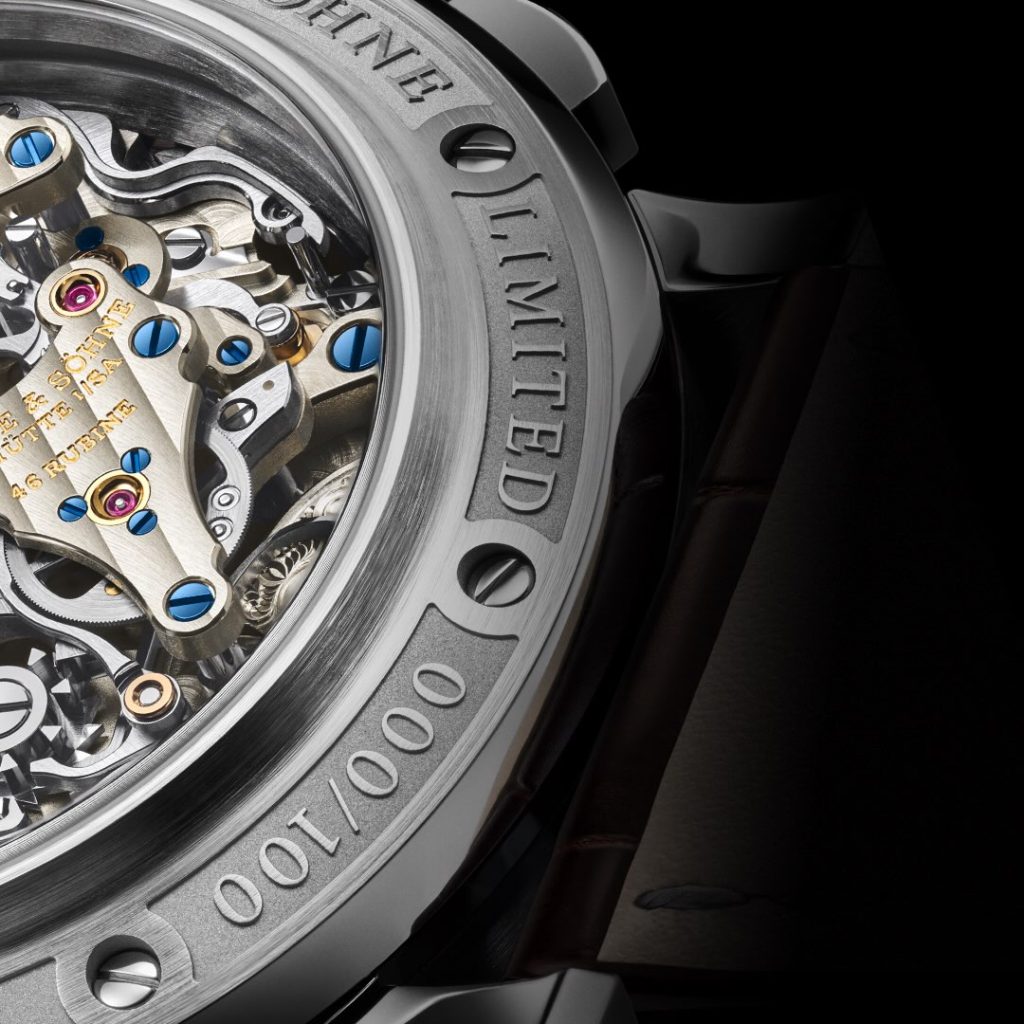
Imagery courtesy of A. Lange & Söhne (@alangesoehne).