
Multiples, Inc.: How Marian Goodman Democratised Contemporary Art Through the Edition
AI-assisted voice playback. Starts only when you choose Play.
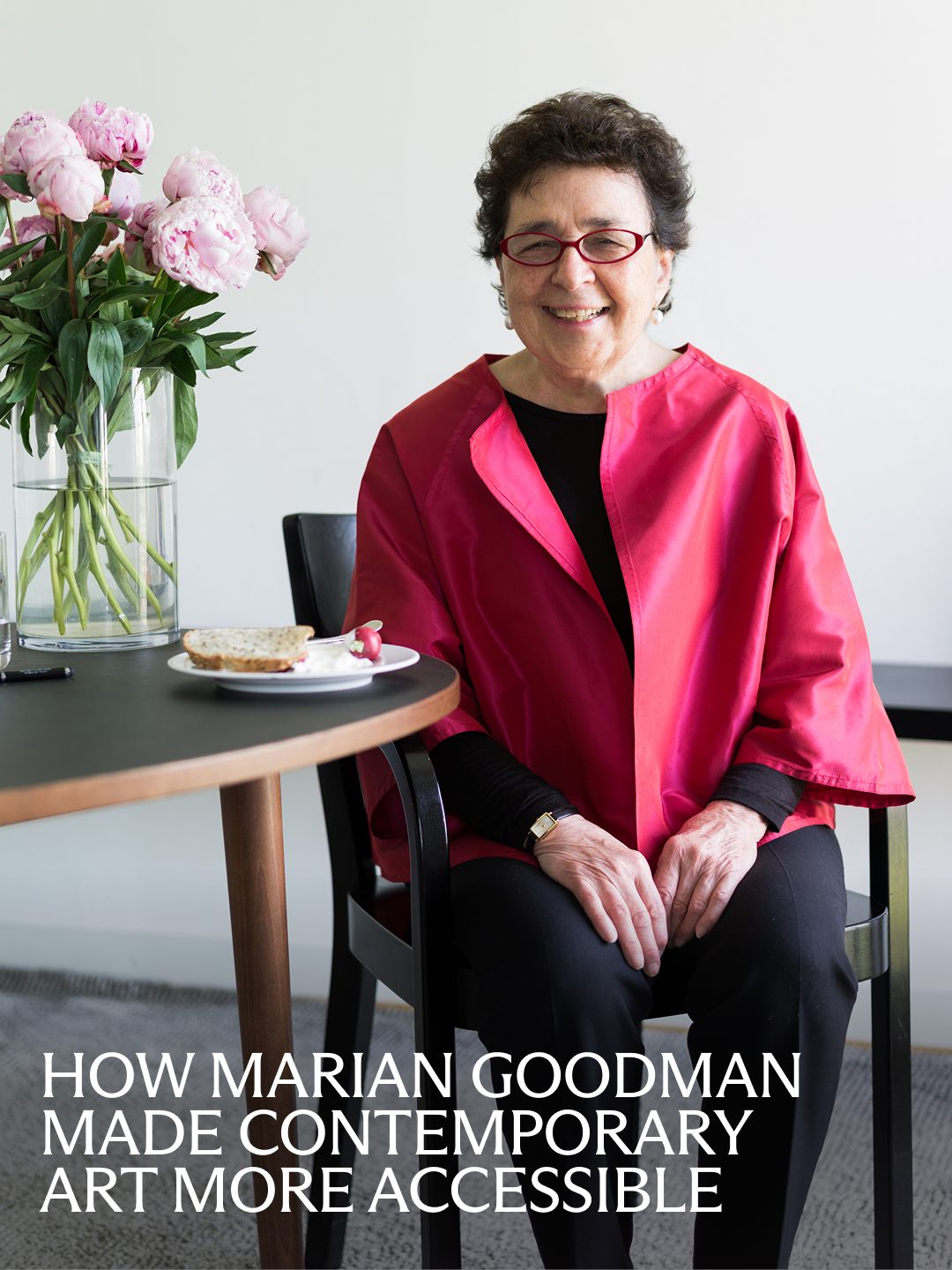
The most transformative cultural enterprises rarely announce themselves with fanfare. Multiples, Inc.—the visionary publishing venture that would reshape how contemporary art circulated among collectors—originated not in a gallery boardroom, but in a community school seeking funds.
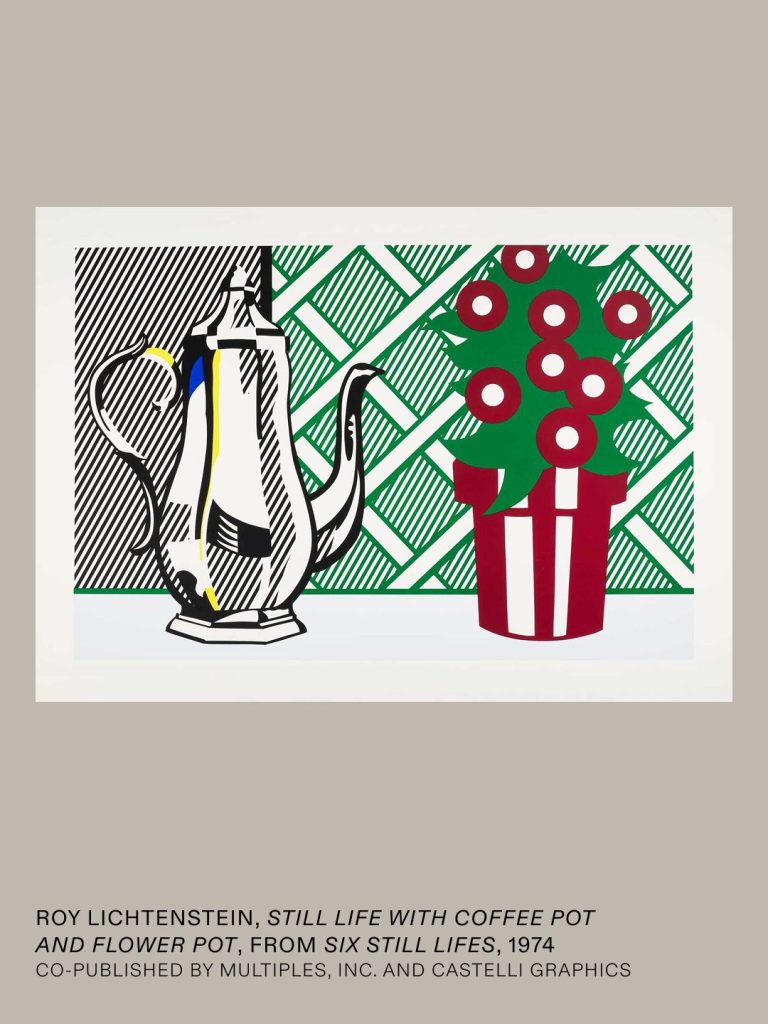
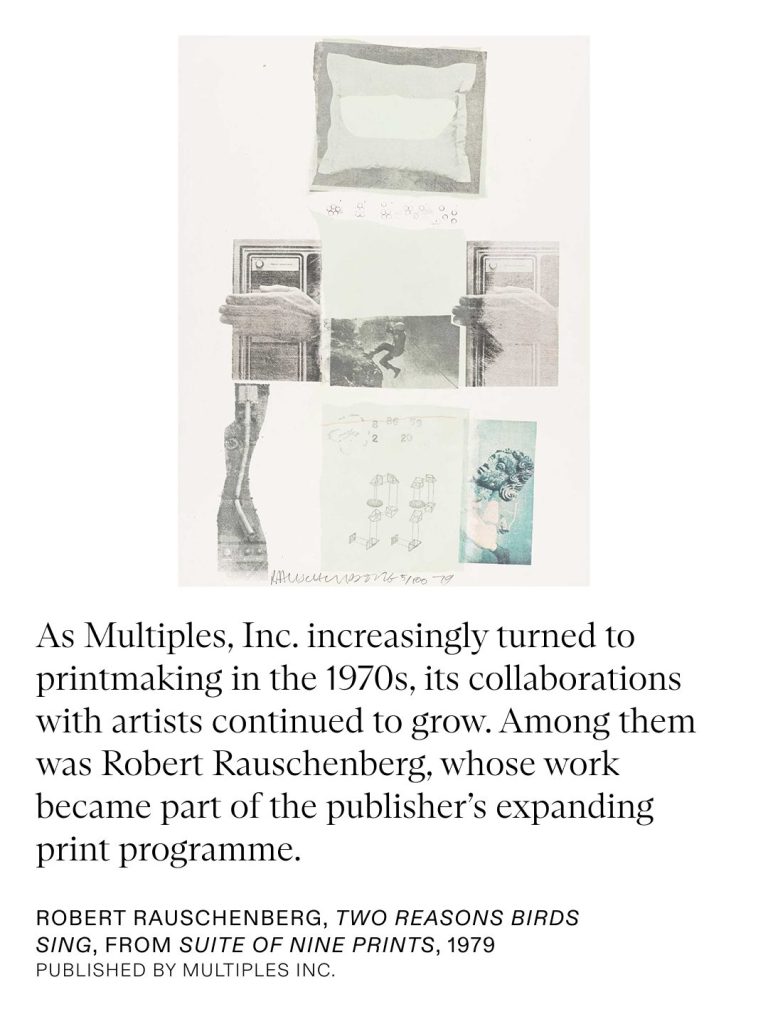
What began as a modest fundraising initiative of artist prints evolved into a cooperative of singular importance. Between its formal establishment in 1965 and its final production run in 1992, Multiples, Inc. became the conduit through which some of the twentieth century's most significant artists—among them Andy Warhol, Robert Rauschenberg, Ed Ruscha and Richard Artschwager—extended their practice into the realm of the edition, creating works that privileged accessibility without compromising artistic intent.
The Philosophy of Plural Access
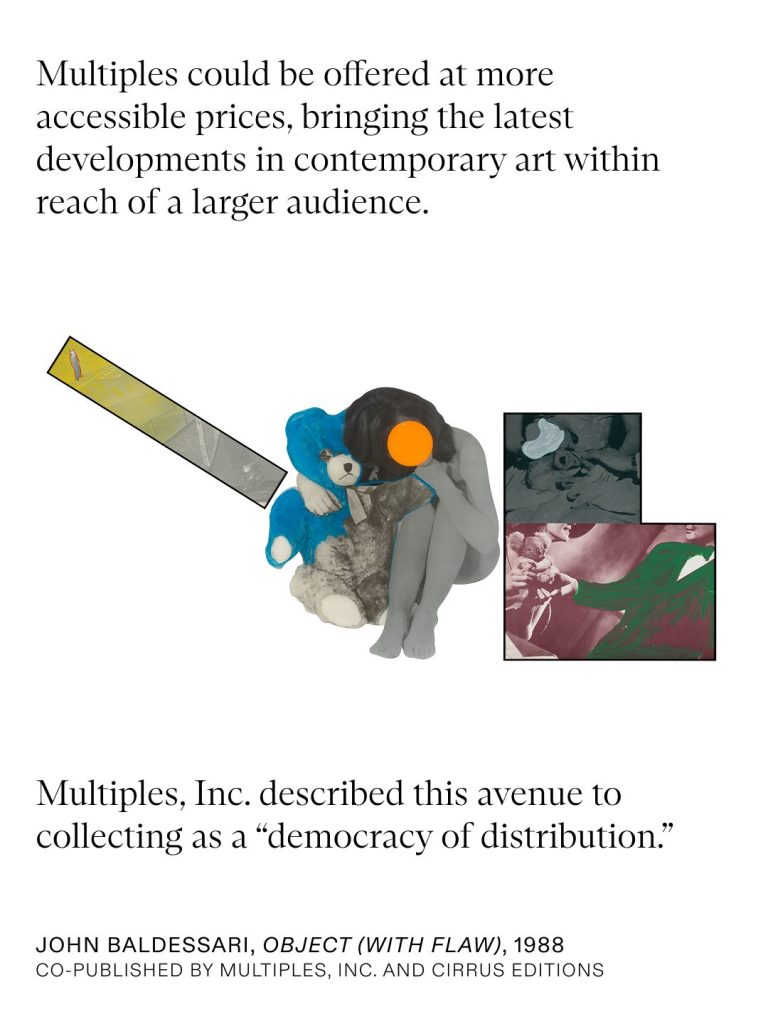
The premise of Multiples, Inc. rested on a elegant conviction: that contemporary art of genuine merit need not remain the preserve of the wealthy few. By producing limited-edition prints, lithographs and objects, the venture democratised ownership of contemporary work whilst maintaining the rigour and conceptual clarity that defined its partner artists' practice.
Over nearly three decades, the enterprise collaborated with more than ninety artists, producing more than eighty objects and eight hundred prints. This remarkable output reflected not mass production in the pejorative sense, but rather a disciplined commitment to stewarding meaningful artistic vision into multiple, affordable iterations. Each edition represented a considered negotiation between artistic ambition and inclusive distribution—a philosophy that would influence how contemporary art publishers and galleries subsequently approached their own programmes.
The Collector's Testament
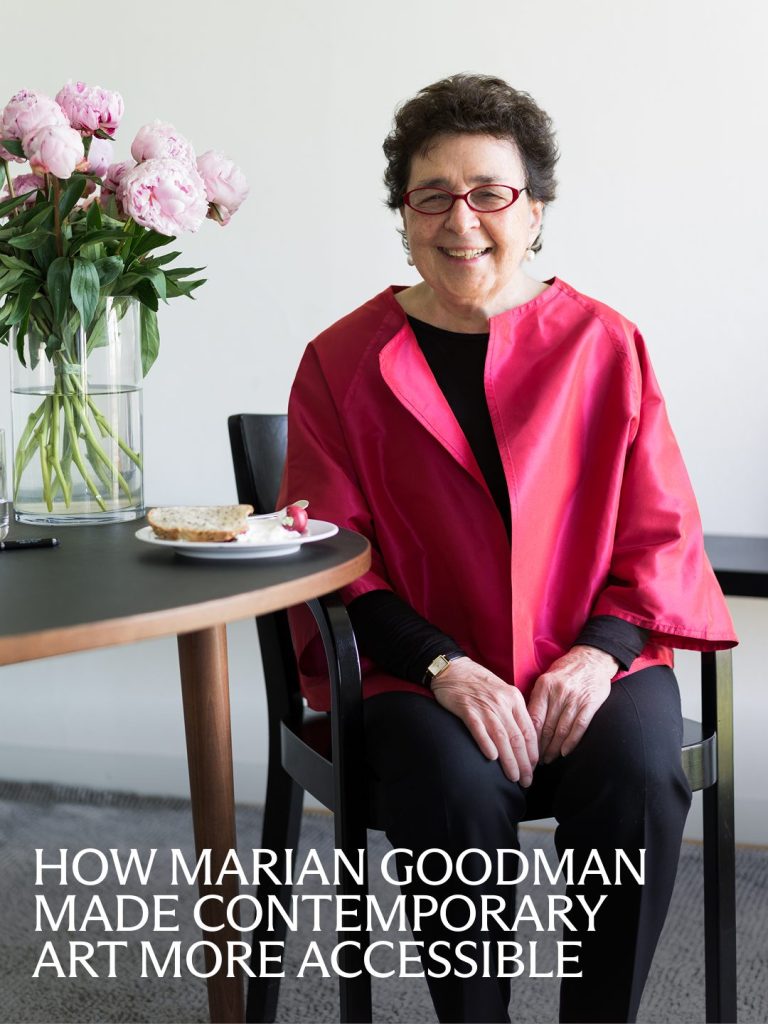
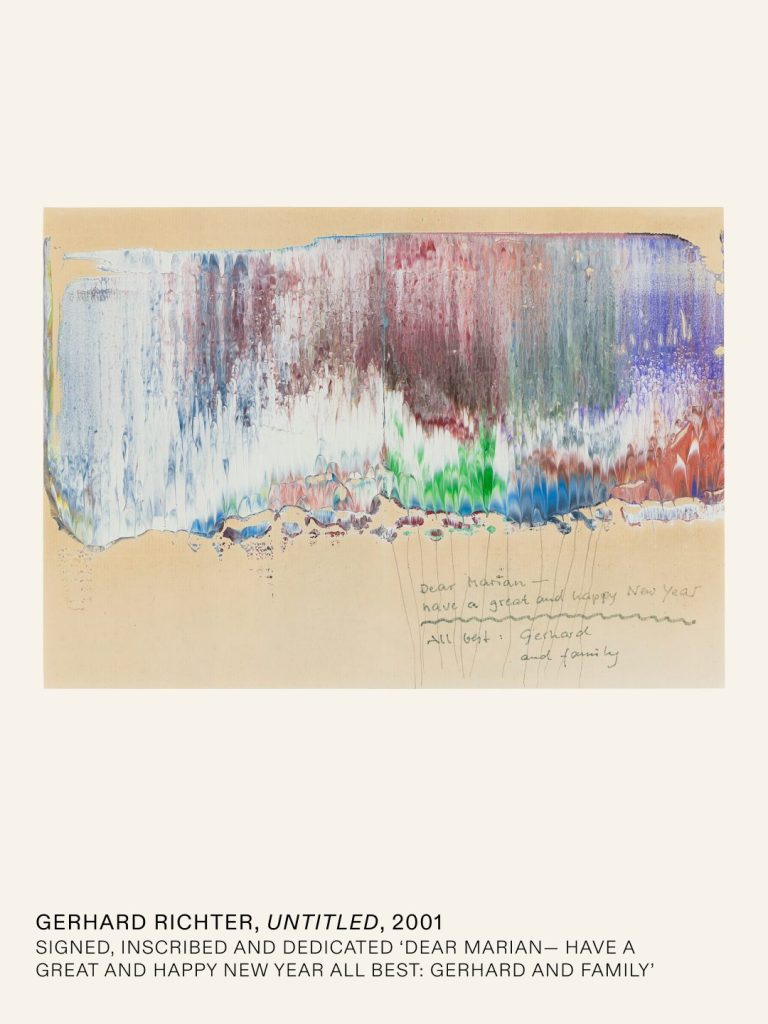
Marian Goodman, the visionary behind Multiples, Inc., assembled a private collection that stands as a living archive of her enterprise's significance. Now, Christie's auction house has undertaken to present portions of this collection to the market, offering contemporary art devotees and institutional collectors alike rare access to the works that shaped post-war artistic circulation.
The current offering, titled 'Breaking Ground: The Private Collection of Marian Goodman Part II,' showcases the depth and breadth of her curatorial eye—a body of work that testifies to three decades spent in intimate collaboration with artists who believed, as she did, that the edition could expand the conversation around contemporary art rather than diminish it.
Legacy and Influence
The closure of Multiples, Inc. in 1992 marked the end of an era, yet its influence persists. Contemporary art publishers, print workshops and galleries continue to operate within the framework of accessibility and rigorous quality that Goodman established. The venture demonstrated that limited editions need not be secondary market offerings, but rather primary artistic statements worthy of serious critical and curatorial attention.
Goodman's institutional legacy—her gallery, which continues to represent living artists of international standing—builds upon the foundational belief that contemporary art thrives when collectors and publics alike can engage with it meaningfully. The forthcoming auction of her private holdings offers a chance to revisit that transformative moment when the edition became not a compromise, but a liberation.
'Breaking Ground: The Private Collection of Marian Goodman Part II' runs online through 2 October, offering a curated window into the collection that documents a singular commitment to advancing contemporary art's reach. For collectors and institutions alike, it represents more than an acquisition opportunity: it is an encounter with the philosophical underpinning of how contemporary art circulates, and a tribute to the woman who proved that democracy and artistic integrity need not be at odds.
Imagery is used for editorial purposes. All rights remain with the respective owners, photographers and licensors.
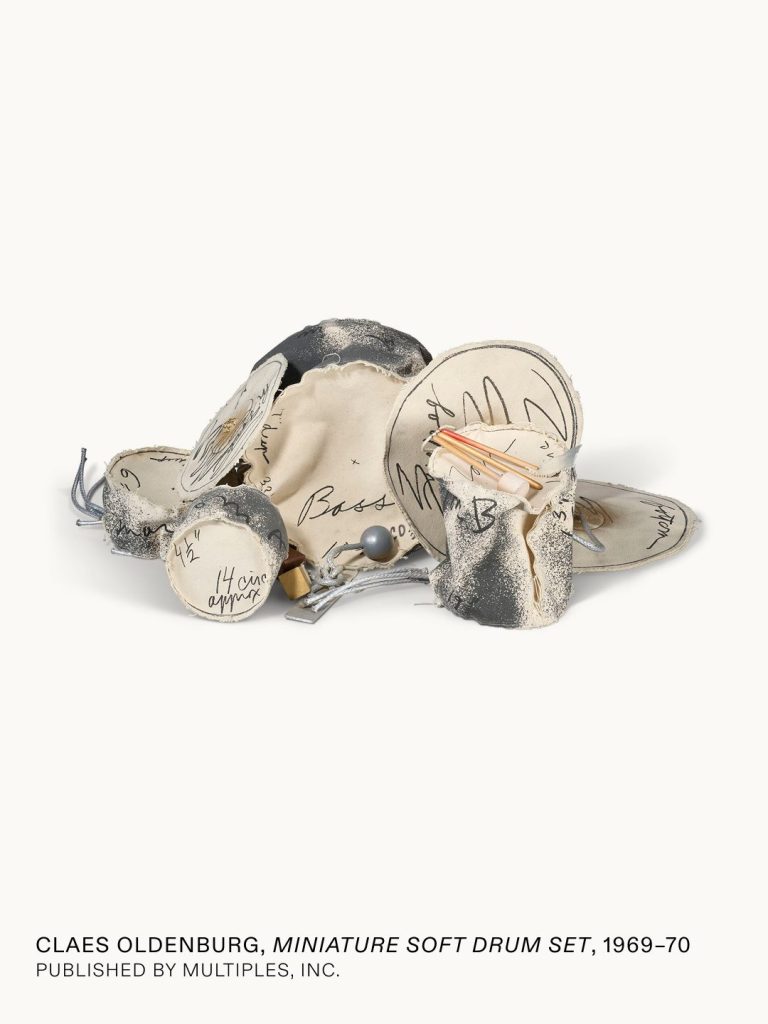
Imagery courtesy of Christie's (@christiesinc).