
Jaeger-LeCoultre’s Reverso Tribute Enamel Turner Series: Where Mechanical Precision Meets Painterly Vision
AI-assisted voice playback. Starts only when you choose Play.

Few timepieces command the respect of a Reverso. Since its 1931 debut as a sports watch for polo players, Jaeger-LeCoultre's iconic reversible case has become shorthand for horological innovation married to Art Deco elegance. Now, the Swiss manufacture has deepened that legacy with the Reverso Tribute Enamel Turner Series—a collection that elevates the interplay between two of watchmaking's most demanding disciplines: mechanical guillochage and fine enamel work.
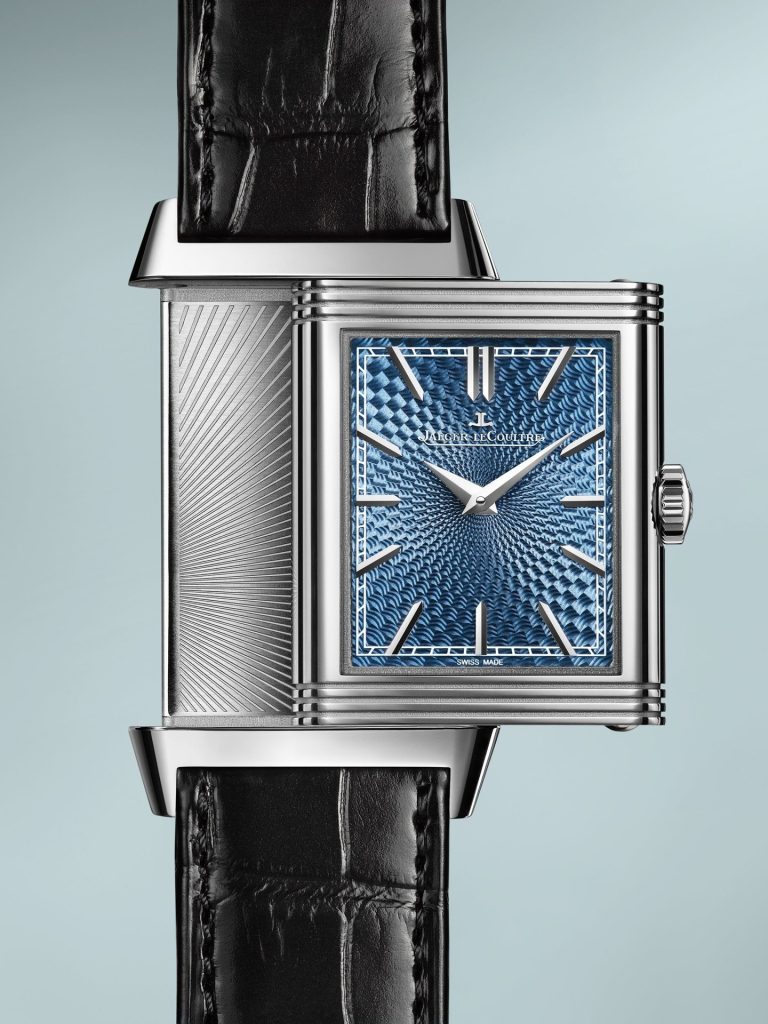
The collection represents a disciplined exploration of craft. Each timepiece pairs a meticulously engraved dial with a translucent Grand Feu enamel layer, the colours responding directly to miniature paintings adorning each watch's caseback. It is a reversal of conventional design hierarchy: the narrative does not live solely on the dial facing outward, but lives equally on the back of the case, visible only to the wearer and those intimate enough to ask.

The Architecture of Guillochage
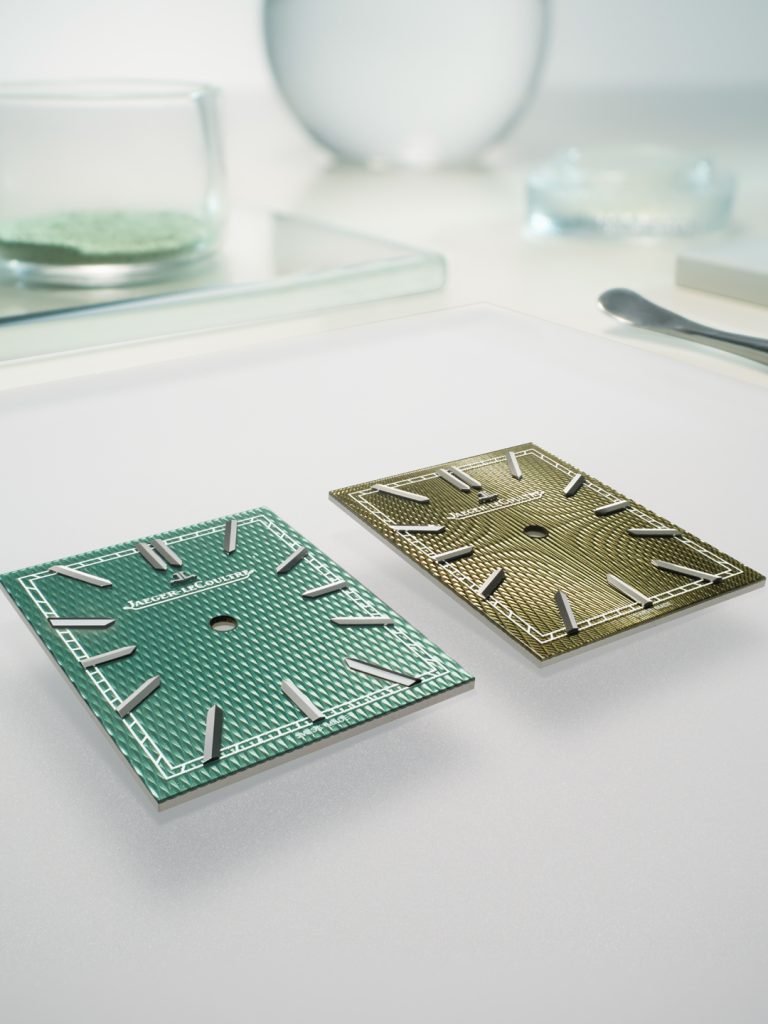
Guillochage—the art of engraving precise, repeating geometric patterns into metal—belongs to a vanishing world of mechanical craft. At Jaeger-LeCoultre's Manufacture-Atelier in the Vallée de Joux, artisans employ manually operated rose-engine lathes to cut these patterns into the dial surface. The process is neither automated nor formulaic. Each stroke requires steady hands, deep concentration, and decades of accumulated knowledge.
The patterns captured by the guillochage possess a dormant quality until light strikes them. As the wearer moves, as the wrist turns, these engraved surfaces capture and redirect light in a perpetual, subtle animation. It is a form of kinetic ornamentation—the dial becomes less a static display and more an active participant in the experience of wearing the watch.
Enamel as Dialogue Partner
Grand Feu enamel—fired at high temperatures in a kiln—represents one of horology's most unforgiving mediums. The process demands absolute precision: a slight variation in heat, timing, or composition can result in crazing, discolouration, or complete failure. Applied as a translucent layer atop the guilloché pattern, the enamel does not obscure the engraved geometry; instead, it illuminates it, allowing the underlying patterns to shimmer through a veil of colour.
In the Turner Series, the enamel colours are not arbitrary. They derive from the caseback miniatures—small painted scenes that establish the emotional or aesthetic vocabulary for each dial. This restraint—this refusal to treat the dial and caseback as separate entities—demonstrates a philosophical maturity about holistic design. The watch speaks with a single voice, even when that voice is divided between front and back.
Manufacture Heritage
The decision to design, manufacture, and assemble the entire collection within Jaeger-LeCoultre's own facilities underscores a commitment to transparency and control that has defined the house since its 1833 founding. Outsourcing any element of the guillochage or enamel work would have been economically rational; the fact that it does not informs the collection's positioning. These are not watches assembled from parts. They are objects realised in full from conception to completion by a single atelier.
For collectors accustomed to the Reverso's visual language—its inverted case, its architectural proportions—the Turner Series offers evolution rather than revolution. It deepens the conversation the Reverso has always conducted between utility and beauty, between the visible and the hidden, between what is shown and what is known only to the wearer.
The Reverso Tribute Enamel Turner Series represents a sustained dialogue between two ancient crafts. Guillochage and enamel work exist at the margins of contemporary watchmaking, pursued seriously by only a handful of ateliers worldwide. That Jaeger-LeCoultre has chosen to thread them together—and to do so within a collection named for the Reverso, its most historically significant design—affirms that the house remains committed to the belief that mechanical beauty and artistic refinement are not luxuries, but obligations.
Imagery is used for editorial purposes. All rights remain with the respective owners, photographers and licensors.
Imagery courtesy of Jaeger-LeCoultre (@jaegerlecoultre).