
Aston Martin Valhalla Arrives in Toronto: A Study in Chromatic Restraint
AI-assisted voice playback. Starts only when you choose Play.
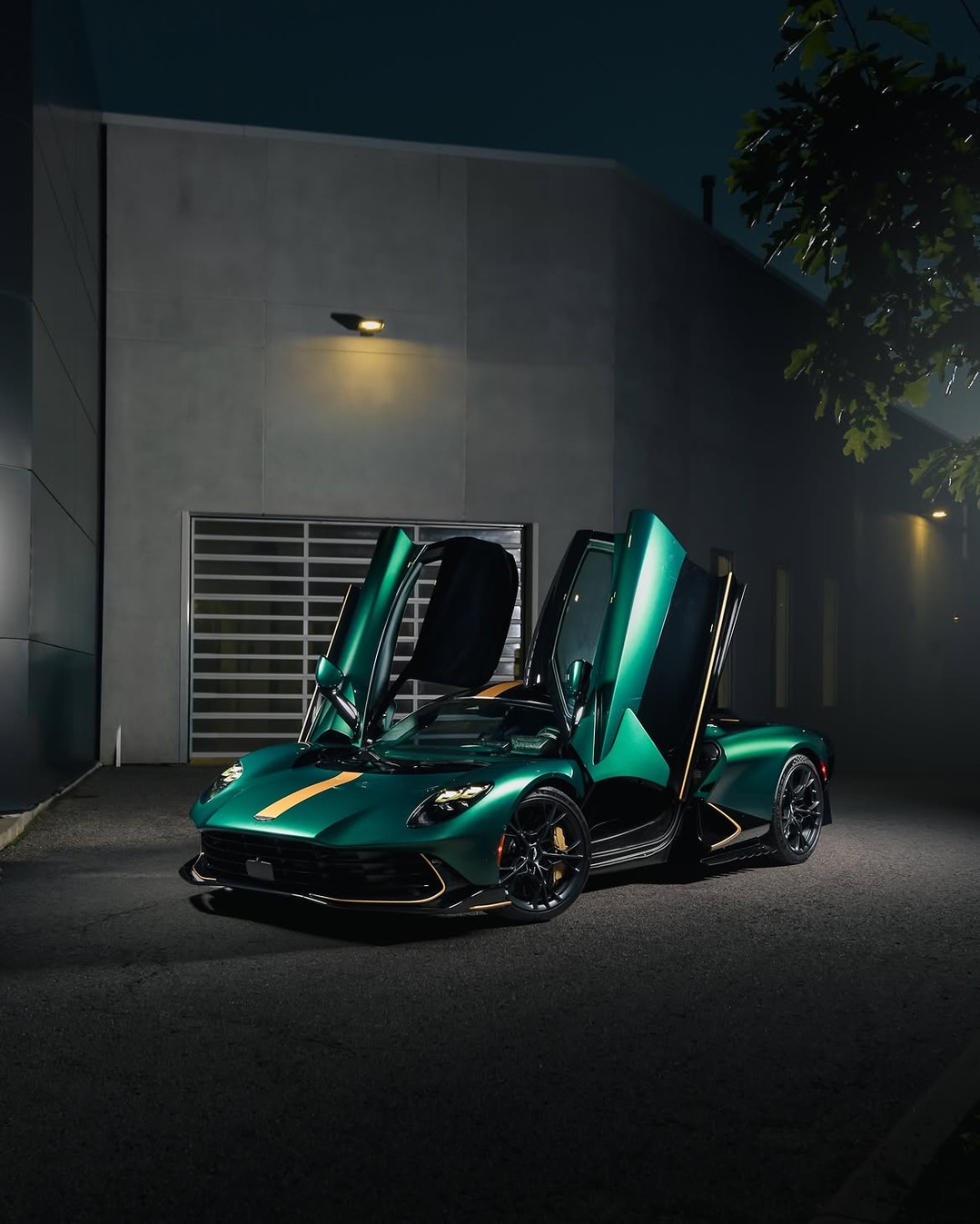
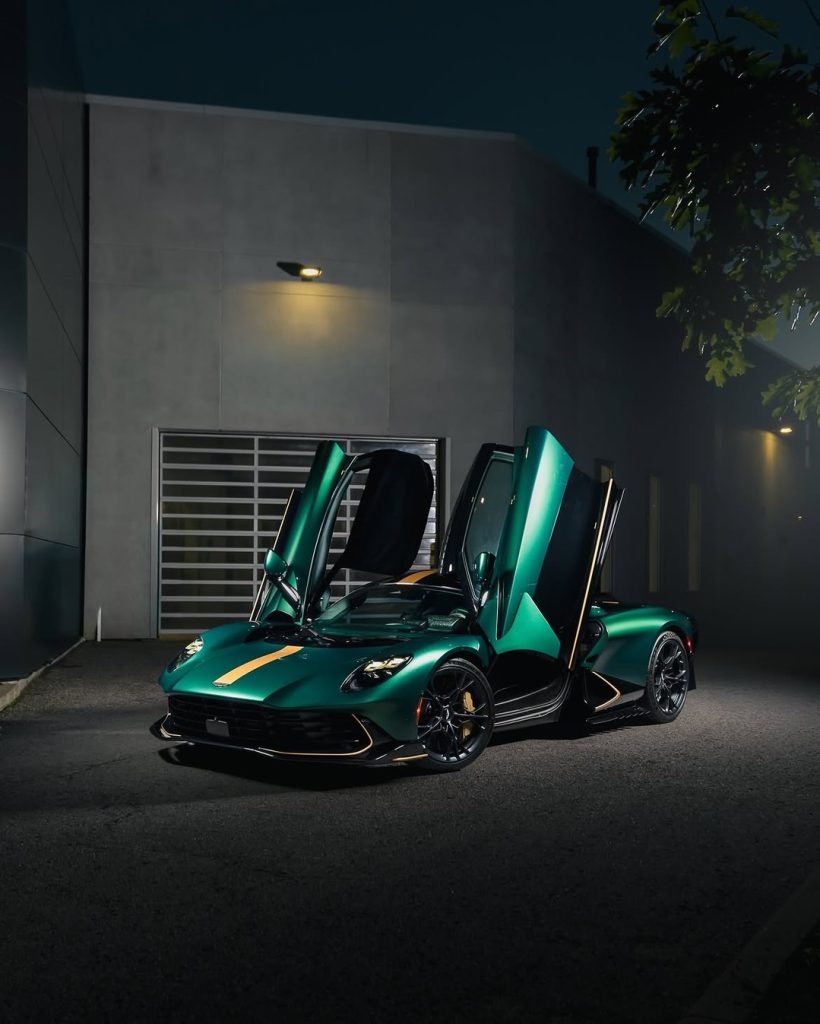
The arrival of Aston Martin's Valhalla hypercar to North America marks a significant moment for the marque's most ambitious technological statement in a generation. This particular example, recently delivered to Aston Martin Toronto, arrives as a masterclass in chromatic restraint—a car whose specification reveals far more through what it omits than what it declares.
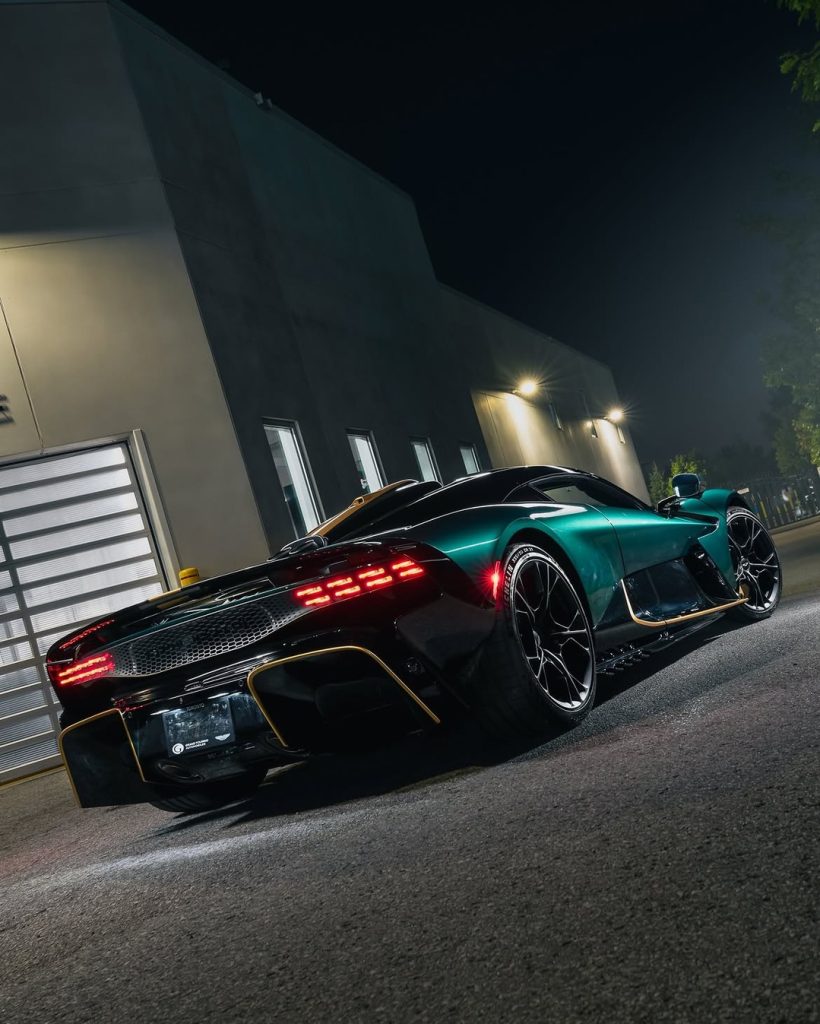
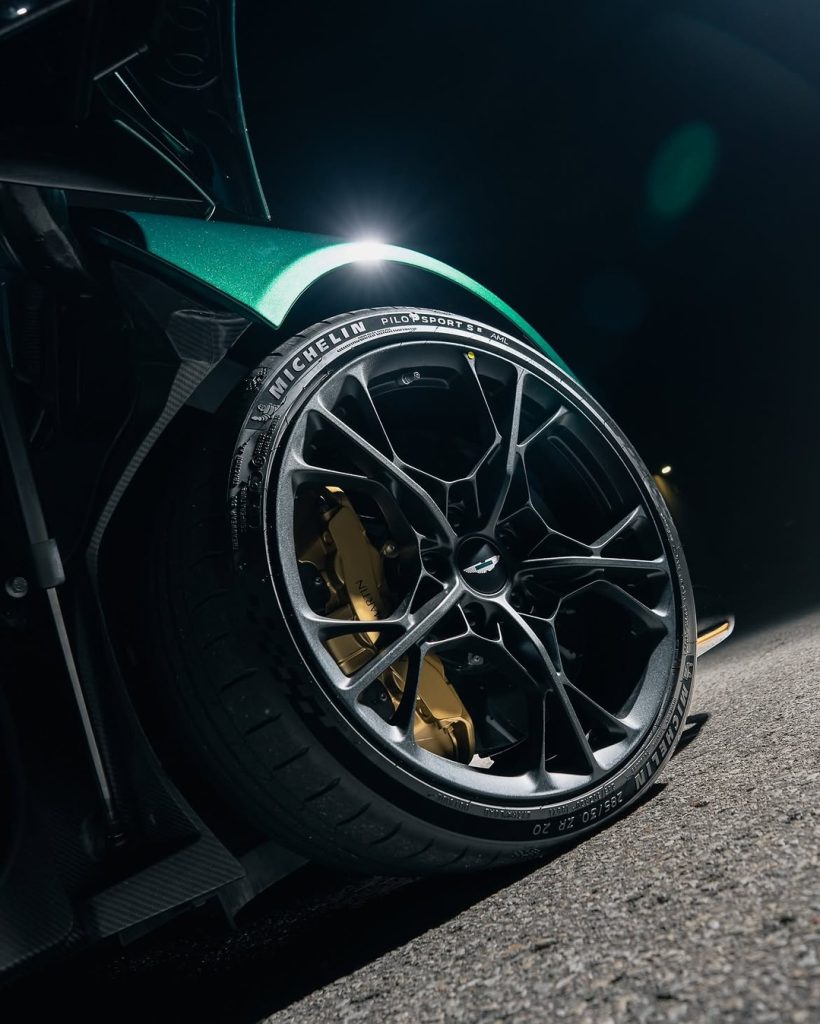
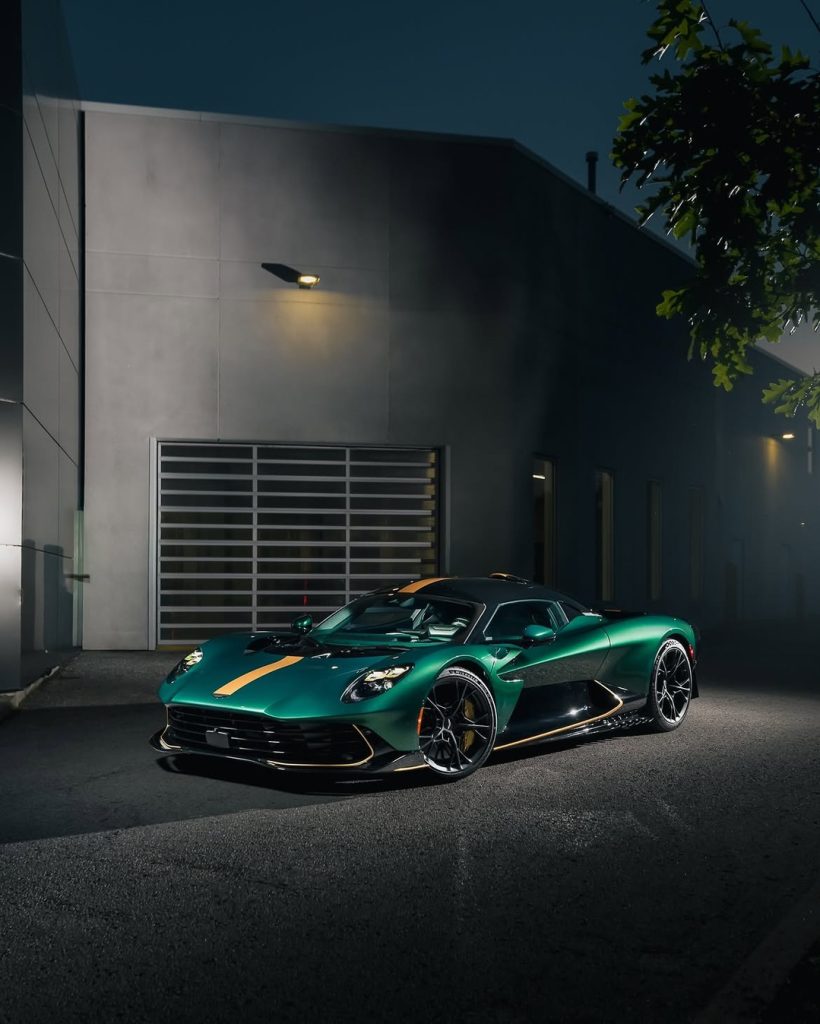
Finished in Malachite Green, the exterior presents a colour that sits comfortably between the familiar British Racing Green lineage and something altogether more contemporary. Against this foundation, Valkyrie Gold accents—a precious metal treatment reserved for the marque's most exclusive offerings—catch light with deliberate subtlety rather than flamboyance.
Interior Architecture as Narrative
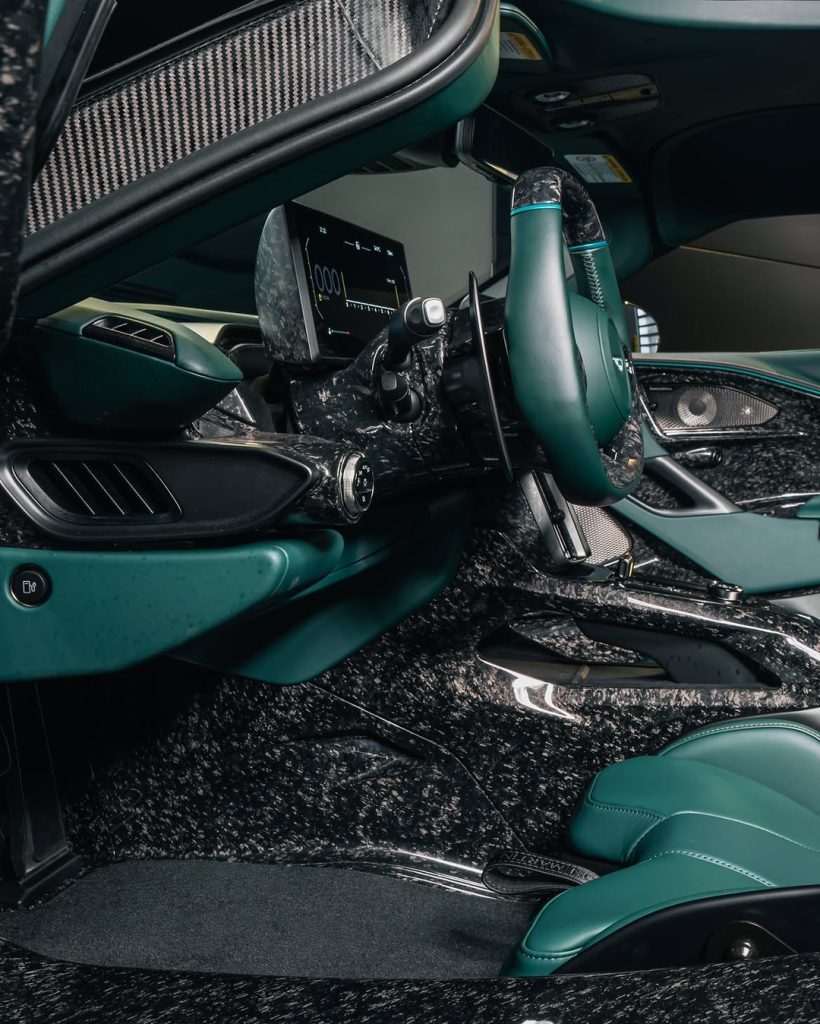
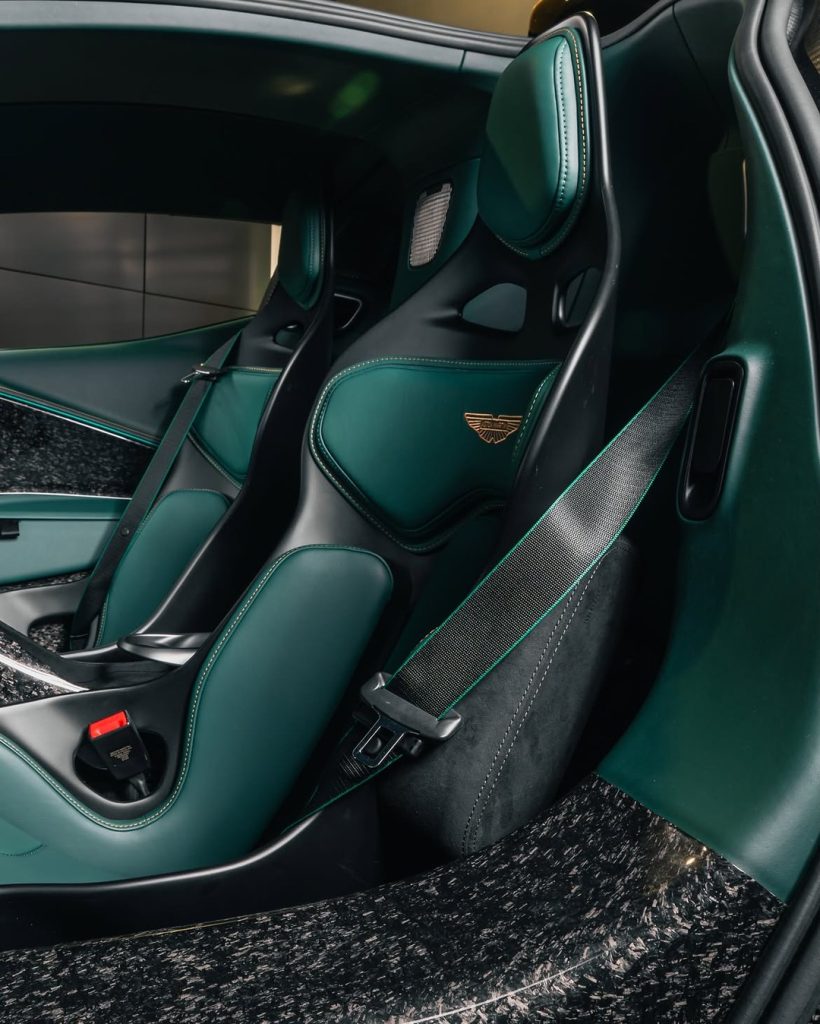
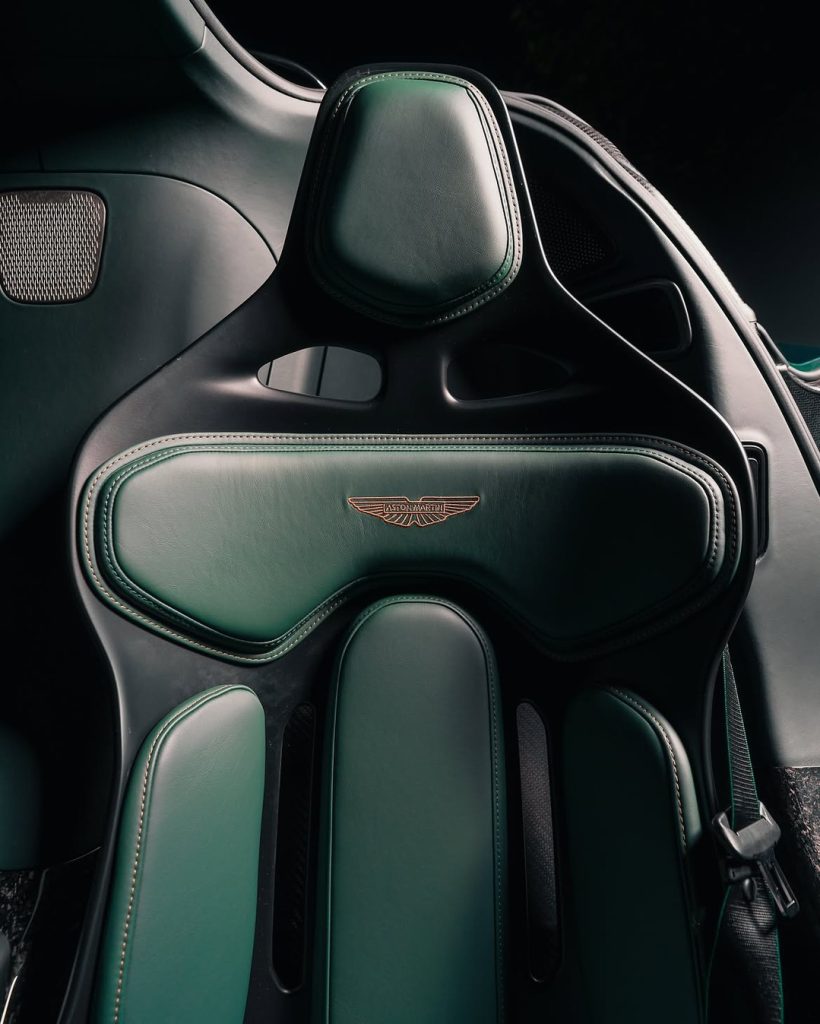
The cabin articulates a philosophy of depth through simplicity. Forest Green throughout the passenger compartment creates a unified visual field, one that avoids the fragmentation that often undermines modern hypercar interiors. Aston Martin Green detailing—a proprietary shade distinct from the exterior—introduces measured contrast without disrupting the coherence of the whole.
This restraint in specification design speaks to a particular understanding of luxury that has long distinguished British automotive thinking from its continental competitors. Where excess might announce itself through varied materials and competing visual hierarchies, this Valhalla instead builds presence through chromatic harmony and the quality of its execution. The specification feels commanding precisely because it refuses to compete for attention; instead, it commands it through presence alone.
The Valhalla's Position in Hypercar Culture
The Valhalla represents Aston Martin's response to the contemporary hypercar paradigm—a category that has become increasingly defined by hybrid powertrains, extreme performance figures, and technological integration that blurs the line between automotive engineering and computational systems. Launched as the successor to the One-77, the Valhalla carries forward a lineage of cars that have always prioritised the marriage of British design sensibility with engineering ambition.
That this example has travelled to Toronto for delivery speaks to the global appetite for Aston Martin's most exclusive offerings. North American collectors have long represented a significant market for the marque's special editions and bespoke commissions, and the Valhalla's arrival on the continent reflects both the car's completion readiness and the marque's commitment to serving its international clientele.

The Grammar of Bespoke Specification
In an era where customisation has become largely algorithmic—customers selecting from digital palettes and material libraries—the Valhalla's specification hints at something older and arguably more discerning: the idea that a truly exclusive car derives its exclusivity not from the number of options available, but from the coherence of those options when assembled by an owner of clear vision.
Malachite Green paired with Valkyrie Gold and Forest Green reads as a specification born of genuine restraint rather than indecision. It suggests an owner who has thought carefully about what luxury means to them—not loudness, but presence; not novelty, but considered design; not quantity of features, but quality of integration. This is the language of bespoke automotive luxury in its most refined form.
The delivery of this Valhalla to Toronto affirms what Aston Martin has long understood: that true luxury resides not in breaking conventions, but in perfecting them. In a hypercar category increasingly defined by technological spectacle, this car's specification insists on something more fundamental—the enduring elegance of thoughtful restraint.
Imagery is used for editorial purposes. All rights remain with the respective owners, photographers and licensors.
Imagery courtesy of Aston Martin (@astonmartin).