
Sam Gilliam’s ‘Region and Mind’: Where Artistic Control Meets Serendipity
AI-assisted voice playback. Starts only when you choose Play.
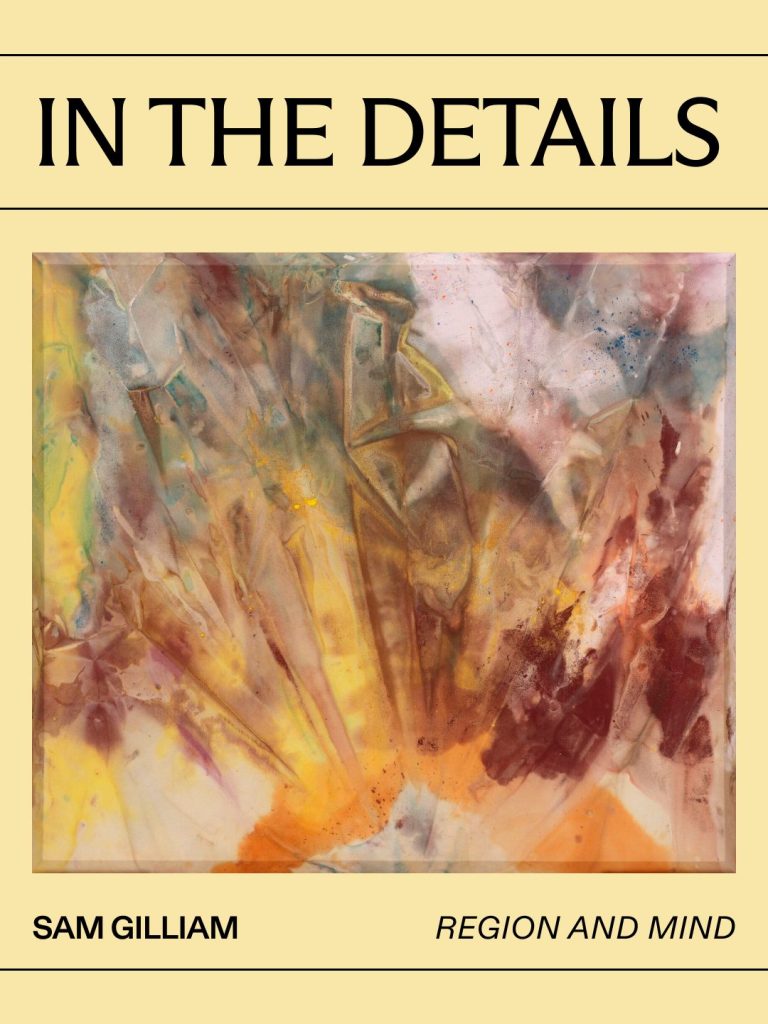
The boundary between intention and accident has long preoccupied abstract painters, yet few have navigated it as deliberately as Sam Gilliam. His 1970s masterpiece 'Region and Mind', now offered at Christie's Post-War to Present sale in New York, encapsulates this central tension—transforming the unpredictable into the essential.
The work stands as testament to Gilliam's pioneering vision within the Washington Colour School, a movement that elevated chromatic intensity and unconventional materials to philosophical principle.
A Technique Born from Experimentation
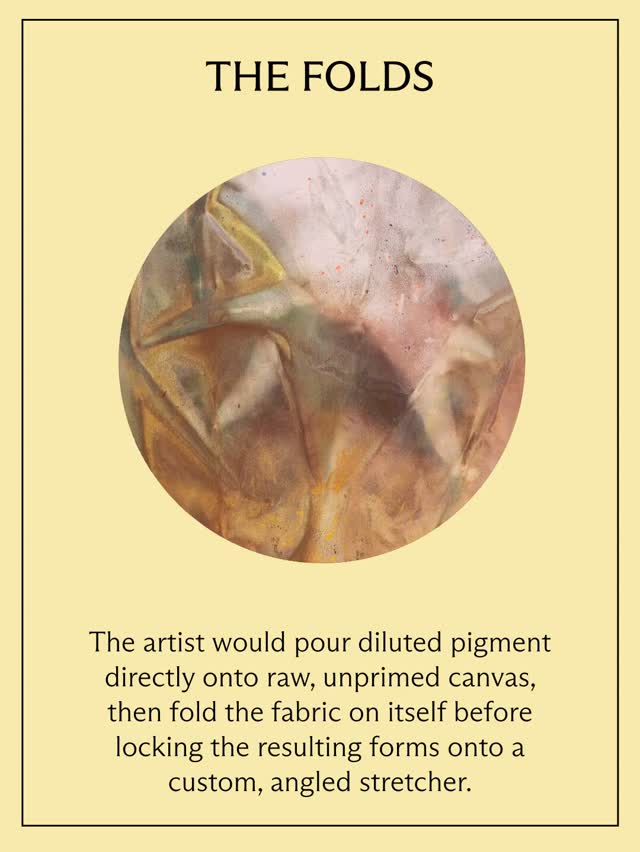
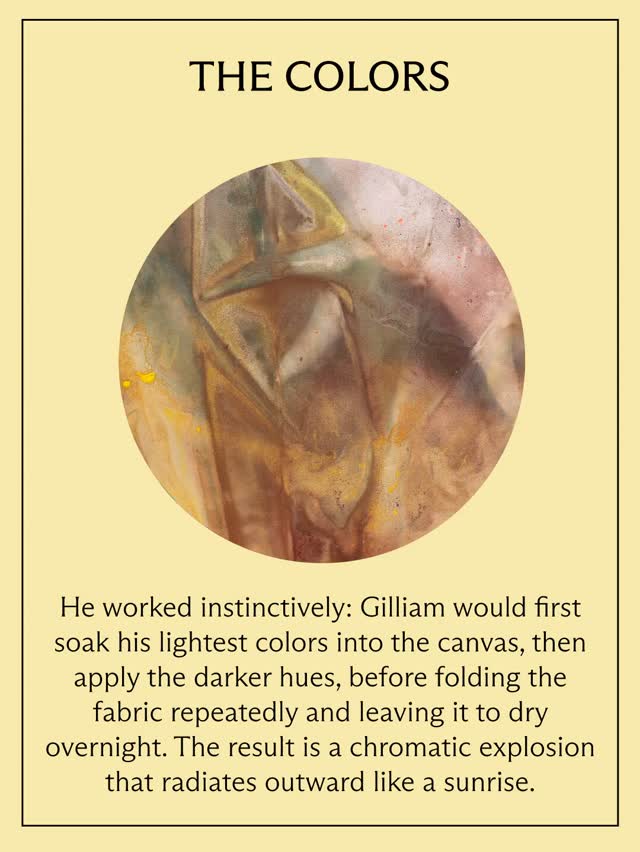
The genesis of 'Region and Mind' lies in Gilliam's unorthodox methodology. Rather than applying paint to primed canvas in traditional fashion, he began with unprimed fabric—a surface that absorbs rather than repels pigment. He saturated this raw canvas with liquid washes of colour, allowing the hues to seep into the weave with the fluidity of watercolour on paper, yet with the permanence of oil or acrylic.
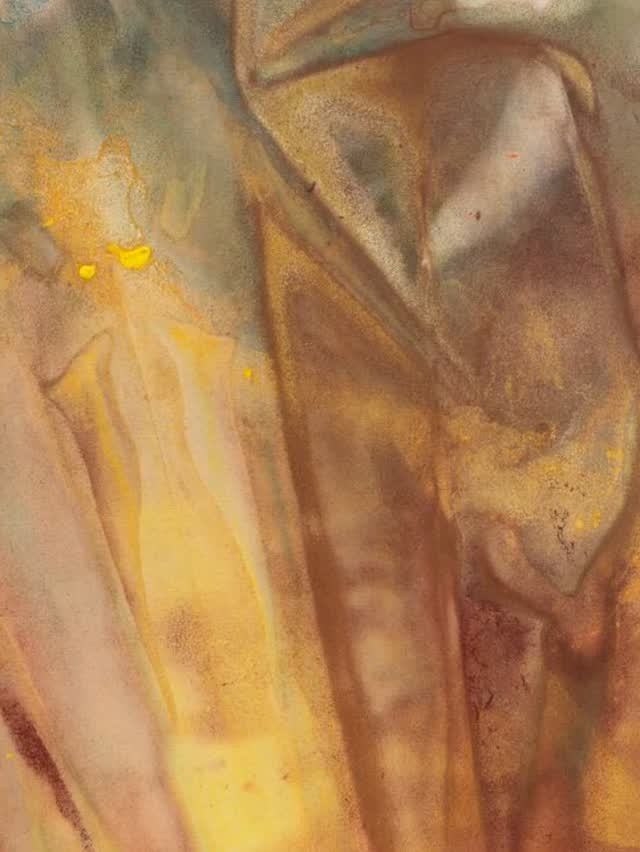
Once saturated, Gilliam folded and manipulated the still-wet fabric, introducing deliberate creases and turns that would direct—but never fully determine—how the pigments pooled and migrated. The canvas was then left overnight, allowing the colours to soak throughout its folds in an act of considered patience. What emerged from this process was a vocabulary of organic patterning: passages of colour that gradient and blur, folds that catch light differently depending on the viewer's position, and visual rhythms that read as simultaneously controlled and spontaneous.
The Luxury of Restraint
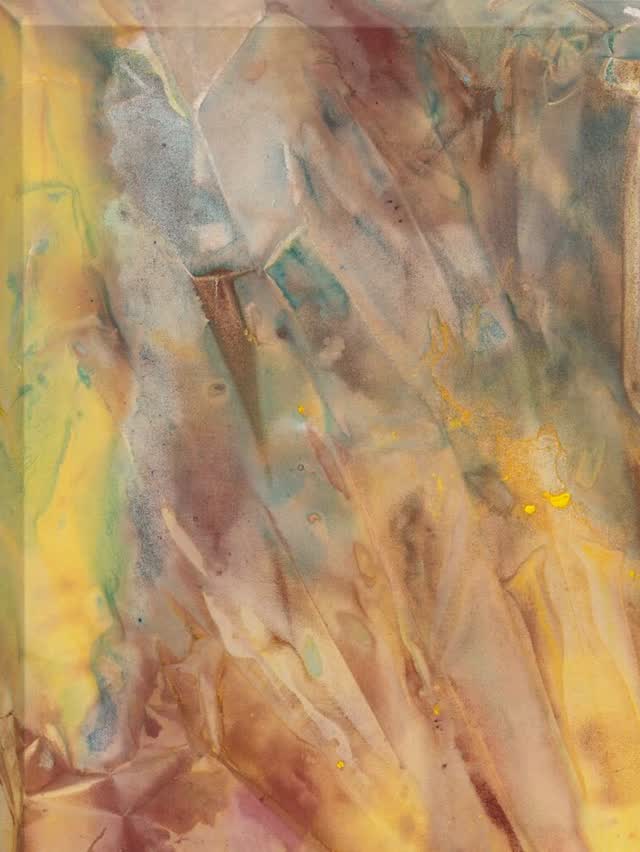
In an era when abstraction often pursued maximalism, Gilliam's approach represented a form of luxury through restraint. By surrendering portions of the creative act to natural forces—the weight of wet pigment, the geometry of folds, the passage of time—he achieved a sophistication that purely deliberate mark-making cannot. The work becomes a conversation between artist and material, vision and serendipity.
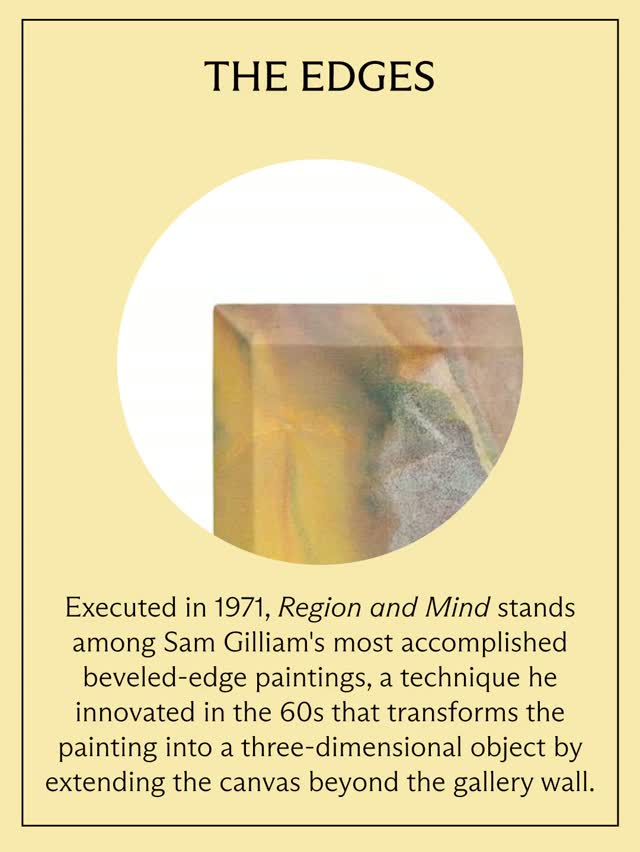
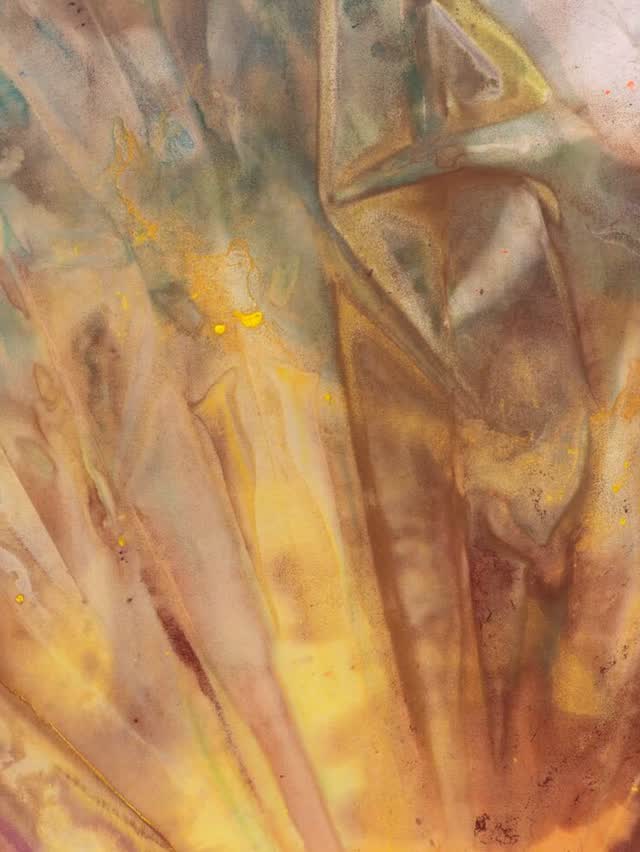
The edges, folds and colour passages visible in 'Region and Mind' invite extended looking. Each element reveals layers of decision-making: which colours to employ, how to fold the canvas, when to intervene and when to allow the work to complete itself. This orchestration of variables creates a visual complexity that deepens with sustained contemplation.
A Historical Marker
Gilliam's significance within post-war American abstraction extends beyond technical innovation. His work rejected the rhetoric of the heroic gesture associated with Abstract Expressionism, replacing it with a quieter, more meditative engagement with colour and form. 'Region and Mind' exemplifies this shift—a work that rewards close attention and repeated viewing, inviting the eye to trace the logic of its chromatic unfolding.
The inclusion of this major work in Christie's October 2026 sale acknowledges both its historical importance and its enduring relevance to contemporary discussions of process, chance and artistic agency.
For collectors and institutions, 'Region and Mind' represents a pivotal moment in late twentieth-century abstraction—a work where conceptual rigour and visual beauty converge without compromise. It is a painting that asks questions as much as it answers them.
Imagery is used for editorial purposes. All rights remain with the respective owners, photographers and licensors.
Imagery courtesy of Christie's (@christiesinc).