
Amangalla: Where Sri Lanka’s Layered History Becomes Sanctuary
AI-assisted voice playback. Starts only when you choose Play.
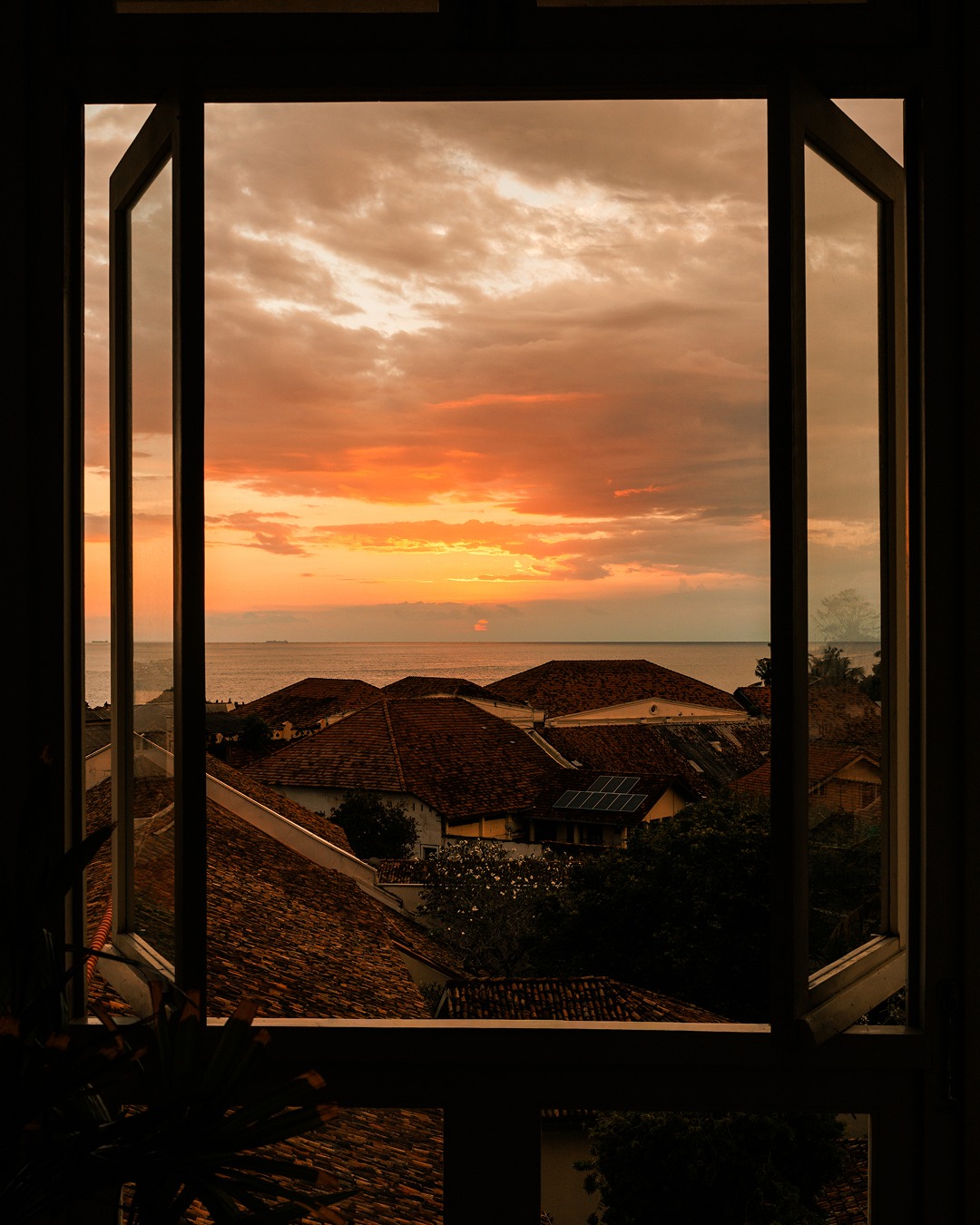
Sri Lanka's southern coast holds the kind of layered history that demands more than a passing glance. The island has absorbed influences from Arab traders, Portuguese colonisers, Dutch merchants and British administrators—each leaving architectural and cultural imprints that survive in the present landscape. Within Galle Fort, a UNESCO World Heritage Site that rises from the Indian Ocean, those converging narratives become tangible.
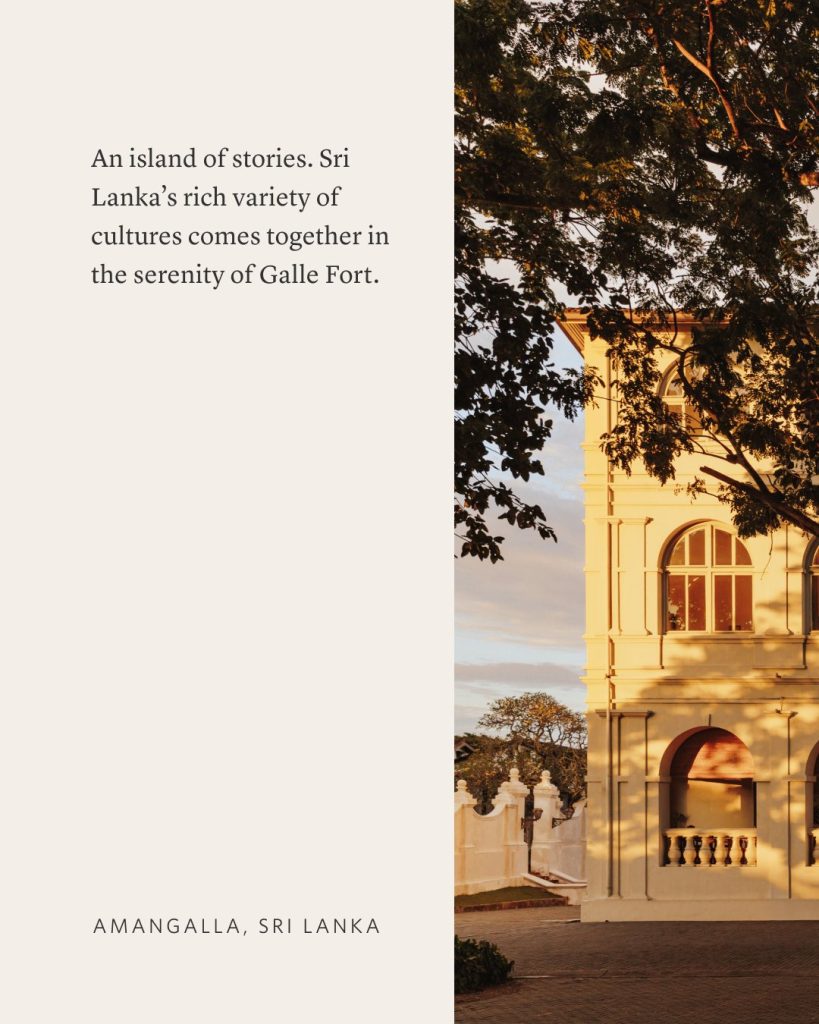
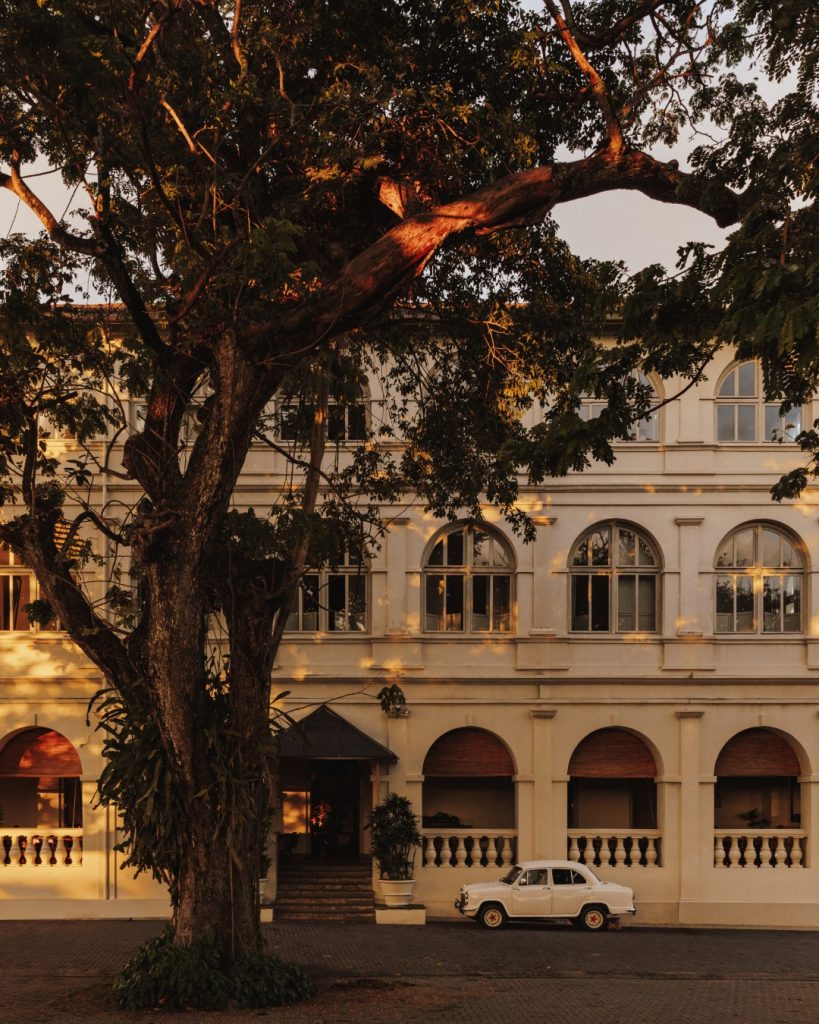
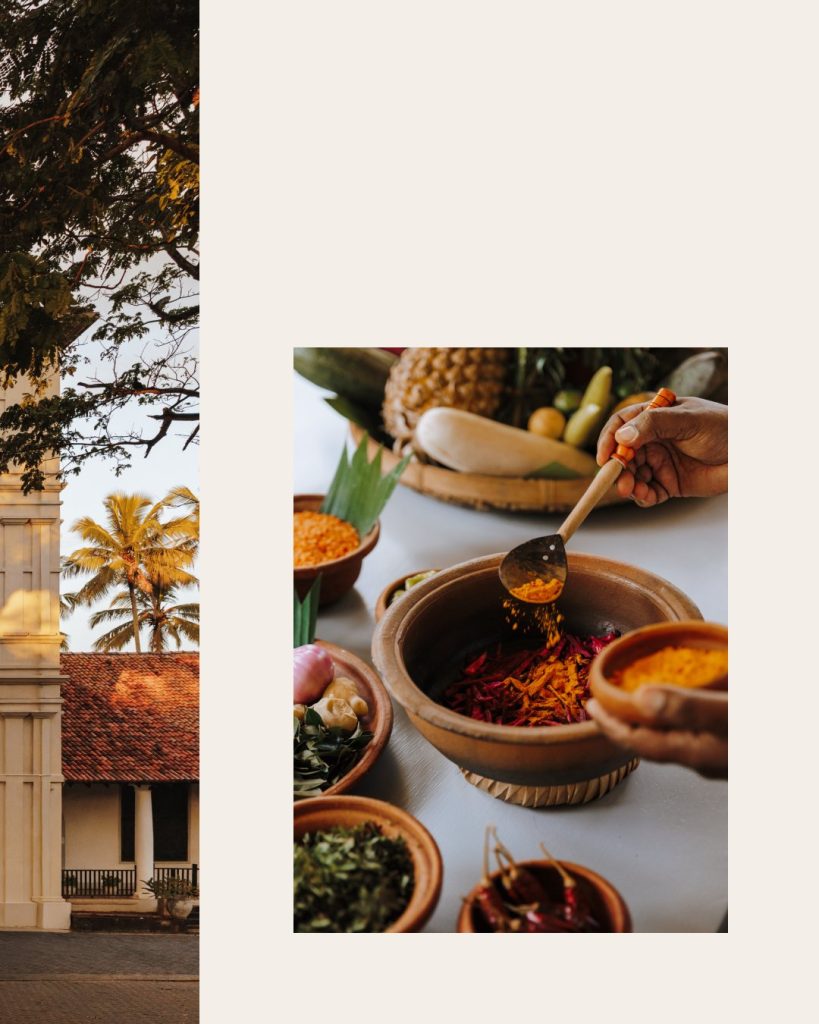
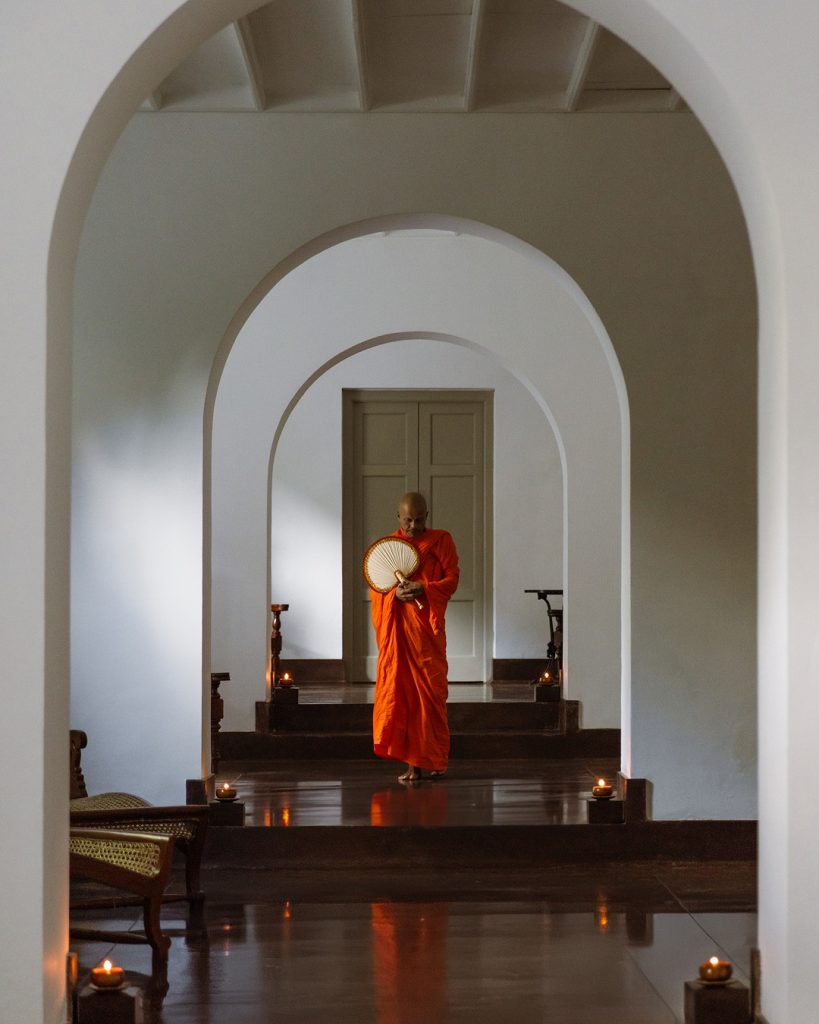
Amangalla, Aman's new property in this fortified enclave, positions itself not as an escape from that complexity but as a deliberate immersion within it. The hotel unfolds across a series of restored structures within the fort's 17th-century stone ramparts, creating what amounts to a curated passage through Sri Lanka's multiplicitous identity.
The Fort as Living Archive
Galle Fort itself is the primary narrative. Constructed initially by the Portuguese and expanded by the Dutch, the compound evolved through centuries of strategic and commercial occupation. Its architecture—casemates, bastions, gun emplacements—tells the story of imperial contest. Yet the fort became a civilian town long ago, with narrow streets, shops, temples and residences woven into the grid behind the walls.
Amangalla's placement within this environment means guests encounter genuine urban texture rather than an artificial resort enclave. The property works with the fort's existing urban character rather than imposing a detached hospitality fantasy upon it. This restraint signals a different approach to luxury: one rooted in cultural specificity and historical authenticity.
A Tapestry of Influence
The architecture of Galle Fort itself embodies the cultural mixing that defines contemporary Sri Lanka. Colonial-era facades sit adjacent to Hindu temples, Buddhist shrines and mosques. This visual and spiritual diversity reflects centuries of trade, settlement and coexistence. Rather than homogenising these influences, Amangalla appears designed to honour their distinctness.
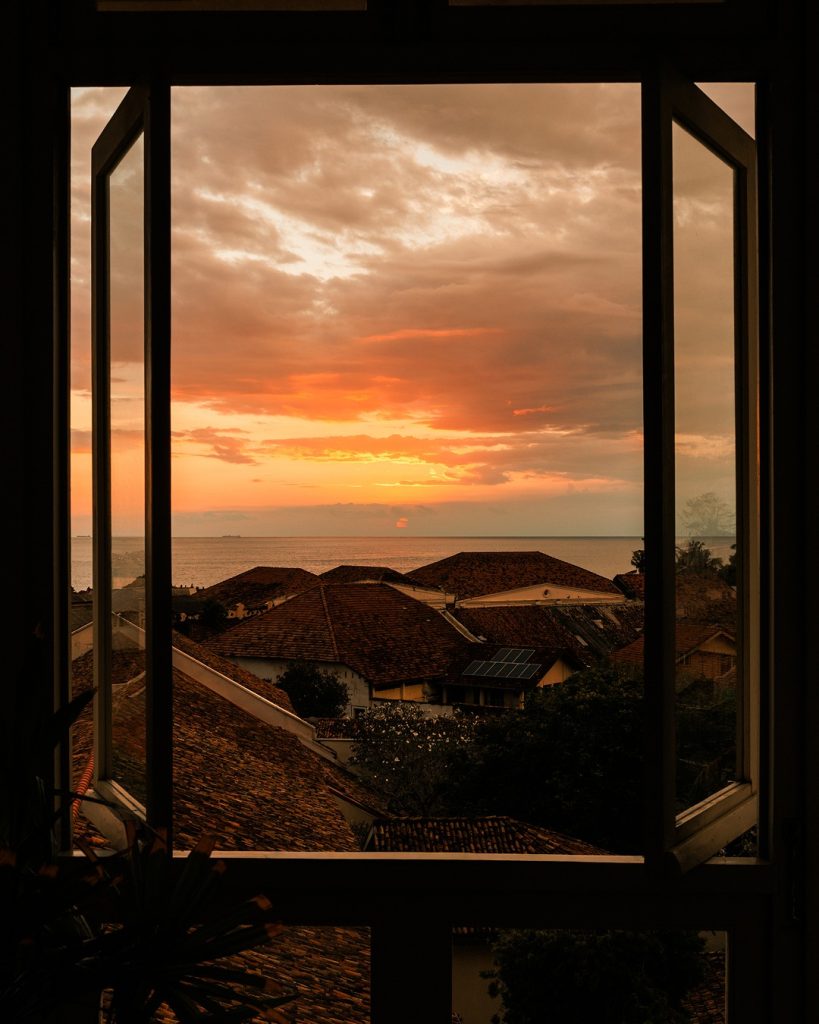
The surrounding town of Galle has evolved into one of the island's primary cultural centres, attracting artists, writers and craftspeople drawn to the atmosphere generated by historical depth and natural beauty. The fort's clifftop position commands views across the Indian Ocean, whilst the town itself retains working markets, galleries and the everyday rhythm of life beyond tourism.
Luxury Contingent on Context
The luxury proposition at Amangalla derives not from cutting-edge facilities or architectural spectacle, but from the quality of engagement with place. A property of this calibre—bearing the Aman name and positioned within a UNESCO-protected zone—inevitably operates at the highest service standard. Yet the emphasis here appears to rest on facilitating deeper understanding rather than providing traditional resort amenities.
This positioning reflects a broader shift in destination luxury. Increasingly, discerning travellers seek properties that offer intellectual and cultural substance alongside physical comfort. Amangalla, by virtue of its location and conceptual coherence, provides both simultaneously: the tactile pleasure of historic spaces and the intellectual stimulation of layered history.
Galle Fort has survived centuries of occupation and transformation. That resilience—architectural, cultural and human—now frames Amangalla's arrival. The property becomes not a retreat from Sri Lanka's complexity but rather an entry point into it, offering a form of luxury genuinely rooted in the particular rather than universally generic.
Imagery is used for editorial purposes. All rights remain with the respective owners, photographers and licensors.
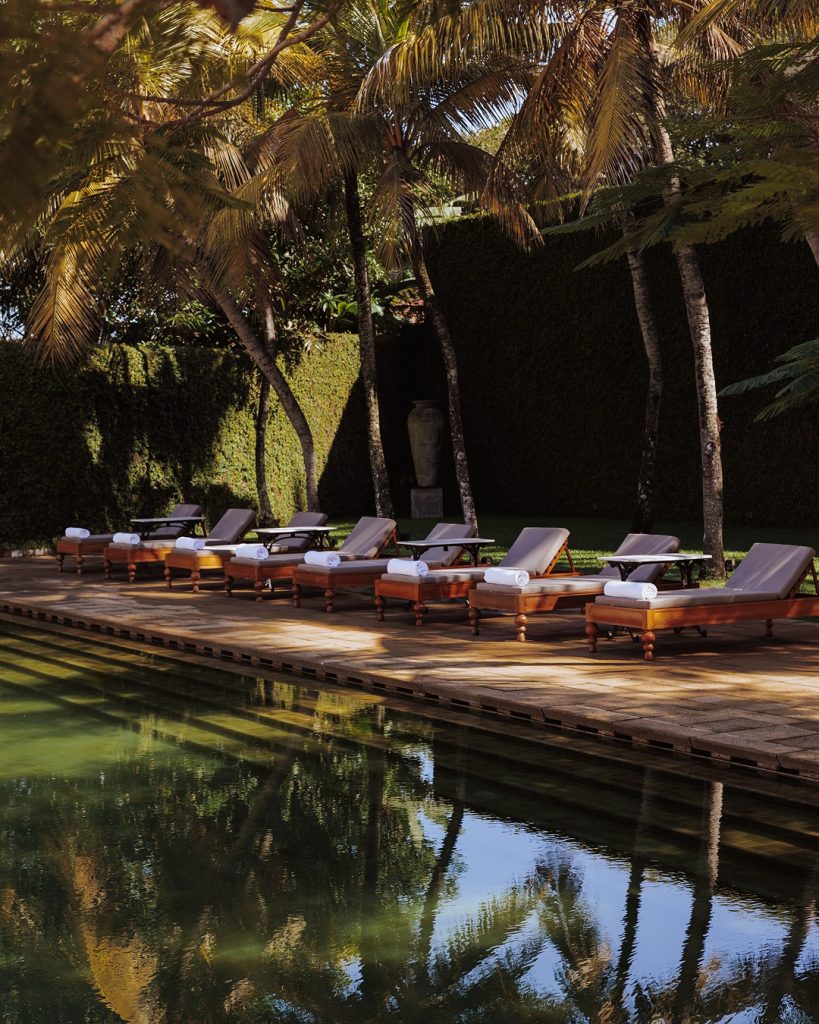
Imagery courtesy of Aman (@aman).