
Jaeger-LeCoultre Miniaturises Turner’s Venice in Enamel-Backed Reverso Tribute
AI-assisted voice playback. Starts only when you choose Play.

Jaeger-LeCoultre has long understood that a watch caseback need not remain invisible. The Reverso, since its 1931 inception, has offered collectors a second canvas—one traditionally reserved for engravings, decoration or simply the movement itself. The manufacture's latest iteration of this principle ventures into art history.
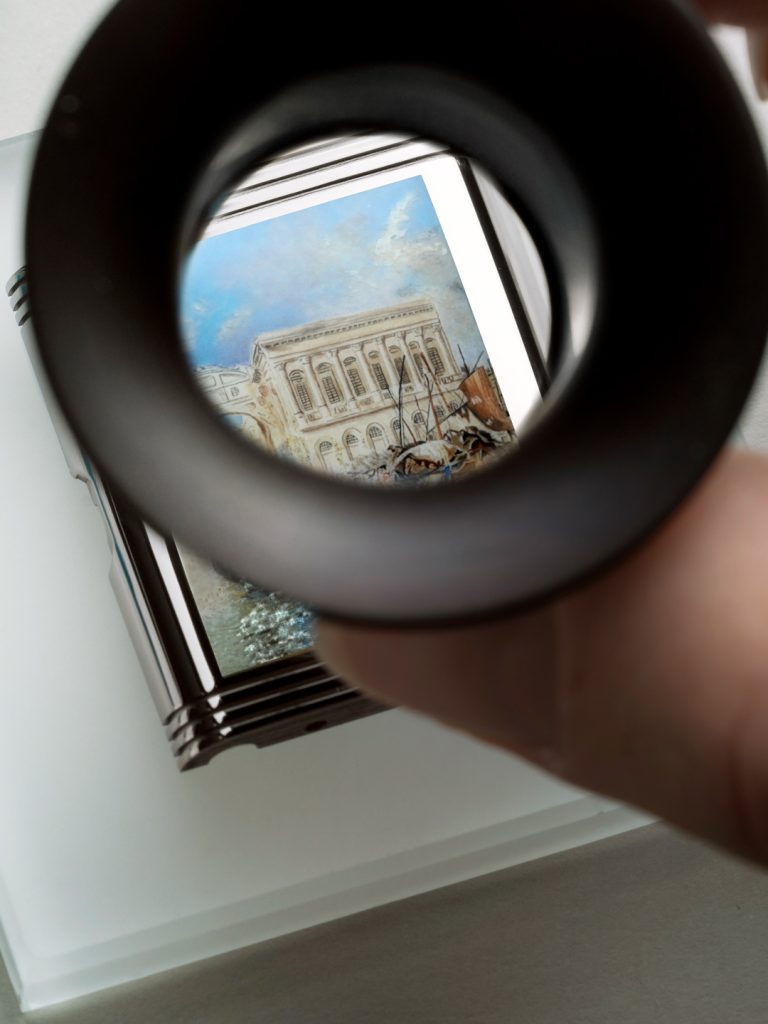
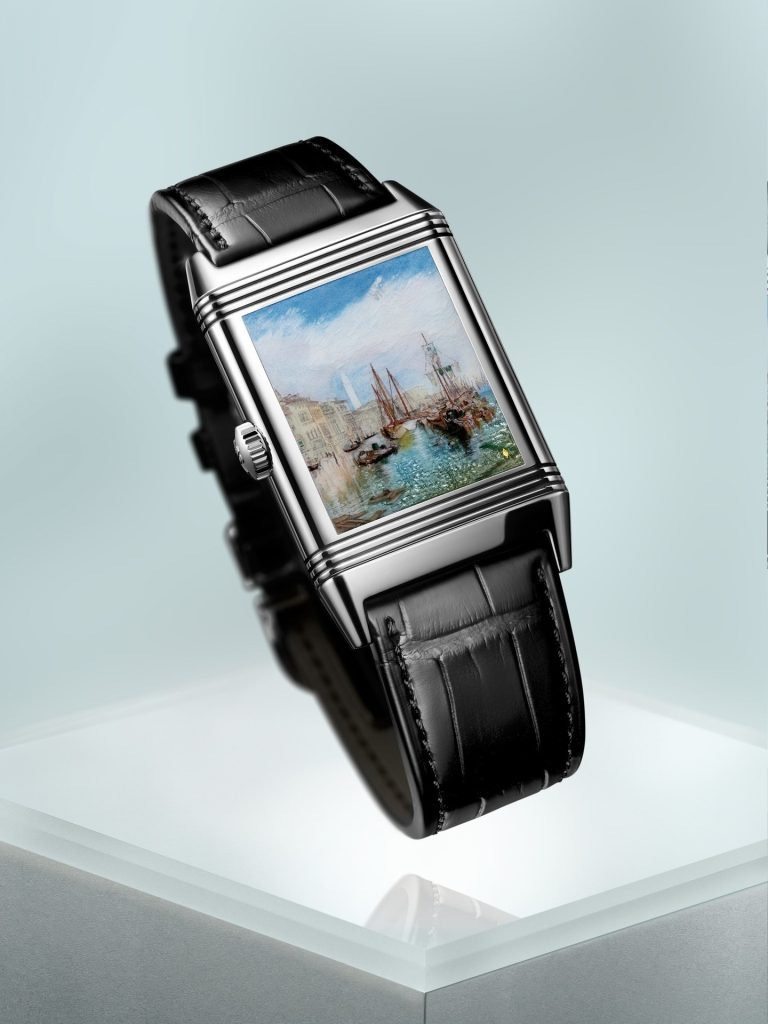
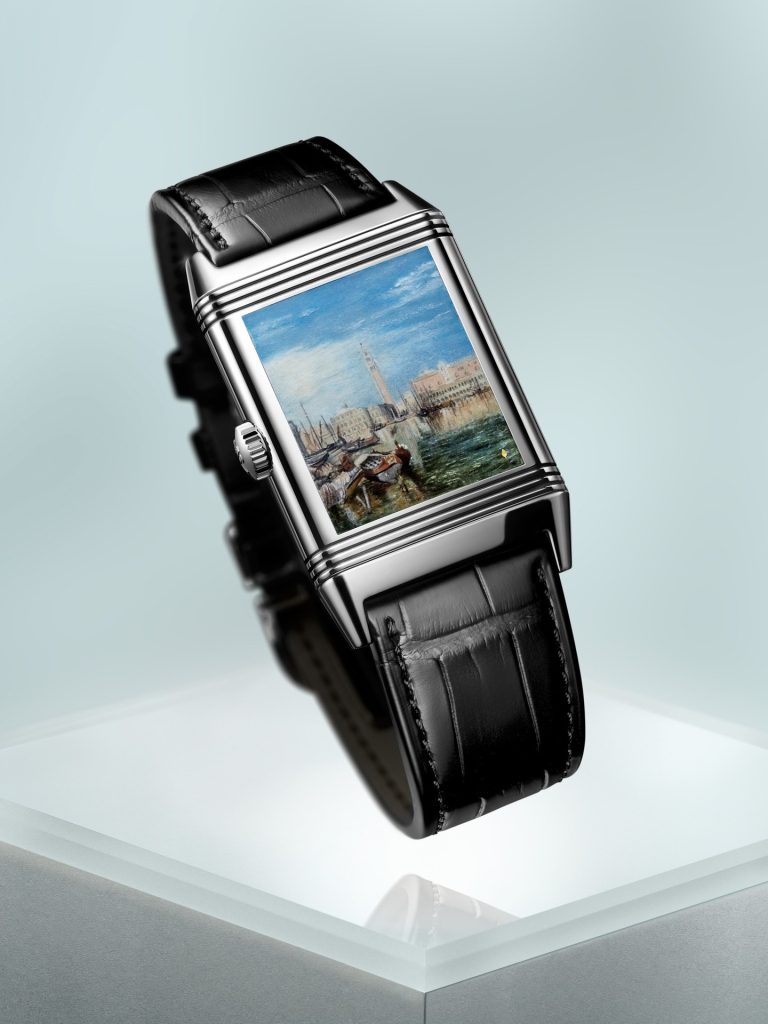
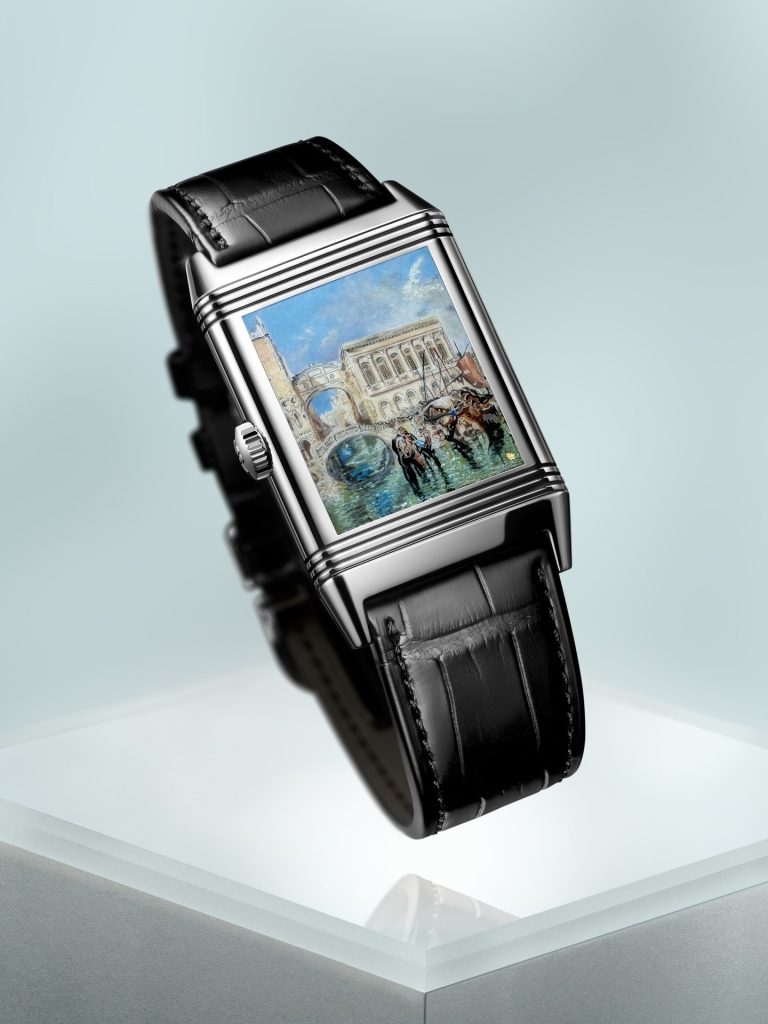
The Reverso Tribute Enamel Turner Series comprises four independent timepieces, each limited to ten examples worldwide. On the caseback of each, a work by J.M.W. Turner depicting Venice has been meticulously recreated in miniature, rendered in enamel across a surface of just two square centimetres.
Turner's Venetian Vision, Distilled
Turner's fascination with Venice—a subject the British Romantic painter returned to repeatedly throughout his career—forms the conceptual spine of the collection. His atmospheric treatments of the lagoon city, with their dissolution of form into light and atmosphere, have long captivated collectors and scholars alike. To reproduce such work at miniature scale demands not merely technical skill, but an understanding of how Turner's gestural brushwork and luminous palette might survive radical reduction.
The choice of enamel as the medium is instructive. Hand-painted or transferred enamel work on watch cases belongs to a tradition extending back to early decorative horology, yet it remains one of the most labour-intensive and perishable of watchmaking disciplines. Each application requires precise temperature control, multiple firings, and a degree of artistic judgment that cannot be mechanised. The fact that four distinct Turner compositions have been chosen—rather than repeating a single design—signals an ambition beyond commercial convenience.

Craft at the Atelier Scale
Jaeger-LeCoultre emphasises that these pieces have been designed, made and assembled within its Manufacture-Atelier in the Vallée de Joux. This designation matters. It underscores that the brand has retained in-house the knowledge and infrastructure required to execute such work—a rarity in contemporary watchmaking, where many manufactures outsource enamel work to specialist studios. The caseback itself becomes a gallery in miniature, inviting the wearer to recognise the artistic provenance encoded within.
The limitation to ten pieces per design reflects a philosophy that treats rarity as inseparable from artistic integrity. Mass production of hand-enamelled works would be a contradiction in terms; the constraint is not commercial posturing but a logical consequence of the process itself.
The Reverso as Curatorial Object
The Reverso platform has evolved considerably since its practical origins as a watch designed for polo players who required a protective flip case. Today it serves as a framework for artistic collaboration and historical homage. By partnering Turner's vision with horological precision, Jaeger-LeCoultre positions the watch not merely as an instrument of time-keeping but as a portable artwork—one that requires the wearer's deliberate gesture to reveal.
In an era of digital distraction and mass customisation, the Reverso Tribute Enamel Turner Series reasserts a slower, more contemplative relationship to luxury objects. Each watch asks its owner to pause, to reverse the case, and to encounter the intricate work beneath—an encounter that connects not merely to mechanical craftsmanship but to the enduring power of painterly vision.
Imagery is used for editorial purposes. All rights remain with the respective owners, photographers and licensors.
Imagery courtesy of Jaeger-LeCoultre (@jaegerlecoultre).