
Mercedes-AMG: Where Street Presence Meets Racing Pedigree
AI-assisted voice playback. Starts only when you choose Play.
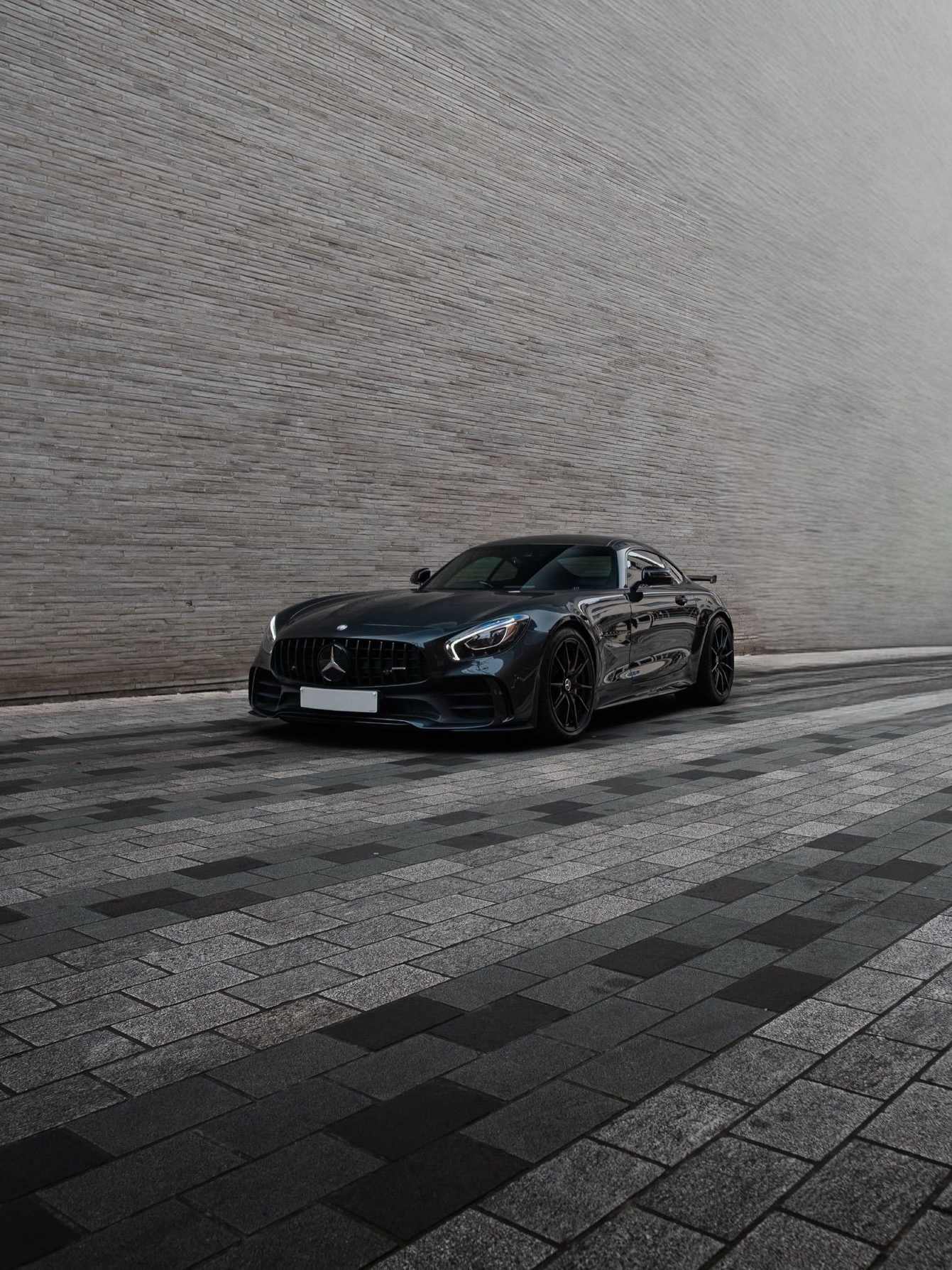
Mercedes-AMG has long occupied a distinctive position within the automotive luxury sphere, distinct from its parent marque yet intrinsically connected to it. The division represents a fusion of two seemingly opposing philosophies: the refined engineering tradition of Stuttgart, and the raw, unrelenting competitive drive of international motorsport.
The latest creative iteration from the brand reinforces this duality. Captured in an urban setting, the imagery invokes what Mercedes-AMG terms its 'motorsport state of mind'—a conceptual bridge between the circuit and the street, where performance credentials and everyday luxury coexist without compromise.
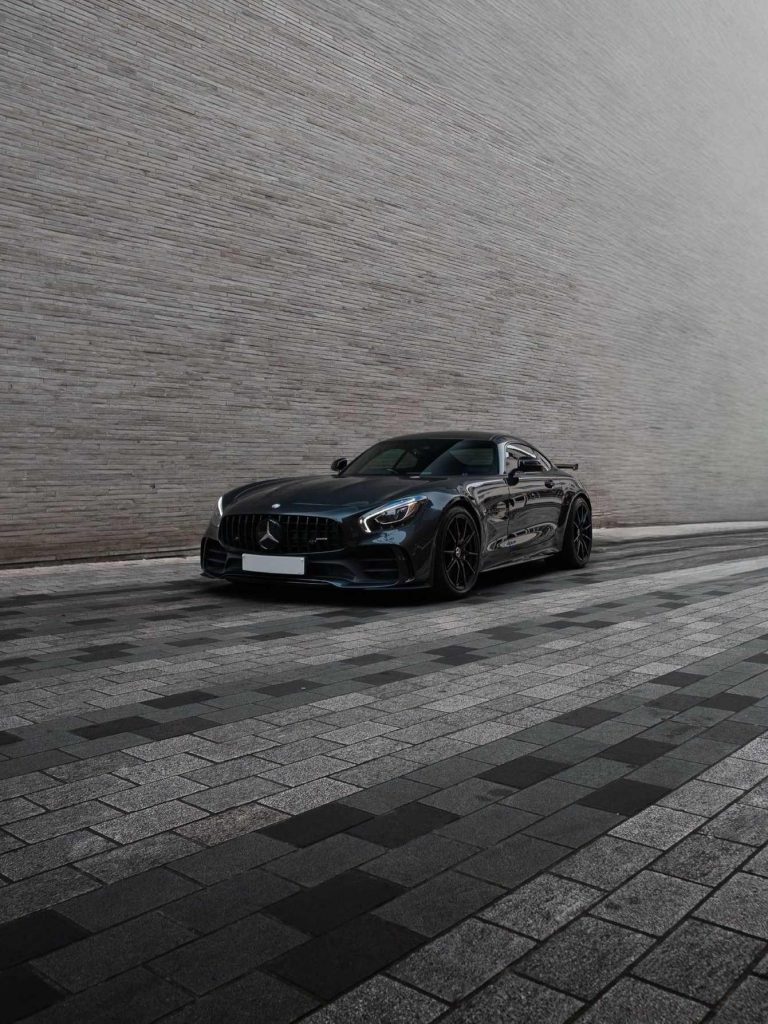
A Heritage Rooted in Competition
Mercedes-AMG's foundation traces to 1967, when two independent engineers, Hans Werner Aufrecht and Erhard Melcher, established their performance workshop in Grossaspach, Germany. Their initials, combined with 'Motorsport', formed the now-iconic acronym. What began as an independent tuning operation evolved into an integral division of Mercedes-Benz, recognised globally for transforming luxury saloons and coupés into high-performance machines capable of competing on the world's most demanding circuits.
This heritage is not merely historical decoration. It informs every engineering decision, every material selection, and every aesthetic choice made by the division today. The 'motorsport state of mind' is not marketing rhetoric—it reflects genuine technical lineage and philosophical commitment.
Performance as Urban Expression
Contemporary Mercedes-AMG vehicles represent a deliberate departure from the notion that luxury and performance must be mutually exclusive. The brand's portfolio spans compact models such as the A 45 through to the flagship AMG GT supercar, each delivering measurable performance enhancement whilst maintaining the tactile quality and interior refinement expected of premium Mercedes ownership.
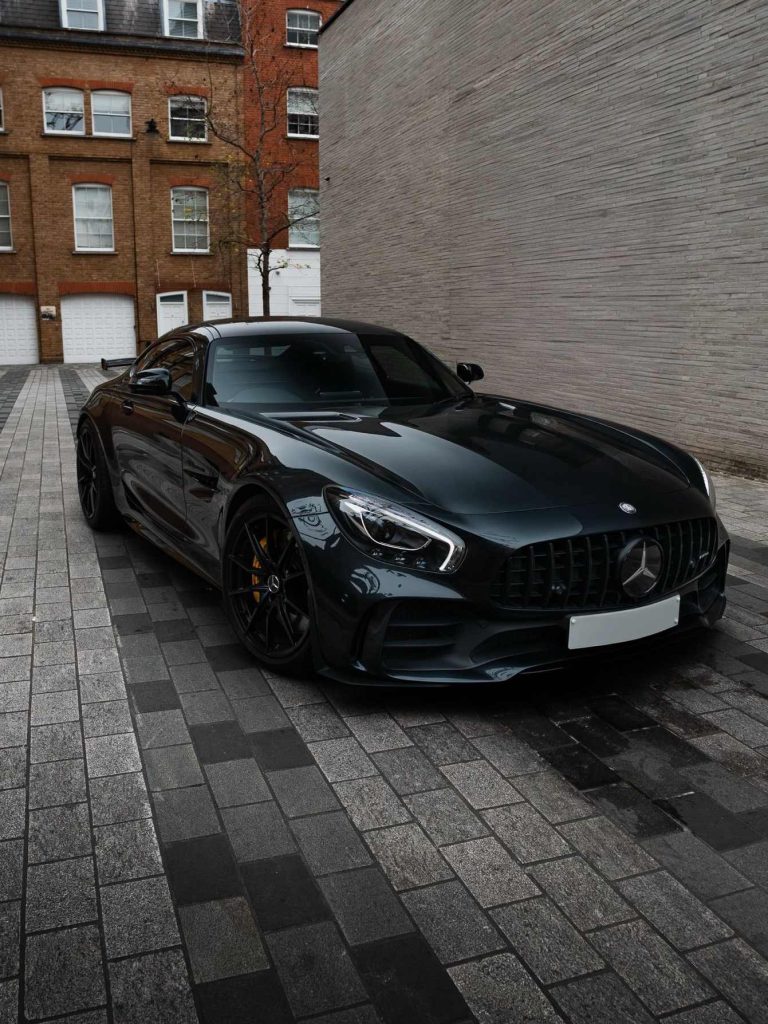
The street setting depicted in the campaign underscores this accessibility. These are not vehicles confined to private racing circuits or exclusive closed-road events. They are designed to operate within urban environments—navigating congested city centres, motorway systems, and mountain passes—whilst retaining the precision, responsiveness, and technological sophistication derived from motorsport development.
Visual and Technical Coherence
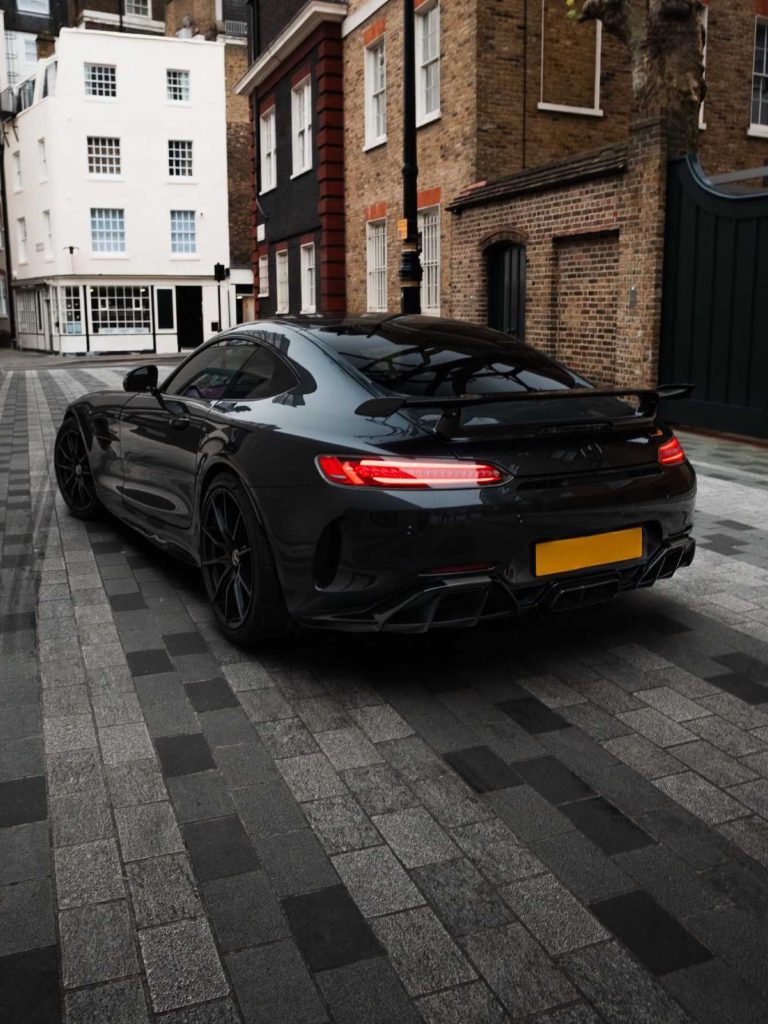
The photographic approach, credited to joeyamg, emphasises this seamless integration. Rather than isolating the vehicle as a static object of desire, the imagery positions Mercedes-AMG models within lived environments. This creative choice reflects the brand's contemporary positioning: luxury machines that thrive equally in metropolitan contexts and on performance-focused driving experiences.
The visual language—sharp lines, purposeful stance, and evident engineering detail—communicates performance intention. Aggressive air intakes, widened track widths, and aerodynamic refinements are not concealed or softened for aesthetic palatability. They are displayed as honest expressions of functional purpose, echoing the transparency found in motorsport vehicle design.
Mercedes-AMG's latest campaign imagery articulates what the division has consistently maintained: that the motorsport mindset is not theatre or retrospective homage, but an operative principle governing contemporary luxury automotive design. The urban setting is particularly pertinent—it confirms that this philosophy extends beyond dedicated performance contexts into the quotidian experience of ownership, where engineering excellence, competitive heritage, and everyday usability converge.
Imagery is used for editorial purposes. All rights remain with the respective owners, photographers and licensors.
Imagery courtesy of Mercedes-AMG (@mercedesamg).