
Dior’s Historic Silhouette Reimagined: Jonathan Anderson Channels Poulenc for Céline Dion’s Paris Return
AI-assisted voice playback. Starts only when you choose Play.
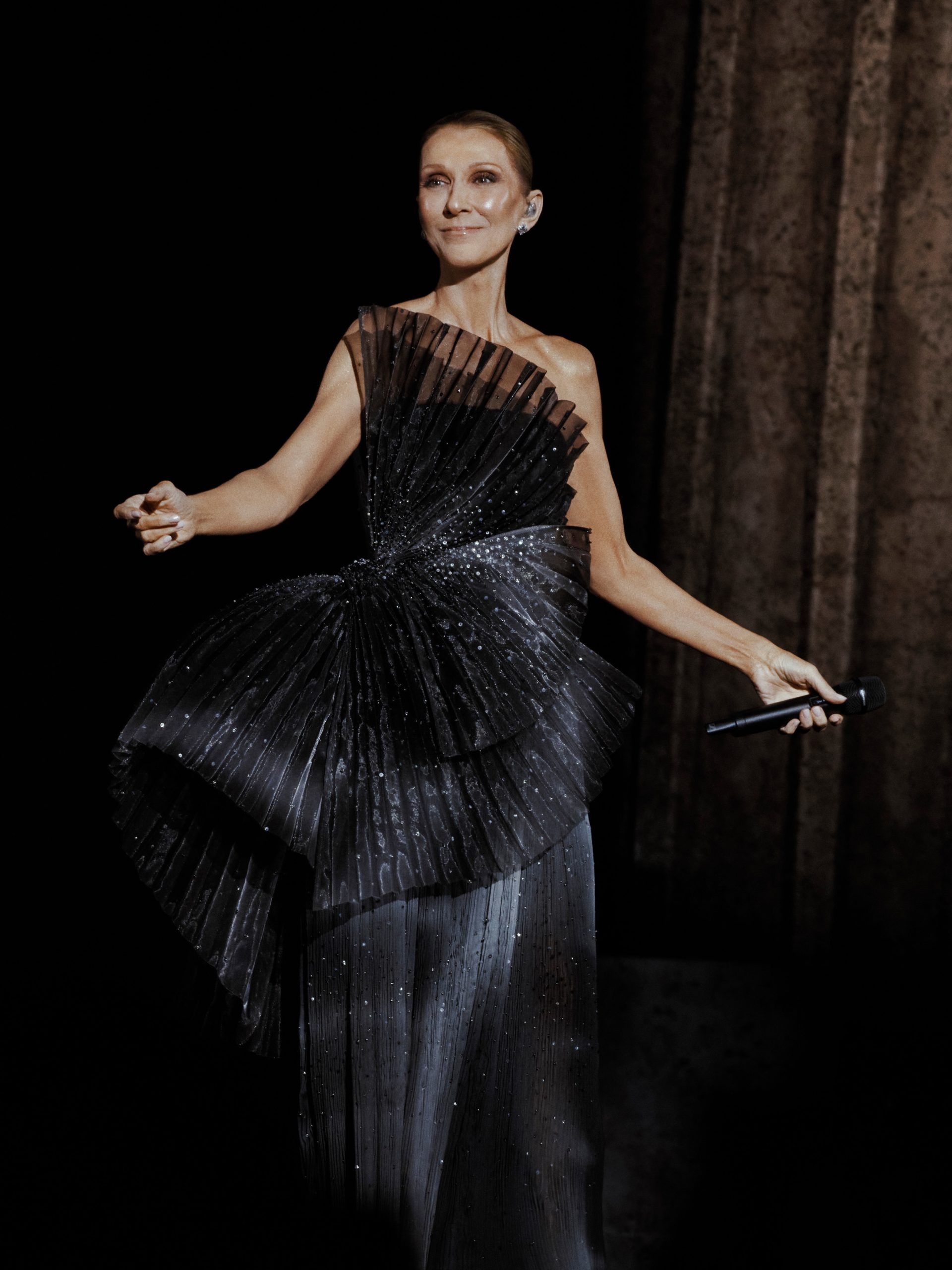
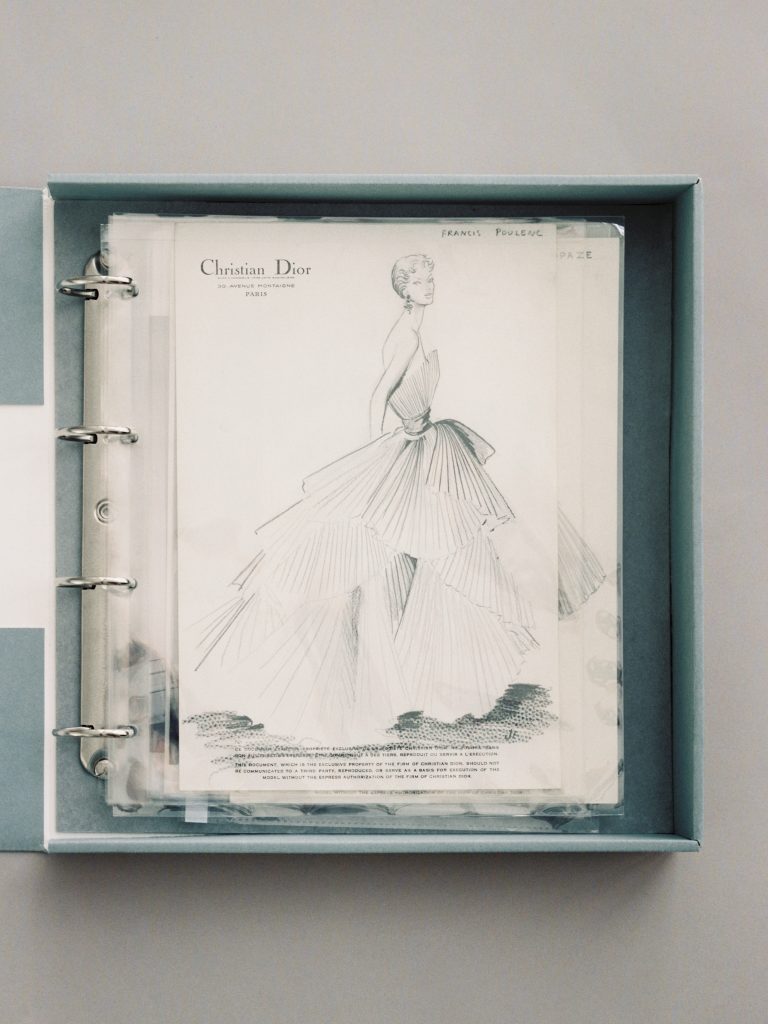
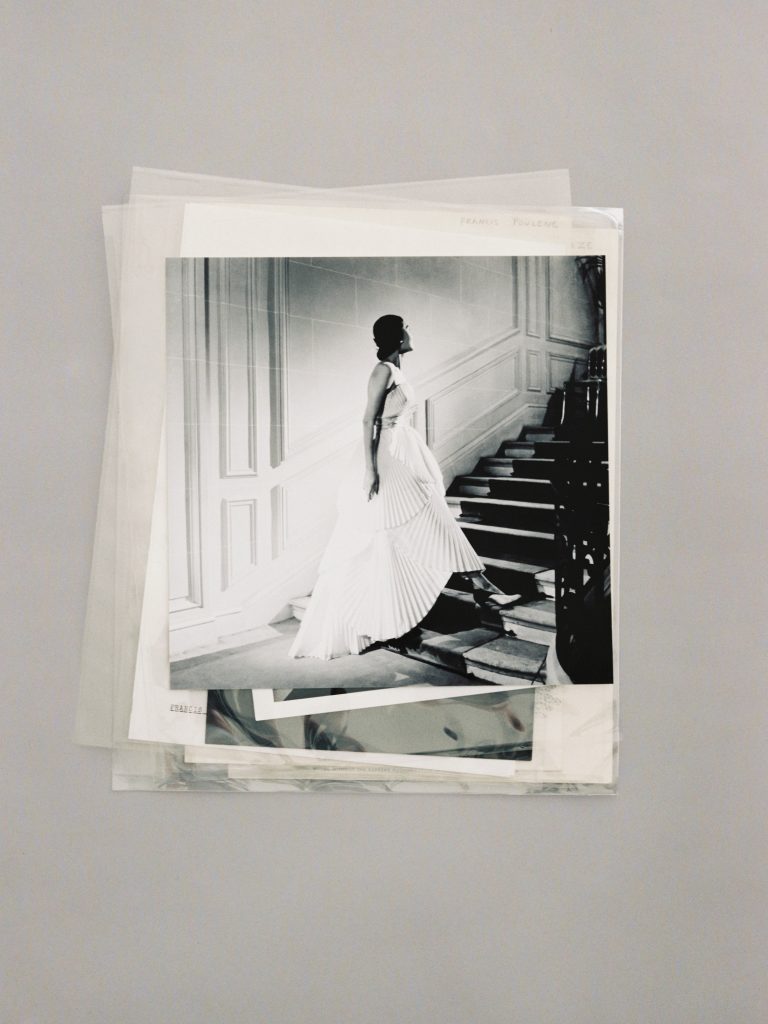
The 'Francis Poulenc' silhouette, named after the celebrated French composer and pianist who was a close friend of Christian Dior, emerged during the House's Spring-Summer 1950 haute couture collection—a pivotal moment in post-war French fashion when Dior's New Look had already begun reshaping the silhouette of an era.
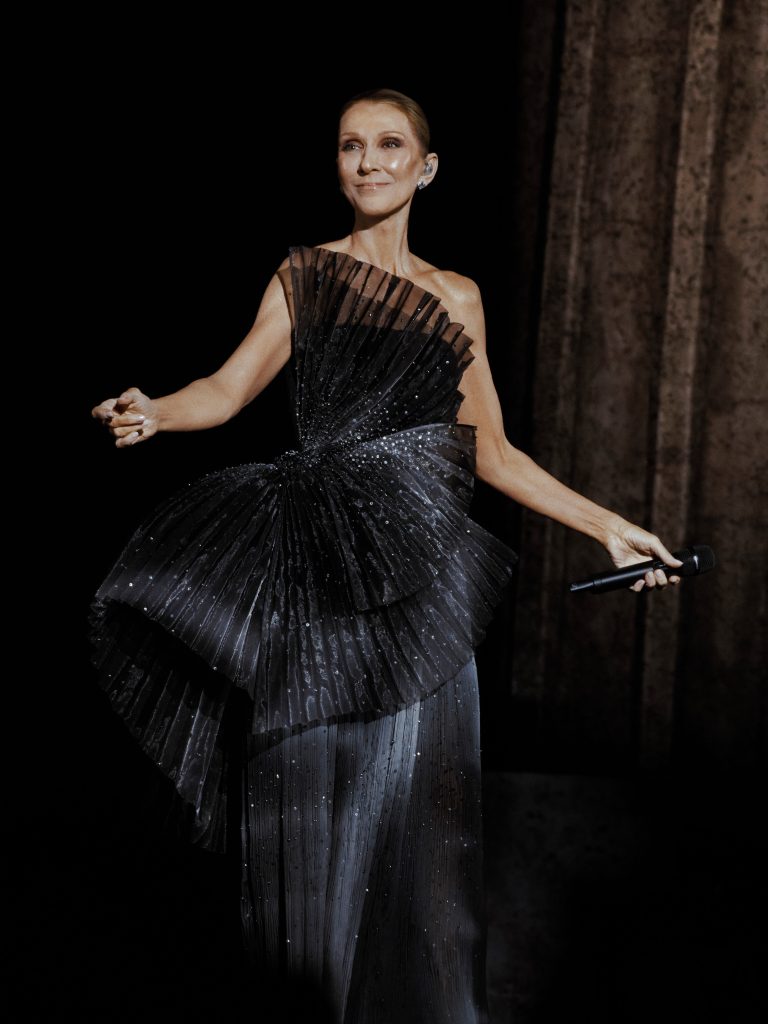
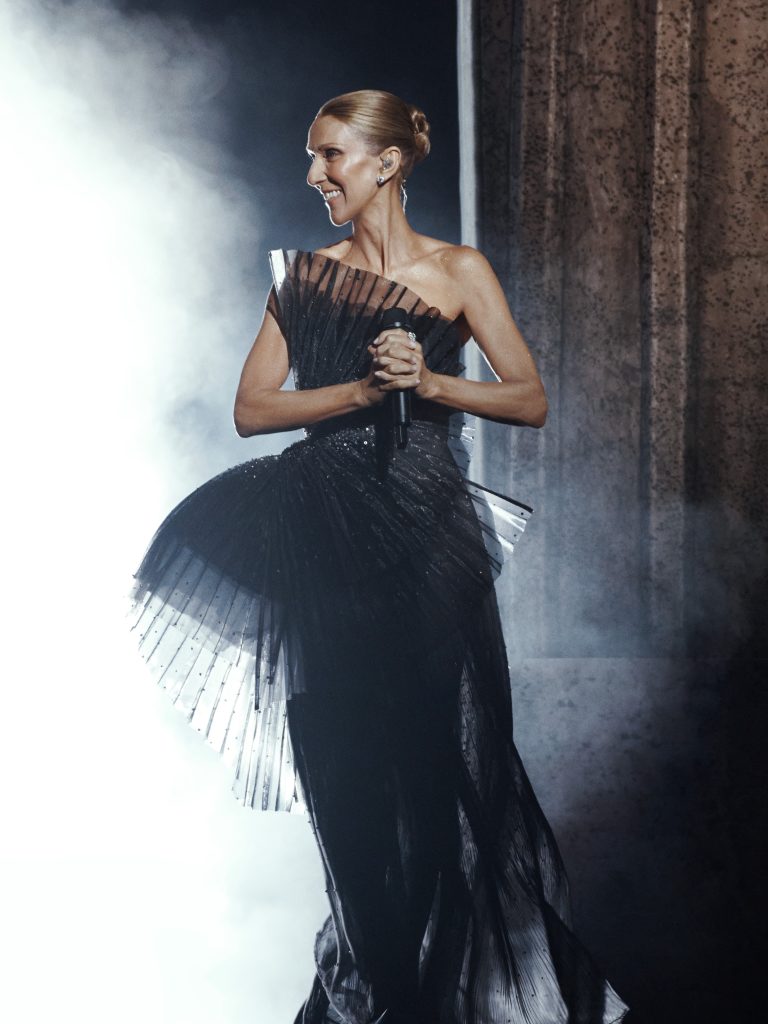
On 27 September 2026, that historical design found new resonance when Dior's Creative Director Jonathan Anderson unveiled his contemporary interpretation of this archival form as a custom gown for Céline Dion, worn during her concert in Paris.
The Francis Poulenc Legacy
Christian Dior's decision to name a silhouette after Poulenc reflected the designer's deep reverence for French artistic tradition and his social circles within Paris's cultural establishment. The 1950 collection represented a refinement of the New Look's revolutionary proportions—the exaggerated skirts and nipped waists that had dominated Dior's aesthetic since 1947. By mid-century, the house had begun exploring variations that acknowledged both innovation and restraint.
The Francis Poulenc silhouette embodied this balance: structured, elegant, and unmistakably Dior, yet rooted in the designer's appreciation for French cultural figures beyond fashion itself. That a silhouette bore a composer's name underscored Dior's philosophy that haute couture existed within a larger ecosystem of artistic achievement.
Anderson's Contemporary Interpretation
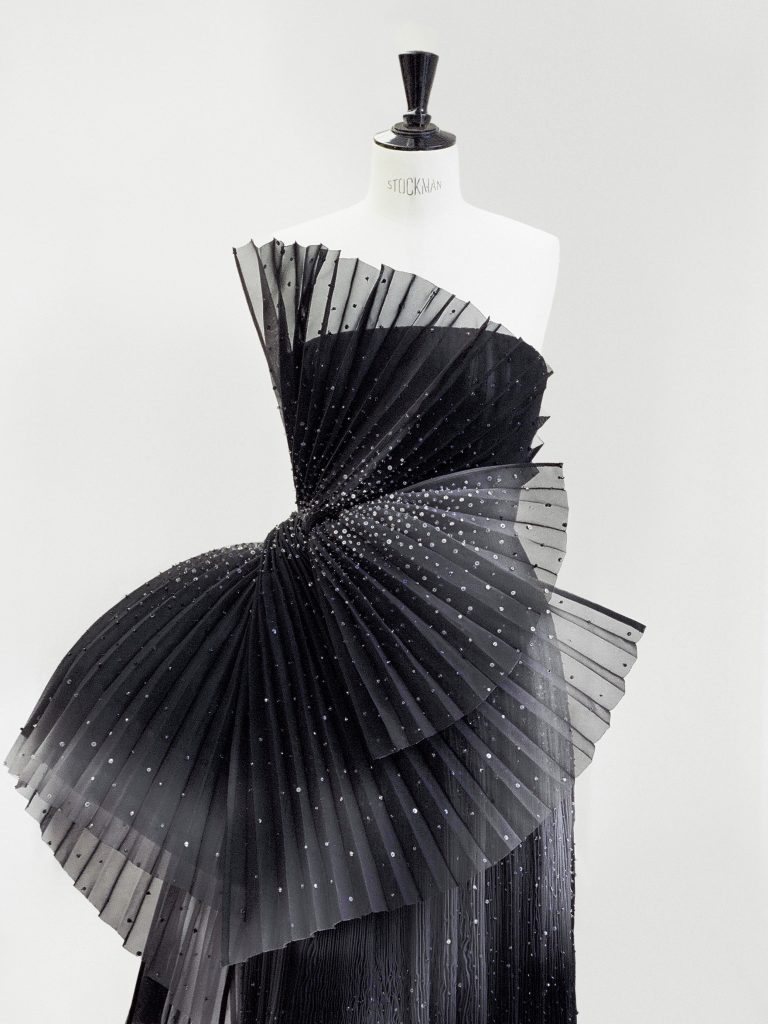
Jonathan Anderson assumed the role of Creative Director at Dior in 2023, bringing a design vocabulary informed by his previous decades at JW Anderson and his conceptual approach to tailoring and form. His reinterpretation of the Francis Poulenc silhouette for Dion demonstrates the balance Anderson has navigated at the house: honouring the archive's foundational codes whilst introducing contemporary sensibility.
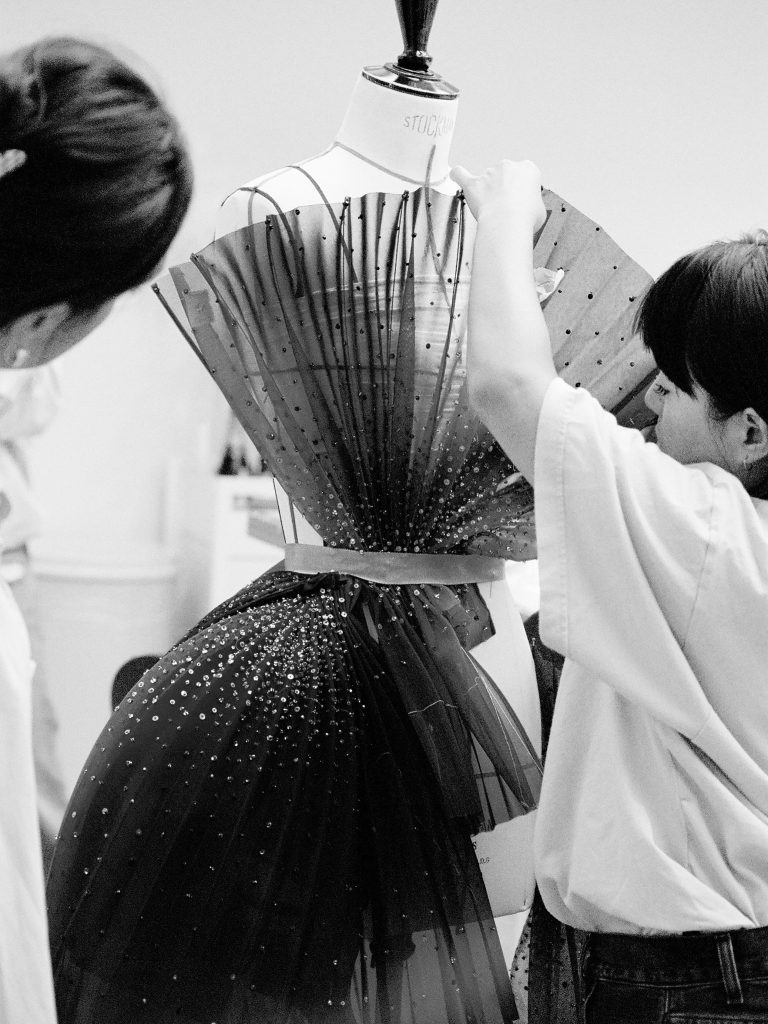
The custom gown created for Dion's performance reflects this duality. Rather than a literal reproduction, Anderson's version engaged with the silhouette's essential proportions and spirit—the formal geometry that made it distinctive—whilst adapting the design to the demands of a modern performance context. This approach exemplifies how historic haute couture designs can be revisited not as nostalgia, but as living references within the house's ongoing narrative.
Haute Couture as Personal Commission
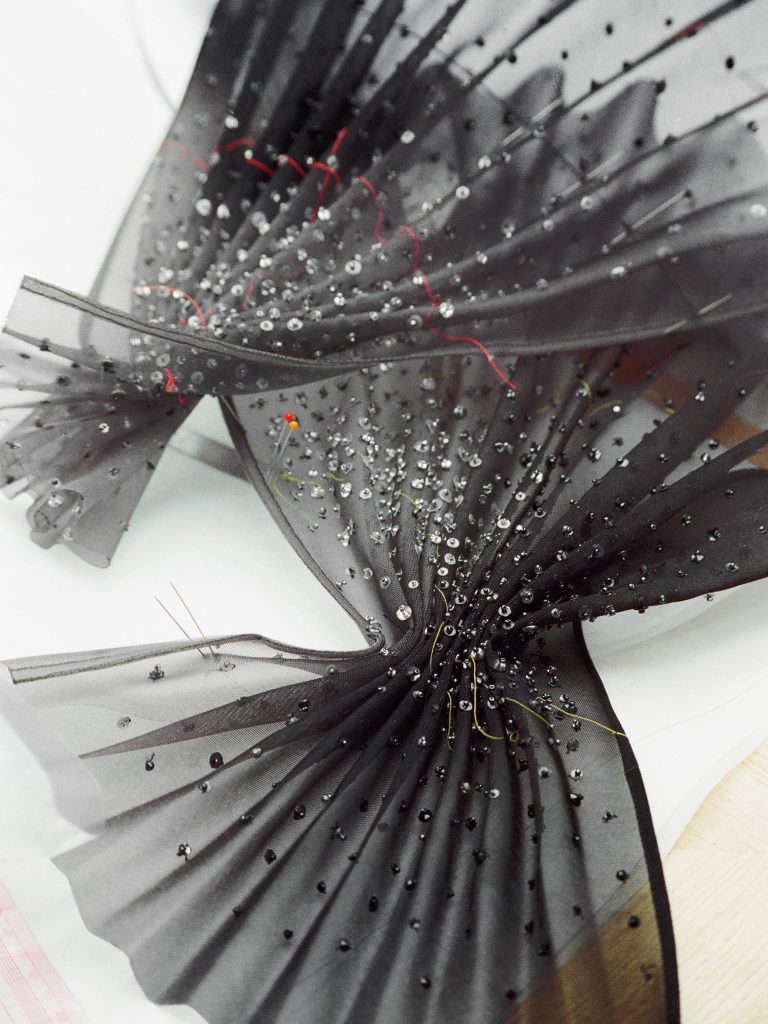
The creation of a bespoke gown for a performance of such cultural significance—a major artist returning to the concert stage in her home city—represents haute couture at its most essential function: a garment conceived for a specific person, occasion and moment. Custom commissions of this calibre involve extensive consultation, multiple fittings, and the skills of atelier artisans who specialise in construction techniques that industrial production cannot replicate.
Dion's choice to wear Dior for this Parisian performance carries its own resonance. The singer's career has intersected with moments of sartorial significance; commissioning a custom gown from the house underscores both the occasion's importance and the continuing relevance of haute couture as a vehicle for marking pivotal moments in an artist's public life.
Anderson's reinterpretation of the Francis Poulenc silhouette demonstrates that historic design codes remain malleable and generative—capable of yielding new expressions when engaged thoughtfully by a contemporary vision. In creating this gown for Dion, the Creative Director produced not a revival but a dialogue between Dior's foundational language and the present moment.
Key Facts
- Silhouette Name: Francis Poulenc
- Original Collection: Dior Spring-Summer 1950 Haute Couture
- Silhouette Named After: Francis Poulenc, French composer, pianist and close friend of Christian Dior
- Creative Director: Jonathan Anderson
- Wearer: Céline Dion
- Occasion: Concert in Paris, 27 September 2026
The Simply Luxury View
For collectors and observers of haute couture, this commission illustrates a critical distinction within Dior's current practice: the house operates simultaneously as custodian of an influential archive and as a space for contemporary creation. Jonathan Anderson's interpretation of an early 1950s silhouette reveals how archival research informs innovation rather than constraining it. The 'Francis Poulenc' design, rooted in Dior's appreciation for French cultural figures, gains resonance when revisited for a performer of international stature—demonstrating that haute couture remains a language capable of speaking to specific individuals and moments.
The commission also underscores the enduring logic of custom haute couture: that certain occasions and individuals warrant garments conceived outside the constraints of seasonal collections. In an era when luxury increasingly emphasises personalisation, Dior's atelier tradition—involving months of craftsmanship and direct dialogue between designer, artisan and client—represents a form of luxury that accumulates meaning rather than depreciates.
Official brand website: dior.com
Imagery is used for editorial purposes. All rights remain with the respective owners, photographers and licensors.
Imagery courtesy of Dior Official (@dior).