
John Chamberlain’s Estate Collection Arrives at Sotheby’s: A Survey of Three Decades in Sculptural Innovation
AI-assisted voice playback. Starts only when you choose Play.
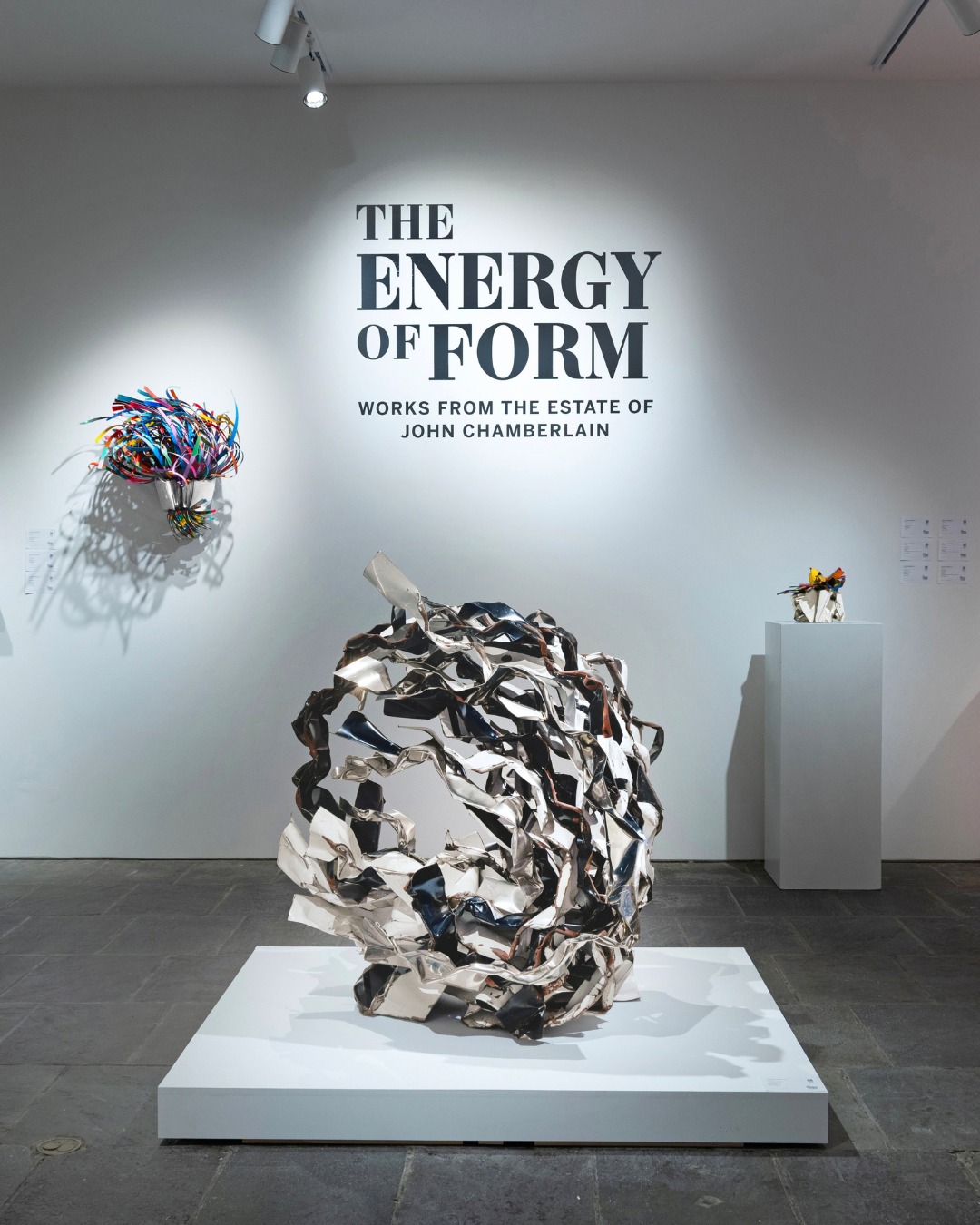
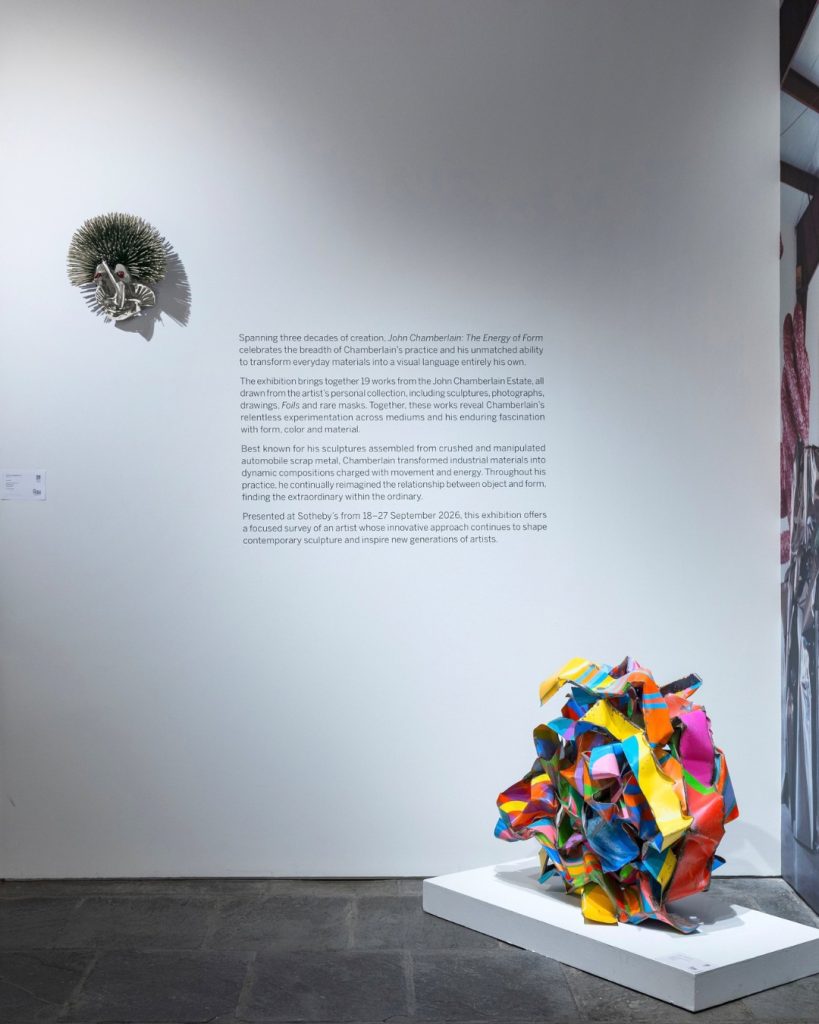
Few twentieth-century artists proved as relentless in their refusal of hierarchy as John Chamberlain. Where others saw waste—crumpled aluminium foil, fragments of discarded automobiles—he perceived the raw material for a visual language of extraordinary invention. This autumn, Sotheby's New York has mounted what amounts to a definitive retrospective of his practice, drawing from the artist's own estate to present the breadth of a career that fundamentally recalibrated how sculpture might engage with the quotidian.
'The Energy of Form: Works from the John Chamberlain Estate' unfolds across three decades of creation, uniting both sculptural works and works on paper within a single exhibition space. The presentation has been structured as a selling exhibition, positioned alongside Independent 20th Century at the Breuer, one of Manhattan's most architecturally significant gallery venues. For collectors and institutions alike, it represents a rare opportunity to engage directly with the full spectrum of an artist whose influence extends far beyond the sculptural canon.
Reframing Material as Metaphor
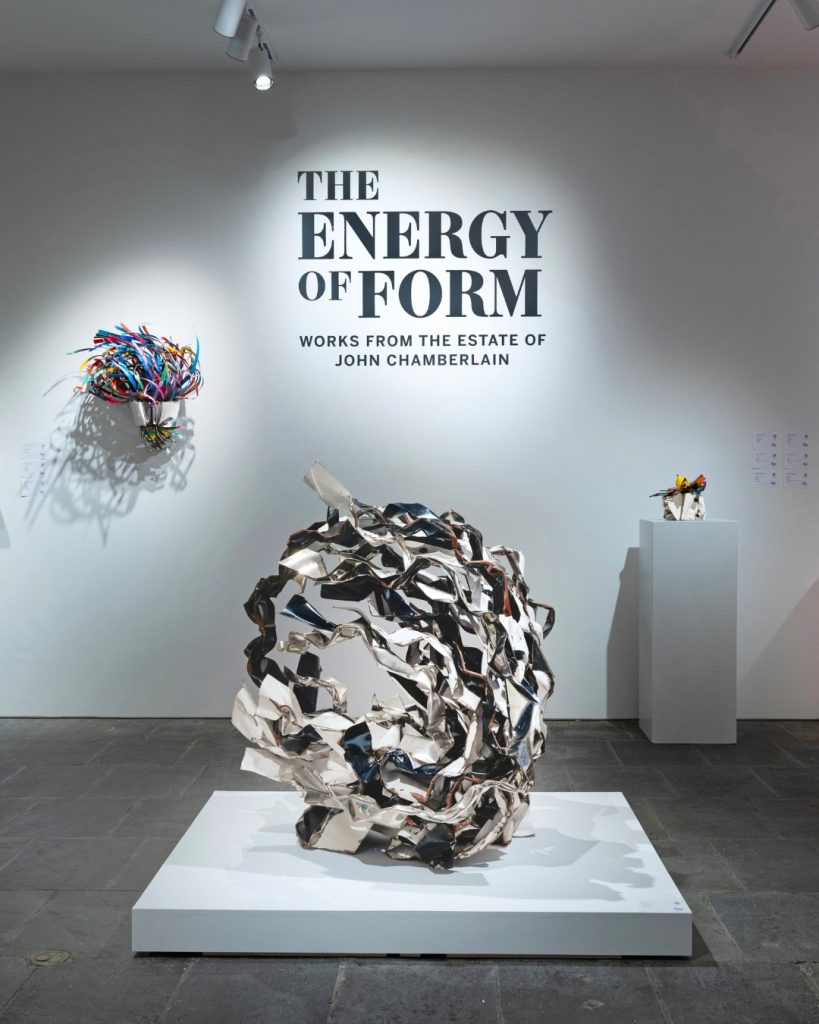
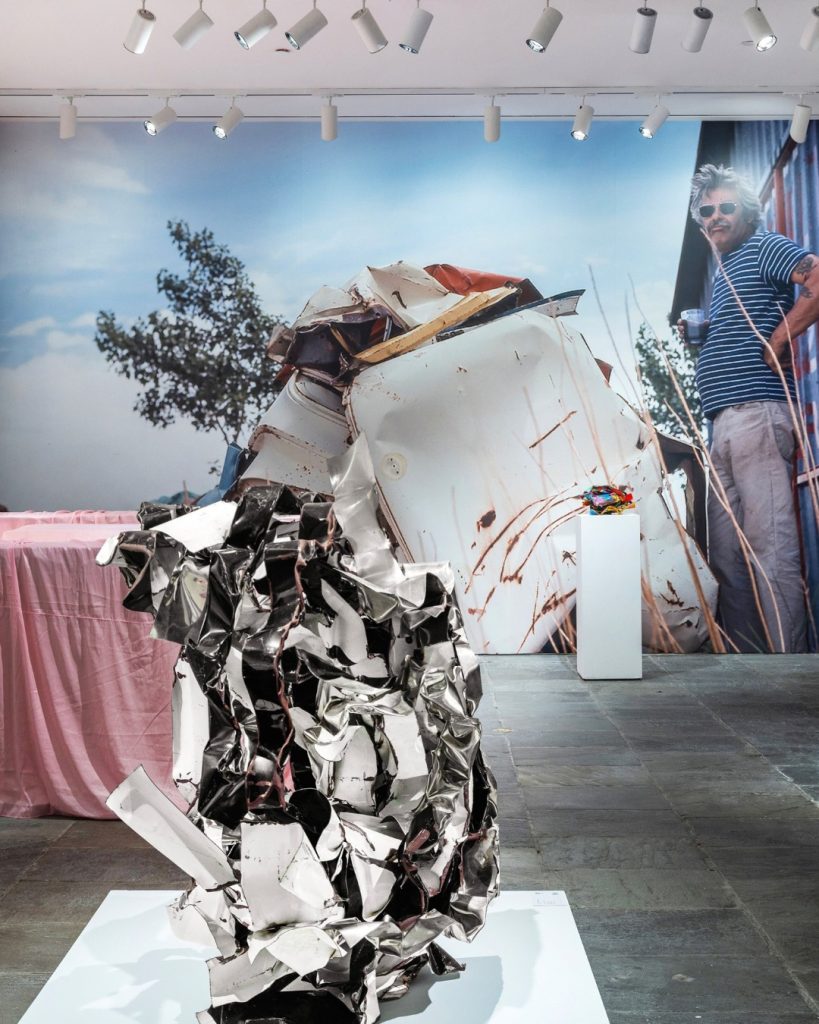
Chamberlain's working method rested upon a profound democratisation of materials. Rather than beginning with preconceived form and seeking appropriate substance, he allowed the inherent properties of found objects to dictate the direction of his enquiry. A sheet of crumpled foil became not a preliminary study but a finished work; automobile parts, salvaged from junkyards, were reassembled into monumental sculptures that retained the visual memory of their previous lives. This conceptual inversion—treating the discarded as the precious—proved foundational to his aesthetic philosophy and remains central to understanding his enduring significance within postwar abstraction.
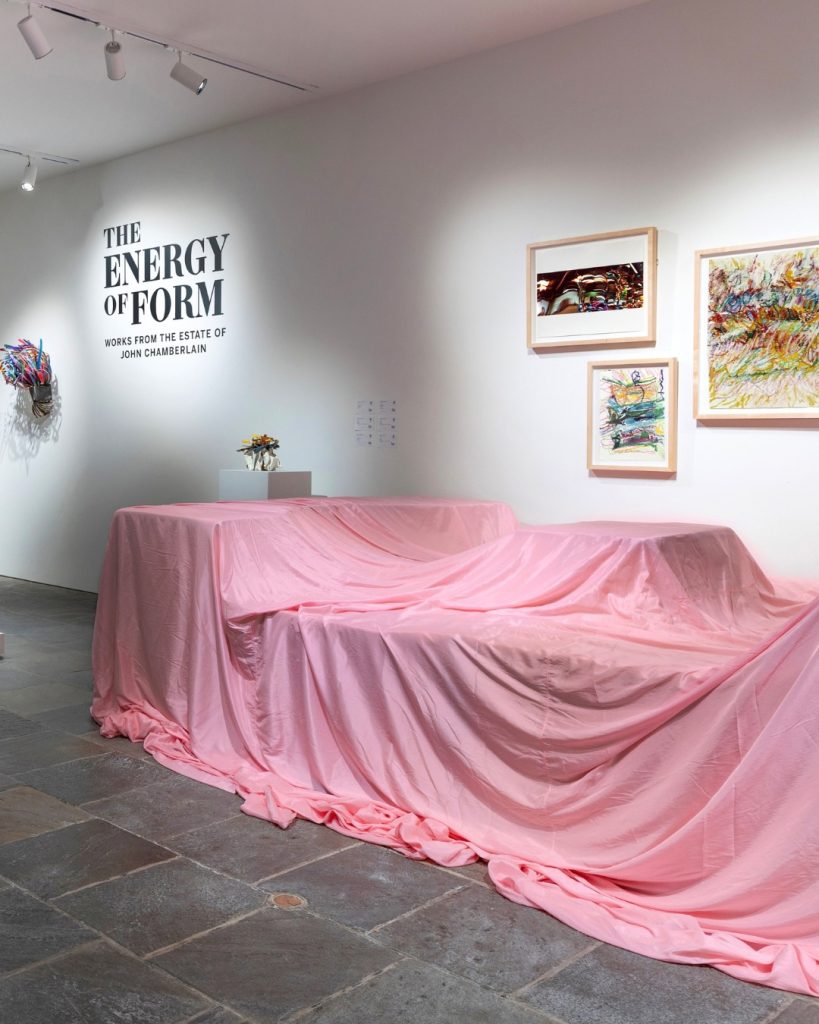
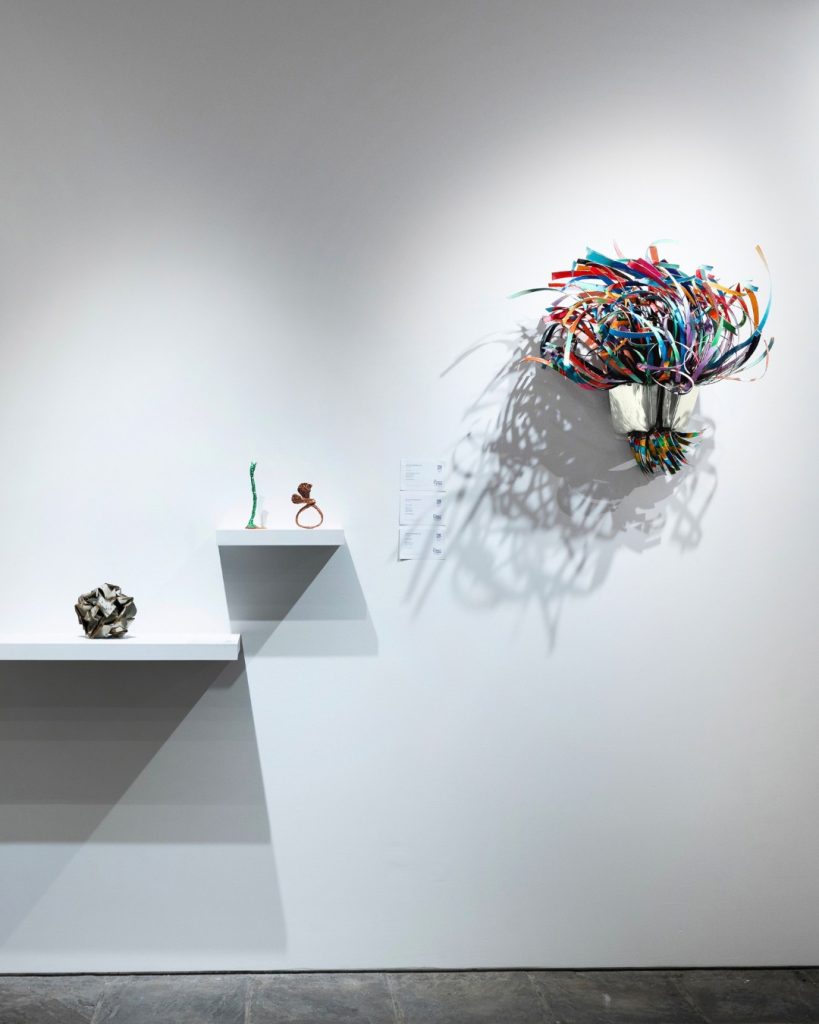
The exhibition demonstrates the remarkable consistency of this approach across multiple media. Sculptural works maintain the same investigative rigour visible in his works on paper, each medium revealing Chamberlain's preoccupation with how form emerges from the negotiation between artist intention and material constraint. The papers, in particular, show a hand utterly uncompromising in its pursuit of compositional truth, compositions that echo the spatial complexity of his larger installations without sacrificing the intimacy that smaller works inevitably possess.
A Selling Exhibition as Living Archive
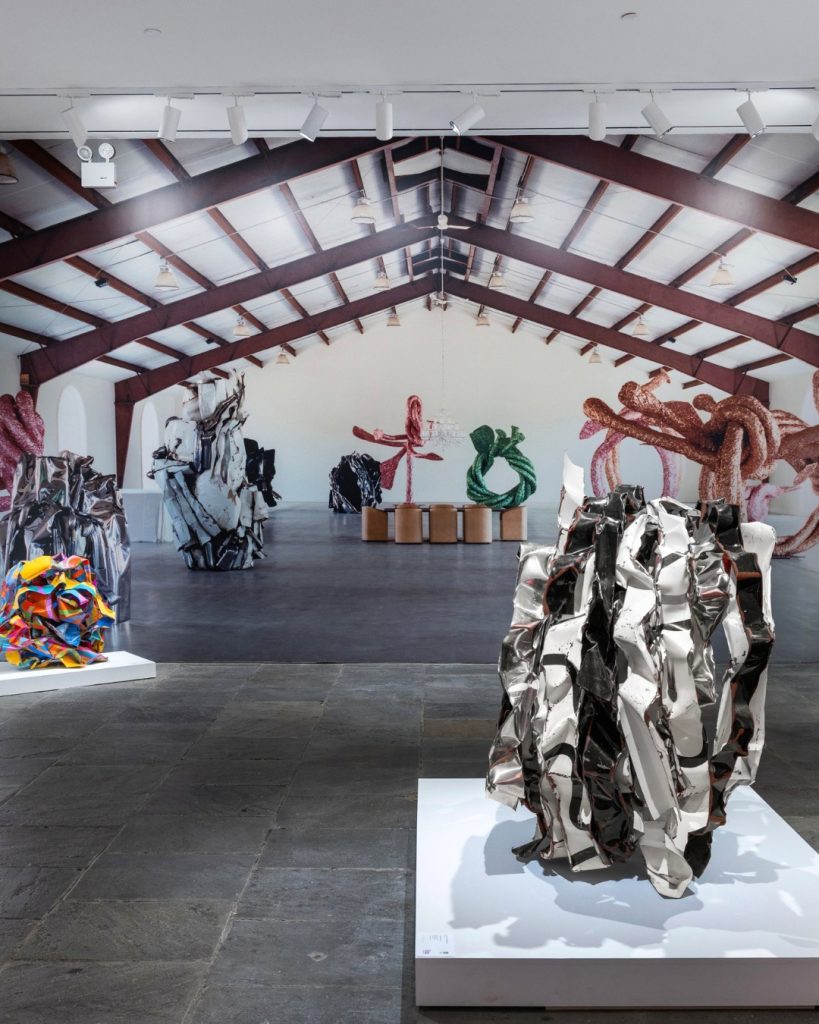
The designation of this presentation as a selling exhibition carries particular significance. Rather than existing as a historical survey frozen in time, the works remain available for acquisition, allowing the collection to continue its dispersal into institutions, private holdings and new contexts. This model reflects contemporary thinking about how estates are managed and how canonical artists remain active participants in the art market rather than becoming purely historical figures.
The inclusion of works on paper alongside sculpture underscores a curatorial decision to resist compartmentalisation. Where institutional retrospectives often separate drawing from three-dimensional work, this exhibition insists upon their integral relationship. The result is a more complete portrait of Chamberlain's creative process, one that privileges the continuity of artistic thought across different physical and conceptual territories.
For collectors approaching Chamberlain's work for the first time, the exhibition offers an unusually comprehensive entry point. The range of scale, material and formal approach visible across three decades suggests an artist in perpetual dialogue with his own practice, never content to repeat successful formulas and always willing to interrogate the fundamental question of what sculpture might become when freed from conventional expectations of material hierarchy and finish.
The final day of the exhibition marks the conclusion of a significant moment in how Chamberlain's legacy is being shaped and distributed. For those who have yet to encounter these works in person, the closing presents both an endpoint and, for collectors who secure pieces during this selling period, a significant new beginning.
Key Facts
- Exhibition Title: The Energy of Form: Works from the John Chamberlain Estate
- Institution: Sotheby's New York
- Venue: The Breuer
- Exhibition Format: Selling exhibition
- Works Included: Sculpture and works on paper spanning three decades
- Co-presented With: Independent 20th Century
The Simply Luxury View
This exhibition matters not as a retrospective gesture toward a completed career, but as a moment of active reconstitution. Chamberlain's insistence that materials conventionally regarded as base could sustain major artistic ambition remains radical and urgent. In a moment when contemporary art continues to grapple with questions of sustainability, material ethics and the value of the discarded, his legacy feels not historical but prophetic.
For serious collectors, the estate presentation offers access to works that define twentieth-century American sculpture at its most uncompromising. The breadth of materials and scales represented here—from intimate works on paper to monumental sculptural installations—ensures that acquisition can occur at various levels of engagement and investment, yet each work carries the full authority of an artist who never compromised his vision for commercial convenience or critical fashion.
Imagery is used for editorial purposes. All rights remain with the respective owners, photographers and licensors.
Imagery courtesy of Sotheby's (@sothebys).