ALEXANDRE ARNAULT BRINGS LUXURY BRAND-BUILDING TO NIKE’S BOARD
Nike announced Alexandre Arnault’s board appointment on 16 September, following the board’s decision effective 15 September, adding the LVMH executive’s experience at Rimowa, Tiffany & Co. and Moët Hennessy to the sportswear group’s turnaround.
AI-assisted voice playback. Starts only when you choose Play.
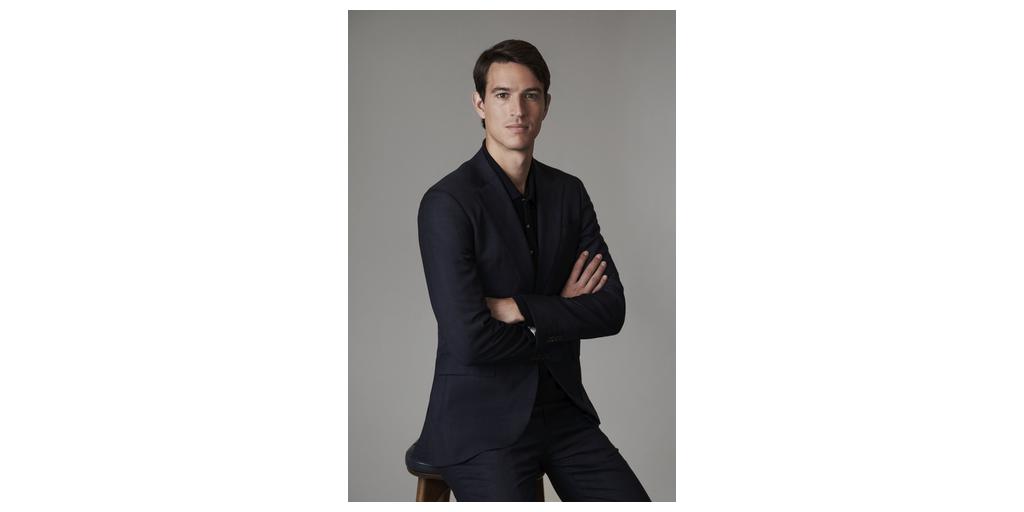
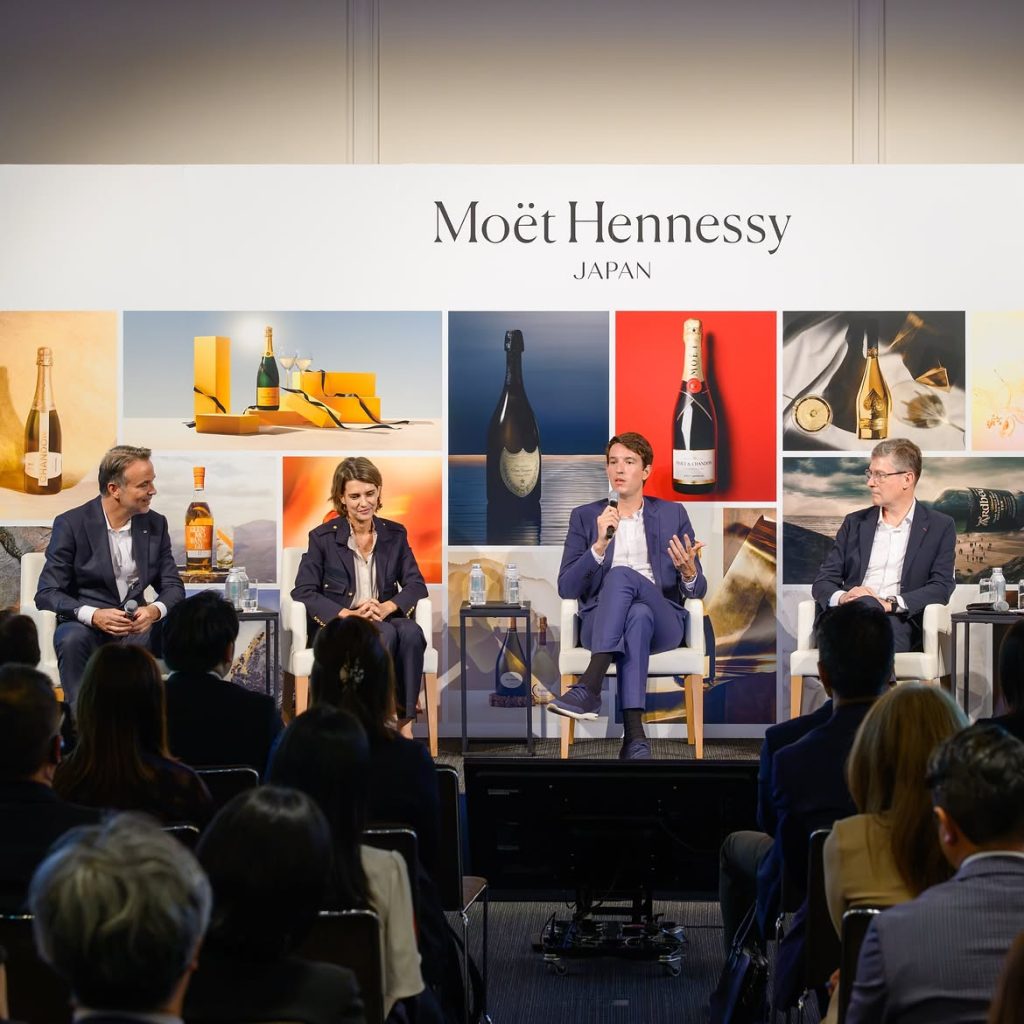
Nike has added a distinctly luxury-trained voice to its board. The board appointed Alexandre Arnault as a director on 15 September, and the company announced the appointment on 16 September, when the Financial Times published its report. Arnault, 34, is deputy chief executive of Moët Hennessy and one of Bernard Arnault’s five children working across the LVMH group.
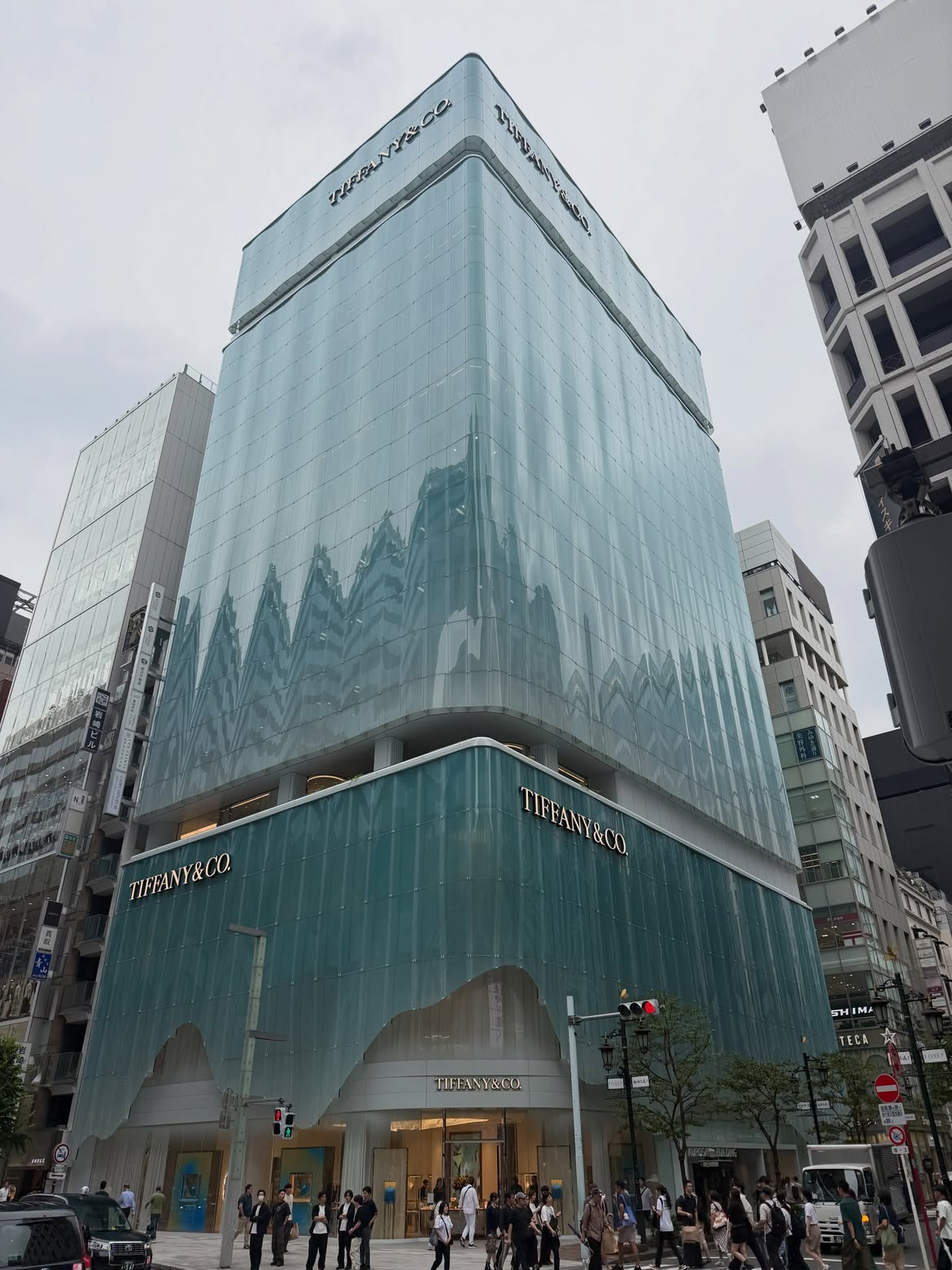
The appointment is notable because Arnault’s career has repeatedly sat at the intersection of product, cultural relevance and pricing power. He led Rimowa after LVMH acquired the German luggage maker, helping recast a utilitarian aluminium case as a fashion object. At Tiffany & Co., he was closely associated with collaborations and communications designed to bring a historic jeweller into sharper dialogue with younger clients.
A board appointment with strategic symbolism
Nike executive chair Mark Parker said Arnault had built a reputation for helping iconic global brands evolve, innovate and grow in a complex market. That is precisely the problem facing Nike. The sportswear leader is attempting to recover momentum after overreliance on established franchises and a direct-to-consumer push that reduced its presence with important retail partners.
A director does not design shoes or run merchandising. The value of the appointment lies in governance, challenge and perspective: questioning how a brand protects scarcity, when collaboration adds meaning, how stores express identity and where product innovation must replace promotional noise.
Sport and luxury are moving closer
Arnault’s arrival also reflects a broader convergence. LVMH has built a deeper relationship with sport through the Paris 2024 Olympic Games, Formula 1 and the Arnault family’s investment in Paris FC. Nike, meanwhile, has long demonstrated that performance products can carry the emotional and collecting behaviours more commonly associated with luxury.
The strongest bridge between the two worlds is not price alone. It is the ability to make technical objects culturally significant. Rimowa’s cases, Tiffany’s jewellery collaborations and Nike’s most desired footwear all depend on design recognition, storytelling and controlled distribution.
A test of relevance rather than pedigree
Arnault said he had been a lifelong admirer of Nike’s relationship with sport, innovation and creativity. The harder task begins after the announcement. Nike’s turnaround requires stronger newness in its core product, better relationships with consumers and wholesalers, and a clearer reason to pay attention beyond the Swoosh itself.
His appointment will inevitably attract attention because of the Arnault name. Its real significance will be measured more quietly: whether board-level thinking shaped by luxury can help one of the world’s largest brands restore desire without confusing it with exclusivity.