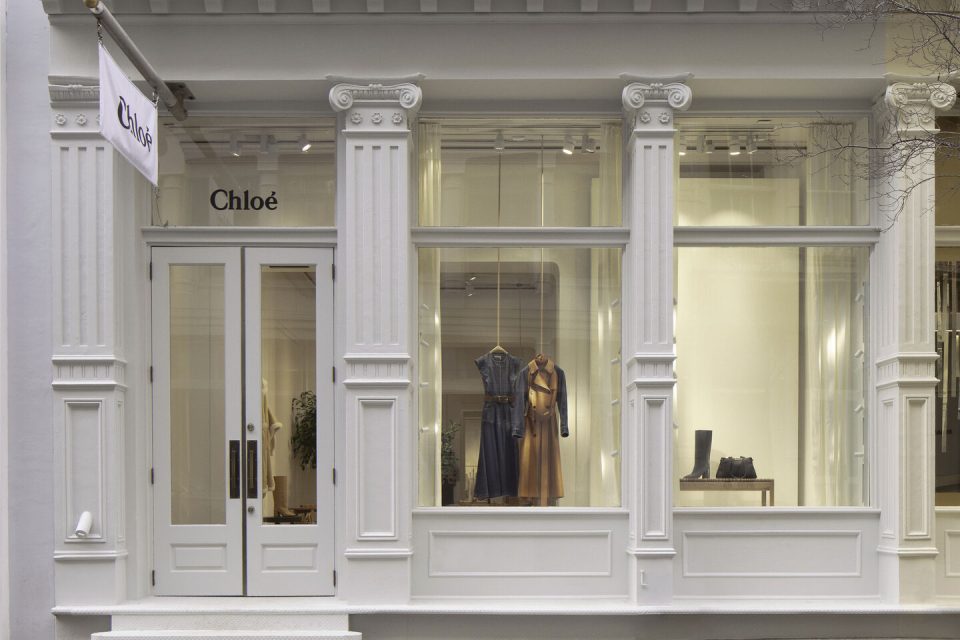
From the Fendi Baguette and Chloé Paddington to Balenciaga’s Le City and the Louis Vuitton Speedy, younger luxury consumers are turning fashion archives into a discovery channel — and maisons are responding with strategic re-editions.
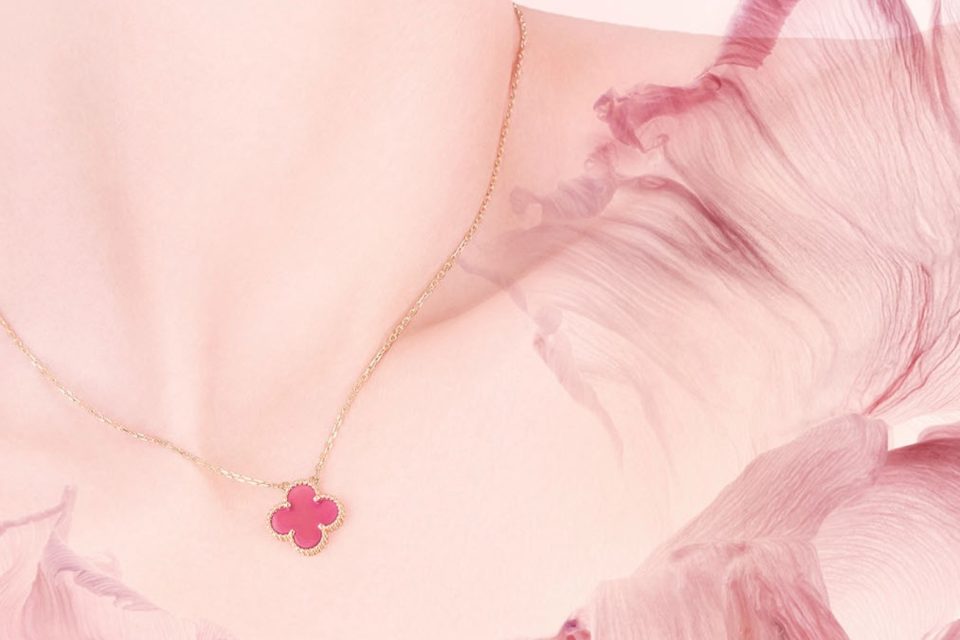
For the first time, enamel enters Van Cleef & Arpels’ Alhambra collection in five yellow-gold creations, using a vivid translucent pink developed over several years in the Maison’s own workshops.
Shanghai-born ICICLE is accelerating its international ambitions with Kering as a strategic minority partner and Sabato De Sarno newly installed as creative director, testing whether a distinctly Chinese luxury house can build lasting global desire.
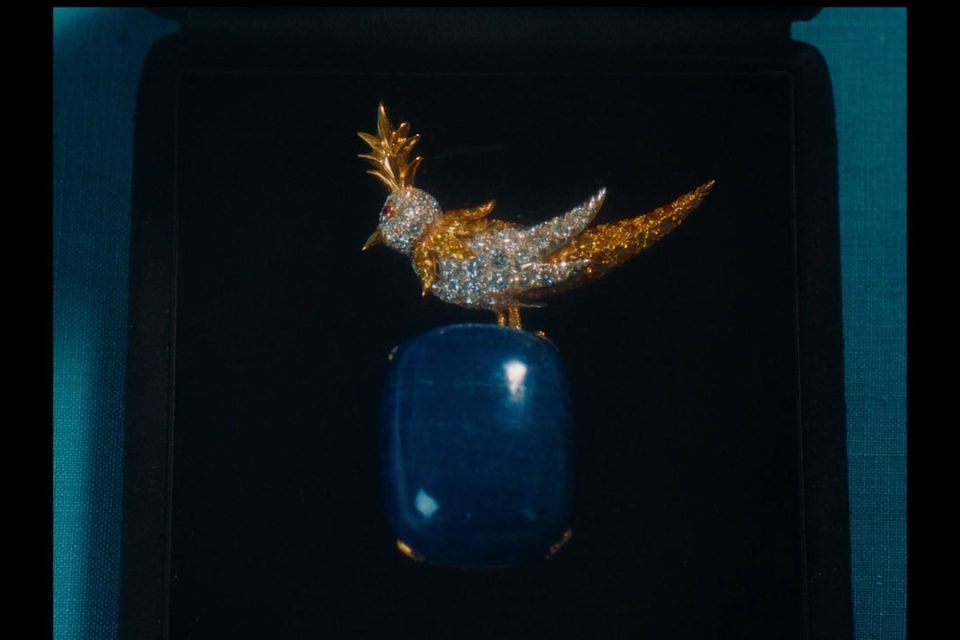
Tiffany & Co. extends Jean Schlumberger’s 1965 Bird on a Rock into new Wings and Feathers creations, shifting the focus from the famous bird to the architecture of flight itself.
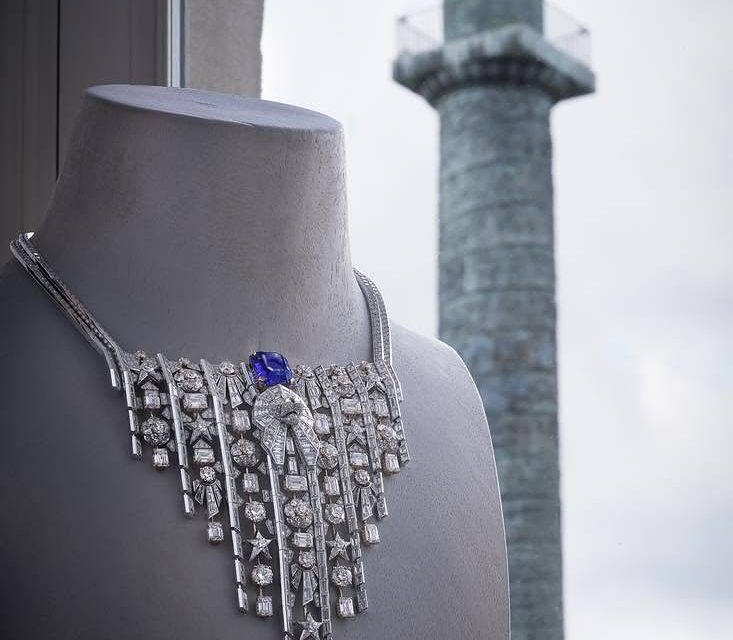
The Imprimé Lion necklace gathers Chanel’s lion, camellia, star and sun around a 20.66-carat Sri Lankan sapphire, turning house mythology into an extraordinary feat of flexible high-jewellery construction.
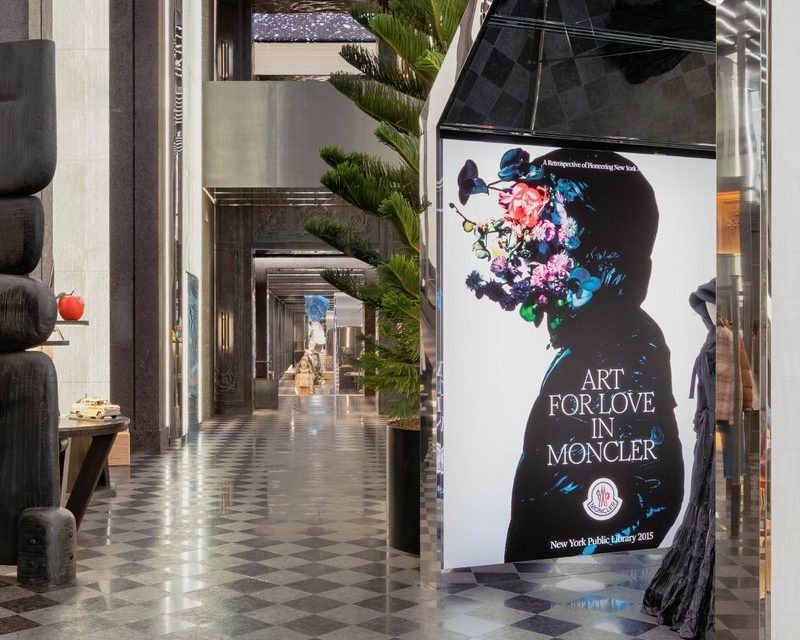
Moncler’s 2,200-square-metre Fifth Avenue flagship translates alpine materiality into a two-level New York brand world, with an entire floor dedicated to Grenoble.
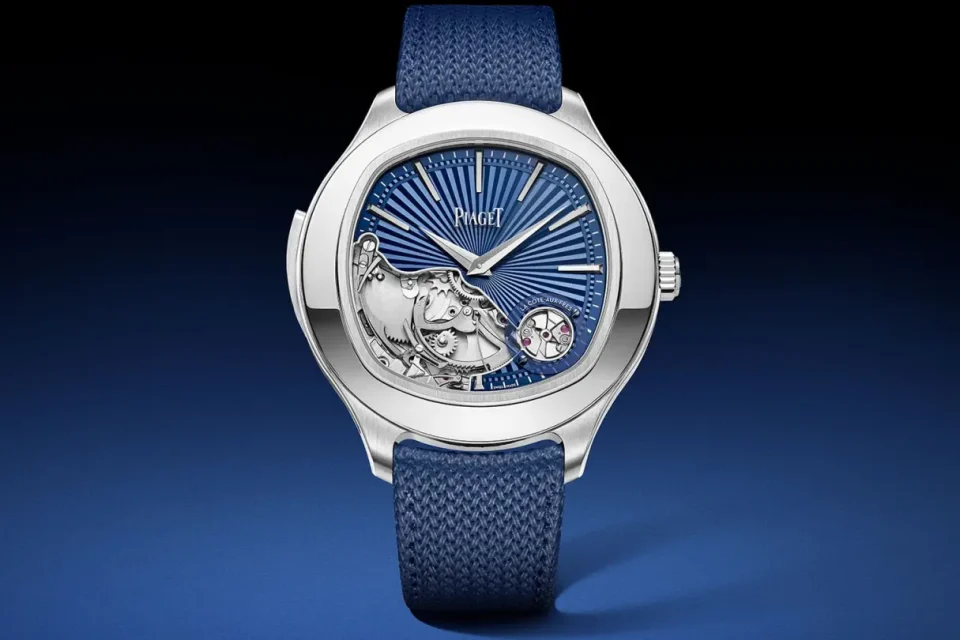
The minute repeater is one of those complications that exposes a watchmaker immediately. A perpetual calendar can hide complexity beneath a composed dial; a repeater must perform in public. Pull the slide and the movement has to measure the time, strike hours and minutes in sequence
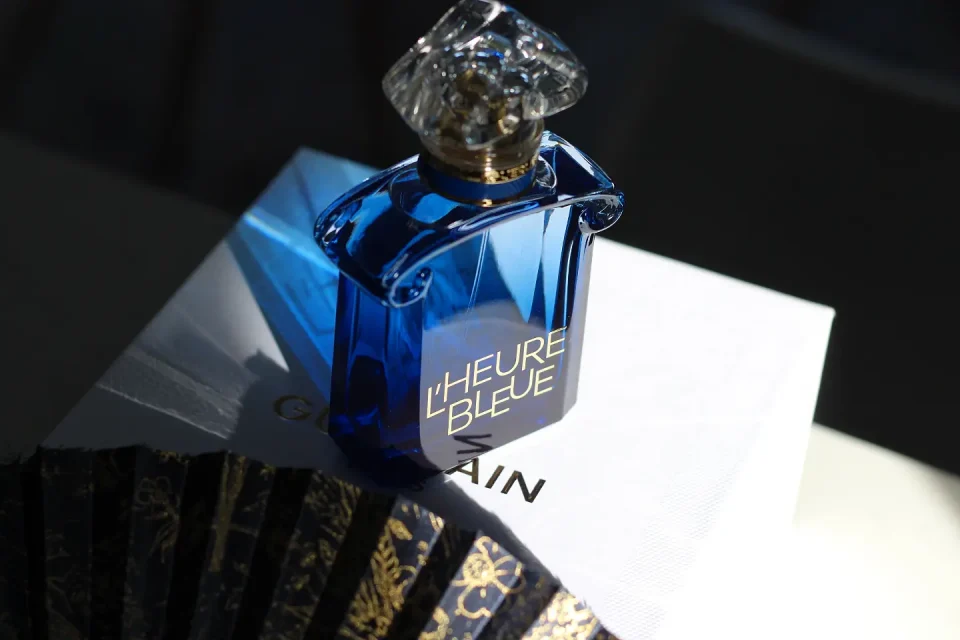
Some fragrances survive because they remain unchanged; others survive because a house is willing to risk revisiting them. L'Heure Bleue belongs to the second category. Jacques Guerlain created the original in 1912 after being inspired by the suspended light between day and night.
Hublot built its modern reputation by making the improbable look normal: gold with rubber, ceramics in saturated colours, carbon composites, transparent sapphire and collaborations that traditional Swiss watchmaking once might have dismissed as theatre.
Succession in luxury is rarely a simple question of replacing one chief executive with another. The most powerful groups are built from family influence, voting structures, creative houses and long-term capital, which means authority moves through several layers at once.