
BMW Recalibrates the Sports Sedan: The New 3-Series and i3 Define Dual-Power Ambition
AI-assisted voice playback. Starts only when you choose Play.
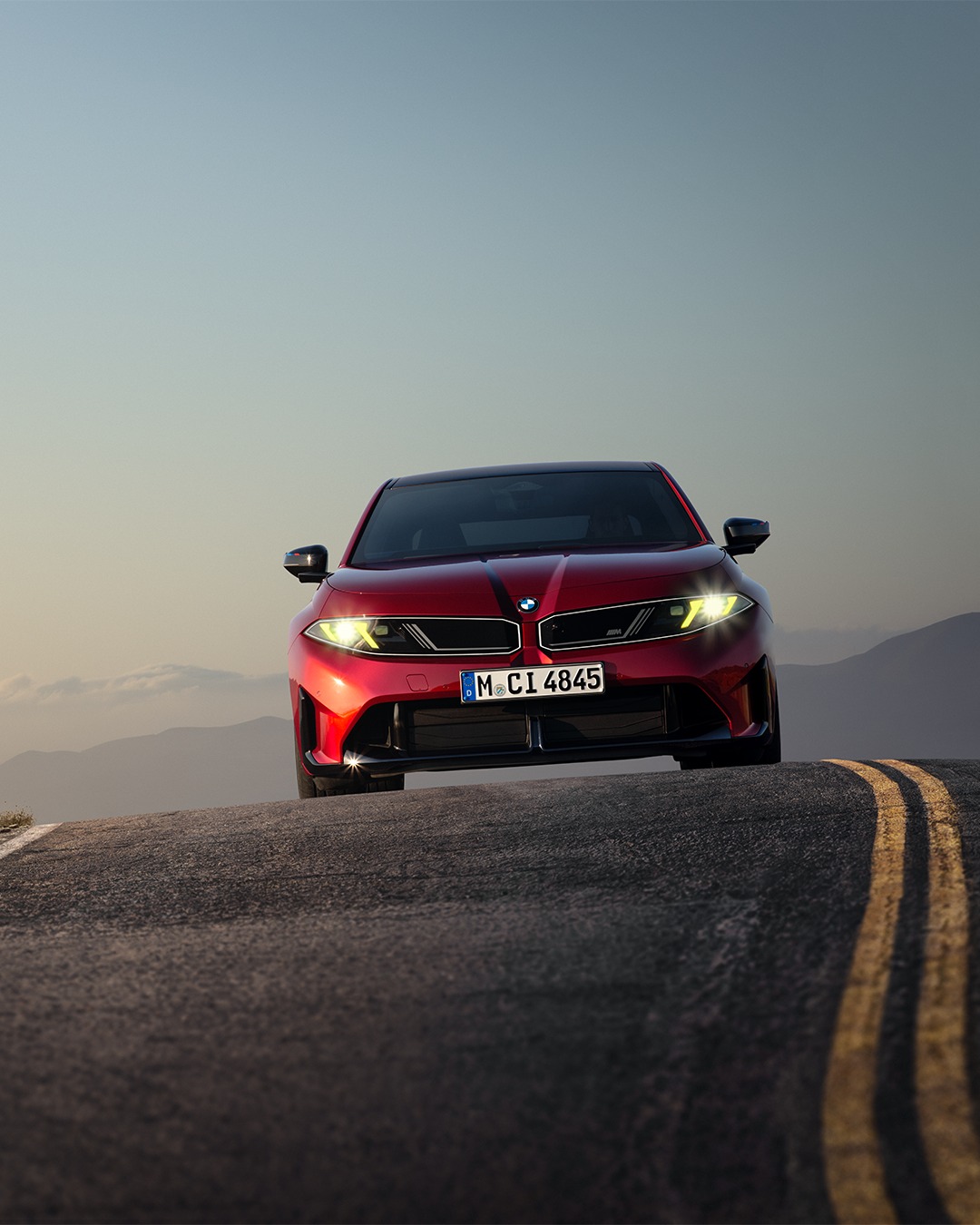
The sports sedan, long BMW's calling card in the premium compact segment, has never existed in such philosophical duality. On 29 September 2026, the Munich marque introduced simultaneous generations of the 3-Series and the i3—one anchored in internal combustion, the other wholly electric—each claiming to set the pace for their respective powertrains.
This parallel release embodies not a brand in transition, but one deliberately hedging its future across two distinct customer mentalities: the traditionalist who prizes the visceral engagement of petrol propulsion, and the progressive buyer for whom electrification is not compromise but conviction.
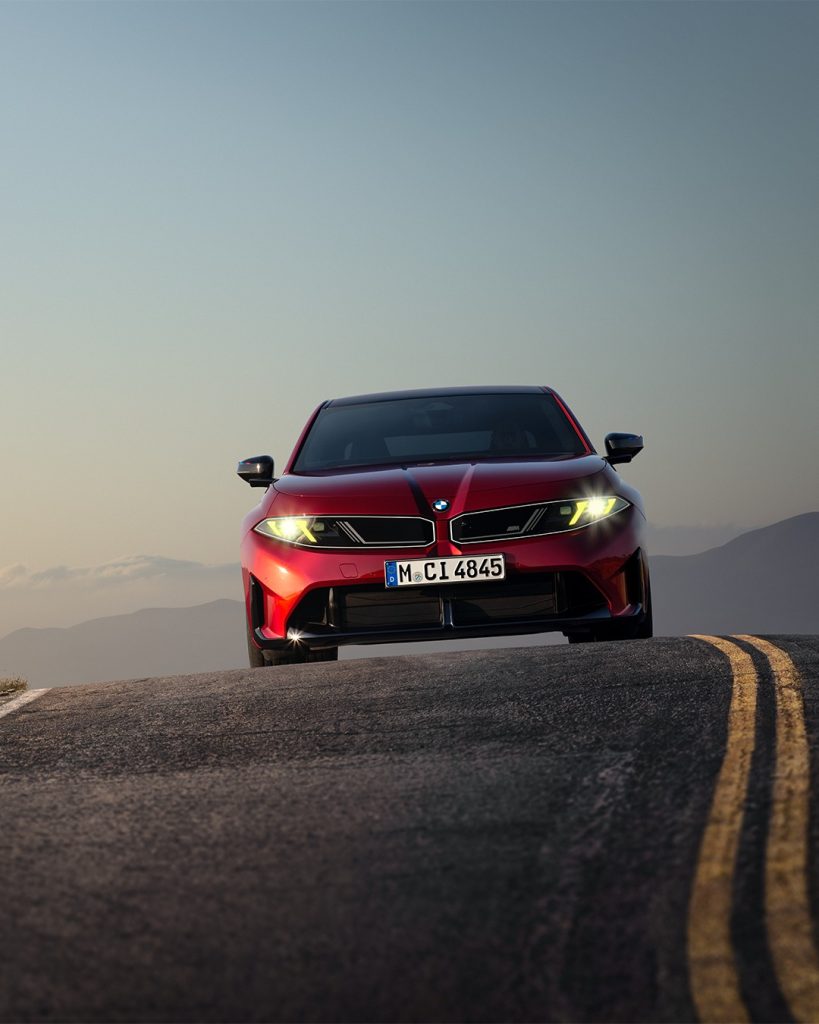
Petrol Lineage Preserved
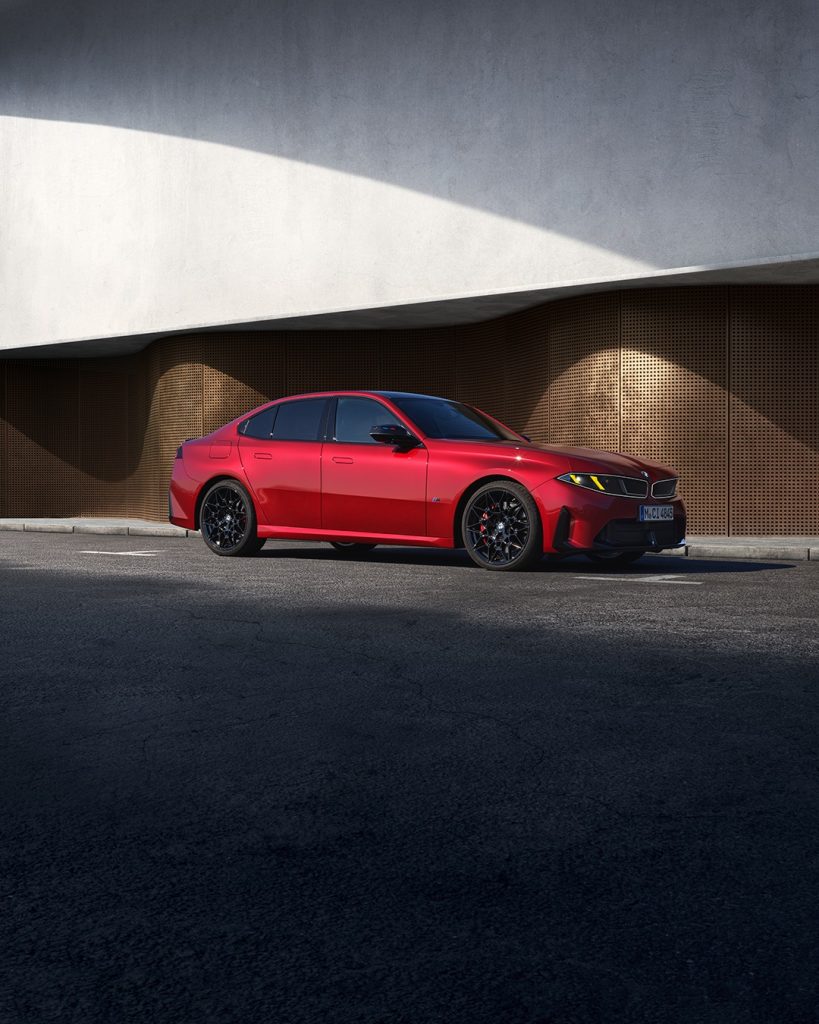
The petrol-powered new 3-Series maintains BMW's strategic command of the entry-luxury sedan market. The 320 variant achieves a combined fuel consumption of 7.5 litres per 100 kilometres, with CO₂ emissions of 169 grams per kilometre—positioning it within the F efficiency class. Above it sits the M350 xDrive, consuming 8.2 litres per 100 kilometres with 187 grams of CO₂ per kilometre output, placing it in the G class.
The existence of both models, separated by power and performance hierarchy, reflects BMW's enduring commitment to granular segmentation within the 3-Series family. Each addresses distinct buyer expectations: the 320 targets efficiency-conscious luxury purchasers; the M350 xDrive appeals to those unwilling to sacrifice sporting character at the altar of environmental consciousness.
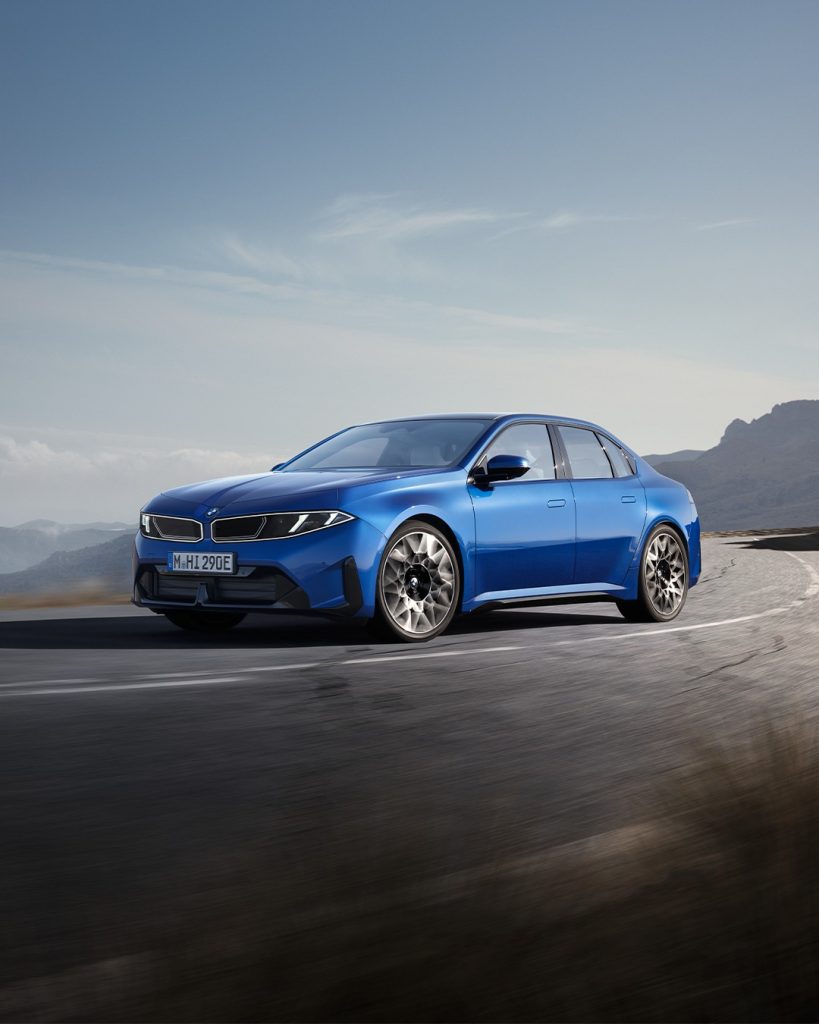
The Electric Reimagining
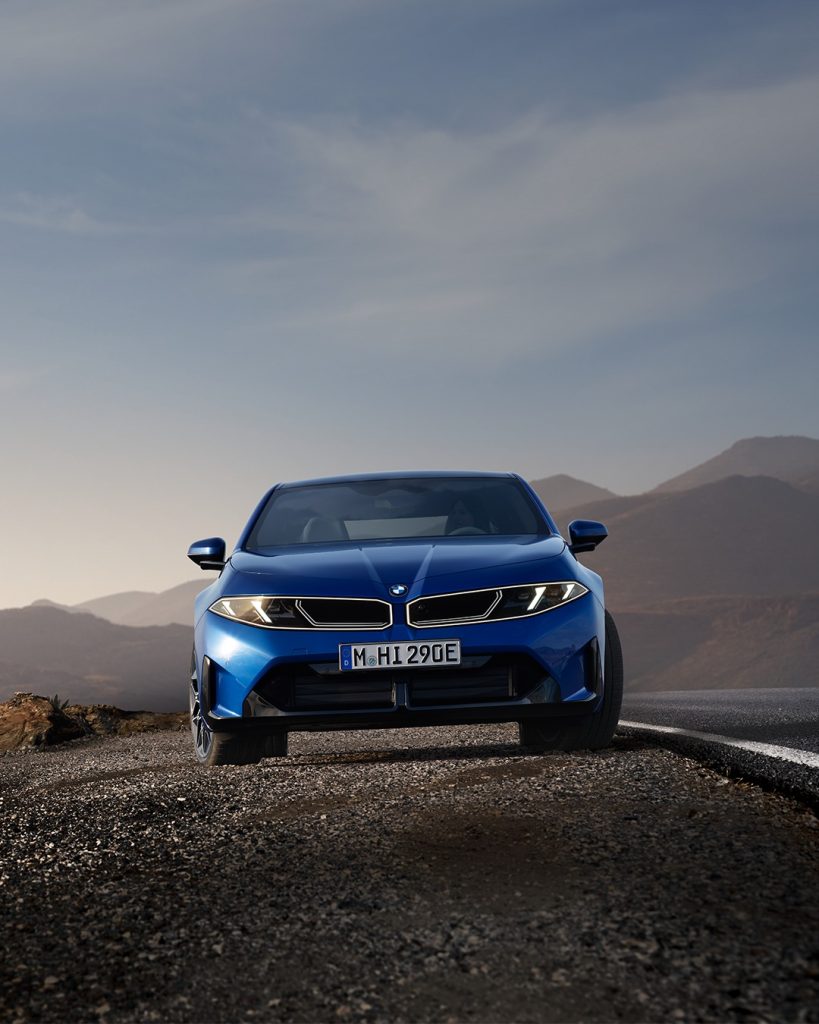
The new i3 50 xDrive represents the electrified proposition. With a WLTP combined range between 729 and 912 kilometres, it positions itself as a credible daily driver freed from the charge-anxiety that has historically constrained electric vehicle adoption in the premium compact category. Energy consumption stands between 13.4 and 18.0 kilowatt-hours per 100 kilometres, with zero direct emissions.
The dual-motor xDrive architecture, evident in the i3 50 designation, signals that all-electric sportiness need not be a compromise. The vast range variance—183 kilometres across the specification—likely reflects real-world driving conditions and configuration choices, offering transparency that luxury buyers increasingly demand.
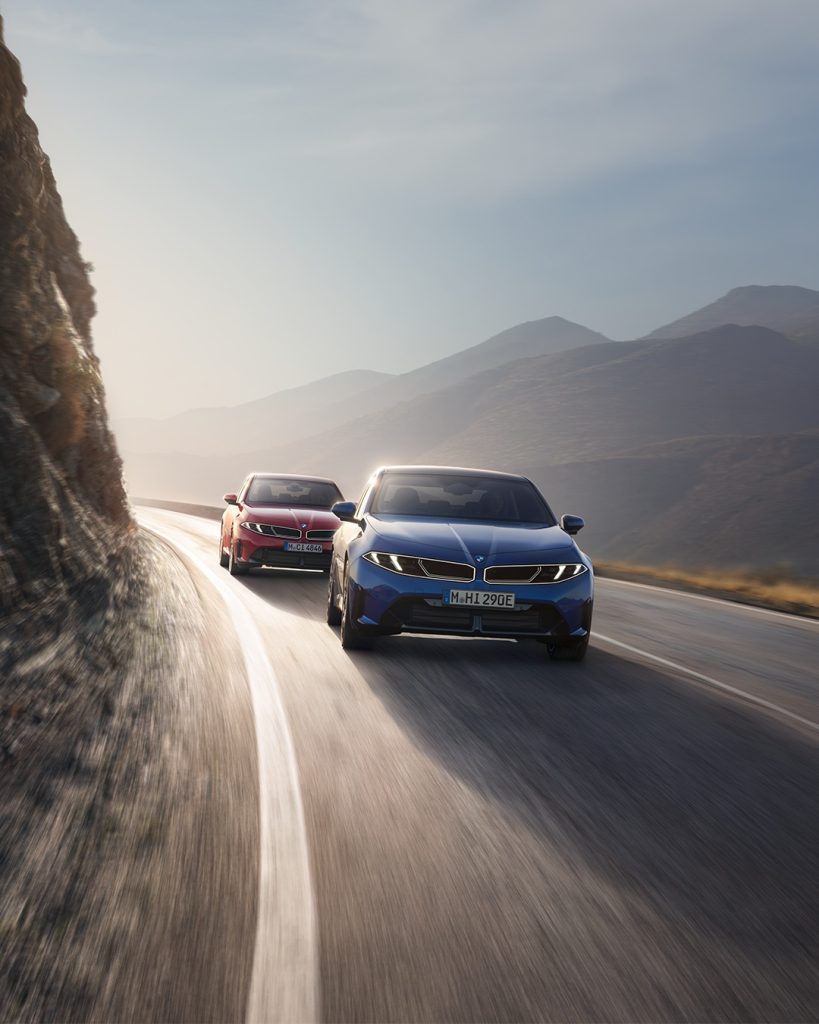
Strategic Positioning Within Neue Klasse
Both vehicles form part of BMW's broader Neue Klasse initiative—the German term translating loosely as "New Class," and signalling a generational reset in design language, technology integration and manufacturing philosophy. Rather than retiring traditional powertrains in favour of wholesale electrification, this programme permits the coexistence of both, allowing the market itself to determine the pace of transition.
For a brand built upon the principle of *Freude am Fahren*—the joy of driving—this dual-track approach refuses to concede that pleasure belongs exclusively to either combustion or electrons. The 3-Series and i3 launch in tandem as philosophical equals, each claiming to embody that founding principle through entirely different means.
The 2026 refresh of BMW's compact luxury flagships arrives without the triumphalism of full electrification, nor the stubborn nostalgia of petrol-alone conservatism. Instead, it presents the market with choice—a luxury in itself, afforded only to manufacturers secure enough in their engineering prowess to excel across multiple propulsion systems simultaneously.
Key Facts
- BMW 320 Combined Fuel Consumption: 7.5 litres per 100 kilometres
- BMW 320 Combined CO₂ Emissions: 169 grams per kilometre
- BMW M350 xDrive Combined Fuel Consumption: 8.2 litres per 100 kilometres
- BMW i3 50 xDrive WLTP Range: 729–912 kilometres
- BMW i3 50 xDrive Energy Consumption: 13.4–18.0 kWh per 100 kilometres
- Powertrain Options: Petrol and all-electric
The Simply Luxury View
For the discerning international buyer, this dual launch resolves a tension that has shadowed the luxury automotive market for half a decade: the false choice between technological progress and driving pleasure. BMW's willingness to invest equally in both petrol and electric 3-Series variants signals confidence that the market remains heterogeneous—that a Parisian banker and a Copenhagen industrialist may harbour entirely different powertrain convictions, and both deserve an authentic, fully-realised BMW.
Historically, the 3-Series has defined competitive benchmark; rivals have perpetually measured themselves against its dynamism, efficiency and prestige. The i3 50 xDrive, with its 912-kilometre range ceiling, now positions BMW's electric variant as competitive not merely within EV segments but within the broader sedan landscape. This is significant: the electric version claims parity with petrol, not inferiority disguised as progress.
Official brand website: bmw.com
Imagery is used for editorial purposes. All rights remain with the respective owners, photographers and licensors.
Imagery courtesy of BMW (@bmw).