
BMW Unveils the Reimagined 3 Series and i3: Dual Powertrains Define the Next Generation
AI-assisted voice playback. Starts only when you choose Play.
BMW has unveiled refreshed iterations of two cornerstone vehicles in its global portfolio: the 3 Series and the i3. Both arrive with a fundamental choice at their core—conventional internal combustion or full electrification—reflecting the manufacturer's dual-path commitment to powertrain diversity during an era of technological transition.
The announcement underscores a deliberate philosophy: that discerning drivers should not sacrifice driving character for environmental responsibility, nor compromise electric capability for mechanical tradition.
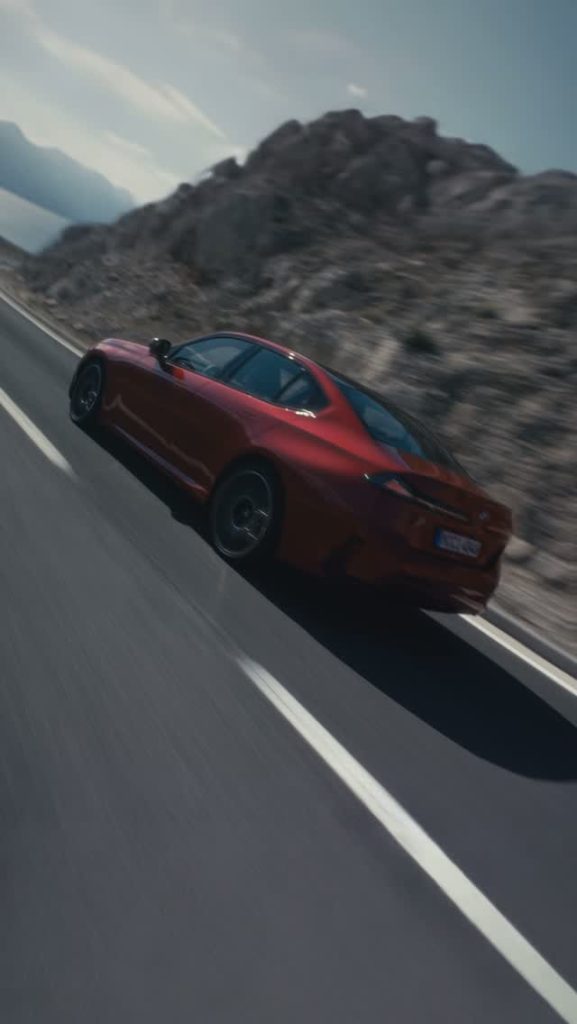
A Dual-Fuel Philosophy
The latest 3 Series and i3 iterations exemplify BMW's measured approach to the automotive future. Rather than abandonment of petrol engineering, the marque has chosen to offer both routes simultaneously, acknowledging that ownership preferences remain heterogeneous across global markets. The 3 Series continues its lineage with petrol variants, including a 320 model and a performance-oriented M350 xDrive option, whilst the i3 embraces full electric propulsion in a 50 xDrive configuration.
This stratified offering reflects the nuanced reality of contemporary luxury automotive ownership: not all regions possess comparable charging infrastructure; not all drivers maintain identical usage patterns; and not all buyers share identical environmental or performance priorities.
Electric Range and Efficiency
The i3 50 xDrive presents an all-electric operating range of between 729 and 912 kilometres on a single charge, according to WLTP combined measurements. Energy consumption sits between 18.0 and 13.4 kWh per 100 kilometres, with zero tailpipe emissions and an A-class CO₂ classification. These figures position the vehicle within the upper echelon of electric compact-luxury sedans currently available.
The conventional powertrains maintain classical efficiency credentials. The 320 petrol variant achieves 7.5 litres per 100 kilometres (WLTP combined) with 169 g/km CO₂ emissions and an F-class rating. The M350 xDrive, prioritising performance, records 8.2 litres per 100 kilometres with 187 g/km combined emissions.
Driving Dynamics Across Both Platforms
BMW's messaging emphasizes that the new generation has been engineered to deliver what the marque terms 'pulse-raising driving pleasure'—a formulation that suggests neither variant sacrifices the tactile engagement historically associated with the 3 Series brand. The introduction of the i3 alongside its petrol counterparts indicates that electric propulsion, in this iteration, is positioned not as compromise but as alternative expression of the same foundational design philosophy.
The availability of both conventional and battery-electric variants within a unified product family demonstrates confidence that the driving experience—cornering precision, throttle response, chassis composure—can remain consistent across competing powertrains, differentiating only in deployment method rather than fundamental character.
These new models arrive as BMW continues its Neue Klasse initiative, a broader programme intended to reshape the marque's design language, technology stack and manufacturing approach. The 3 Series and i3 represent not experimental concepts but production realities now available to markets worldwide, signalling that the dual-powertrain era is no longer theoretical but operational.
Key Facts
- i3 50 xDrive Electric Range: 729–912 km (WLTP combined)
- i3 50 xDrive Energy Consumption: 13.4–18.0 kWh/100 km (WLTP combined)
- i3 50 xDrive CO₂ Emissions: 0 g/km (A-class)
- BMW 320 Fuel Consumption: 7.5 l/100 km (WLTP combined)
- BMW M350 xDrive Fuel Consumption: 8.2 l/100 km (WLTP combined)
- Powertrain Options: Petrol (320, M350 xDrive) and all-electric (i3 50 xDrive)
The Simply Luxury View
For the global luxury motorist, this dual-powertrain strategy offers pragmatism without ideology. The petrol variants sustain the 3 Series' historical character whilst satisfying those for whom electric infrastructure remains incomplete; the i3's range figures—exceeding 900 kilometres—address the legitimate anxiety that has constrained EV adoption among long-distance users. Neither compromises the fundamental BMW compact-luxury proposition.
The announcement signals maturity in how legacy automotive manufacturers now approach electrification: not as abandonment of existing virtue but as expansion of choice. For collectors and daily users alike, the significance lies not in technological spectacle but in preservation—that driving engagement, handling precision and material quality remain non-negotiable across both powertrains.
Official brand website: bmw.com
Imagery is used for editorial purposes. All rights remain with the respective owners, photographers and licensors.
Imagery courtesy of BMW (@bmw).