
Burberry’s Iconic Outerwear Reimagined Through New York Expression
AI-assisted voice playback. Starts only when you choose Play.
There exists a particular alchemy in the way a city claims a garment as its own. Burberry's Trench has long belonged to London's streets, yet New York—with its restless hunger for reinvention and its gift for layering contradiction into a single look—has always understood the quiet power of a perfectly cut coat. This season, the house has turned its lens toward the American metropolis, inviting a constellation of the city's most arresting figures to articulate what these iconic pieces mean when worn with the confidence of conviction rather than the weight of tradition alone.
The collection spans four foundational silhouettes: the Trench in its pristine authority; the Car Coat with its structured brevity; the Puffer in quilted comfort; and the Quilt, that most capacious of statements. Each emerges as a blank canvas waiting for the particular grammar of individual gesture—the way a sleeve is pushed, the manner in which a collar is worn open or fastened, the small ceremonies of fastening and unravelling that transform a garment from uniform into declaration.
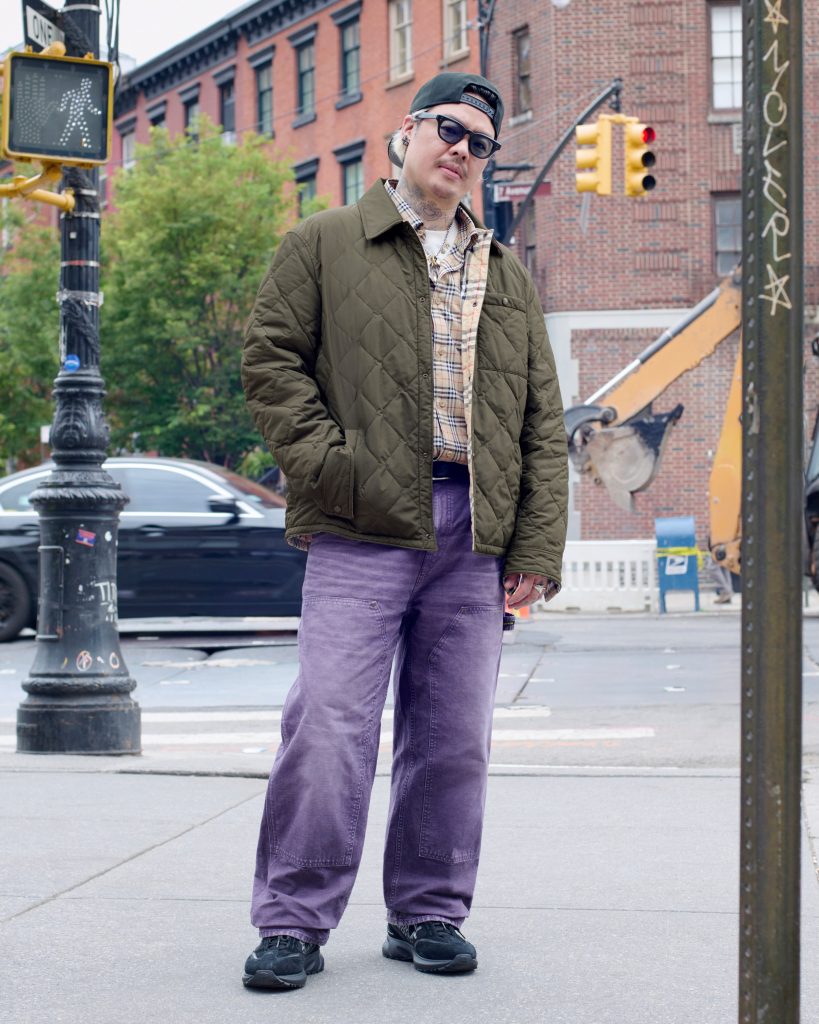
The Silhouettes
The Trench requires no introduction. Since its genesis, it has been the thinking woman's uniform—a garment that speaks without shouting, that ages into character rather than obsolescence. Here, worn by Scarlett White and Maayan Zilberman, it reads as both protection and proposition, a frame for the body that asks nothing save that the wearer move through the world with intention.
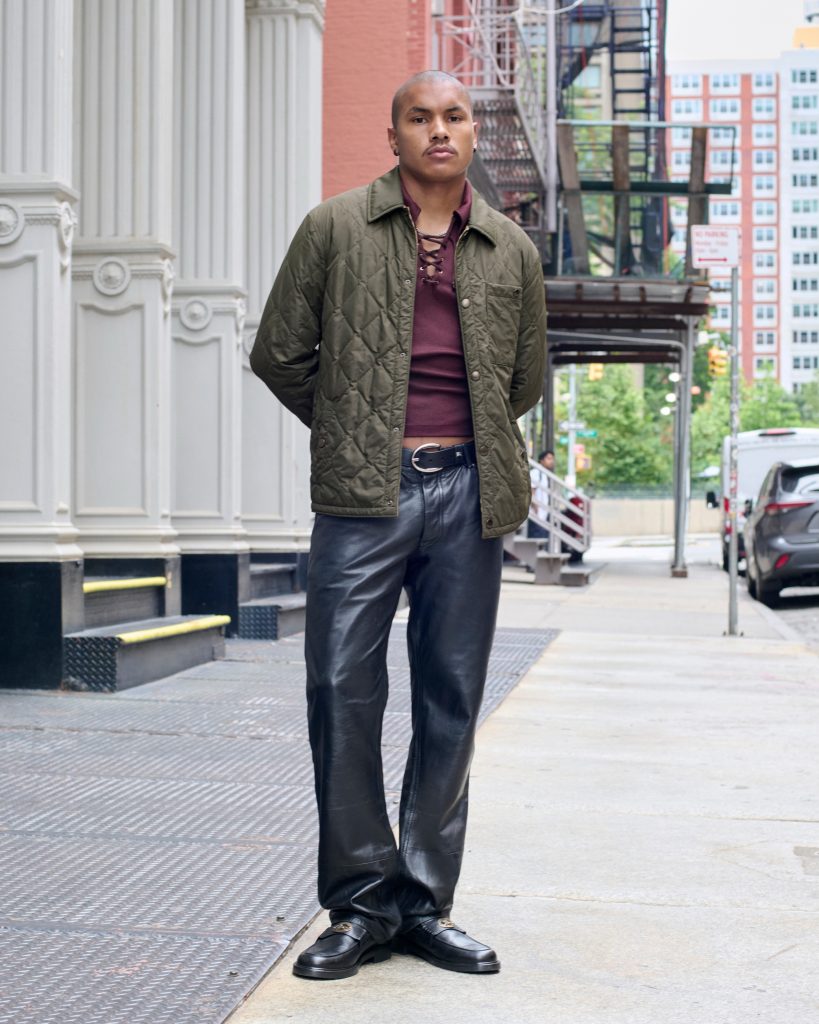
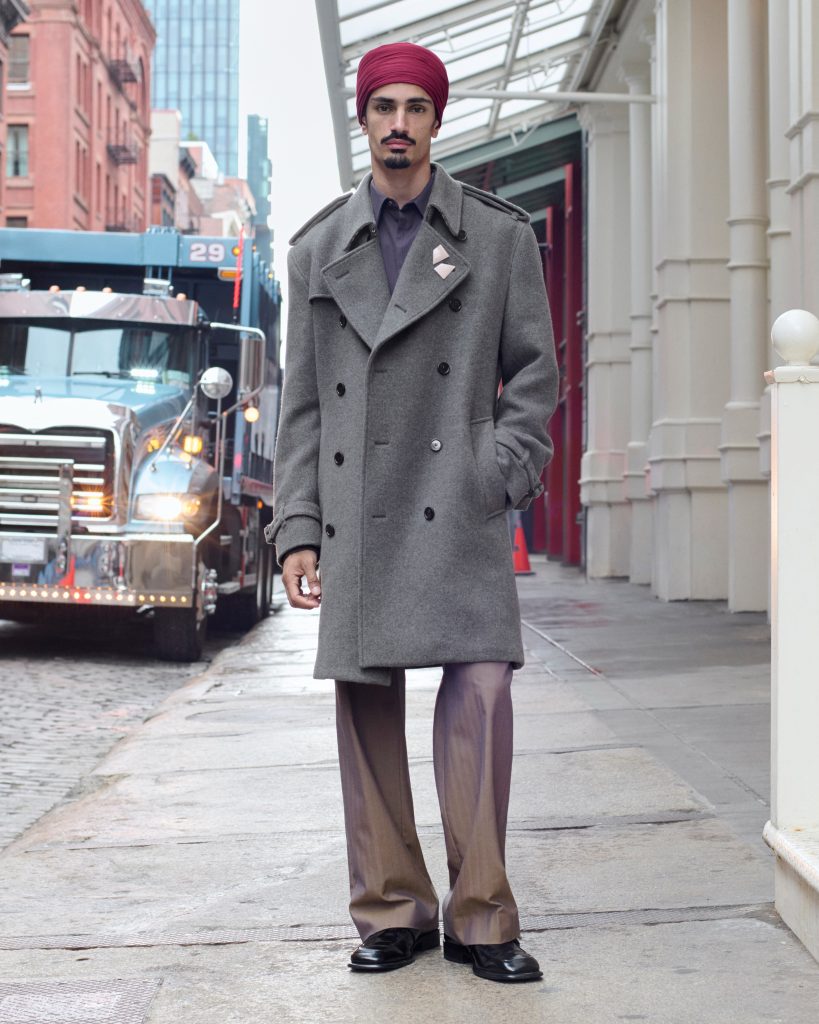
The Car Coat, whose brief torso and structured shoulders recall a more expedient era, appears in the hands of Joaquin Consuelos as something altogether contemporary—a bridge between tailoring and ease. The Cashmere Trench, rendered in that most luxurious of fibres and worn by Shaminder Biring, represents the house's quiet evolution: the same perfect proportions now softened by material that invites touch.
The Puffer and the Quilt, meanwhile, strip away formality without sacrificing refinement. Quilted in the manner that suggests both engineering and art—the stitching patterns creating their own topography—these pieces, as worn by Beverly Nguyen and Dr Woo, embody a philosophy that warmth need not announce itself to be felt.
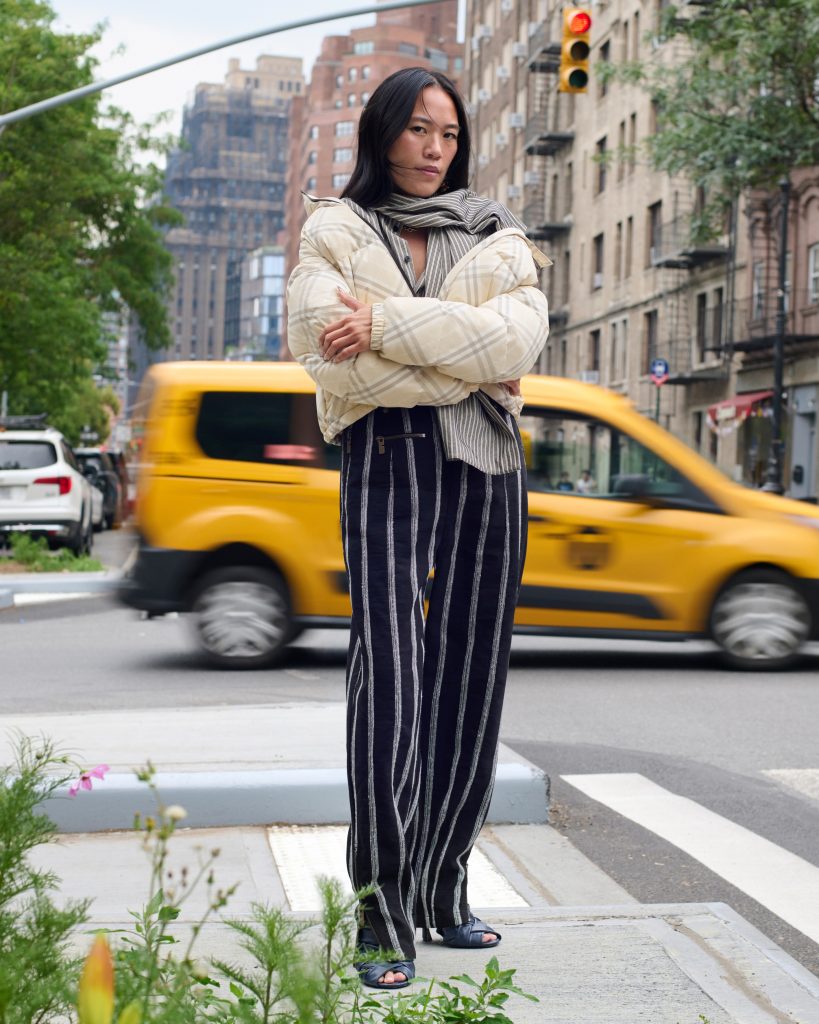
New York as Interpreter
What distinguishes this initiative is not the garments themselves, which have been Burberry's vocabulary for decades, but rather the decision to stage them within the lives of people whose visual language is already fully formed. These are not models wearing clothes; they are curators of their own presentation, individuals who have spent years refining an aesthetic. Placing them within Burberry's silhouettes creates a dialogue—between the house's codes and theirs, between heritage and the perpetual present tense of a city that refuses to be nostalgic.
New York has always prized the notion of the perfectly worn thing, the garment that exists in a state of deliberate ease. A coat unbuttoned at the hem, a collar lifted against the neck in genuine preparation for cold rather than for effect—these are the moments when function transforms into style, when utility becomes art. The city's particular gift is making such moments feel inevitable rather than constructed.
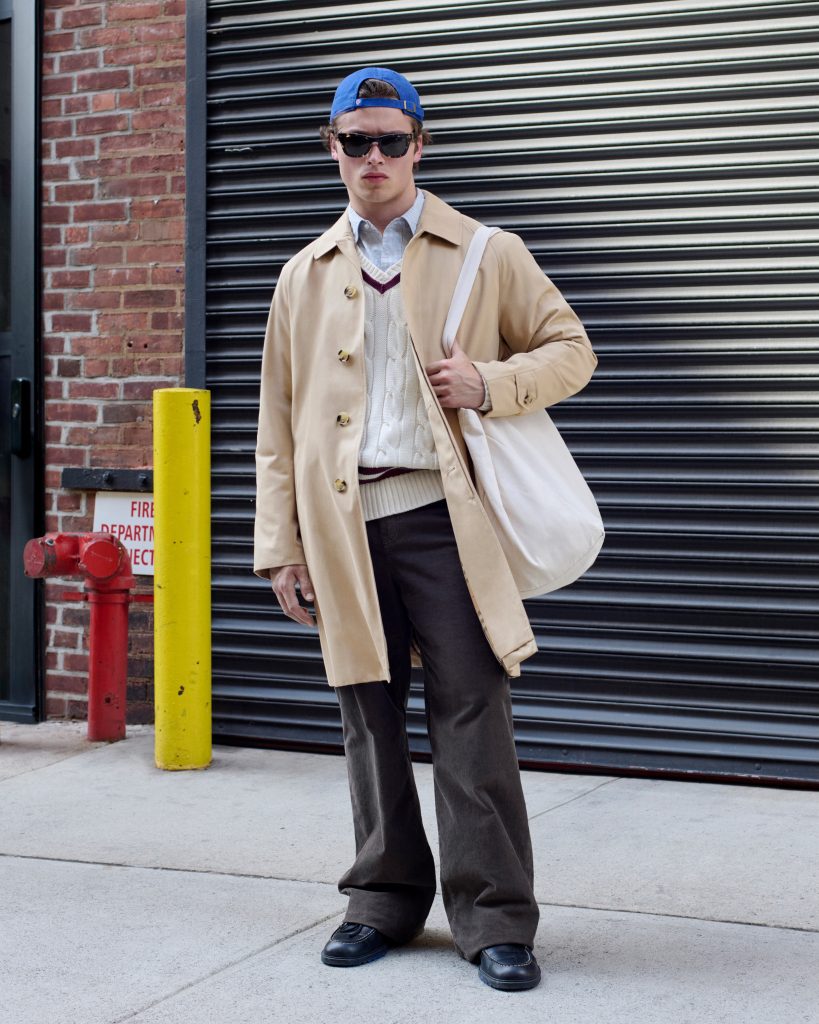
Heritage in Motion
For a house with Burberry's lineage, to release control of the narrative—to allow the garment to be interpreted rather than dictated—represents a confidence that borders on the philosophical. The Trench does not need defending; it survives because it works. The Car Coat endures not through marketing but through the simple fact that it solves a problem that continues to exist. To see these pieces worn by those who have chosen them, rather than those hired to display them, is to witness the difference between a museum piece and a living thing.
In allowing New York to speak through these silhouettes, Burberry acknowledges what its most loyal customers have always known: that the most luxurious item is one that disappears into your life, that asks nothing of you except that you wear it as if you mean it.
The outerwear remains unchanged—there is no need for revision. What shifts is the permission granted to the wearer, the unstated invitation to make these pieces sing in whatever key feels most authentic. In a world grown weary of dictation, Burberry's gesture is quietly radical: here are your tools; now show us what you build.

Key Facts
- Featured Silhouettes: The Trench, The Car Coat, The Puffer, The Quilt, The Cashmere Trench
- Location: New York
- Campaign Focus: Individual expression through Burberry's iconic outerwear
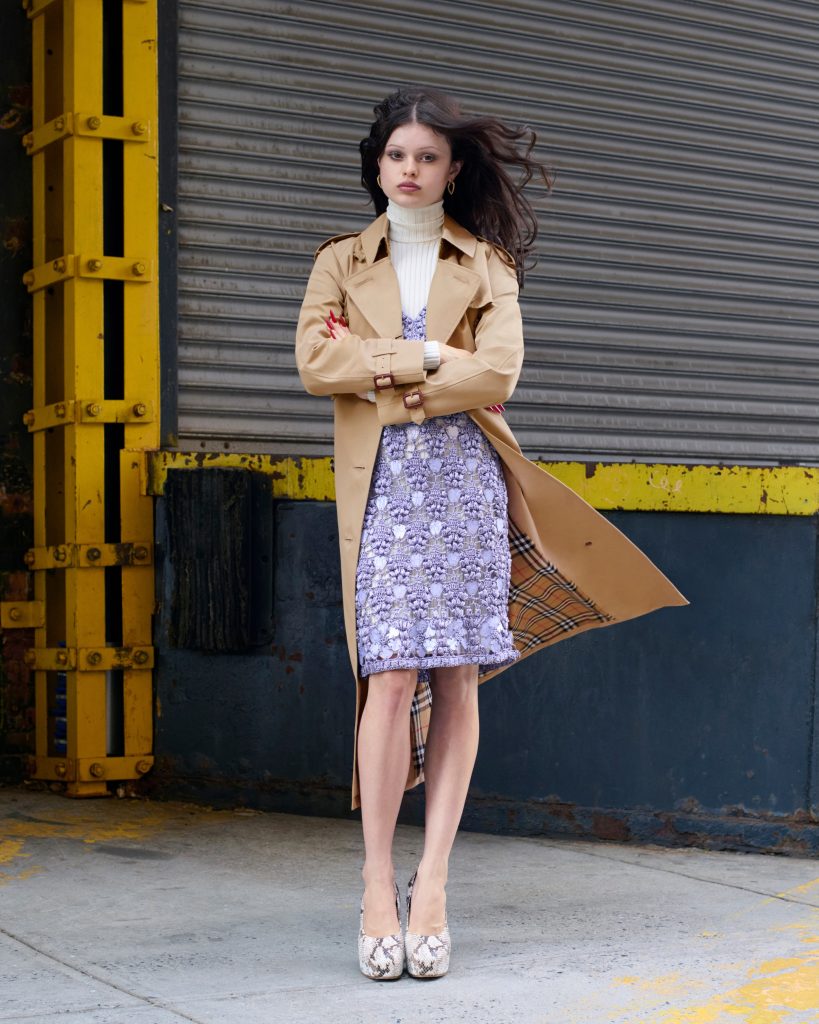
The Simply Luxury View
Burberry's decision to stage its heritage outerwear through the lens of New York personalities speaks to a broader shift within luxury fashion—away from the designer as sole auteur and towards the wearer as co-creator. These are not bespoke commissions but rather a curation that respects the existing aesthetic authority of its cast, allowing the house's silhouettes to exist within a hierarchy where they support rather than dominate.
For collectors and long-term wearers of Burberry's outerwear, this initiative validates what they have always intuited: that these pieces—the Trench above all, but equally the Car Coat, the Puffer and the Quilt—transcend seasonal fashion to become the architectural foundations of a personal wardrobe. Worn by those who have no need to advertise their taste, they read as the ultimate statement of understated confidence.
Official brand website: burberry.com
Imagery is used for editorial purposes. All rights remain with the respective owners, photographers and licensors.
Imagery courtesy of Burberry (@burberry).