
CHAUMET TURNS JOSÉPHINE’S LEGACY INTO A MODERN SOIR DE FÊTE
Chaumet has spent more than two centuries turning court jewellery into a living design language rather than a museum exercise. The Joséphine line is the clearest example: aigrette forms, pear-shaped stones and the memory of Empress
AI-assisted voice playback. Starts only when you choose Play.
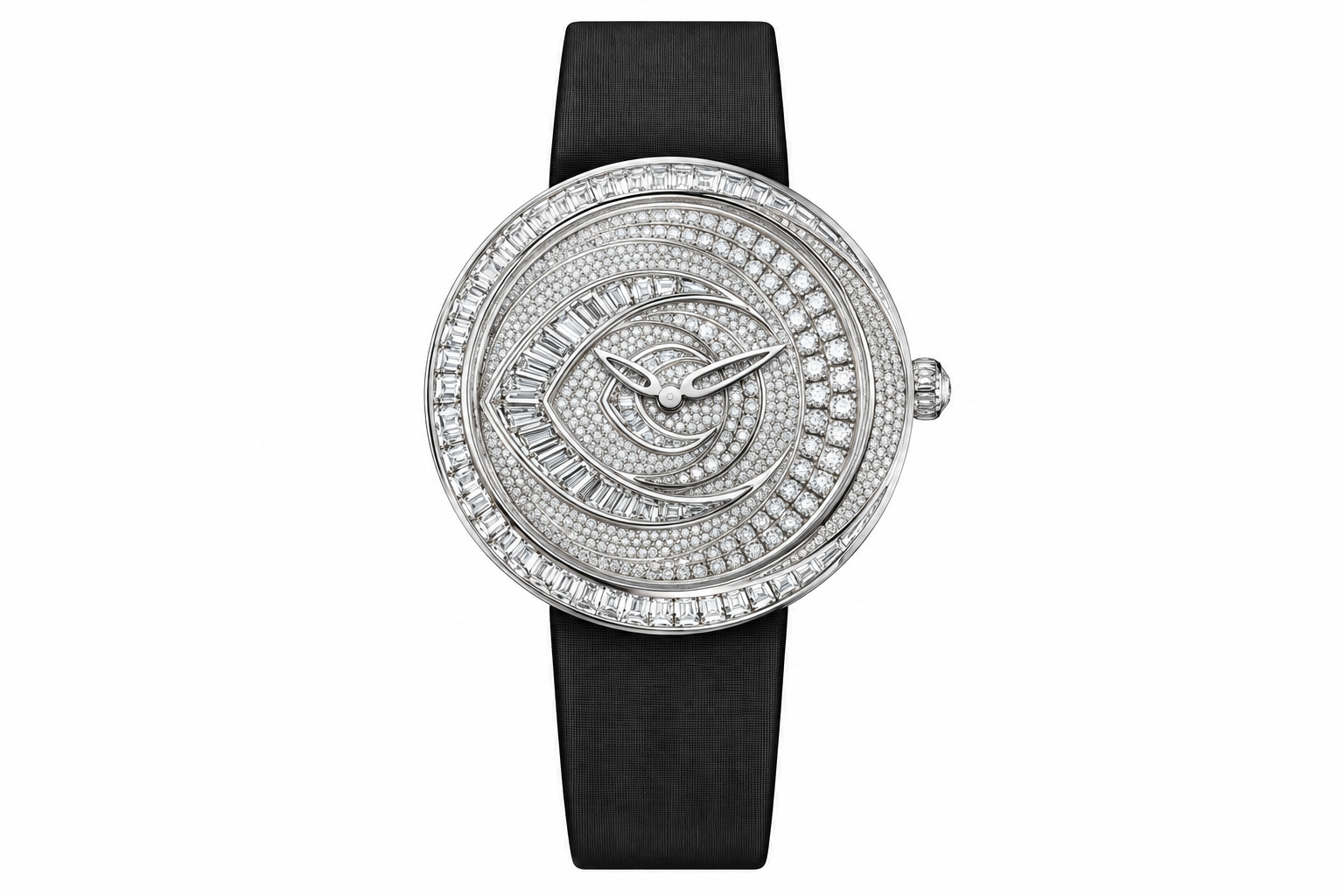
Chaumet has spent more than two centuries turning court jewellery into a living design language rather than a museum exercise. The Joséphine line is the clearest example: aigrette forms, pear-shaped stones and the memory of Empress Joséphine are repeatedly reworked so that the reference is historical but the result feels designed for now.
The latest attention around Joséphine Soir de Fête brings that tension back into focus. Robb Report highlights a new parure in which South Sea cultured pearls meet diamond forms that appear almost weightless. Elsewhere within the wider Soir de Fête family, Chaumet pushes the same vocabulary through yellow diamonds, colourless diamonds, emeralds and rubies, proving that the collection is less about a single stone than a particular way of making jewellery move and float.
THE FUCHSIA TIARA AS A STARTING POINT
Chaumet states that Soir de Fête is freely inspired by one of the maison’s emblematic creations, the Fuchsia tiara known as Bourbon-Parme. Created in the early twentieth century, the tiara established a naturalistic language of stylised petals and upward movement. Rather than reproduce it, the contemporary pieces abstract those ideas into graphic V forms, asymmetry and suspended stones.
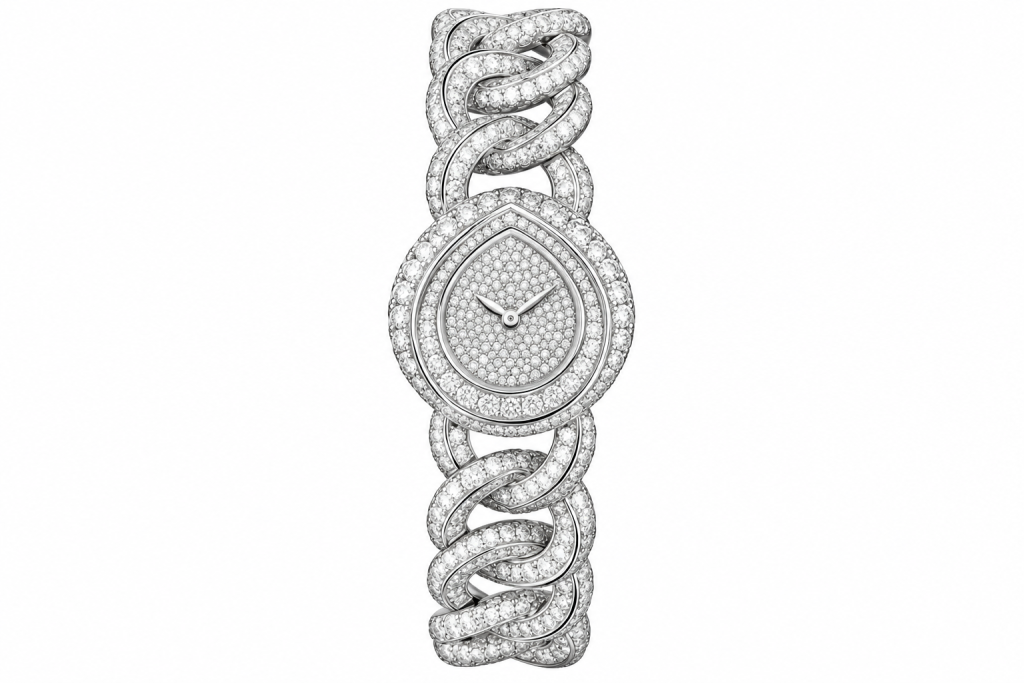
The effect is especially clear in reference 083928, a white-gold necklace set with nine pear-shaped yellow diamonds, 26 pear-shaped colourless diamonds and hundreds of brilliant-cut stones. The composition evokes the aigrette, while an articulated construction is designed to keep a large high-jewellery piece flexible on the body.
WHEN METAL IS MEANT TO DISAPPEAR
The maison’s fil-couteau technique is central to the illusion. Narrow knife-edge elements are used so that the supporting structure retreats visually and the stones appear to hover. It is a classic high-jewellery device, but in the Joséphine vocabulary it becomes particularly expressive because pear-shaped stones already suggest droplets, petals and motion.
That technical discretion is important. High jewellery can easily become a contest of carat weight, yet Chaumet’s historical strength lies in architecture. The setting is not only there to secure the stones; it establishes rhythm, directs the eye and allows negative space to become part of the composition.
A COLLECTION BUILT FOR EVENING LIGHT
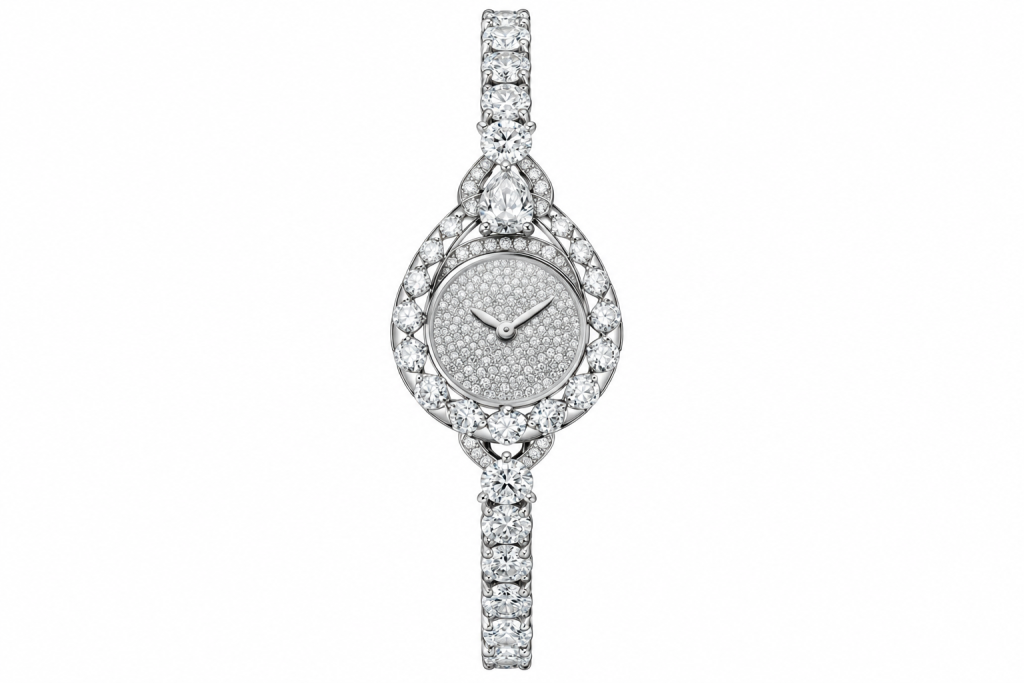
Soir de Fête translates literally into the idea of a festive evening, and the name suits the collection. These are jewels conceived for movement, changing light and the social theatre of arrival. Yellow diamonds sharpen the warmth of white gold, rubies introduce dramatic colour, while colourless stones create the icy brilliance associated with Chaumet’s tiara tradition.
The deeper point is that the house continues to treat Joséphine not as a portrait from the past but as a design system. The pear shape, the aigrette, naturalistic references and an insistence on lightness can be rearranged repeatedly without losing identity. That is far harder than simply repeating a logo.
At the highest level, heritage only matters when it can generate new work. Joséphine Soir de Fête succeeds because the historical source remains legible, yet the jewels never feel trapped by it. The metal disappears, the stones seem to rise, and two centuries of Parisian jewellery grammar are reduced to a gesture that looks effortless.
Imagery disclaimer: Imagery referenced for this article remains the property of Chaumet and its respective rights holders and is intended for editorial use subject to rights verification. Simply Luxury does not claim ownership of third-party photography, jewellery imagery, trademarks or press assets.