
CRN’s 67-Metre Amor à Vida Marries Architectural Rigour with Intuitive Living
AI-assisted voice playback. Starts only when you choose Play.
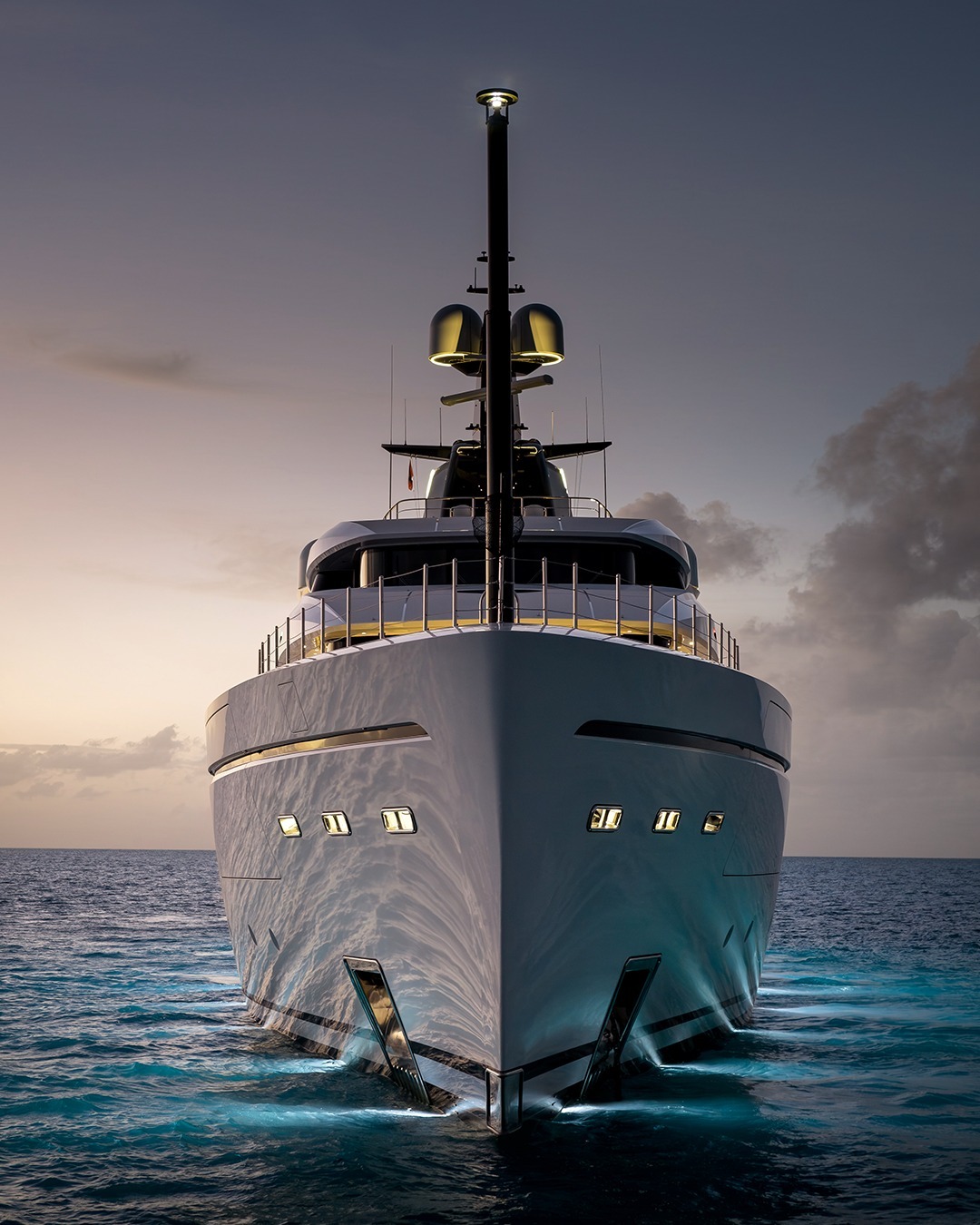
Ferretti Group's CRN shipyard has long occupied a distinctive position within the Italian superyacht pantheon—one characterised by restraint married to uncompromising execution. The launch of the 67-metre Amor à Vida represents a crystallisation of that philosophy: a vessel conceived not merely as a floating platform, but as a coherent architectural statement that reconciles the demands of precision engineering with the intangible quality of lived comfort.
The name itself—Portuguese for 'love of life'—signals an intention beyond the technical. Yet the boat's realisation depends entirely upon the latter: meticulous design language that prioritises both form and function without subordinating one to the other.
Design as Discipline and Instinct
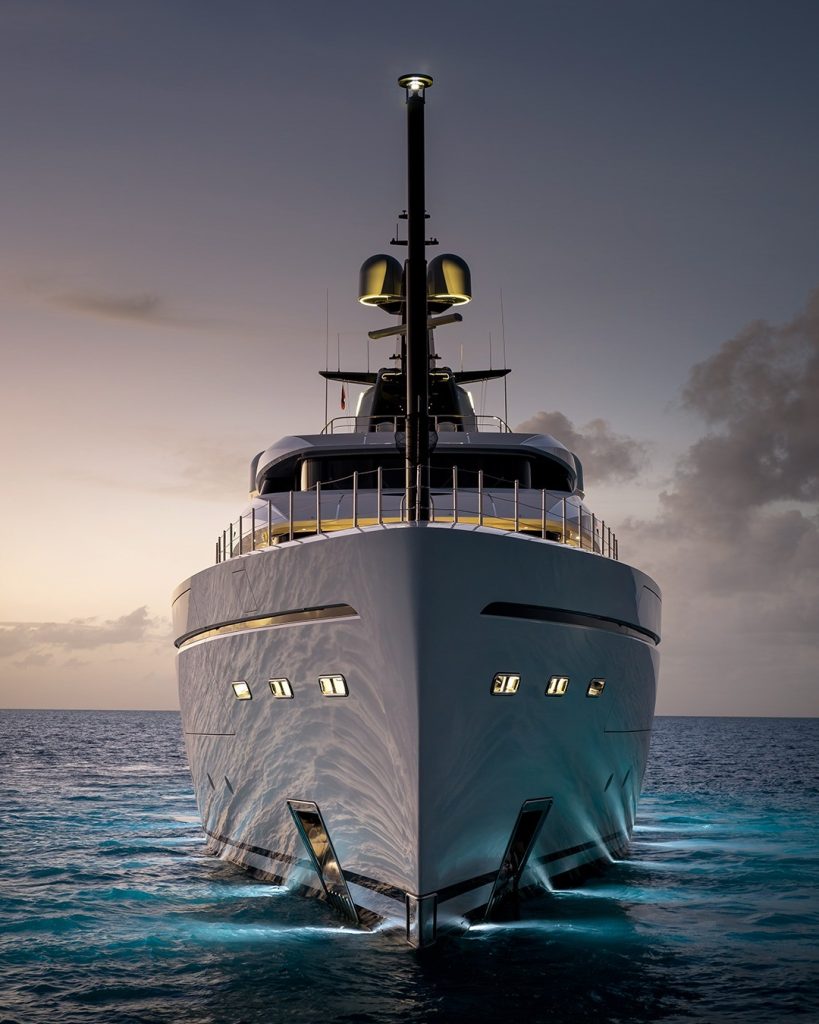
CRN has described the Amor à Vida's design language as one that operates 'part architecture, part instinct'—a formulation that resists easy parsing. What it suggests, however, is a departure from the algorithmic approach that increasingly characterises contemporary yacht design. Rather than relying upon computational models or derivative styling cues, the vessel appears to have emerged from a more considered synthesis: one in which structural logic and spatial intuition inform one another at each stage.
The 67-metre format itself is significant. It sits at a threshold—large enough to accommodate multiple guest suites, crew quarters, and significant engineering systems, yet compact enough to retain manoeuvrability and a certain elegance of proportion. Within that frame, the design brief has clearly prioritised clarity of spatial hierarchy and uncluttered sightlines, qualities that emerge from architectural thinking rather than the more decorative traditions of yacht design.
Precision as Foundation
The tagline 'built with precision, lived with ease' speaks to a fundamental principle: that rigorous execution in design and construction creates the preconditions for effortless inhabitation. This is not a novel observation in luxury manufacturing, yet its realisation in the superyacht context—where competing demands of weight distribution, regulatory compliance, and aesthetic ambition collide—remains uncommon.
CRN's position within Ferretti Group affords access to both the engineering expertise required for such precision and the design sensibility that understands how technical excellence translates into lived experience. The Amor à Vida appears to represent a moment where those resources have been deployed in concert rather than tension.
A New Threshold
The announcement of the Amor à Vida marks a significant moment for CRN and the superyacht sector more broadly. In an era when the superyacht market has increasingly fragmented into specialised sub-categories—expedition vessels, charter platforms, trophy displays—the Amor à Vida reasserts the case for a more holistic approach: one where a yacht might function simultaneously as a seaworthy vessel and a coherent design object.
For international clientele evaluating vessels in the 65–75-metre category, the Amor à Vida presents a compelling proposition: one that privileges substance over gesture, and architectural clarity over decorative excess. It is, in essence, a vessel that appears to have been designed by those who understand that true luxury resides not in the quantity of amenities, but in the quality of their integration into the whole.
The CRN 67-metre Amor à Vida invites a reconsideration of what a contemporary superyacht might be: not a floating resort, but a floating home conceived with the same rigour that might be applied to a significant architectural commission. In that distinction lies its significance.
Imagery is used for editorial purposes. All rights remain with the respective owners, photographers and licensors.
Imagery courtesy of Ferretti Group Official (@ferrettigroup).