
Intro to Aperol Is the Polished Pour Between Summer and Autumn
AI-assisted voice playback. Starts only when you choose Play.
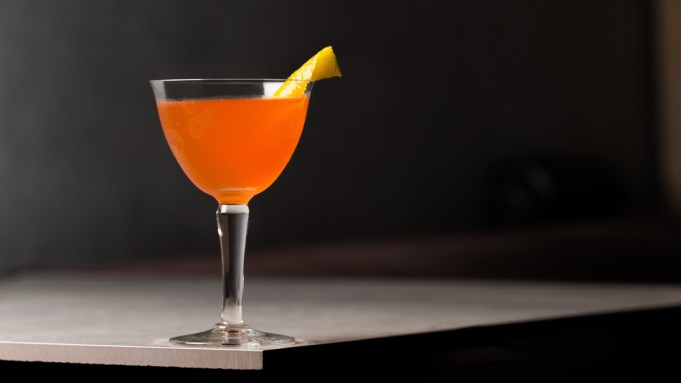
Some cocktails belong emphatically to a particular moment. The frozen drink demands heat; the hot toddy waits for winter; the spritz seems most persuasive beneath an open sky. The Intro to Aperol is less rigid. Bright enough for the final warm evenings of summer yet structured enough for the first cool nights of autumn, it inhabits the transition with unusual ease.
Its vivid colour may suggest a familiar Aperol Spritz, but this is a more concentrated and contemplative expression of the Italian aperitivo. There is no prosecco and no soda. Instead, Aperol is shaken with London dry gin, fresh lemon juice, a restrained measure of simple syrup and aromatic bitters, then served up beneath the perfume of orange peel.
Aperol Takes the Lead
The proportions immediately distinguish the Intro to Aperol from most gin cocktails. Two parts Aperol meet one part gin, reversing the hierarchy that might be expected from a conventional sour. The aperitivo is not a supporting modifier or colourful accent; it is the foundation of the drink.
Aperol was introduced in Padua in 1919 by brothers Luigi and Silvio Barbieri, following seven years of development. Its precise formula remains confidential, although the brand identifies citrus, gentian and cinchona among the elements shaping its bittersweet character. Orange arrives first, followed by herbal depth, gentle sweetness and a clean bitterness that lingers without overwhelming the palate.
That relative softness is essential to the cocktail. A more forceful bitter could dominate at this volume, but Aperol leaves space for the other ingredients. Gin contributes dryness and botanical definition, while lemon sharpens the composition and prevents the liqueur’s sweetness from becoming heavy.
A Modern New York Classic
Bartender Audrey Saunders created the Intro to Aperol in 2006 for Pegu Club, the Manhattan bar she had opened the previous year. The venue became one of the defining addresses of the modern cocktail revival, known for exacting technique, carefully considered ingredients and drinks that were sophisticated without being needlessly complicated.
The cocktail’s date is significant. Aperol received its official United States launch in March 2006, decades after becoming embedded in Italian aperitivo culture. Saunders’ recipe offered American drinkers a clear route into the liqueur’s flavour at a time when its brilliant orange profile was far less ubiquitous than it is today.
The drink has endured because its construction is both distinctive and practical. It requires no elaborate infusion, specialist ice or obscure bottle. Its character emerges from proportion, temperature and the quality of familiar ingredients — precisely the attributes that allow a bar creation to pass naturally into the home.
The Original Formula
For one cocktail, combine 60ml Aperol, 30ml London dry gin, 22.5ml freshly squeezed lemon juice, 7.5ml simple syrup and one dash of Angostura aromatic bitters in a shaker. Add plenty of ice, shake until thoroughly chilled and strain into a cold coupe or traditional cocktail glass. Finish with a broad strip of orange peel, expressing its oils across the surface before placing it in the drink.
Beefeater gin is associated with the original specification. Its assertive juniper and citrus-led profile gives the cocktail a firm centre without obscuring the Aperol. Another classic London dry gin can work, but highly floral or unusually delicate styles may soften the drink’s intended architecture.
The small quantity of syrup should not be dismissed as ornamental. Lemon varies in acidity, and that quarter-ounce provides a narrow but important bridge between tartness and bitterness. Those who favour a particularly dry aperitif may reduce it, though omitting it entirely produces a leaner interpretation rather than the original balance.
Why It Works at the Turn of the Season
The Intro to Aperol retains summer’s citrus and vivid colour, yet its texture and aromatic depth point towards autumn. The absence of carbonation makes it feel more composed than a long spritz, while Angostura introduces warming notes of spice that become increasingly apparent as the drink moves across the palate.
Temperature is central to its appeal. Served sharply chilled and without ice in the glass, it begins brisk and refreshing. As it gradually warms, the orange, roots, botanicals and bitters become more expressive. It is a cocktail with a discernible progression rather than a single, static impression.
Its Aperol-forward proportions also make it an elegant pre-dinner choice. The drink has sufficient acidity to awaken the palate, enough bitterness to encourage another sip and a measured sweetness that sits comfortably alongside salted almonds, green olives, hard cheeses or thin slices of cured meat.
Details Worth Observing
Fresh lemon juice is indispensable; bottled juice tends to lack the brightness required to support so much Aperol. The glass should be chilled in advance, either in the freezer or with ice and water while the drink is prepared. A vigorous shake provides both dilution and the fleeting, polished texture that distinguishes a properly made sour-style cocktail.
At Pegu Club, the orange garnish was known to be flamed before entering the glass, adding theatre and altering the aroma of the expressed oils. For home preparation, simply twisting the peel over the surface is the safer and more controlled approach. Cut the peel immediately before serving and avoid excessive white pith, which can introduce an unwanted harshness.
Presentation should remain restrained. A clear, well-proportioned coupe allows the saturated orange hue to command attention, while the single curl of peel supplies all the embellishment the drink requires.
The Intro to Aperol demonstrates how a celebrated bottle can reveal an entirely different personality when removed from its best-known serve. Here, Aperol is neither lengthened by bubbles nor confined to a supporting role. It becomes the principal voice in a compact, finely balanced cocktail.
Nearly two decades after its creation, Saunders’ recipe still feels assured and contemporary. It is refreshing without being slight, bitter without severity and colourful without frivolity — an aperitif poised beautifully between the last glow of summer and the richer pleasures of autumn.
Imagery is used for editorial purposes. All rights remain with the respective owners, photographers and licensors.