
LVMH’S POST-BOOM RESET REVEALS THE NEW DIVIDE IN GLOBAL LUXURY
LVMH has surrendered much of the market-value premium built during luxury’s pandemic-era surge, yet its latest results also show a more nuanced recovery: jewellery is accelerating, the United States is improving and Fashion & Leather Goods has returned to modest organic growth.
AI-assisted voice playback. Starts only when you choose Play.
The luxury industry’s most useful numbers are often not the ones printed on a handbag price tag. They are the numbers that reveal who is still buying, where they are buying and what kinds of luxury have retained emotional authority after an extraordinary period of inflation, price increases and shifting consumer confidence.
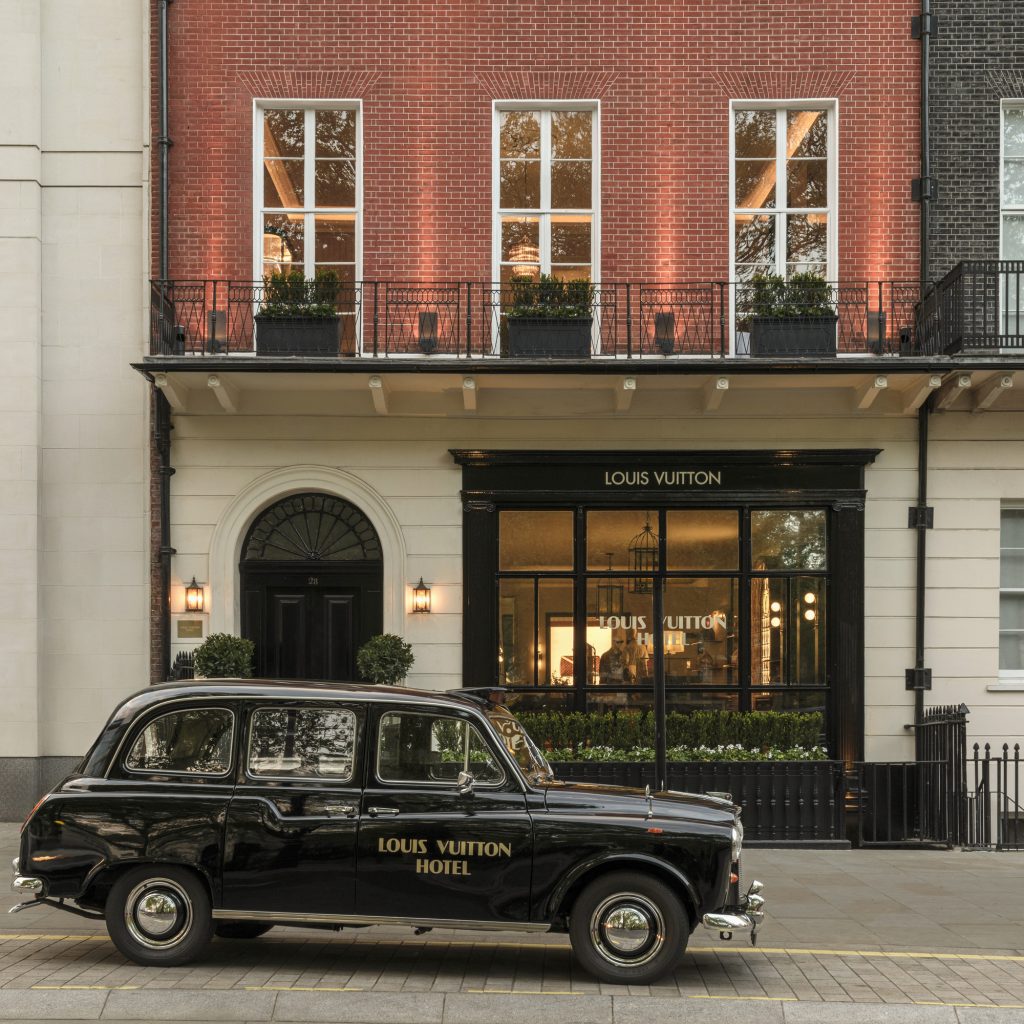
A fresh Financial Times analysis published on 6 September places LVMH at the centre of that reset. The group that became the first European company to exceed a US$500 billion market valuation during the pandemic-era luxury boom is now valued far below that peak. The FT puts its market capitalisation at about €213 billion, close to pre-boom territory, even though the business itself remains substantially larger and more profitable than it was before 2020.
THE BOOM DID NOT DISAPPEAR — IT CHANGED SHAPE
The most important distinction is between a collapse in luxury and a re-pricing of expectations. LVMH’s own first-half 2026 figures show revenue of €38.6 billion, profit from recurring operations of €8.7 billion and operating free cash flow of €4.1 billion. Organic revenue grew 2 per cent in the first half and accelerated to 3 per cent in the second quarter.
That is not the financial profile of a broken industry. It is the profile of an industry learning to live without the extraordinary conditions that followed the pandemic, when pent-up demand, accumulated savings and a wave of aspirational spending allowed leading brands to increase prices rapidly while still expanding volumes.
The Financial Times highlights the cost of that strategy. Citing Bain, it says luxury prices rose roughly 50 to 70 per cent from 2019 levels across parts of the market and estimates that around 60 million aspirational consumers have stepped away. Those customers were never the only source of luxury growth, but they created enormous scale for handbags, accessories, beauty and entry-level products.
When prices rise faster than confidence, the psychology changes. A customer who once stretched to buy a first luxury bag may decide that jewellery, travel, beauty, vintage fashion or simply keeping the money offers better emotional value. The result is not necessarily a rejection of luxury. It is a more selective form of luxury consumption.
JEWELLERY IS TELLING A DIFFERENT STORY
LVMH’s own numbers reveal where momentum is strongest. Watches & Jewelry generated organic revenue growth of 9 per cent in the first half and 11 per cent in the second quarter. Tiffany & Co. and Bvlgari were both highlighted for strong performances, while jewellery demand has also supported Richemont, whose market performance has been notably stronger than much of the fashion-led sector.
Fashion & Leather Goods, by contrast, recorded a 5 per cent reported revenue decline in the first half, although the division returned to 1 per cent organic growth in the second quarter. That modest turn matters because the category includes Louis Vuitton, Dior, Loro Piana, Celine, Loewe, Fendi and Givenchy — brands that collectively function as a barometer for the health of global luxury fashion.
Geography is becoming equally important. LVMH said the United States accelerated in the second quarter, Asia excluding Japan showed strong growth and China-related trends continued to improve from the second half of 2025. Europe remained resilient. The picture is therefore more complex than a single global slowdown.
There is another strategic issue hovering over the group: succession. Bernard Arnault remains Chairman and Chief Executive at 77, and the roles of his five children across the group are followed with almost the same intensity as creative-director appointments. For investors, the question is not merely who eventually takes the top job, but whether LVMH can preserve the unusual combination of financial discipline, long-term ownership thinking and creative autonomy that defined its expansion.
The next luxury cycle is unlikely to look like the last one. Growth may rely less on persuading millions of first-time customers to trade up and more on exceptional product, clienteling, high jewellery, hospitality, cultural relevance and experiences capable of justifying very high prices.
LVMH’s post-boom valuation is therefore not simply a story about value being lost. It is a reminder that the market is asking luxury groups to prove, once again, why their products deserve to be scarce, expensive and desired. The feelgood factor may have faded. The competition for genuine desirability has only become more intense.
Imagery disclaimer: Imagery referenced for this article remains the property of its respective rights holders and is intended for editorial use subject to rights verification. Simply Luxury does not claim ownership of third-party photography, campaign imagery, trademarks, artworks or press assets.