MCLAREN COMMITS TO ITS FIRST PERFORMANCE SUV AND A SECOND UK FACTORY
A £500 million investment announced on 16 September will fund McLaren’s first four-door performance SUV, in-house powertrain capability and an expanded British manufacturing footprint.
AI-assisted voice playback. Starts only when you choose Play.
McLaren has crossed a line it once treated as immovable. On 16 September, the British performance-car maker confirmed plans for its first SUV as part of a £500 million investment programme backed by its Abu Dhabi owner, L’Imam. The Financial Times published the development the same day.
The new model is expected to be a hybrid, four-door performance vehicle and will arrive within the next few years. More important than the body style is the industrial commitment around it: McLaren plans a second UK assembly facility, greater in-house engine and transmission capability, additional carbon-fibre expertise and improvements to paint operations.
The economics behind the new silhouette
Ferrari, Lamborghini and Aston Martin have already demonstrated the commercial power of high-performance four-door vehicles. Their success does not simply add volume; it broadens the occasions in which a client can use the brand. McLaren’s current two-seat range asks owners to make a more specialised choice, limiting the company’s addressable market and the frequency with which its cars fit everyday life.
An SUV can change that equation. It can introduce the marque to clients who admire McLaren’s engineering but require rear seats, luggage space and all-weather usability. If executed convincingly, those sales can fund the lighter, lower and more extreme cars that define the company’s reputation.
Keeping performance engineering in Britain
The investment is projected to create at least 1,000 UK jobs by 2032 and potentially several thousand more across the supply chain. That employment promise gives the announcement national industrial weight, while the plan to bring more powertrain work in-house suggests McLaren wants greater control over the technologies that will distinguish its next generation.
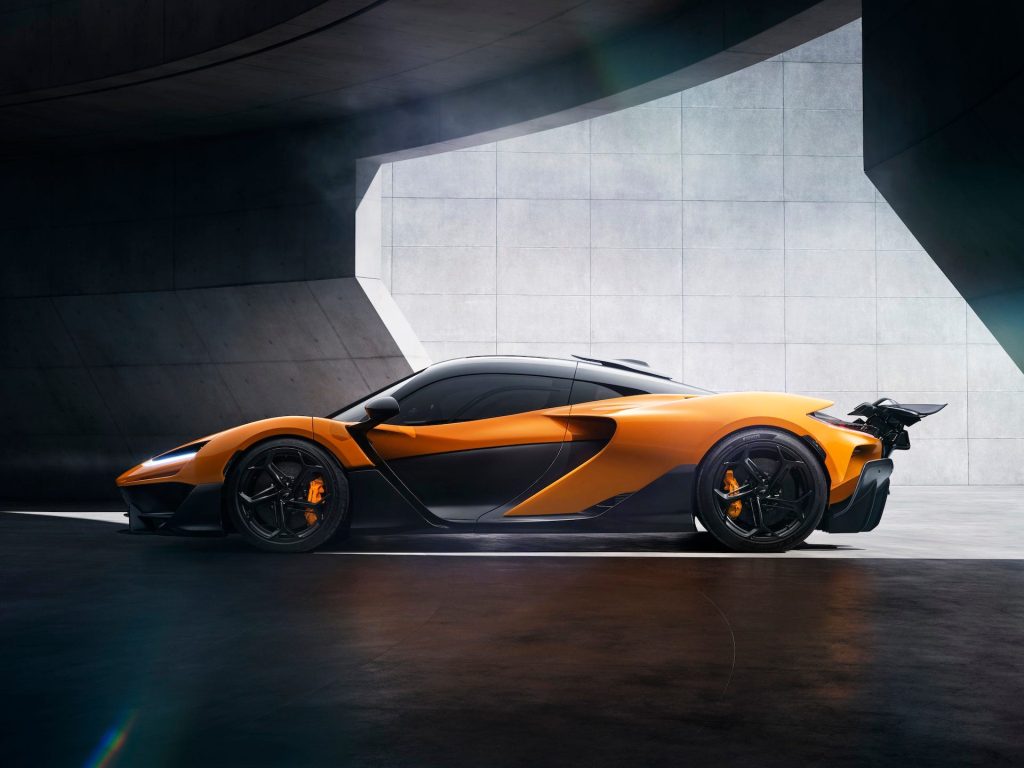
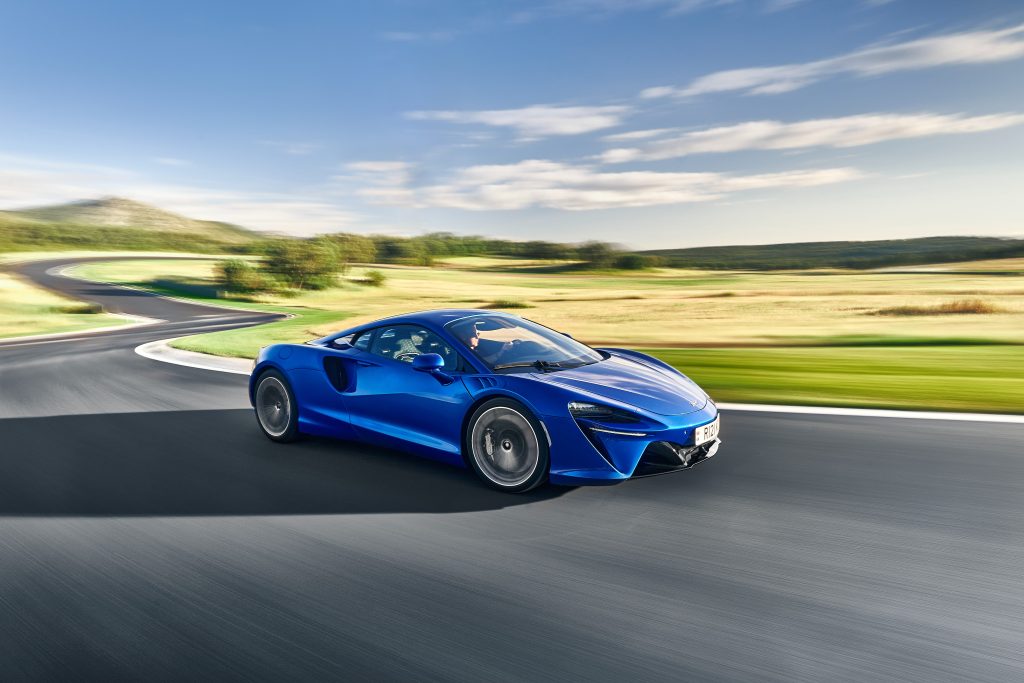
The company is not rushing towards a fully electric range. Customer demand in the highest-performance segment remains uneven, and McLaren is prioritising hybrid systems that can combine immediate response and lower emissions with the drama buyers still expect. The Artura and W1 have already established a vocabulary for that transition.
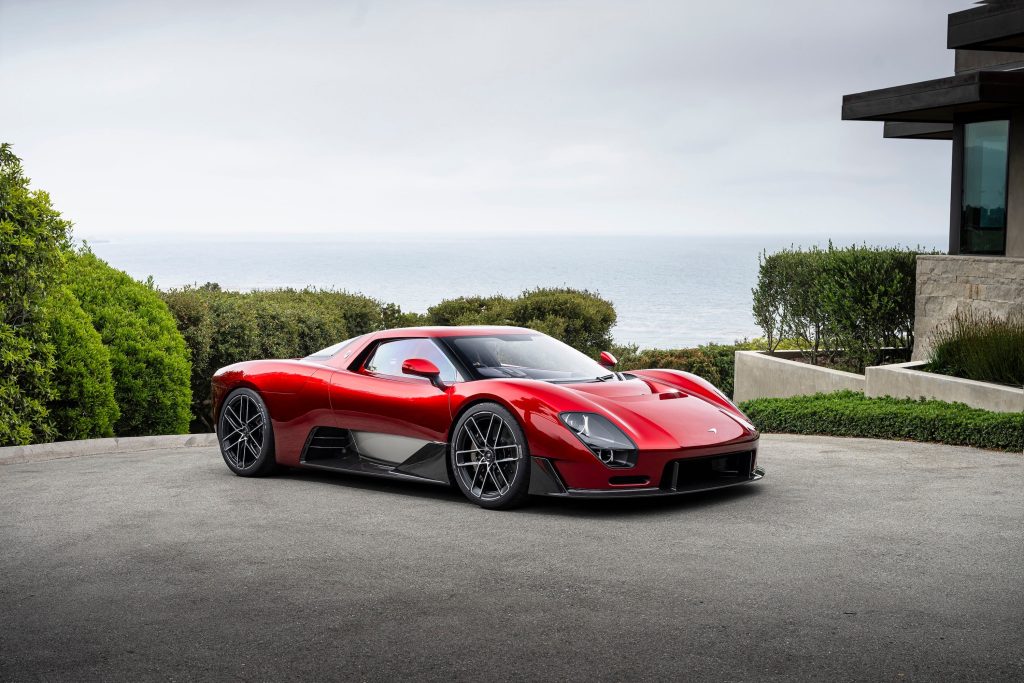
Brand dilution is an engineering question.
Purists will ask whether an SUV can be a McLaren. The answer will depend less on the badge than on weight, steering, packaging and the way the vehicle uses hybrid power. A high-riding product that merely follows the category could weaken the marque; one that translates McLaren’s carbon expertise and dynamic clarity into a new format could enlarge it.
The £500 million commitment means the SUV is not a side project. It is becoming the platform on which McLaren intends to rebuild scale, manufacturing depth and profitability. The brand’s most controversial vehicle may therefore prove to be the one that secures its most uncompromising cars.