
Miura and McLaren F1 Make Salon Privé History with a Double Best of Show
Salon Privé has made a subtle but significant change to the way major concours events recognise automotive greatness. At its 2026 Blenheim Palace edition, the event crowned two Best of Show winners for the first time: a 1969
AI-assisted voice playback. Starts only when you choose Play.
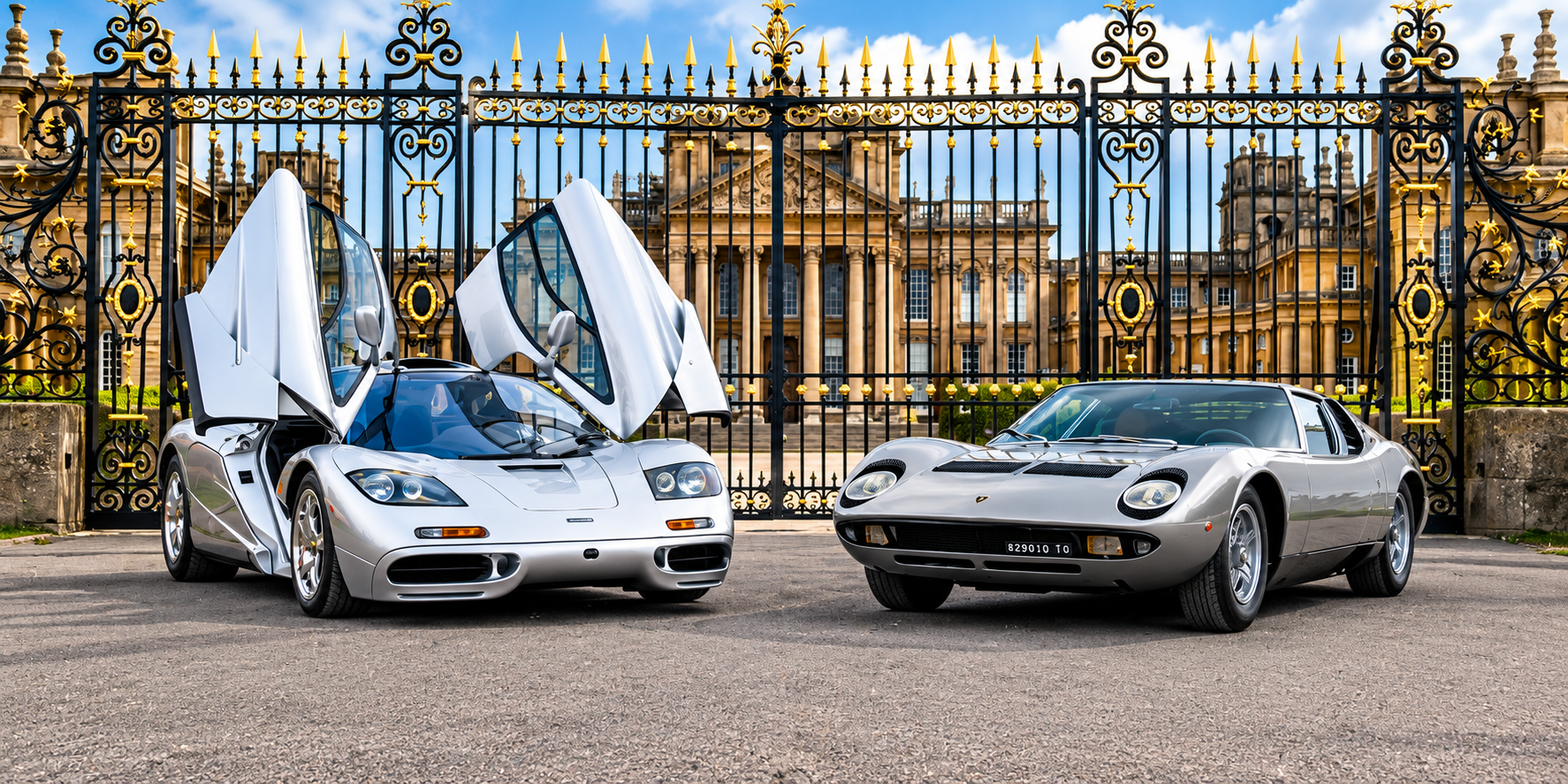
Salon Privé has made a subtle but significant change to the way major concours events recognise automotive greatness. At its 2026 Blenheim Palace edition, the event crowned two Best of Show winners for the first time: a 1969 Lamborghini Miura P400 S took the Concours d’Élégance title, while a 1995 McLaren F1 became the inaugural winner of the new Concours d’Excellence.
Two eras, two definitions of excellence
The Miura, owned by Amir Ravan and the RLC Collection, competed in a class celebrating 60 years of Lamborghini’s landmark mid-engined supercar. Its victory fits the traditional concours model, where design, provenance, condition and sympathetic restoration are judged through the lens of established classic-car culture.
The McLaren F1 represents a different kind of collectability. Owned by Terry Bramall and restored by Lanzante, it won a new top-level award created specifically for modern limited-production supercars and hypercars. That distinction matters because the international collector market now treats cars from the 1980s, 1990s and early 2000s with the seriousness once reserved for pre-war coachbuilt machinery and post-war competition icons.
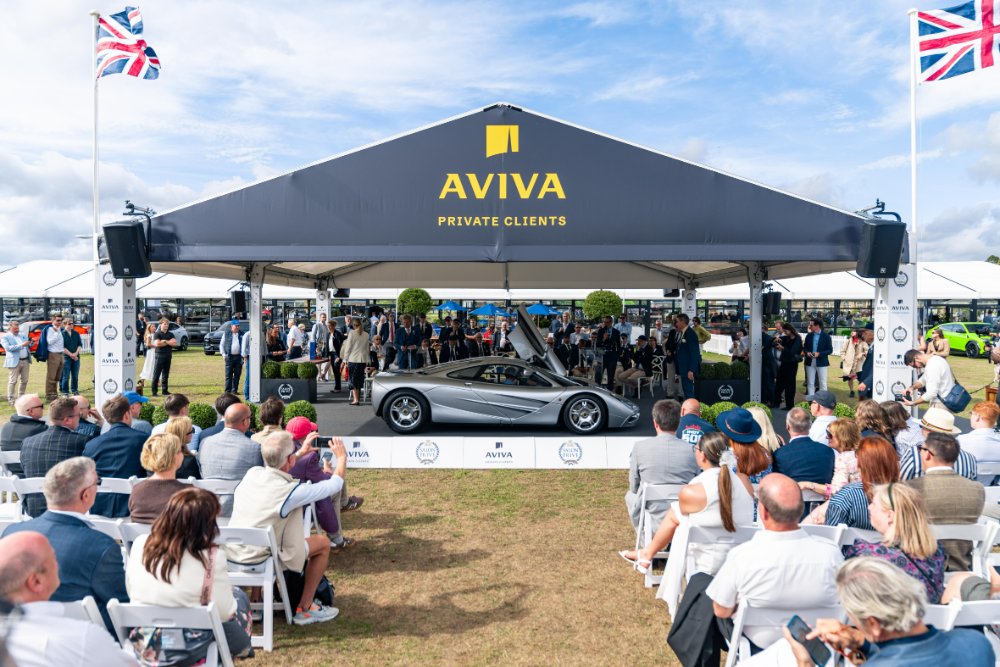
The modern collector car comes of age
The F1’s elevation to equal billing with the Miura is therefore more than an event-format change. It reflects a generational shift in taste. Collectors who grew up with bedroom posters, early motoring magazines and the first wave of analogue supercars are now shaping the top end of the market, and the cars that defined their youth have become museum-grade objects in their own right.
Salon Privé’s new Concours d’Excellence gives that category a judging framework that can acknowledge modern engineering, limited-series production and restoration standards without forcing contemporary cars into criteria designed for much older machinery.
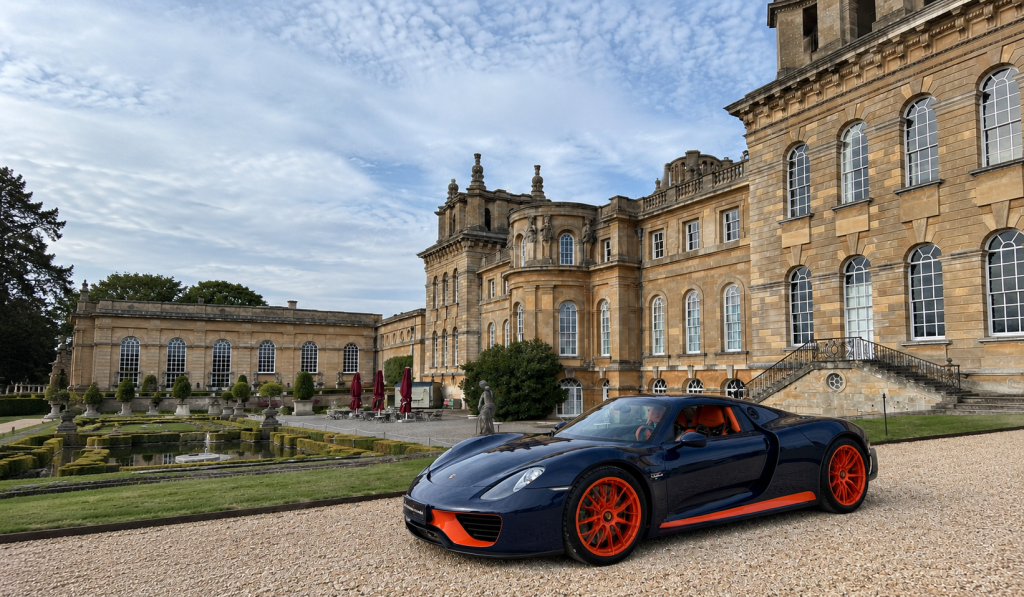
The setting at Blenheim Palace reinforced the contrast beautifully: one of the most sensual Italian designs of the 1960s sharing the lawn’s highest honour with Gordon Murray’s uncompromising 1990s engineering masterpiece. The Miura remains a foundational supercar; the McLaren F1 has become one of the defining collector cars of the modern era.
For luxury motoring, the double win is an elegant acknowledgement that automotive heritage is no longer confined to a distant past. The canon is still being written — and cars once considered simply new, fast and desirable are now old enough, rare enough and culturally important enough to sit alongside the classics that inspired them.