
Mulberry’s Stevie Top Handle Evolves into a Refined Companion for Contemporary Luxury
AI-assisted voice playback. Starts only when you choose Play.

Mulberry has long occupied a distinctive position within the British luxury landscape—one where architectural precision meets assured understatement. The Stevie Top Handle bag, now repositioned as a cornerstone of the house's contemporary offering, exemplifies this philosophy with quiet sophistication and considered restraint.
Rather than pursuing seasonal novelty for its own sake, the maison has elected to deepen its commitment to the Stevie silhouette by expanding the palette of materials and finishes available to the discerning collector. This measured evolution speaks to a brand philosophy that privileges longevity and wearability over transient fashion cycles.

A Study in Structured Elegance
The Stevie Top Handle embodies the hallmarks that have distinguished Mulberry's handbag designs for decades: a precisely defined silhouette, deliberate proportions, and a commanding presence that neither whispers nor shouts. Available in both a compact Small iteration and a full-sized rendition, the bag accommodates the practical requirements of contemporary life without sacrificing refinement.
What elevates the Stevie beyond the category of functional accessory is the rigour applied to its construction. The top handle—positioned with geometric intention—provides both visual interest and intuitive ergonomics. Whether carried by hand or positioned upon the shoulder via the subtle strap, the bag maintains its architectural integrity across various modes of deployment.
Mulberry's leather workers have engineered the Stevie to age gracefully, developing a patina that honours rather than obscures the material's provenance. This philosophy of durability and evolving character positions the piece as an investment rather than an expendable purchase.

A Palette Reflecting Considered Sophistication
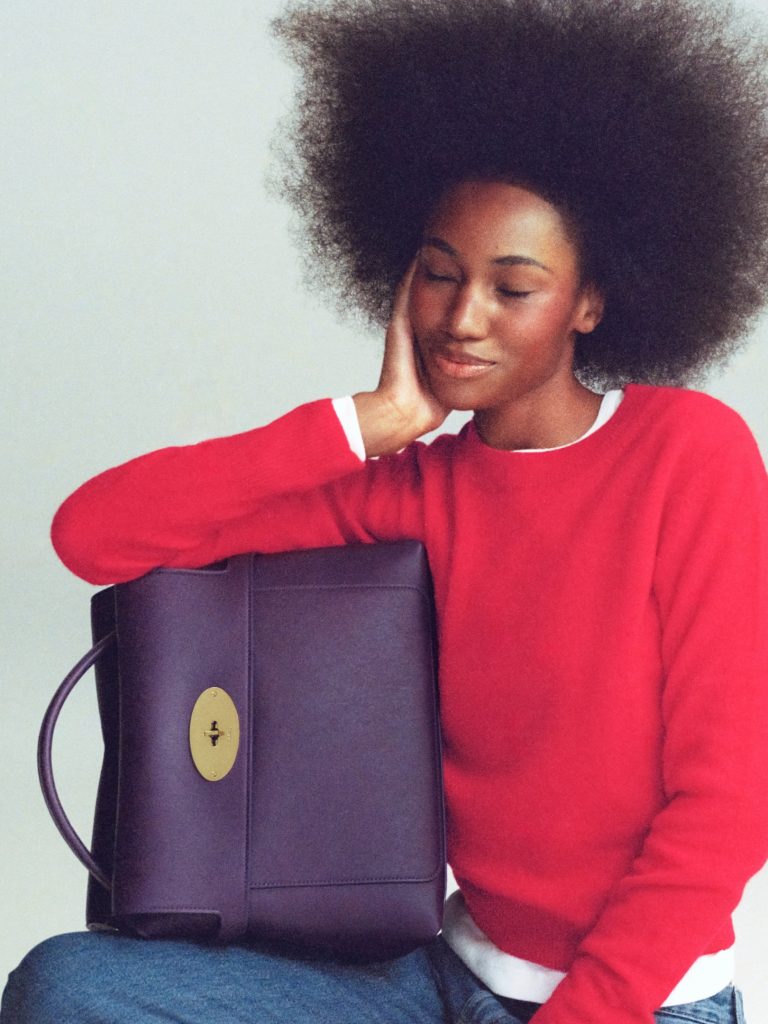
The expanded colourway range announced this season reveals a nuanced understanding of contemporary luxury aesthetics. Ebony provides the foundational noir that transcends seasonal whimsy, whilst Amethyst introduces a deeper chromatic statement—a jewel tone that suggests personality without announcing it ostentatiously.
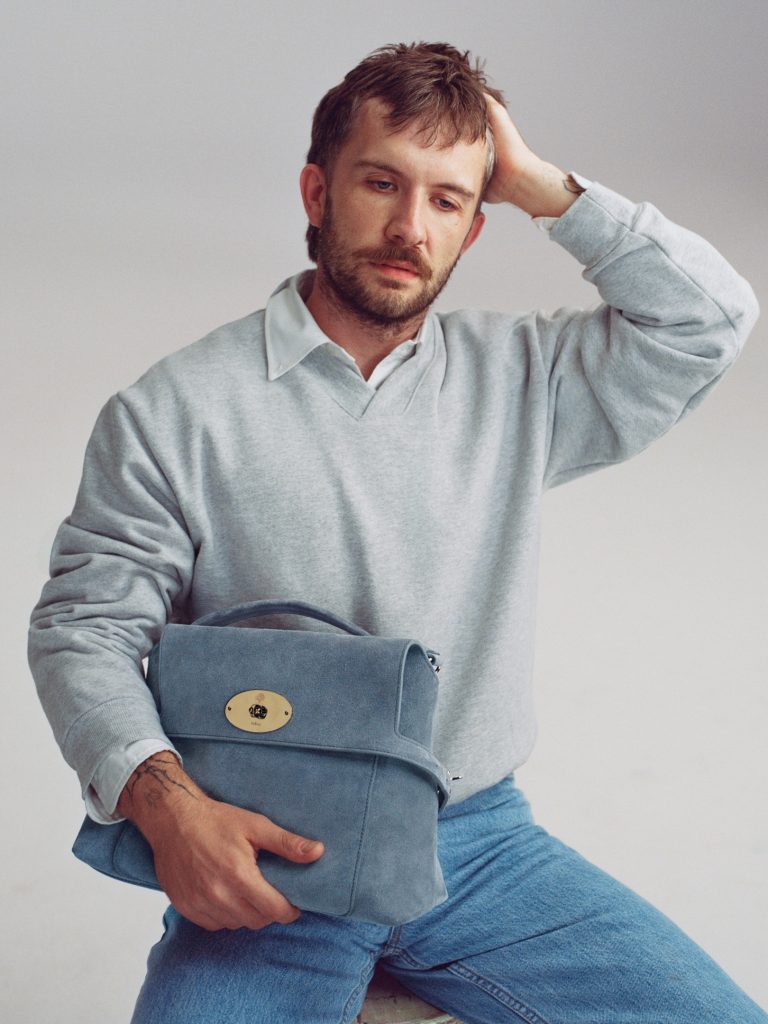
Particularly noteworthy is the introduction of Foggy Grey in both suede and snake print finishes. The suede iteration offers textural warmth and approachability, whilst the snake print variant introduces a subtle dimension of visual complexity. Neither treatment represents a departure from Mulberry's aesthetic vocabulary; rather, both constitute a refinement of it.
The snake print option deserves particular consideration. Applied with restraint and executed in tonal greyings rather than high-contrast pattern, it demonstrates how Mulberry approaches decorative elements—as enrichments of form rather than alternatives to it. This restraint distinguishes the house from competitors who might employ pattern as a substitute for design coherence.
The Significance of Material Consistency
Across the collection, Mulberry's commitment to material integrity remains uncompromised. The house continues to source leather from established tanneries, maintaining relationships that span decades rather than seasons. This consistency of supply chain and production philosophy ensures that a Stevie acquired today will share fundamental characteristics with examples from the maison's archives.
The suede options represent a calculated departure from the glossed leather finishes, acknowledging shifting preferences within the contemporary luxury market whilst remaining aligned with Mulberry's core aesthetic. Suede, paradoxically, requires more attentive stewardship than polished leather, yet its inclusion suggests confidence in the brand's consumer base—individuals who understand that luxury often demands engagement rather than merely promising effortless perfection.
This material consciousness extends beyond aesthetics into the realm of environmental responsibility. Mulberry's leather suppliers increasingly adhere to stricter environmental protocols, reflecting a market-wide recognition that luxury sustainability is no longer a peripheral concern but rather a fundamental expectation amongst sophisticated purchasers.
Scale and Proportion as Design Language
The availability of the Stevie in both Small and standard dimensions acknowledges the diversity of contemporary lifestyles. The compact iteration suits those requiring restraint without sacrificing carrying capacity for essentials, whilst the full-sized version accommodates individuals seeking greater structural presence.
Neither scale represents compromise. Mulberry has demonstrated consistent discipline in refusing to scale designs arbitrarily; proportional relationships that render the standard Stevie elegant do not automatically translate to the smaller version. The Small Stevie has been considered as a discrete design challenge, resulting in a silhouette that commands its own geometric authority.
This dimensional diversity also reflects an understanding that luxury consumption increasingly resists singular narratives. The notion of a single 'it' bag has yielded to a recognition that different occasions, professional environments, and personal preferences demand corresponding calibrations of form and scale.
The expanded Stevie collection represents neither a radical repositioning nor a timid iteration. Instead, it constitutes the measured evolution that characterises mature luxury houses—those secure enough in their foundational aesthetic to develop it incrementally rather than revolutionise it wholesale.
For collectors evaluating additions to their accessory repertoire, the Stevie Top Handle in its various iterations offers genuine versatility without stylistic compromise. Whether one selects the definitive Ebony, the jewelled restraint of Amethyst, or the textural nuance of Foggy Grey in suede or snake print, the underlying commitment remains constant: a bag designed to endure, to age honourably, and to serve as a reliable companion across years rather than seasons.
Imagery is used for editorial purposes. All rights remain with the respective owners, photographers and licensors.
Imagery courtesy of Mulberry (@mulberryengland).