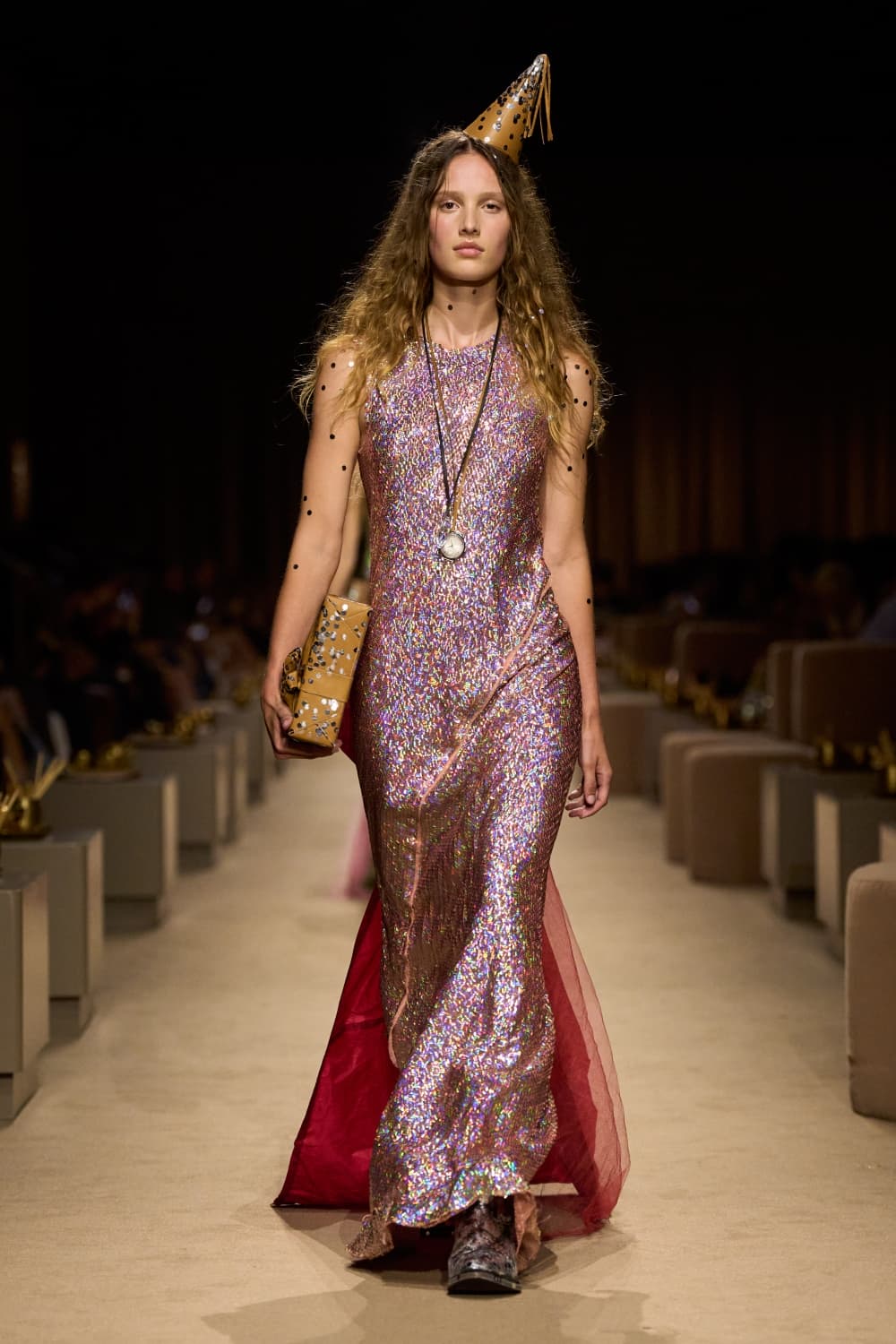
NEW YORK FASHION WEEK MAKES PRODUCT THE NEW LANGUAGE OF ELEVATION
The Spring 2027 shows concluded on 15 September with Coach, Ralph Lauren and their American peers demonstrating that growth now depends on product, identity and full-price desire rather than price rises alone.
AI-assisted voice playback. Starts only when you choose Play.
New York Fashion Week ended on 15 September with a message more durable than any individual silhouette: luxury’s next stage of growth has to be earned through product. LUXUO published its analysis on the same date, using the Spring 2027 shows and current company results to test which American brands are converting creative clarity into commercial momentum.
The conclusion challenges a strategy that has shaped much of the market’s recent decade. Repeated price rises can lift revenue for a time, but they cannot create desire indefinitely. Affluent clients are increasingly rewarding design, craftsmanship and longevity, while visible logos carry less persuasive force on their own.
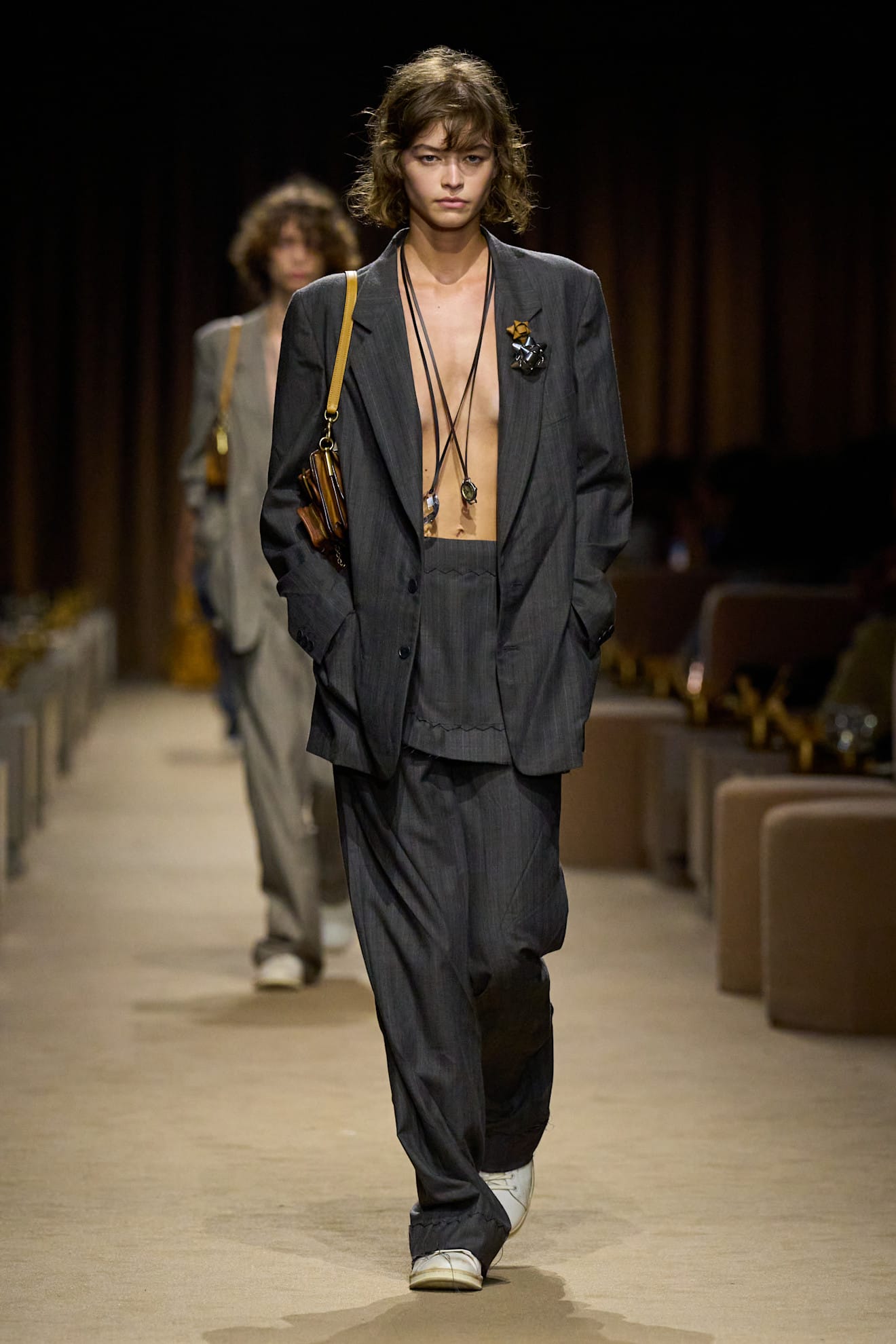
Coach turns archive into immediacy.
Coach provided the clearest case study. For its 85th anniversary, Stuart Vevers revisited worn surfaces, familiar leather goods and Bonnie Cashin-era hardware without treating the archive as costume. The Spring 2027 Turnlock Tote was available immediately after its debut, linking runway attention to a product clients could actually buy.
The commercial context gives that gesture weight. Coach revenue rose strongly in fiscal 2026, helping Tapestry reach a new scale. The house has made heritage feel younger not by erasing age, but by allowing patina, memory and imperfection to become part of a contemporary proposition.
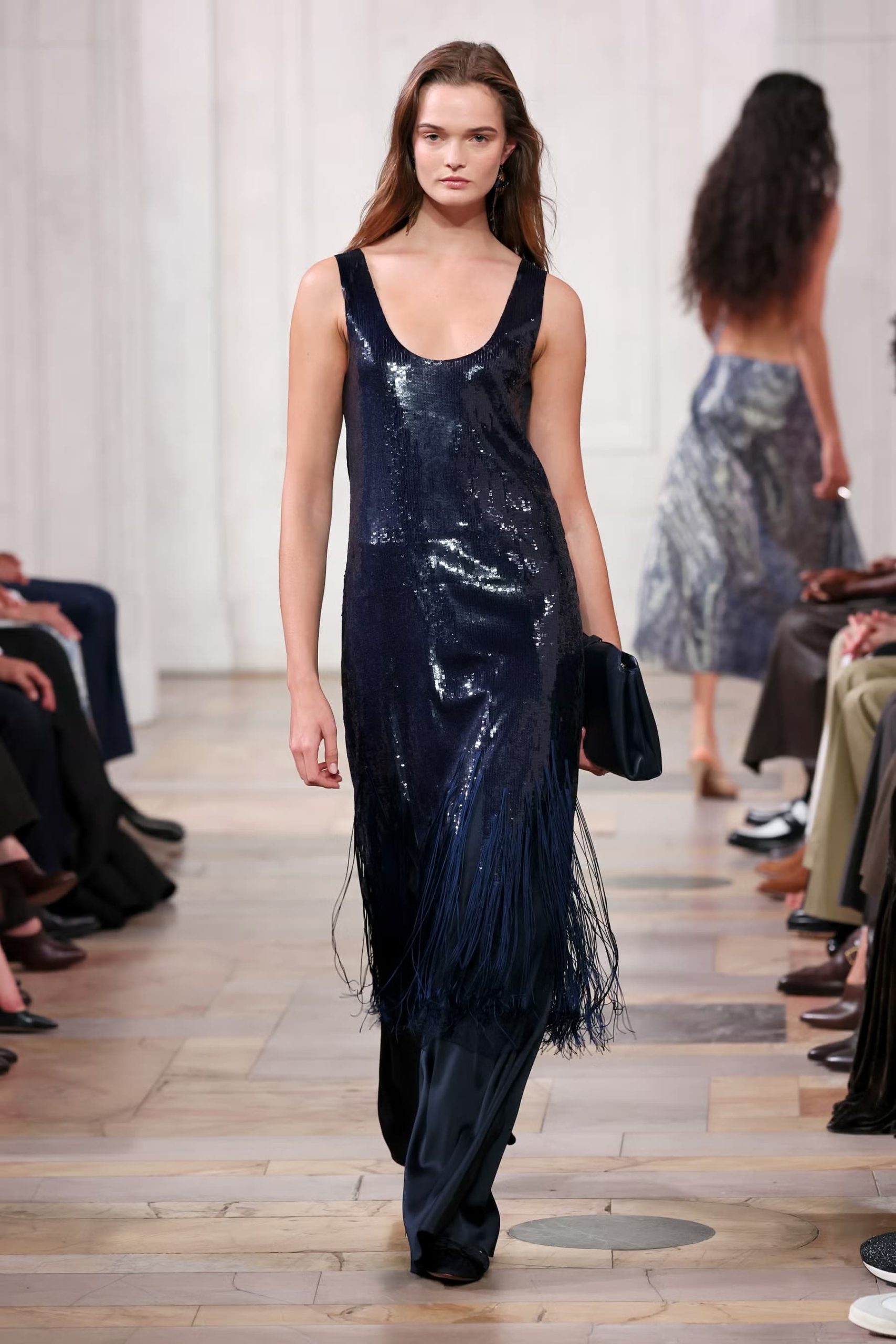
Consistency can also become scarce.
Ralph Lauren arrived at elevation from the opposite direction. Its collection returned to disciplined tailoring, denim, romantic eveningwear and the carefully staged idea of American life that the house has refined for decades. Consistency becomes valuable when it feels deliberate rather than repetitive, and the company’s recent growth suggests clients understand the distinction.
Calvin Klein Collection, Tory Burch, Khaite and Michael Kors offered further tests. Minimal foundations can rebuild authority; decoration can coexist with utility; full-price selling can matter more than chasing discounted volume. A runway sets the direction, but margins and repeat demand reveal whether the consumer believes it.
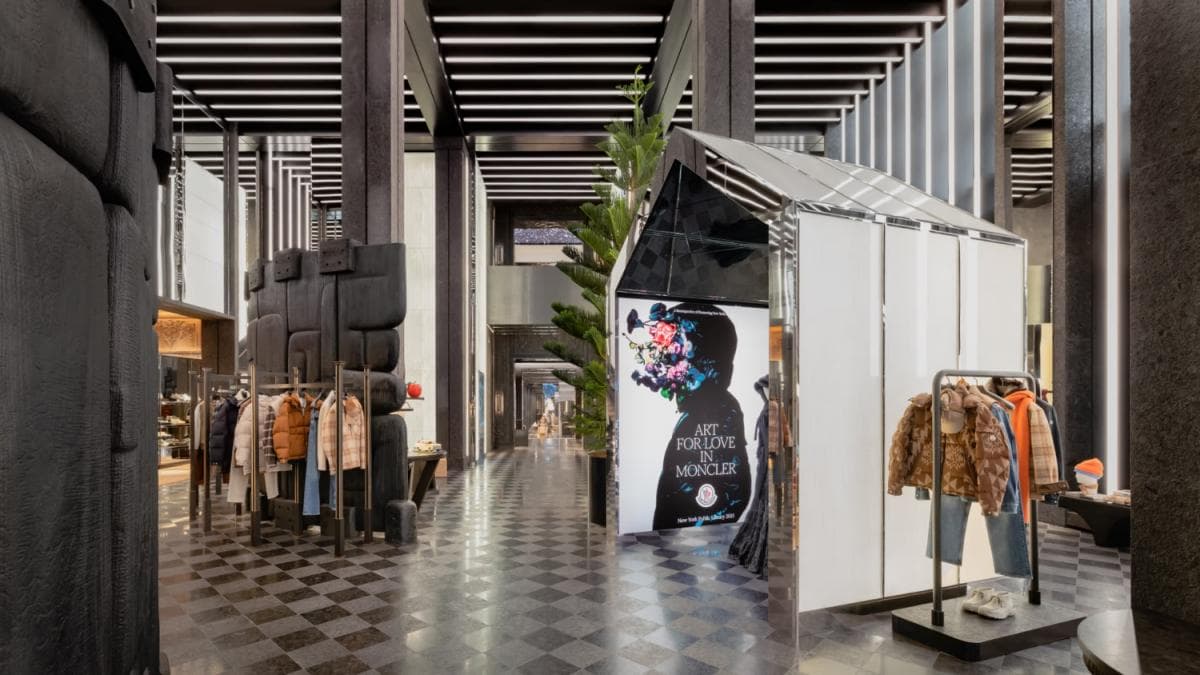
The store completes the argument.
New York’s retail investment around Fashion Week reinforced the same point. Flagships and renovations are no longer passive containers for stock. They are expected to communicate identity, provide cultural context, and justify a premium before a garment reaches the fitting room.
The Spring 2027 season did not produce a single formula for success. It offered something more useful: evidence that product, brand clarity and retail experience must now work together. Elevation is no longer a claim made on a price tag. It is a judgement the customer makes after seeing the whole system.