
Prada’s Re-Cashmere and Re-Wool: Circularity Woven Into the Mills
AI-assisted voice playback. Starts only when you choose Play.
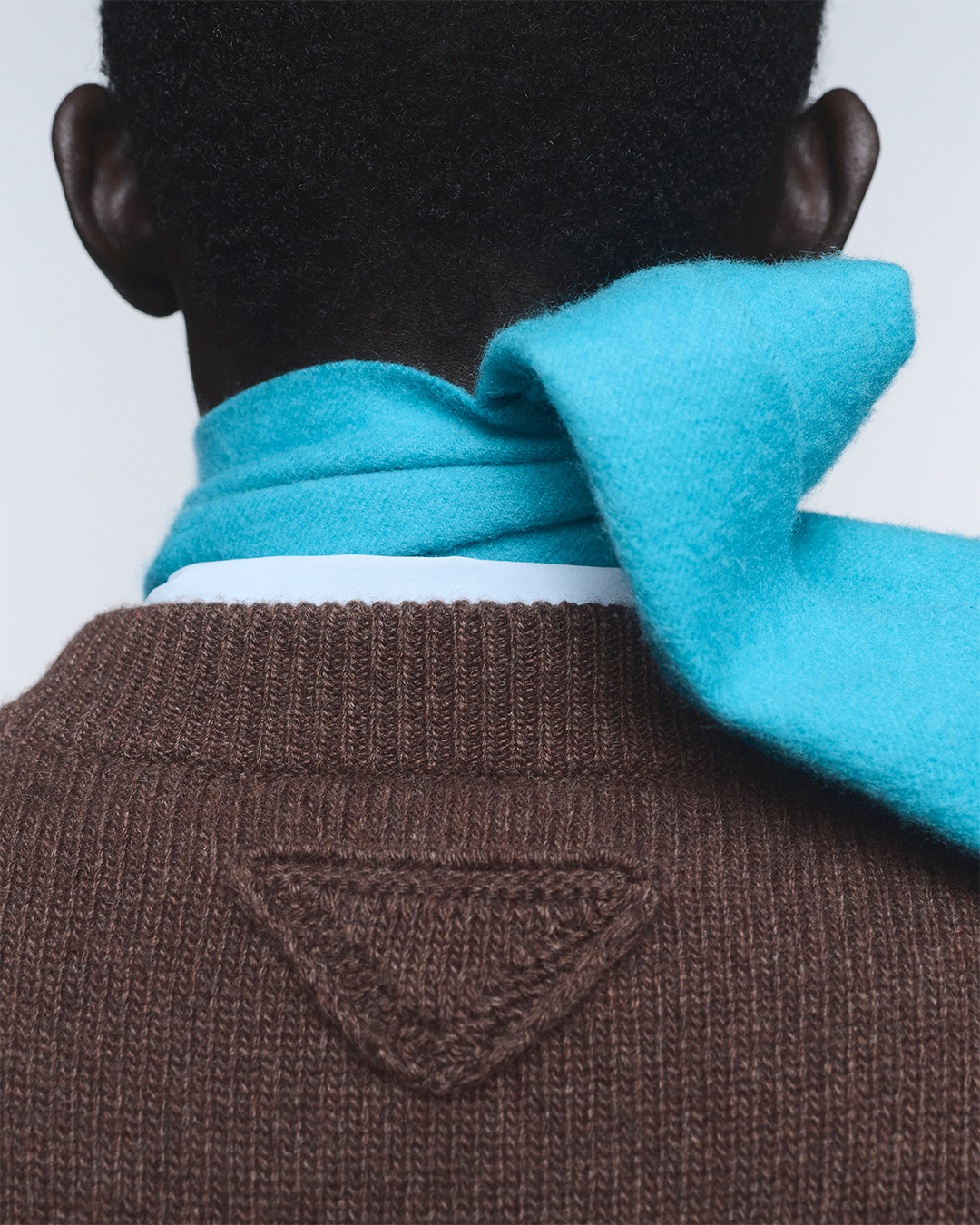
There exists a moment in every atelier where transformation becomes inevitable: the instant when a bolt of cashmere or wool yields to scissors, and perfection leaves offcuts in its wake. Prada has chosen to honour rather than discard this essential waste, inaugurating Re-Cashmere and Re-Wool—a system that gathers the detritus of excellence and returns it, refined, to the loom.
The innovation marks a subtle but profound shift in how luxury manufactures contemplate its own materials. Rather than begin the circularity narrative at the consumer's wardrobe, Prada has traced the thread backwards, to the spinning mill and the cutter's table, where pre-consumer fabric remnants, spinning residues and cutting-room remainders become the raw matter for new creation.
The Upstream Gesture
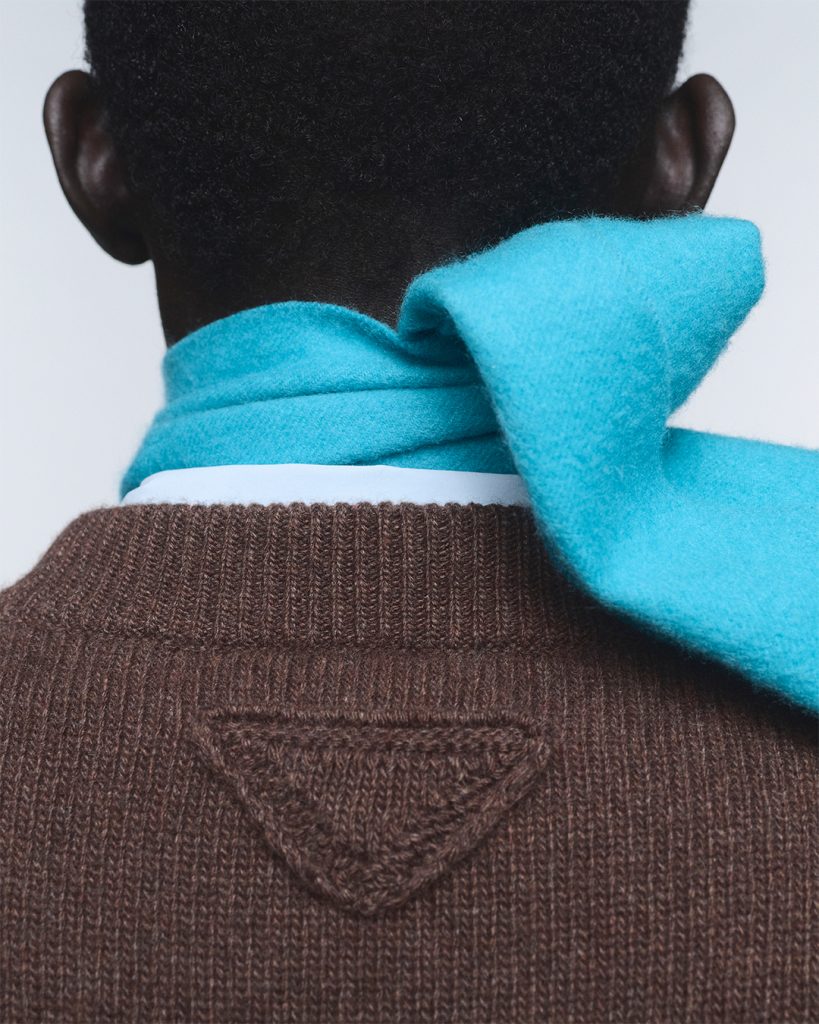
Circularity, in its most earnest form, asks uncomfortable questions of industry practice. What becomes of the fibres shed during spinning? Where do the off-cuts from pattern-laying end their journey? For decades, these fragments represented sunk cost and environmental weight. Prada's Re-Cashmere and Re-Wool initiative recasts them as assets—gathered, sorted with precision, and recycled into secondary raw materials of verifiable quality.
The distinction matters profoundly. This is not a salvage operation on yesterday's coats, though noble such programmes remain. Rather, it is an intervention at the point of creation itself, where waste is intercepted before it accumulates in landfills or combustion chambers. The fibres are captured at their most pristine, their molecular integrity still intact, their potential for transformation greatest.
Integration into the Production Cycle
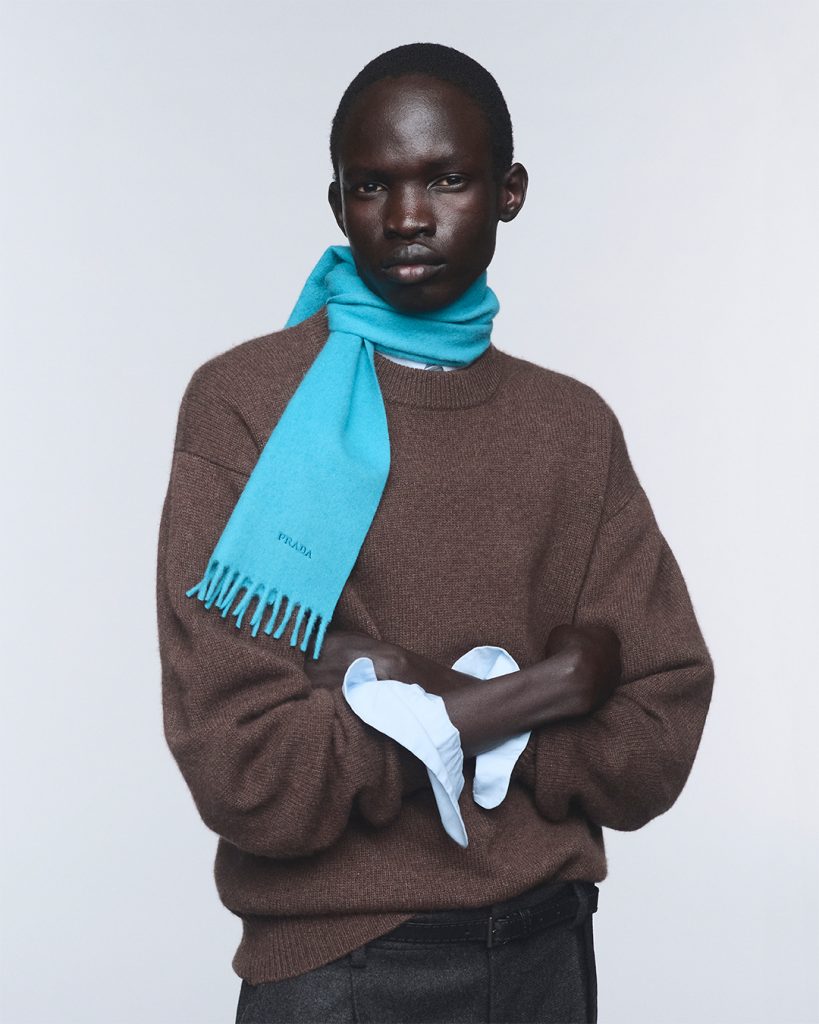
What renders this departure significant is its seamlessness within Prada's existing production infrastructure. These reclaimed materials do not emerge as a subsidiary or heritage-tinged line; they return directly to the production cycle, woven into garments alongside virgin fibres in the Fall Winter 2026 collection. For the wearer, the distinction is immaterial—the hand, the drape, the longevity remain those to which Prada's clientele has become accustomed.
The initiative speaks to a broader evolution within luxury manufacture, one that acknowledges the industry's material footprint whilst refusing to compromise on the sensorial and tactile standards that define the category. It is a calibrated approach: sustainability as an ingredient rather than as apology or afterthought.

A Considered Legacy
That Prada has chosen to introduce Re-Cashmere and Re-Wool during a runway season—rather than as a footnote to corporate responsibility documentation—signals its conviction in these materials' parity with convention. To present them within the context of haute couture is to assert their aesthetic and technical credibility, not their virtue alone.
The programme aligns with a long tradition of Milanese craft, where waste minimisation and material intelligence have long been embedded in atelier culture. This announcement simply makes explicit what the finest European houses have always understood: that respect for fibre, for the labour that transforms it, and for the earth from which it comes, is inseparable from the pursuit of beauty itself.
Re-Cashmere and Re-Wool represent not an experimental footnote but a structural commitment—the integration of regeneration into the very machinery of production. For collectors attuned to both heritage and conscience, it offers something increasingly rare: the pleasure of luxury without the weight of compromise.
Key Facts
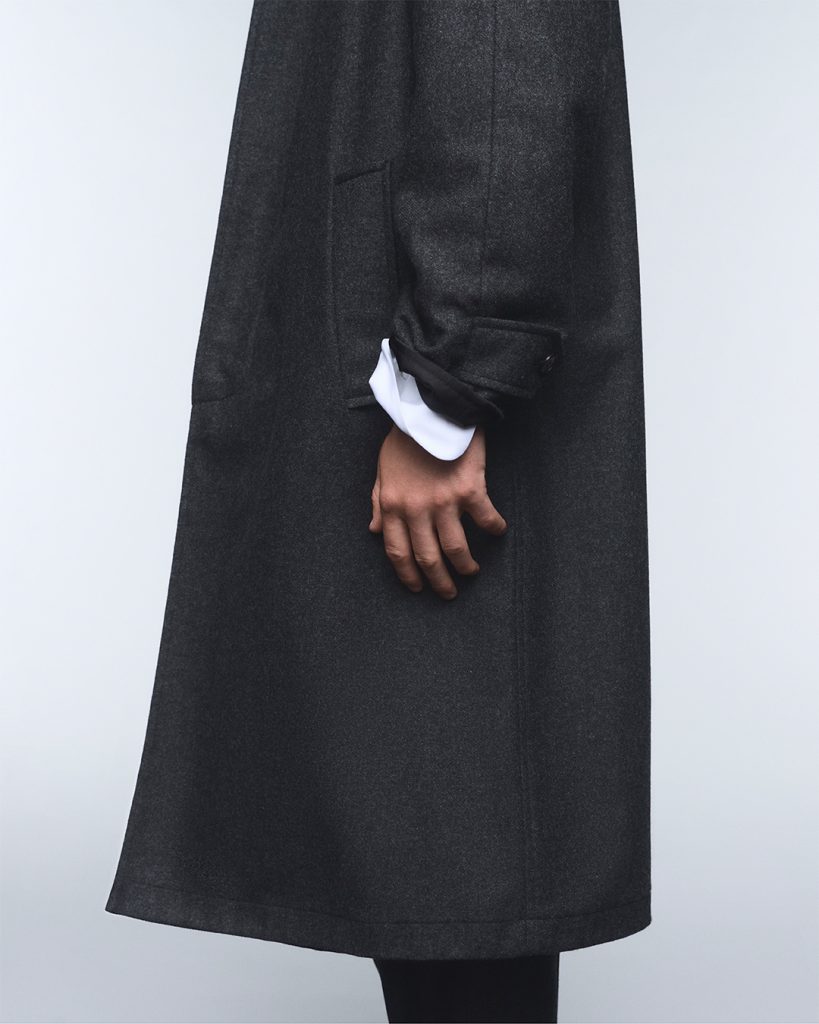
- Materials: Re-Cashmere and Re-Wool sourced from pre-consumer offcuts, spinning residues and cutting-room remainders
- Collection: Autumn Winter 2026
- Production Method: Materials sorted and recycled into secondary raw materials integrated into the production cycle
The Simply Luxury View
Prada's initiative demonstrates a maturation within sustainable luxury: the recognition that circularity becomes meaningful only when it operates at the source, capturing material at its point of greatest potential rather than attempting redemption at the end of a garment's life. By establishing reclaimed cashmere and wool as standard components within the production cycle rather than as marketing distinction, the house signals that environmental intelligence and aesthetic excellence need not be sequential but can be simultaneous.
This approach particularly distinguishes itself from heritage recovery programmes, which often treat recycled materials as secondary or promotional. Here, the fibres are woven into mainline collections without ceremony or disclosure—a quiet confidence that the quality speaks for itself. For the discerning collector, it underscores Prada's continued authority in understanding that true luxury is built not merely on scarcity or cost, but on the rigour with which every element of production is considered.
Official brand website: prada.com
Imagery is used for editorial purposes. All rights remain with the respective owners, photographers and licensors.
Imagery courtesy of Prada (@prada).