
Range Rover Sport Electric: Redefining Off-Road Performance in the Italian Alps
AI-assisted voice playback. Starts only when you choose Play.
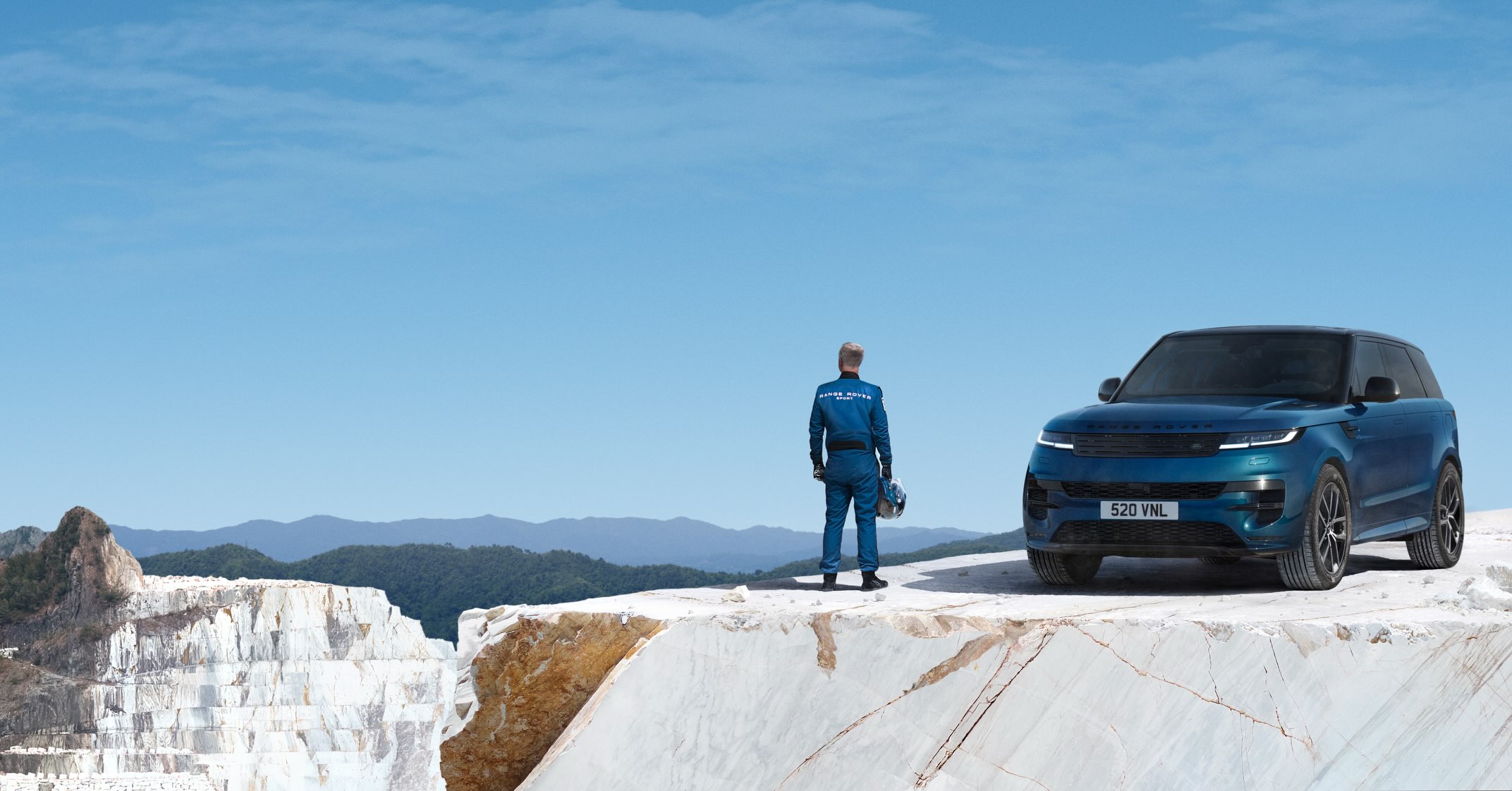
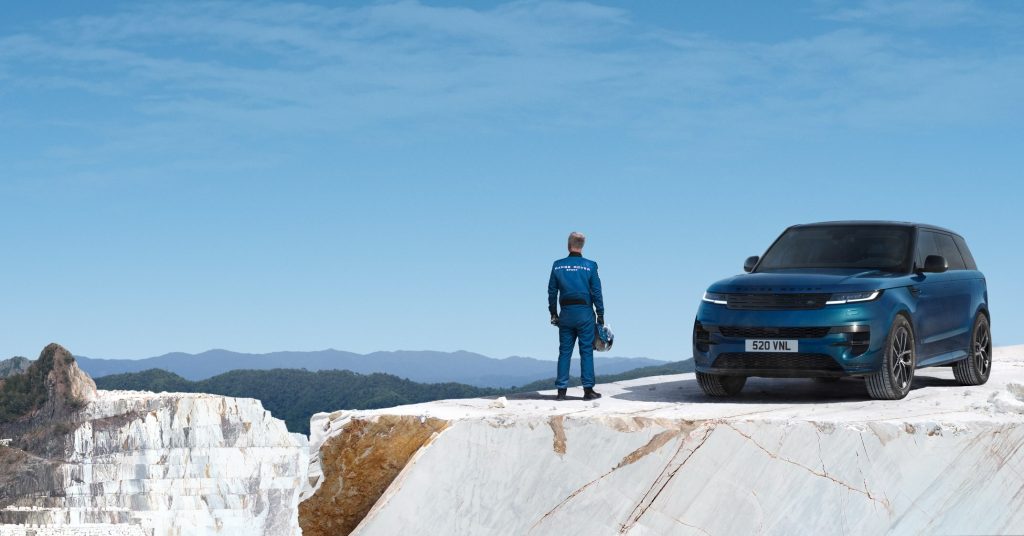
The mountains above Carrara demand respect. Ancient marble quarries scar the Tuscan peaks, their vertical walls testament to centuries of extraction and the unforgiving nature of terrain that shifts, crumbles and tests the limits of what vehicles—and drivers—can endure. It is here, amongst stone and altitude, that Range Rover has chosen to introduce the first all-electric Range Rover Sport to the world.
This is not a marketing theatre. This is a genuine test of engineering philosophy: that a battery-electric powertrain, far from compromising capability, can liberate it.
Engineering the Shift
The move to electrification in the Range Rover Sport brings tangible mechanical advantages. A stiffer body structure and a lower centre of gravity fundamentally alter how the vehicle behaves on challenging terrain. The immediate benefit is stability—the kind that comes not from brute weight, but from thoughtful mass distribution. More telling still is the torque delivery. Electric motors produce their maximum force instantly, from standstill. On mountainous ground where traction windows are brief and the margin for error slim, this characteristic transforms the driving experience from reactive to commanding.
Range Rover has not merely electrified an existing platform; the engineering is responsive to the physics of battery placement and the opportunities it creates. The concentrated mass of the battery pack, positioned low in the chassis, shifts the vehicle's centre of gravity downward—a luxury normally reserved for dedicated sports cars. In an off-road context, this means better weight distribution across axles, reduced body roll and improved approach and departure angles. These are not abstract advantages; they are felt immediately when ascending steep, loose terrain.
The Peak to Peak Protocol
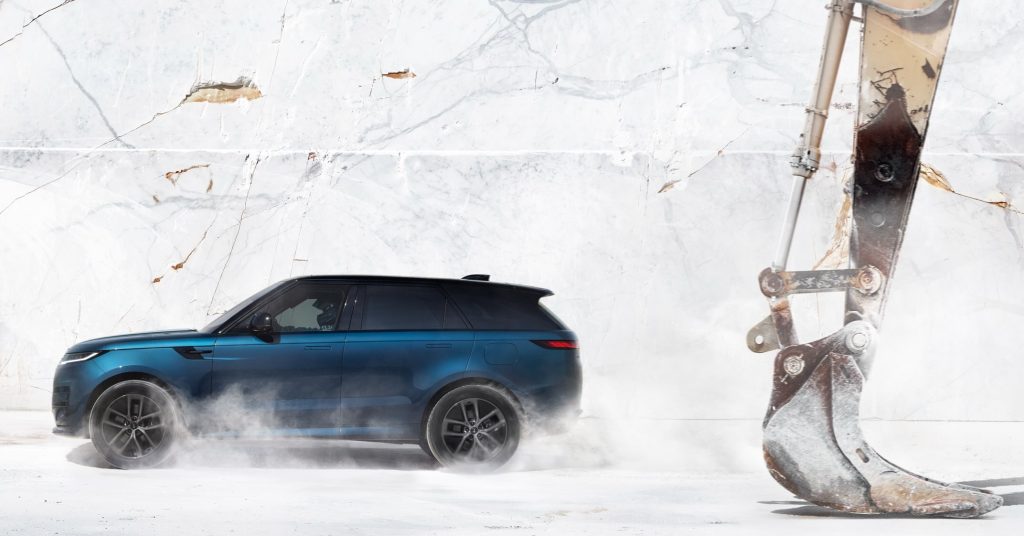
The Peak to Peak Challenge itself is a curated sequence of demanding routes through marble country. The terrain varies deliberately: steep climbs with loose surfaces, descents requiring precise throttle control, and traverses where ground conditions change metre by metre. It is the kind of environment where a vehicle must demonstrate not a single capability, but a spectrum of them—traction in multiple conditions, control on variable slopes, composure in the unpredictable.
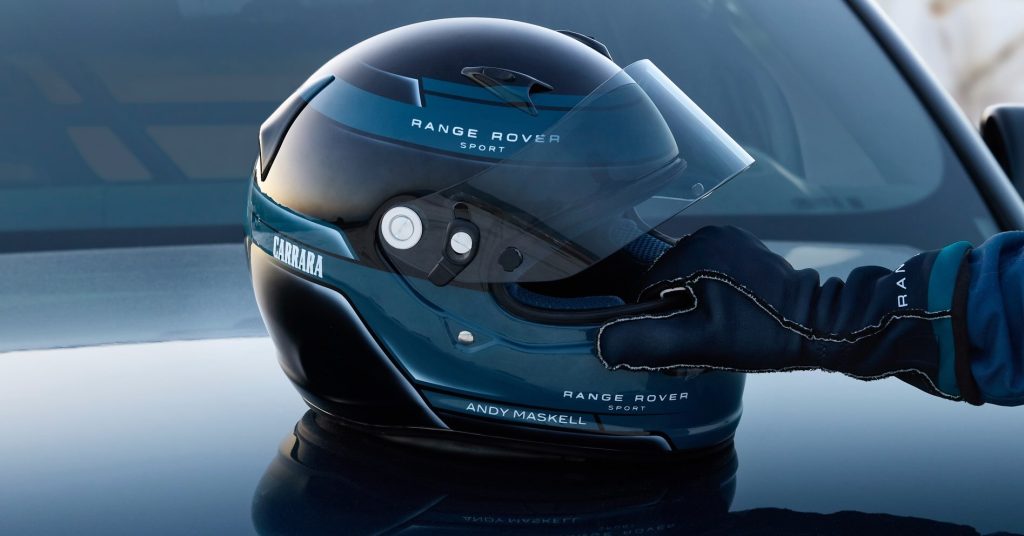
What makes this demonstration credible is its restraint. Range Rover has not manufactured a scenario. The Carrara mountains are real terrain with real consequences. The routes were driven on private land with full permission, and all necessary restoration of the landscape was carried out—a commitment that itself speaks to a luxury brand's obligation to stewardship. The driver was a professional, the vehicle production-specification (shown here in Electric Autobiography trim with optional features), and the underlying message is clear: this is not a prototype vindicated by a single, choreographed moment, but a production car validated by authentic challenge.
The Luxury of Effortlessness
For owners of Range Rover Sport models, the appeal has always resided in an apparent paradox: a vehicle sophisticated enough for refined living, yet capable enough for genuine exploration. The electric variant does not resolve this tension by compromise; instead, it deepens it. The silent operation of an electric drivetrain—a quality often remarked upon in urban contexts—becomes something else entirely on a mountain. It allows the driver to hear the engine sound of the terrain itself: the crunch of stone, the slip of gravel, the subtle shifts in traction feedback. Silence, in this setting, becomes clarity.
The Autobiography specification amplifies this luxury sensibility. This is not a utilitarian off-road machine dressed in premium trim. It is a considered articulation of what it means to own an exploratory vehicle in the 2020s—one that performs with genuine capability whilst maintaining the refinement, materials and design language expected of Range Rover's most elevated variant. The lower centre of gravity and enhanced torque are not felt as engineering oddities; they are simply absorbed into an experience of effortless competence.
The introduction of the Range Rover Sport Electric via the Peak to Peak Challenge in Carrara represents a significant moment for the brand. It is a statement that electrification, properly executed, is not a surrender of capability but an expansion of it. For the discerning owner, this validation matters. It signals that choosing the electric variant is not a compromise with current fashion, but an embracing of genuine engineering advancement.
In the context of luxury automotive development, few challenges carry as much weight as proving that new powertrains do not diminish the essential character of a storied vehicle. Range Rover has accepted that test willingly, on real terrain, in full view. The Peak to Peak Challenge is not marketing—it is evidence.
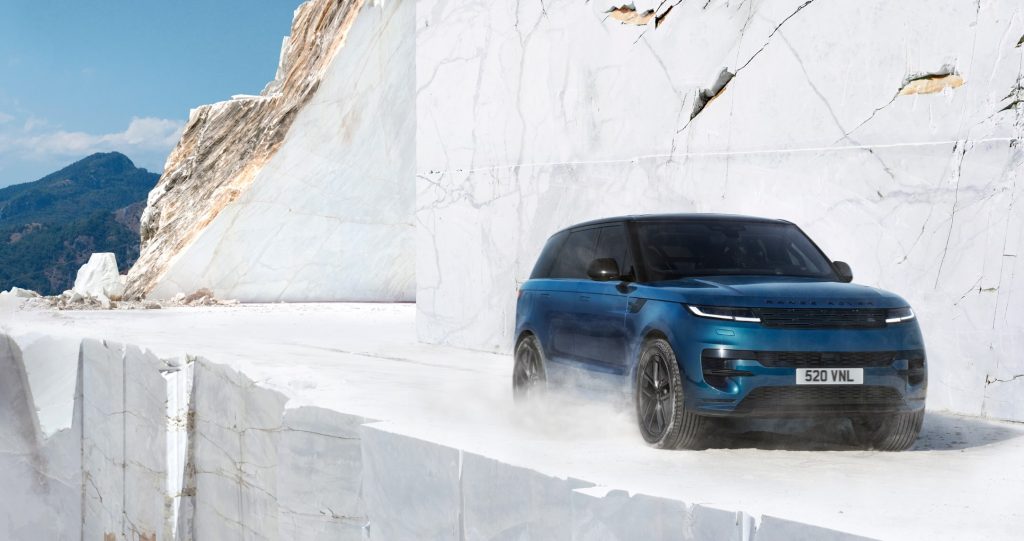
Key Facts
- Model: Range Rover Sport Electric (first generation)
- Trim Shown: Electric Autobiography 27MY
- Validation Location: Carrara, Italy
- Key Engineering Features: Stiffer body, lowered centre of gravity, increased torque delivery
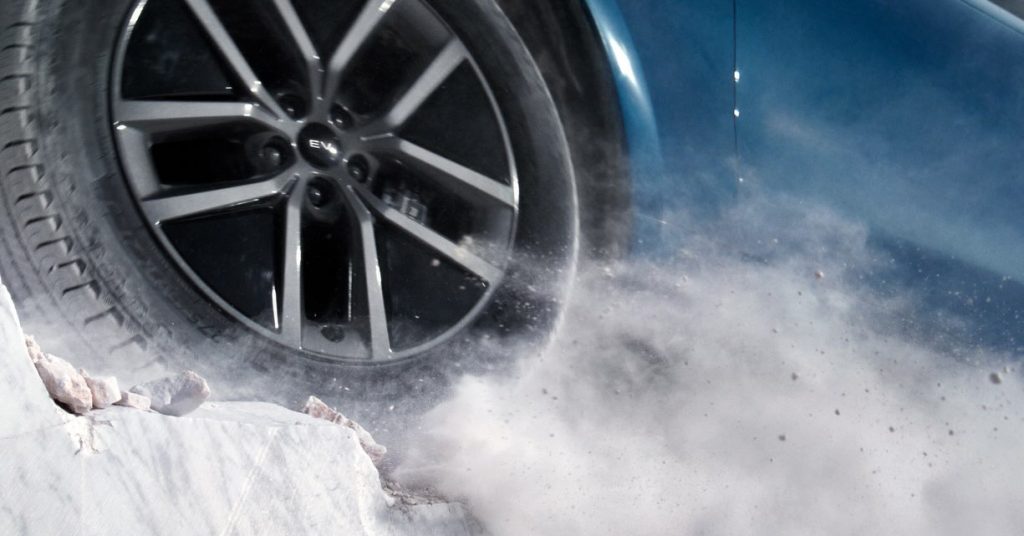
The Simply Luxury View
The arrival of the all-electric Range Rover Sport marks a maturation in how premium automotive brands approach electrification. Rather than compromise capability in pursuit of sustainability credentials, Range Rover has engineered tangible improvements in the areas its clientele value most: traction, stability, composure on demanding terrain and the effortless delivery of power. The Carrara validation is significant because it demonstrates these advantages not in isolation, but in authentic context.
For collectors and owners accustomed to Range Rover's heritage of genuine exploration capability, the electric Sport offers reassurance that the transition to battery power enhances rather than diminishes the essential character of the nameplate. This is particularly relevant for those who regard their vehicles as tools for genuine travel and terrain challenge, not showroom statements. The lower centre of gravity and instant torque delivery represent genuine engineering evolution, not styling refresh.
Official brand website: landrover.com
Imagery is used for editorial purposes. All rights remain with the respective owners, photographers and licensors.
Imagery courtesy of Range Rover (@rangerover).