
Six Decades of Nordic Craftsmanship: Nautor Swan’s Enduring Legacy in Modern Yacht Design
AI-assisted voice playback. Starts only when you choose Play.
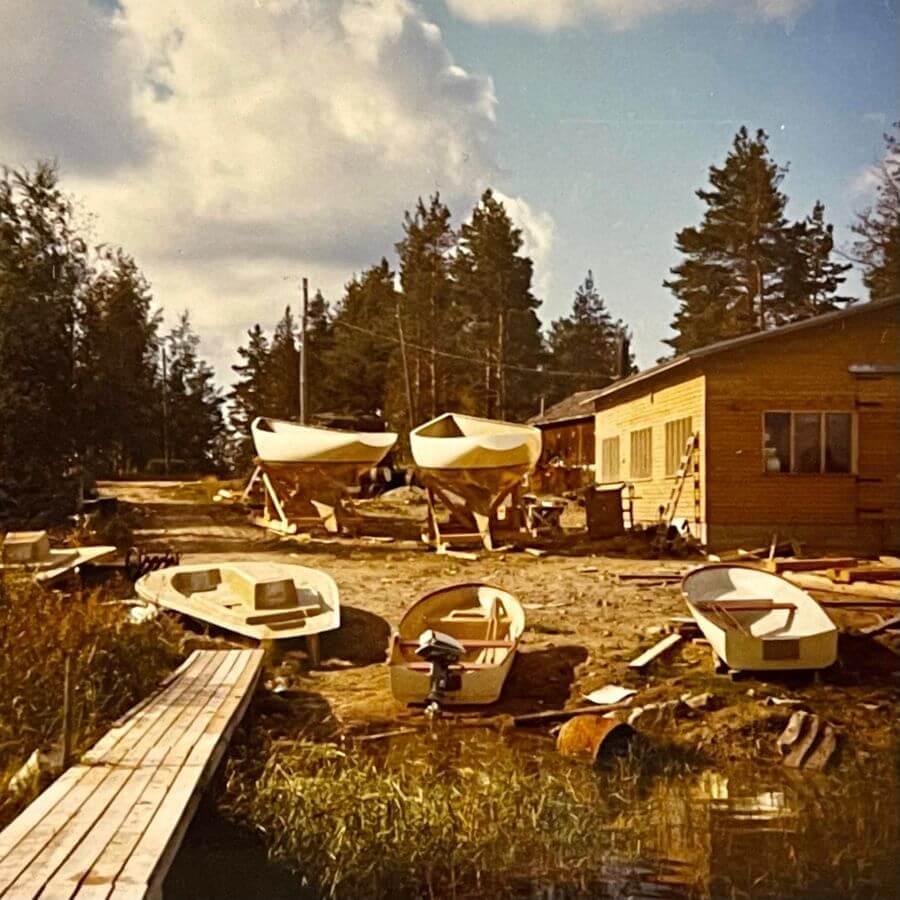
In the waters off Jakobstad, on Finland's western coast, a modest white-hulled sailing yacht commands the sort of reverent attention usually reserved for museum acquisitions. The Swan 36 Tarantella, relaunched in June 2026 following a comprehensive restoration, is no mere vintage vessel seeking nostalgia. Rather, it serves as a living testament to nearly six decades of disciplined Scandinavian boat-building innovation, beginning with its maiden voyage in 1967—the very year Nautor Swan itself was founded.
The Tarantella holds a singular place in yachting history: it was the first production boat ever to leave the Nautor Swan shipyard, christened at a moment when its visionary founder, Pekka Koskenkylä, was still refining the philosophy that would define the brand. Six decades later, that philosophy remains largely unchanged—an unwavering commitment to structural integrity, elegant simplicity and performance that rewards serious sailors rather than casual acquirers.
The Founding Vision and First Creation
When Koskenkylä established Nautor Swan in September 1966, the Finnish boat-building sector was neither dominant nor particularly renowned. Yet within months, the Tarantella—a Swan 36 designed with meticulous attention to balance, stability and seaworthiness—demonstrated that something fundamentally different was emerging from this modest Jakobstad facility. Unlike the trend towards flashier, more ostentatious craft that would proliferate through subsequent decades, the Swan lineage embodied restraint paired with uncompromising build quality.
The original Swan 36 reflected principles that would ripple through the entire catalogue: a hull form refined through rigorous testing, joinery that favoured longevity over expedience, and an internal architecture organised around functionality rather than theatrical opulence. These were vessels designed for those who understood that true luxury in sailing lay in predictability, safety and the sublime simplicity of moving through water with grace.
Continuity in an Industry of Disruption
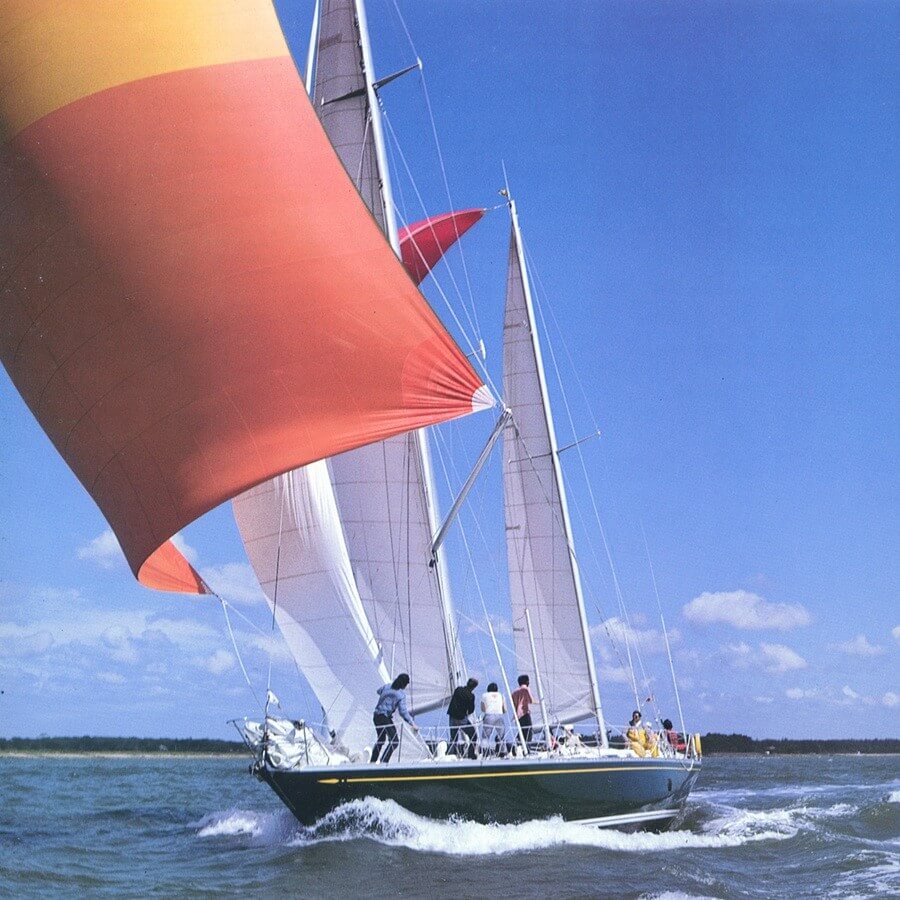
What distinguishes Nautor Swan from countless other shipyards—particularly those that have since vanished or been absorbed into larger industrial conglomerates—is the consistency of its strategic vision. Whilst the yachting industry has cycled through periods of excess, consolidation and fashionable reinvention, Swan has maintained an almost Nordic stubbornness about what matters: seakeeping ability, structural durability, resale value and the kind of aesthetic restraint that transcends passing trends.
The six-decade arc from Tarantella to the contemporary Swan fleet reveals no dramatic departures from founding principles. Models have evolved, materials have been refined, and production techniques updated, yet the underlying ethos remains recognisable. A Swan 36 owner from 1967 confronting the 2026 iteration would recognise the vocabulary immediately—the commitment to teak detailing, the reliance on proven rigging configurations, the spatial efficiency that maximises living space without sacrificing seaworthiness.
The Restoration as Affirmation
The decision to conduct an extensive refit of the original Tarantella and present it at the shipyard's home port signals something beyond nostalgia. It represents an implicit assertion of continuity: that boats built to these exacting standards not only endure, but reward restoration and recommissioning. In an era when many luxury goods are designed for planned obsolescence, the Tarantella's ability to resume active sailing after nearly six decades speaks to the structural integrity embedded in its DNA.
The refit itself, undertaken at Nautor Swan's Jakobstad facility with support from partner brands, honours rather than obliterates the original. The vessel's white hull, wooden detailing and essential proportions remained inviolate. Such restraint in restoration mirrors the restraint evident in the original design—a refusal to aestheticise or sentimentalise, but rather to preserve and renew.
Significance for Collectors and Serious Sailors
For those who acquire yachts with the expectation of long-term ownership, Swan's six-decade track record carries measurable significance. A Swan vessel purchased today enters a lineage with demonstrable longevity, resale viability and manufacturer support. This differs markedly from prestige marques that prioritise aesthetic novelty or technological spectacle, often at the expense of durability.
The Tarantella's restoration also underscores the practical reality of Swan ownership: these are working vessels designed for passage-making and extended cruising. They are not floating palaces anchored perpetually in Mediterranean marinas; they are instruments for serious sailors who understand that the finest luxury in yachting is the confidence to venture into challenging waters knowing the vessel will respond predictably and safely. That philosophy, evident in 1967 and reaffirmed in 2026, remains the true measure of the brand's enduring significance.
The re-emergence of the Swan 36 Tarantella in Jakobstad represents more than a milestone anniversary. It serves as a quiet reminder that in an industry prone to fashionable excess and technological one-upmanship, there remains a distinct constituency—worldwide—for vessels built according to first principles: honesty of construction, elegance of proportion, and performance that justifies confidence. Nautor Swan's six decades suggest that this constituency will not diminish.
Key Facts
- Founded: September 1966
- Founder: Pekka Koskenkylä
- First Vessel: Swan 36 Tarantella (1967)
- Milestone Celebration: 60 years (2026)
- Home Port: Jakobstad (Pietarsaari), Finland
- Tarantella Relaunch: June 2026
The Simply Luxury View
For the discerning international collector, Nautor Swan occupies a distinctive position within the yachting hierarchy: it sits apart from the maximalist, technology-forward builders catering to newly minted wealth, yet equally distant from heritage yards trading primarily on historical prestige. Instead, Swan represents a middle path—one that marries proven design rigour with accessible (rather than stratospheric) pricing, and production discipline with genuine customisation. The brand's survival through six decades of economic cycles, regulatory shifts and competitive pressures testifies to the durability of this positioning.
The Tarantella's restoration carries particular resonance because it validates a counter-intuitive truth about luxury yachts: that true longevity and residual value accrue not to vessels laden with cutting-edge gadgetry or maximalist interiors, but to those built with structural integrity and timeless proportion. In this sense, the original Swan 36, relaunched in 2026, speaks directly to owners who regard yacht acquisition as a generational commitment rather than a consumable asset.
Official brand website: nautorswan.com
Imagery is used for editorial purposes. All rights remain with the respective owners, photographers and licensors.