
The BMW 3.0 CSL: Where Racing Pedigree Met Design Mastery
AI-assisted voice playback. Starts only when you choose Play.
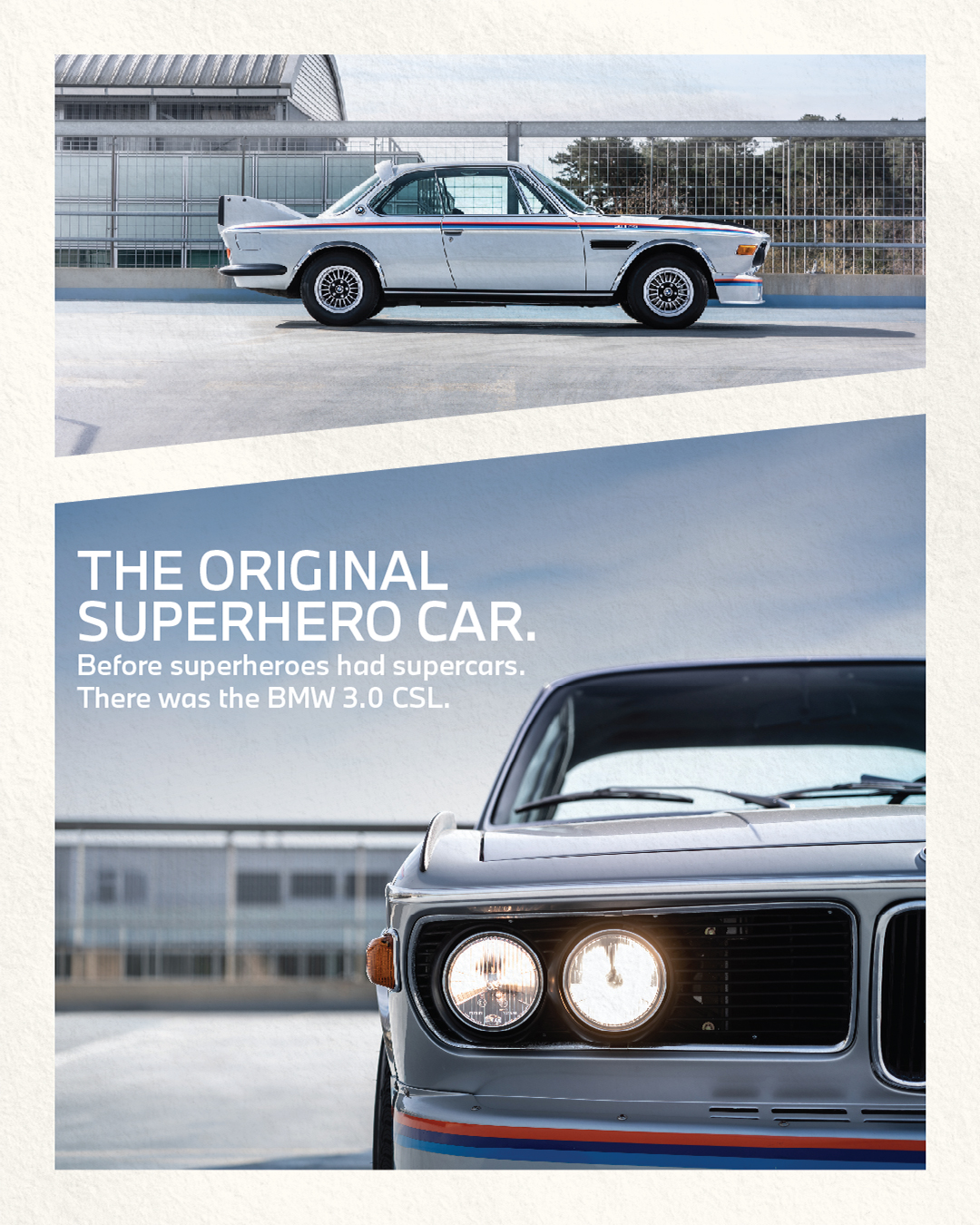
In the early 1970s, BMW undertook a transformation that would ripple through five decades of automotive culture. The 3.0 CSL emerged not as a mere evolution of the marque's existing coupé line, but as a deliberate fusion of two pursuits that rarely coexisted with such clarity: the uncompromising demands of international motorsport and the exacting standards of avant-garde industrial design.
What made the 3.0 CSL remarkable was its refusal to choose between these worlds. It was equally at home on the Nürburgring and parked outside a gallery in Stuttgart, its presence commanding respect in either context.
Engineering for Victory
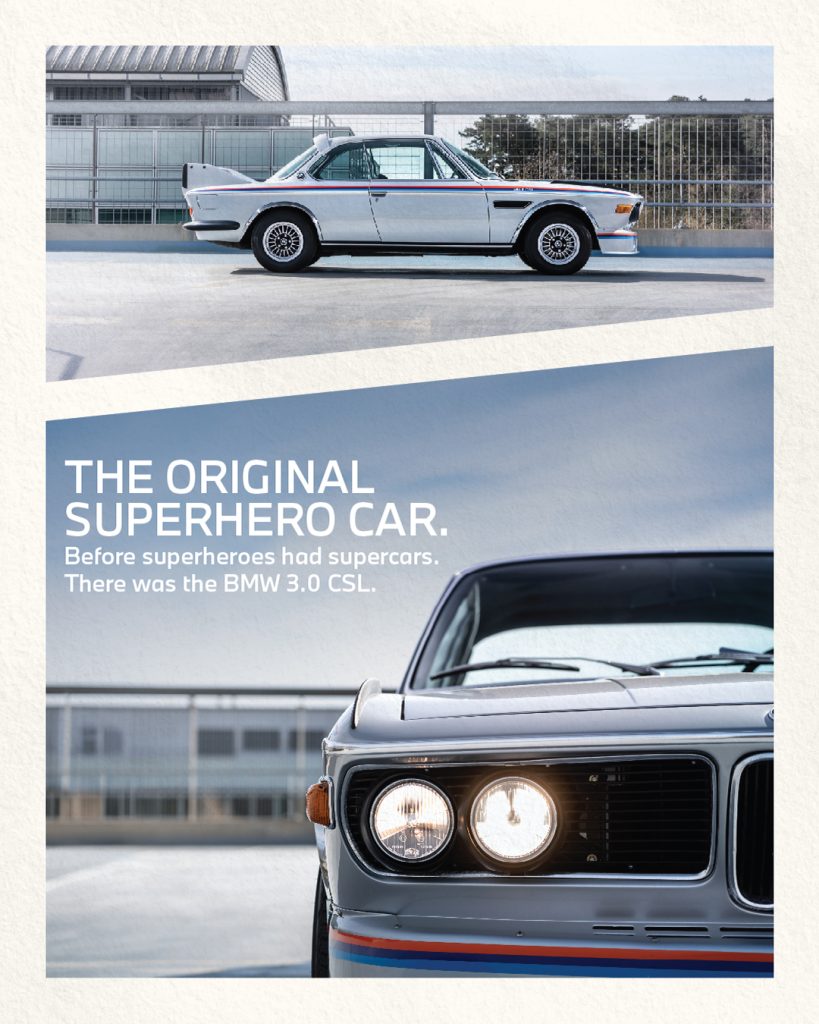
The 3.0 CSL was conceived during an era when manufacturers still believed that racing victories could be translated directly into road cars without compromise or dilution. BMW's engineering team approached the CSL not as a street-legal race car, but as a production vehicle built to endure the rigours of international competition.
The model's designation carried meaning: the 'L' denoted Leichtbau—German for lightweight construction. Every component was evaluated not merely for function, but for its contribution to overall weight reduction. Aluminium was deployed extensively; unnecessary trim was eliminated; even the rear window was fashioned from thinner glass. The result was a vehicle that seemed to distil the essence of its purpose into tangible form.
On track, the 3.0 CSL became formidable. Its racing programme saw victories across Europe, establishing BMW as a serious competitor in international motorsport and creating a halo effect that extended far beyond the paddock into the consciousness of discerning drivers worldwide.
A Sculpture in Motion
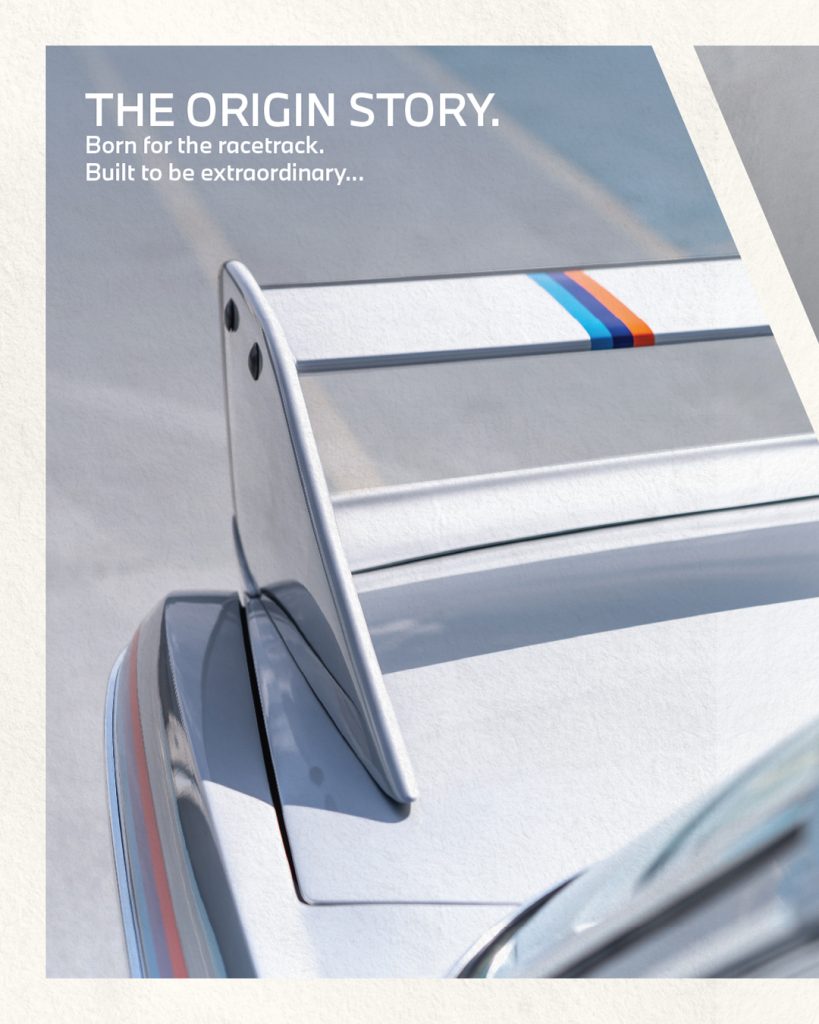
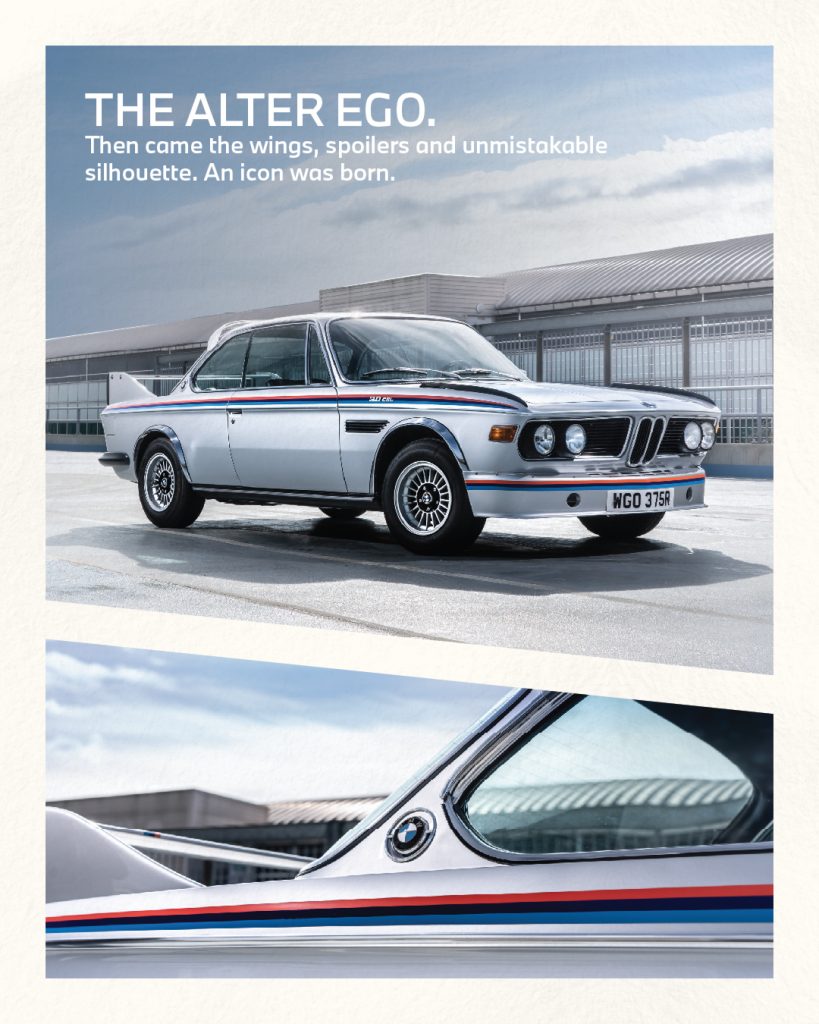
Perhaps more enduring than its racing record is the 3.0 CSL's design legacy. The car possessed a presence that transcended its era—a sculptural quality that emerged from functional necessity rather than stylistic indulgence. The pronounced wheel arches, the taut muscular flanks, the purposeful stance: these were not decorative choices but the visible expression of engineering intent.
The CSL's profile suggested kinetic energy even when stationary. Later iterations, particularly those equipped with the iconic ducktail spoiler, pushed the visual language further, creating an silhouette that remains instantly recognisable and intensely coveted among collectors today. This was design as narrative: the car's appearance told the story of its capabilities.
The interior reflected the same philosophy. The CSL eschewed unnecessary ornament. Materials were robust and purposeful. Every surface served the driver's relationship with the machine, creating an environment of competitive focus rather than leisured comfort.
A Template for Everything That Followed
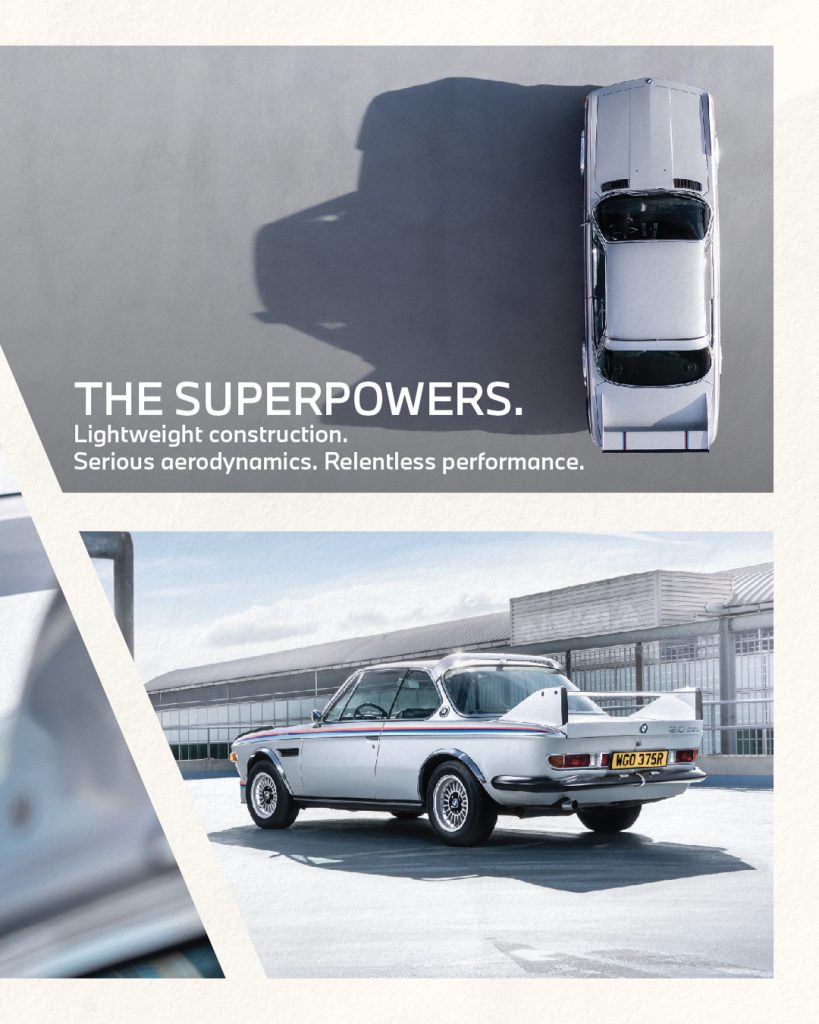
The 3.0 CSL's significance lies not only in what it achieved, but in what it established. It demonstrated that a production automobile could embody motorsport authenticity without becoming a mere curiosity. It showed that design integrity and functional excellence were not competing ambitions but complementary forces.
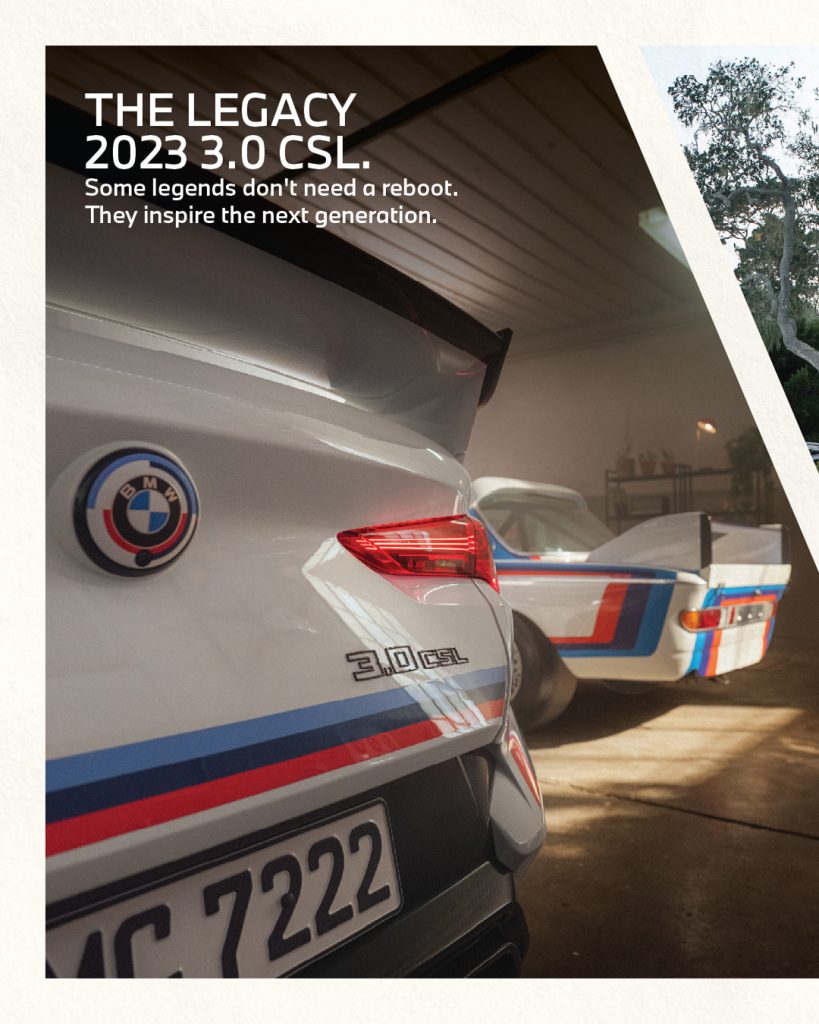
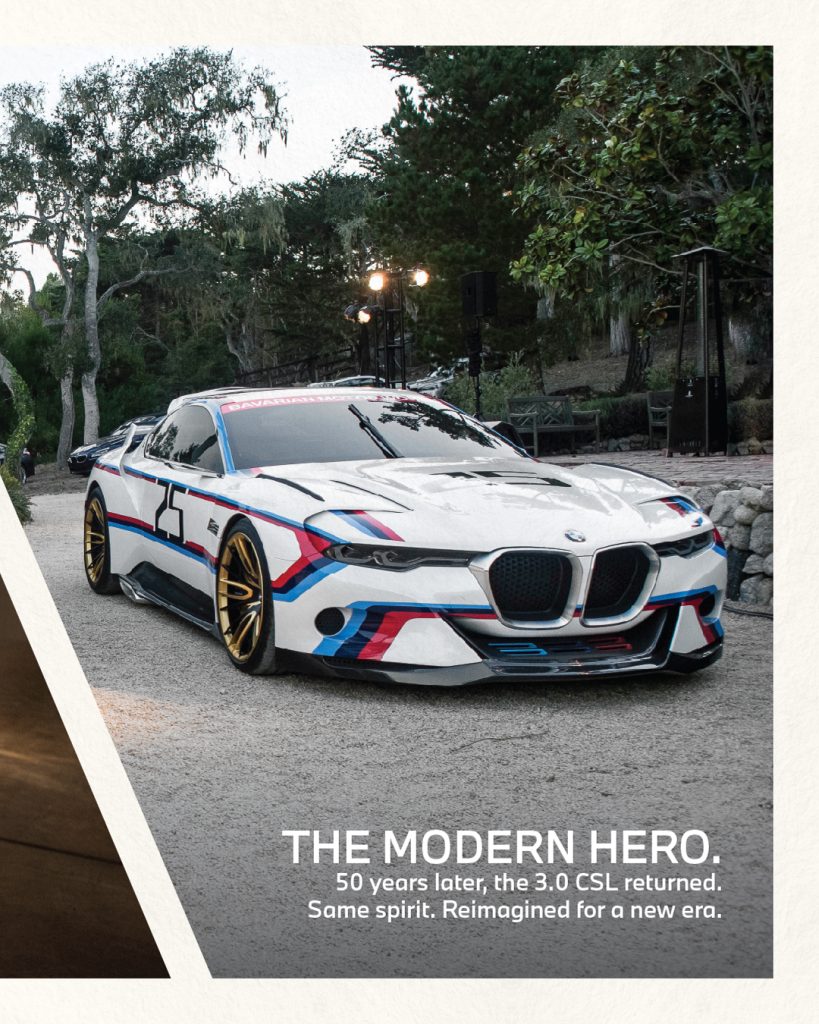
The legacy extends through every subsequent BMW M model, every high-performance iteration of the Three, and into the contemporary thinking that continues to guide the marque's approach to performance engineering. The principles established by the CSL—lightweight construction, balanced proportion, unadorned functionality—remain operative half a century later.
For collectors and automotive enthusiasts, the 3.0 CSL represents a particular moment in automotive history when the barriers between racing and road use remained permeable, when a car could be genuinely fast without being uncomfortable, and when visual drama emerged from structural necessity rather than aerodynamic posturing.
The BMW 3.0 CSL was not the beginning of the marque's performance story, yet it functioned as a definitive statement. It synthesised racing credibility with design authority in a manner that created something genuinely timeless. Today, original examples command substantial prices at auction, their value reflecting not nostalgia but recognition of an achievement that remains difficult to equal: a car that was simultaneously a racing tool, a design icon, and a vision of automotive purpose that has yet to be superseded.
Imagery is used for editorial purposes. All rights remain with the respective owners, photographers and licensors.
Imagery courtesy of BMW (@bmw).