
The Breuer at Sixty: How Marcel’s Modernist Masterpiece Redefined New York’s Cultural Landscape
AI-assisted voice playback. Starts only when you choose Play.
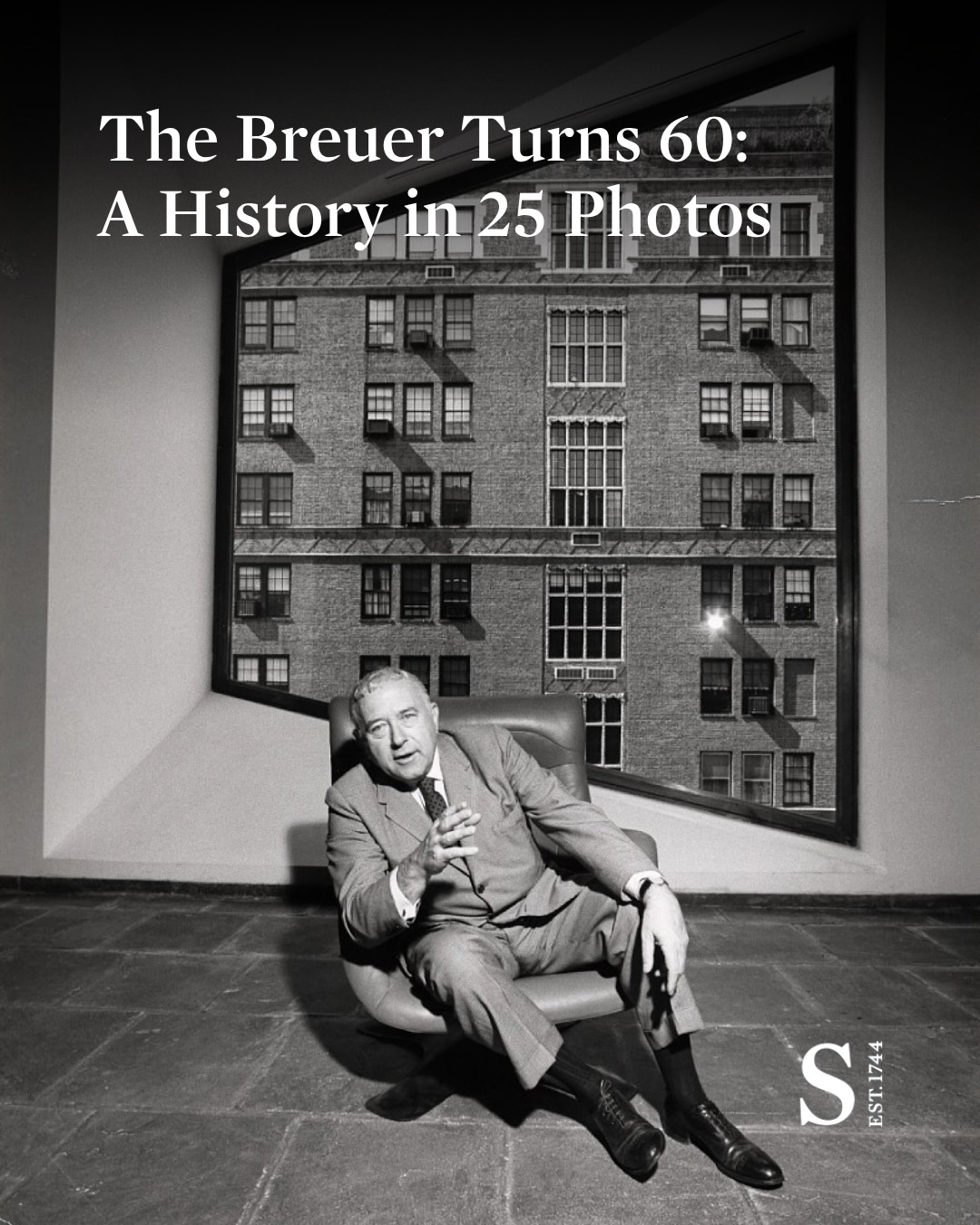
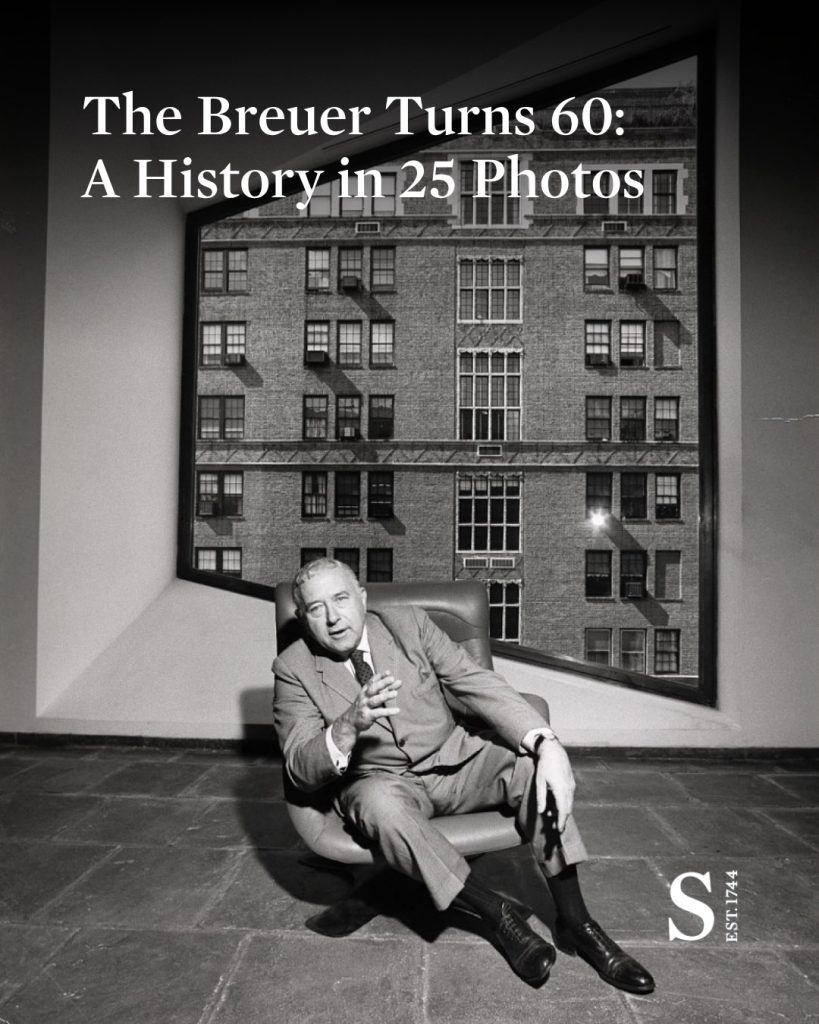
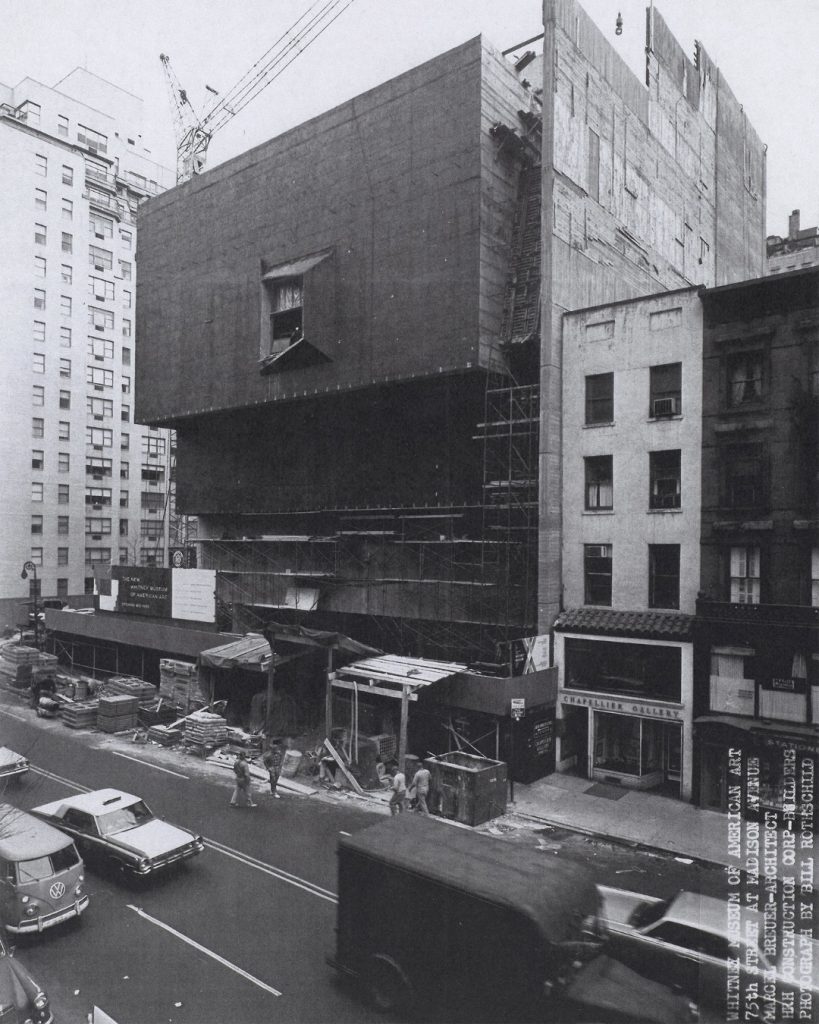
When Marcel Breuer's monumental structure opened its doors on Madison Avenue in 1966, it arrived as an architectural statement of uncompromising vision. The Hungarian-American designer, schooled in the rigorous modernism of the Bauhaus, had conceived a building that would not merely house art—it would fundamentally alter how viewers encountered it. Sixty years later, the Breuer remains precisely what Breuer intended: a singular monument amid Manhattan's dense architectural landscape, its massive concrete form a deliberate counterpoint to the brownstones and neoclassical facades of the Upper East Side.
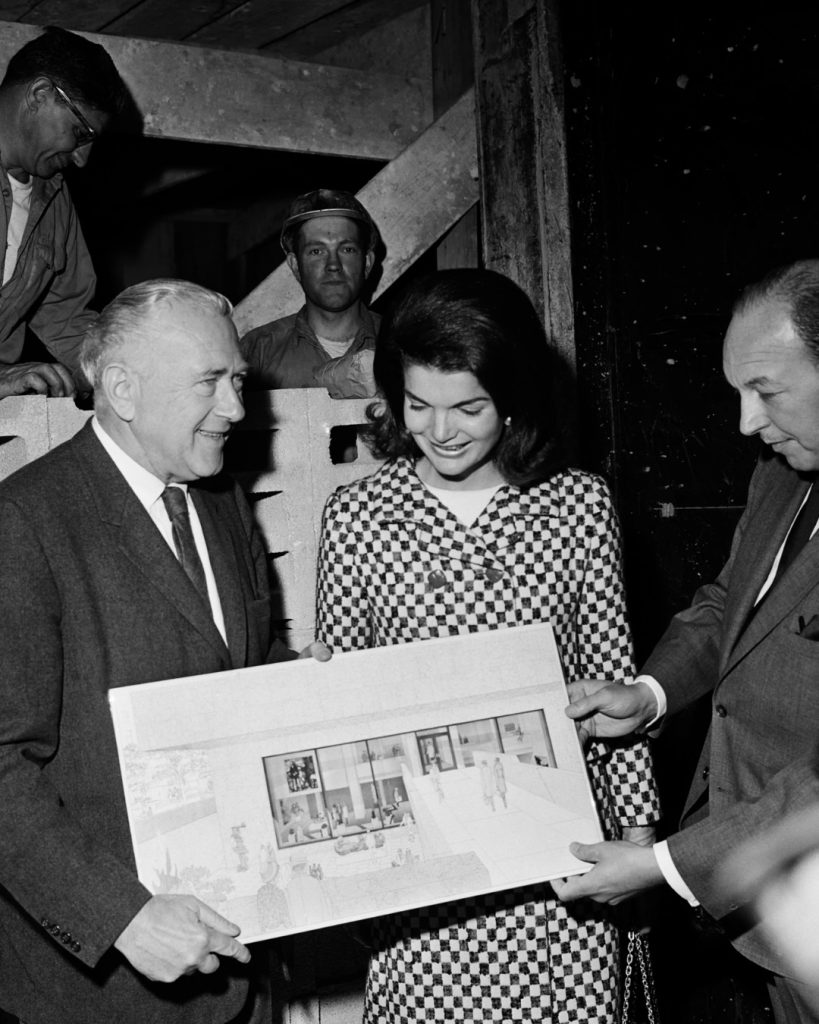
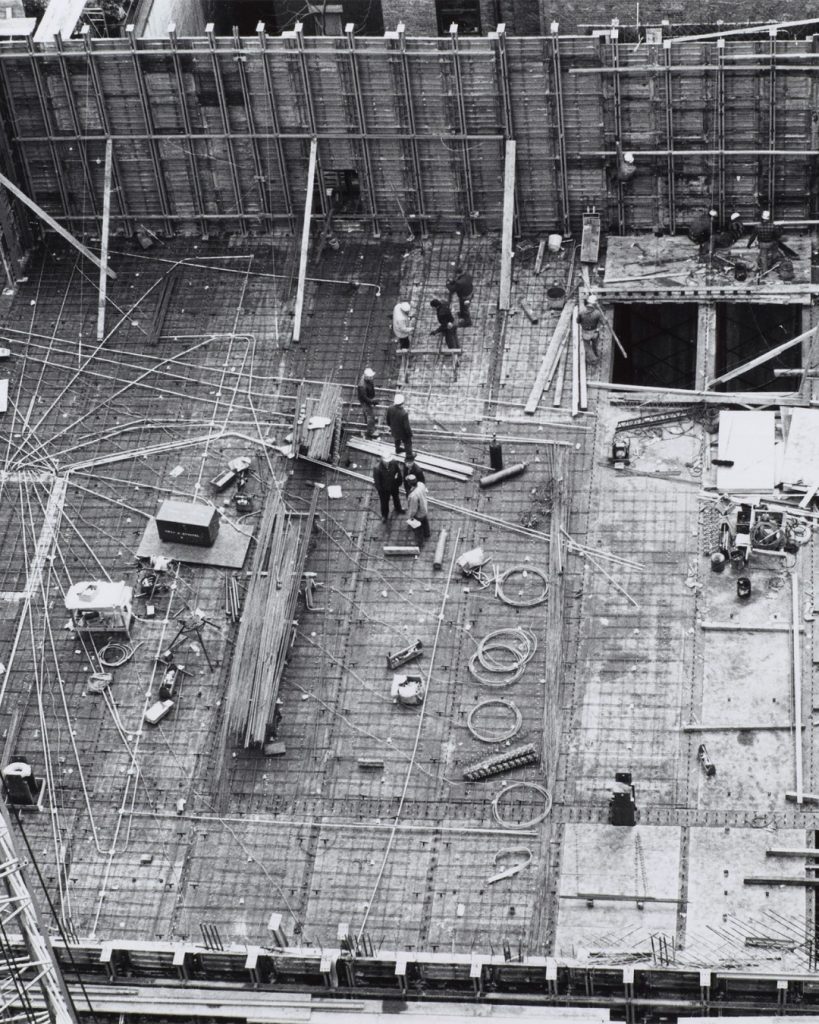
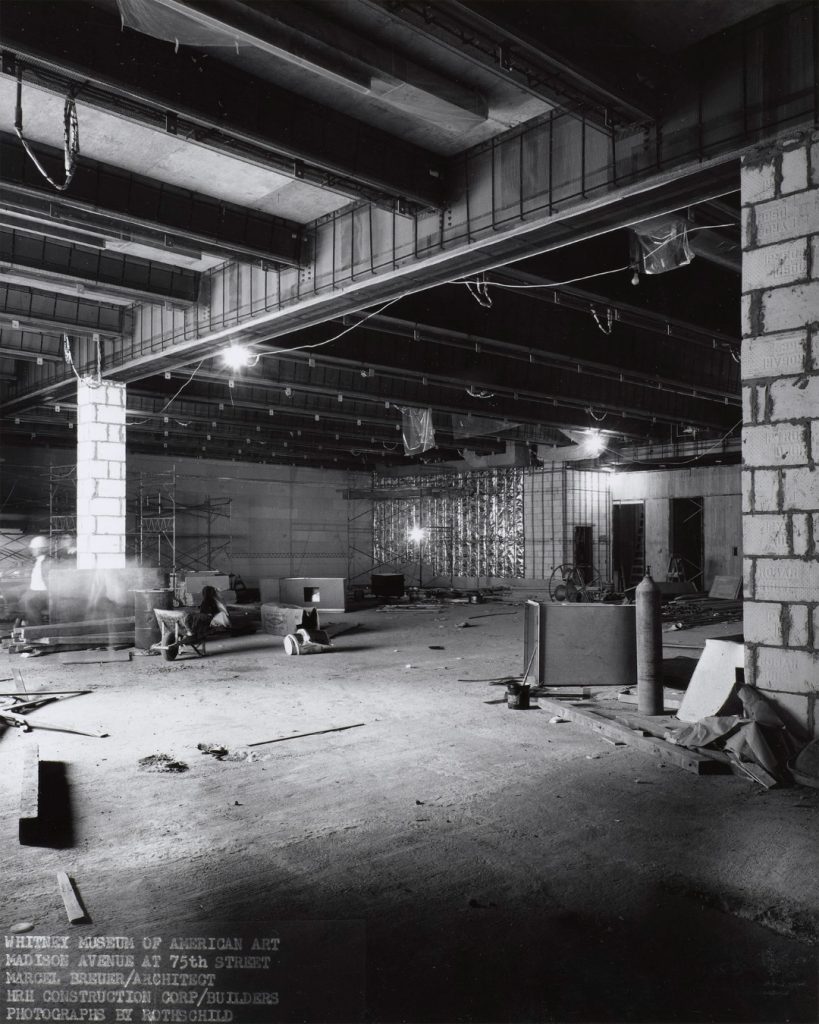
The building's journey from its conception through the present day traces the evolving relationship between modernist architecture and American cultural life. Construction began in 1963, following Breuer's selection for the commission. Even before its completion, the project commanded high-profile attention: Jacqueline Kennedy herself followed the development closely and was photographed with Breuer at the construction site in October 1965, lending the nascent institution an air of cultural gravity.
A Daring Aesthetic Statement
The Breuer's architectural language proved immediately divisive. Contemporary critics struggled with its severity: one New York Times reviewer characterised it as 'somber and severe for many tastes,' a verdict that reflected genuine philosophical disagreement about what a museum ought to be. The building's sparse fenestration—those distinctive trapezoidal windows set into its muscular concrete envelope—deliberately limited natural light, yet created dynamic, framed views that transformed how visitors moved through the galleries.
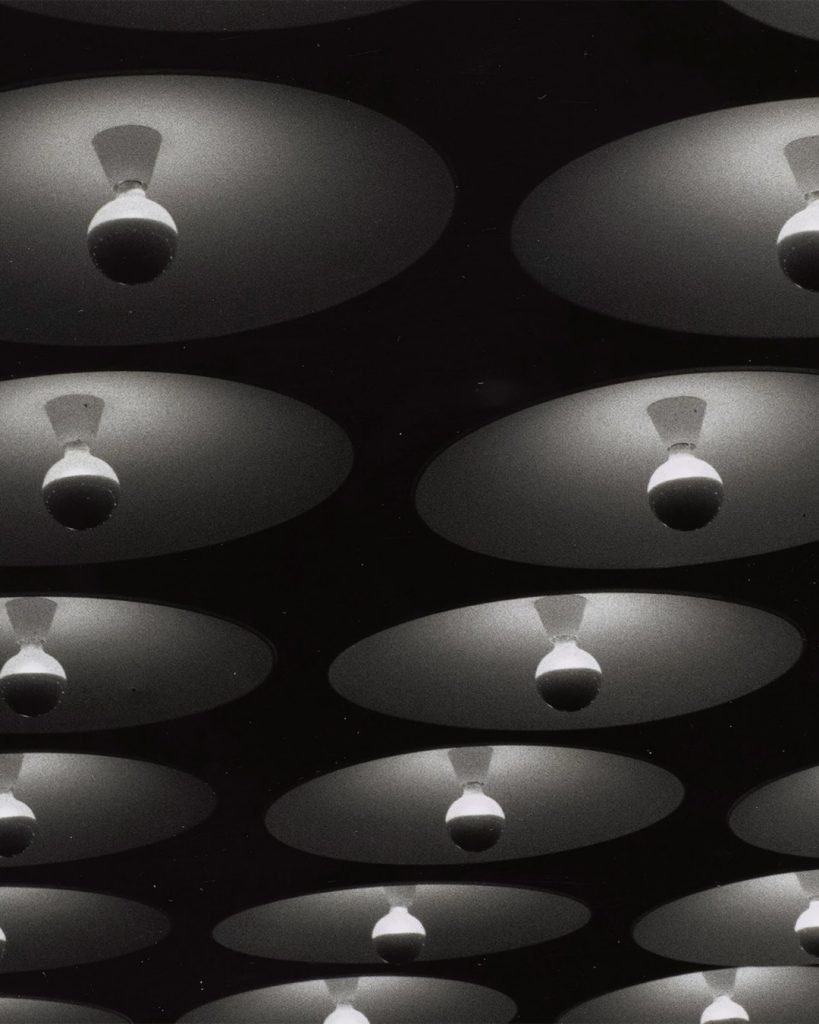
The building's material innovations were equally deliberate. Its celebrated concrete ceiling became a signature element, whilst the lobby featured 375 custom-built circular concrete lights—a detail so integral to the original vision that the Metropolitan Museum of Art undertook their restoration when it later assumed stewardship of the structure. These design choices were not accidental; they represented Breuer's conviction that architecture and art should engage in dialogue rather than competition.
Six Decades of Cultural Programming
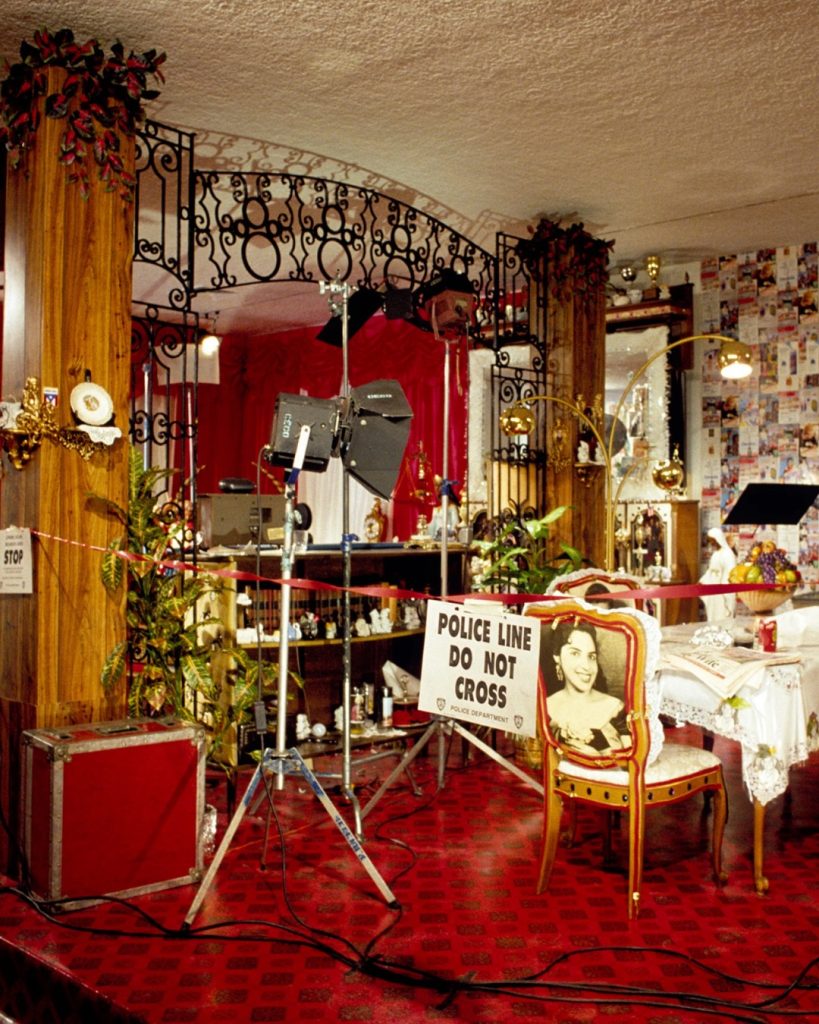
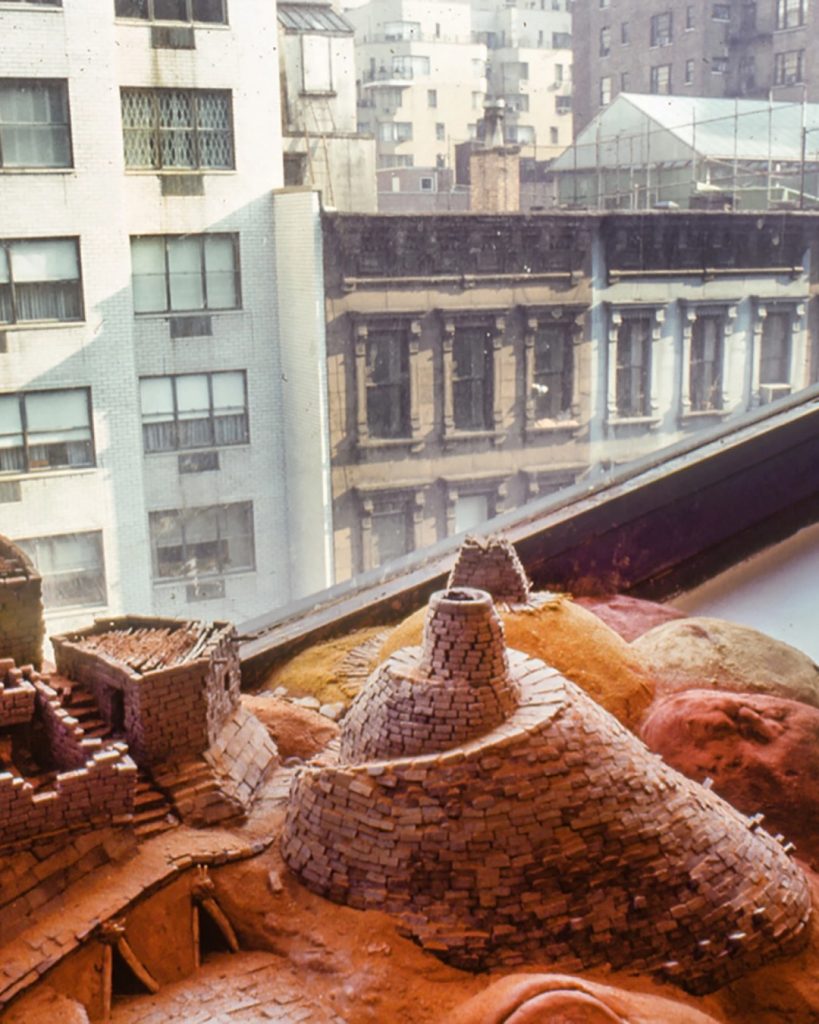
As the Whitney Museum of American Art's home for decades, the Breuer hosted some of the most consequential contemporary art exhibitions in American cultural history. The 1993 Biennial became a landmark moment, with co-curators making deliberate choices to confront pressing social and artistic questions of the era. Artists such as Charles Simonds left indelible marks: his Dwelling installation in the 1975 Biennial proved so resonant that a permanent sculpture was later installed within the building's stairwell in 1981.
When the Metropolitan Museum of Art opened its Met Breuer satellite in 2017, the building assumed yet another identity, exploring themes such as artistic incompleteness. Following pandemic closures, the Frick Collection occupied the space during major renovations to its Fifth Avenue mansion, reopening in 2021. This succession of cultural tenants speaks to the building's fundamental adaptability—a quality rarely associated with such an assertively modernist structure.
A New Chapter
Today, the Breuer serves as Sotheby's New York headquarters, a role that positions the building within the contemporary art market itself rather than merely as a backdrop to it. This transition marks the latest—and perhaps most commercially significant—chapter in the building's history. The partnership ensures continued stewardship of Breuer's modernist vision whilst anchoring one of the world's most significant auction houses within an architectural landmark of undeniable consequence.
The Breuer's six-decade trajectory reflects broader transformations in how museums, institutions and collectors understand the relationship between architecture and art. What initially read as severity now reads as clarity; what seemed isolating has proven enduringly engaging. The building stands not as a relic of mid-century modernism but as an active, evolving platform for cultural exchange—evidence that true architectural ambition transcends any single historical moment or institutional use.
Key Facts
- Opened: 1966, Madison Avenue, New York
- Architect: Marcel Breuer
- Construction began: 1963
- Lobby lighting: 375 custom-built circular concrete lights
- Current use: Sotheby's New York headquarters
The Simply Luxury View
For the discerning collector and cultural traveller, the Breuer represents a pinnacle of architectural conviction rarely witnessed in the twenty-first century. The building's refusal to compromise—its austere materials, its controlled light, its unadorned geometry—constitutes a form of luxury fundamentally at odds with contemporary ornament. This is architecture as distillation rather than accumulation, a principle that has only deepened with age.
The building's institutional trajectory—from Whitney to Met Breuer to Sotheby's—underscores a deeper truth about enduring design: longevity accrues to structures built with absolute clarity of purpose. The Breuer was never designed to appeal universally. Its present-day significance rests precisely on its refusal to dilute its original vision, making it a touchstone for collectors who understand that true luxury often emerges from austere, uncompromising creative conviction.
Official brand website: sothebys.com
Imagery is used for editorial purposes. All rights remain with the respective owners, photographers and licensors.
Imagery courtesy of Sotheby's (@sothebys).