
The G-Class: Mercedes-Benz’s Icon of Purposeful Luxury
AI-assisted voice playback. Starts only when you choose Play.
Few vehicles occupy the space between haute couture and utilitarian mastery as naturally as the Mercedes-Benz G-Class. Since its introduction in the 1970s, this angular, unapologetically robust SUV has transcended its military origins to become one of the world's most coveted luxury vehicles—a status it maintains through sheer force of character and an almost stubborn refusal to compromise on either capability or refinement.
The G-Class represents something increasingly rare in automotive design: a vehicle that has aged not by trend-chasing but by remaining fundamentally true to itself. Its geometric silhouette, dominated by a vertical grille and squared proportions, remains instantly recognisable across five decades and four generations. Yet this consistency masks relentless evolution beneath the surface—a commitment to marrying hand-crafted luxury interiors with genuine off-road engineering.
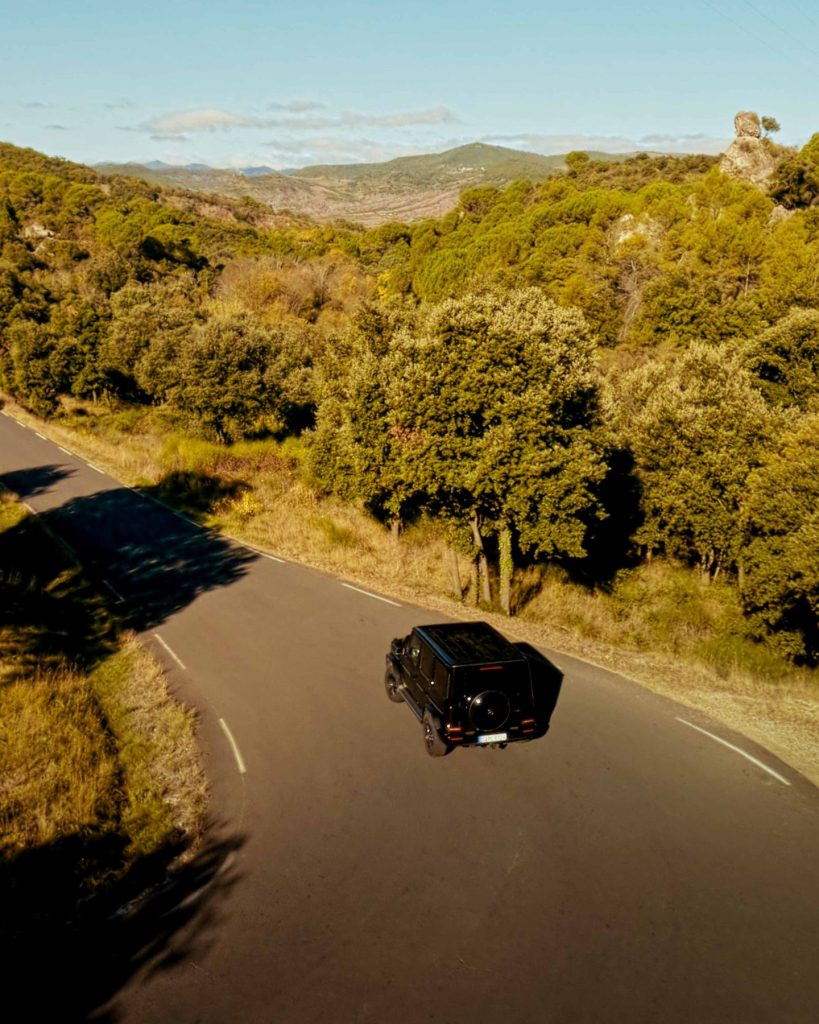
A Legacy of Purposeful Design
The G-Class was born from a 1972 collaboration between Daimler-Benz and Steyr-Daimler-Puch, initially conceived as a working vehicle for harsh terrain. That heritage never left; instead, Mercedes-Benz elevated it. The result is a vehicle that honours its pragmatic roots whilst delivering the sophistication expected of the three-pointed star.
What distinguishes the G-Class from its competitors is its unwillingness to perform adventure theatre. The vehicle's body-on-frame construction, locking differentials, and genuine low-range transfer case are not styling gestures—they are engineered reality. Yet this capability is paired with leather appointments, ambient lighting systems, and infotainment suites that rival any saloon in the Mercedes portfolio.
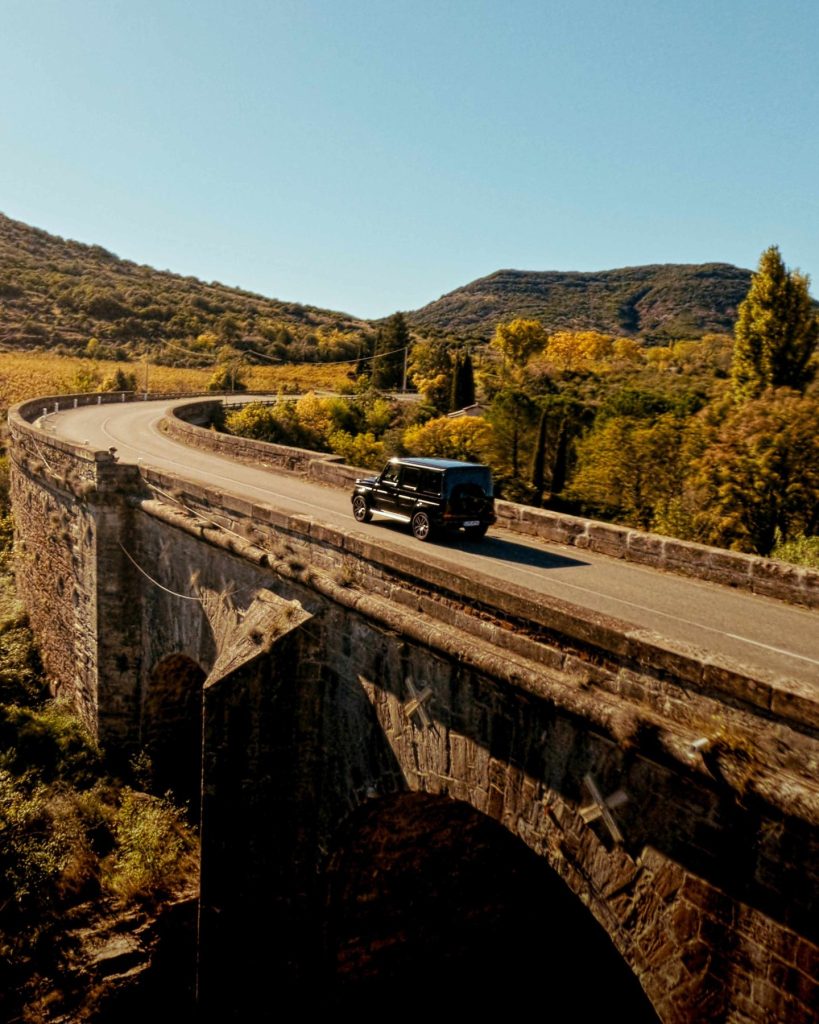
The Adventure Within Reach
Mercedes-Benz's campaign positioning—'If it's a G-Class, it's an adventure'—captures an essential truth about ownership. This is not a vehicle one acquires passively. The G-Class calls to those who see luxury not as a static destination but as a platform for exploration, whether across Saharan dunes, Alpine passes, or urban avenues.
The vehicle's cultural resonance extends beyond specification sheets. It has become shorthand for a particular kind of modern affluence: one that values substance over show, that understands true luxury permits getting genuinely muddy. In an era of increasingly homogenised SUV design, the G-Class remains visually distinctive—a silhouette as recognisable in Mayfair as in Manhattan.

A Milestone Moment
The 2026 campaign arrives as Mercedes-Benz celebrates 140 years of automotive innovation. Within that sweep of history, the G-Class occupies an unusual position: neither the oldest nor the newest of the marque's creations, yet arguably the most visible symbol of its engineering philosophy. The vehicle embodies Daimler-Benz's founding principle—technological progress in the service of human experience.
For collectors, investors, and enthusiasts, the G-Class represents a form of automotive permanence. Its depreciation curve has remained remarkably shallow, and certain variants—particularly limited editions and models in heritage colours—have appreciated substantially. This durability of value reflects both the vehicle's emotional staying power and the engineering rigour that keeps decade-old examples performing with contemporary standards of reliability.
The G-Class endures not because it is perfect, but because it is honest. It makes no pretence of being something other than what it is: a luxury vehicle built to traverse genuinely challenging terrain, piloted by owners who appreciate the distinction between aspirational marketing and authentic capability. In a luxury market increasingly defined by ephemeral trends, that authenticity remains profoundly valuable.
Imagery is used for editorial purposes. All rights remain with the respective owners, photographers and licensors.
Imagery courtesy of Mercedes-Benz (@mercedesbenz).