
The Seven-Stage Mastery Behind a Bespoke Purdey Gun
AI-assisted voice playback. Starts only when you choose Play.
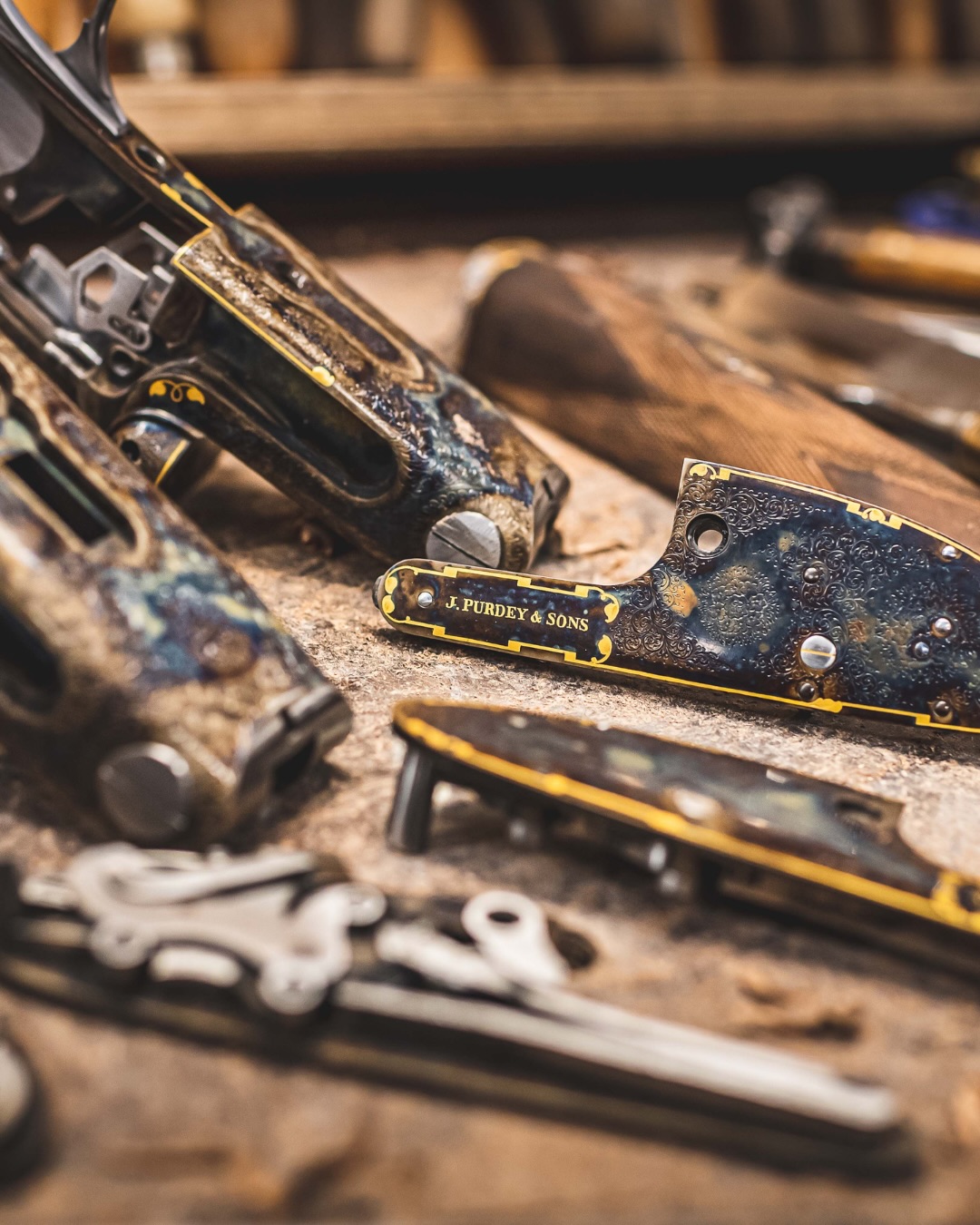
When James Purdey established his gunmaking business in 1814, the craft of creating a firearm was already ancient. Yet more than two centuries later, the London-based maker remains virtually unchanged in its fundamental philosophy: patience, precision, and an unwavering commitment to excellence.
While the world around Purdey has transformed, the essence of the brand's approach endures. Each bespoke gun that leaves the company's workshop represents the culmination of seven distinct stages, executed by specialists who have been selected and tested to meet the house's exacting standards.
From Barrel to Action
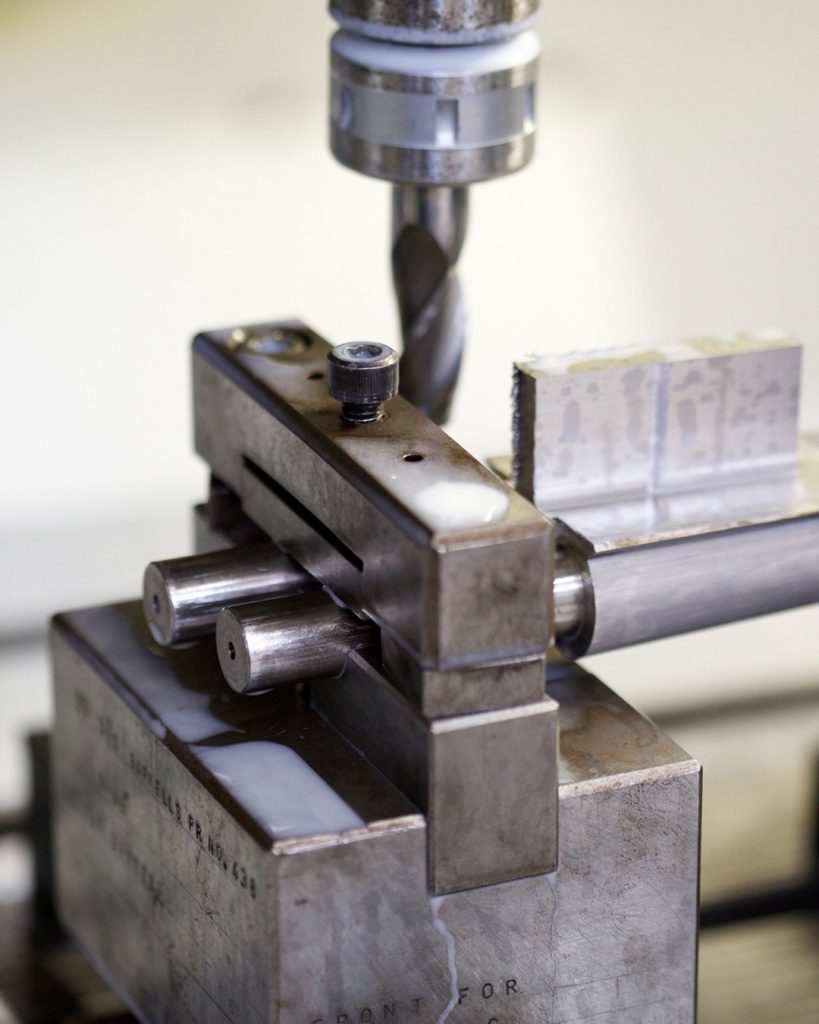
The journey begins with barrel making, where craftspeople machine tubes at the Purdey factory to establish the foundation of quality that defines every gun bearing the name. This is not outsourced; control over the manufacturing process is absolute from the outset.
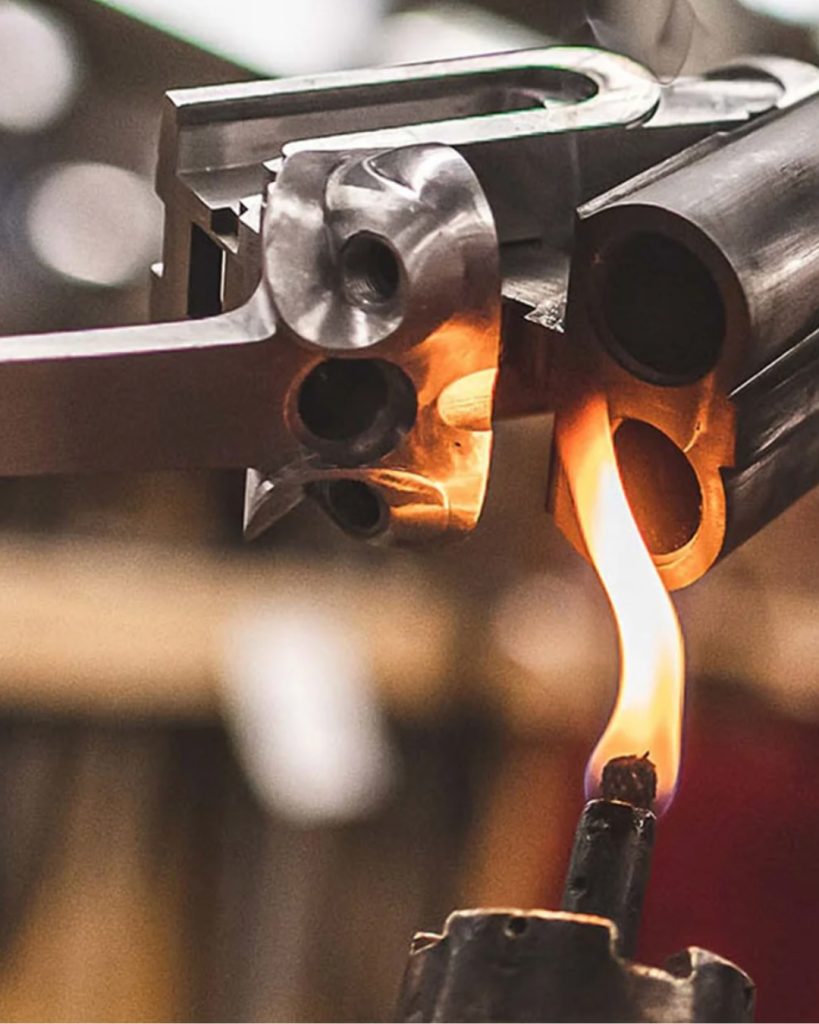
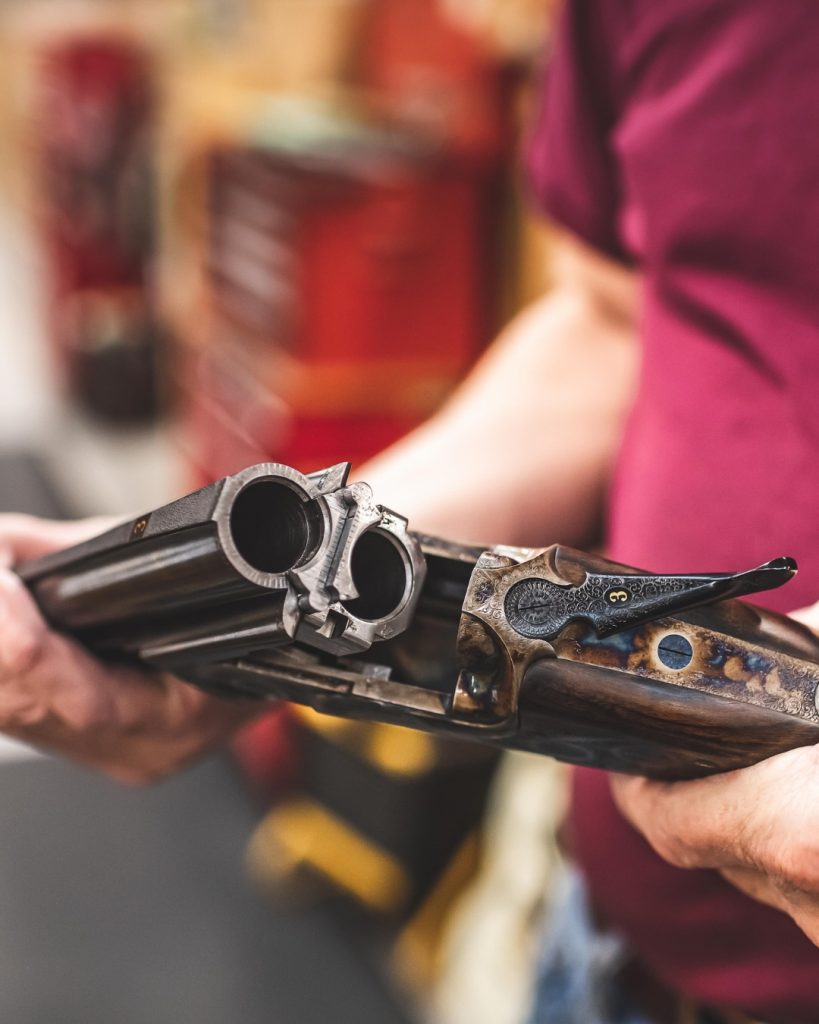
Once the barrels are complete, they pass to the actioner—a role that represents one of the most labour-intensive phases of production. Here, the barrels are fitted with exacting precision to the gun's action, a process that demands both technical expertise and an almost meditative attention to detail.
The Heart of the Mechanism
The ejector work that follows is considered the heart of any Purdey gun. This stage accounts for a significant proportion of the 170-plus individual components that comprise each finished firearm. Hand-fitted and tested using snap caps, the ejector assembly marks the first moment the gun will function as intended.
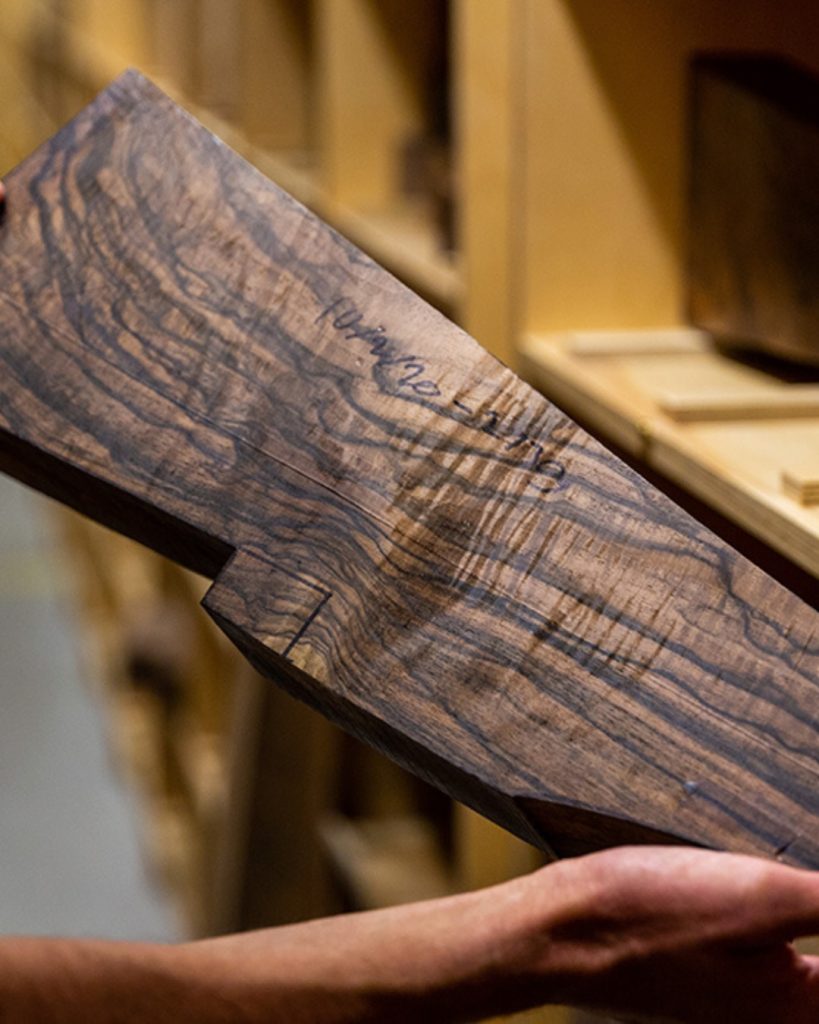
Stocking represents the fourth critical phase, and here the bespoke nature of a Purdey becomes most personal. Walnut selected by the client is carved and honed by hand to precise measurements taken at the point of order, ensuring an instrument tailored to its future owner. Hand-applied chequering is completed in-house, reinforcing the maker's control over every tactile element.
Artistry and Authentication
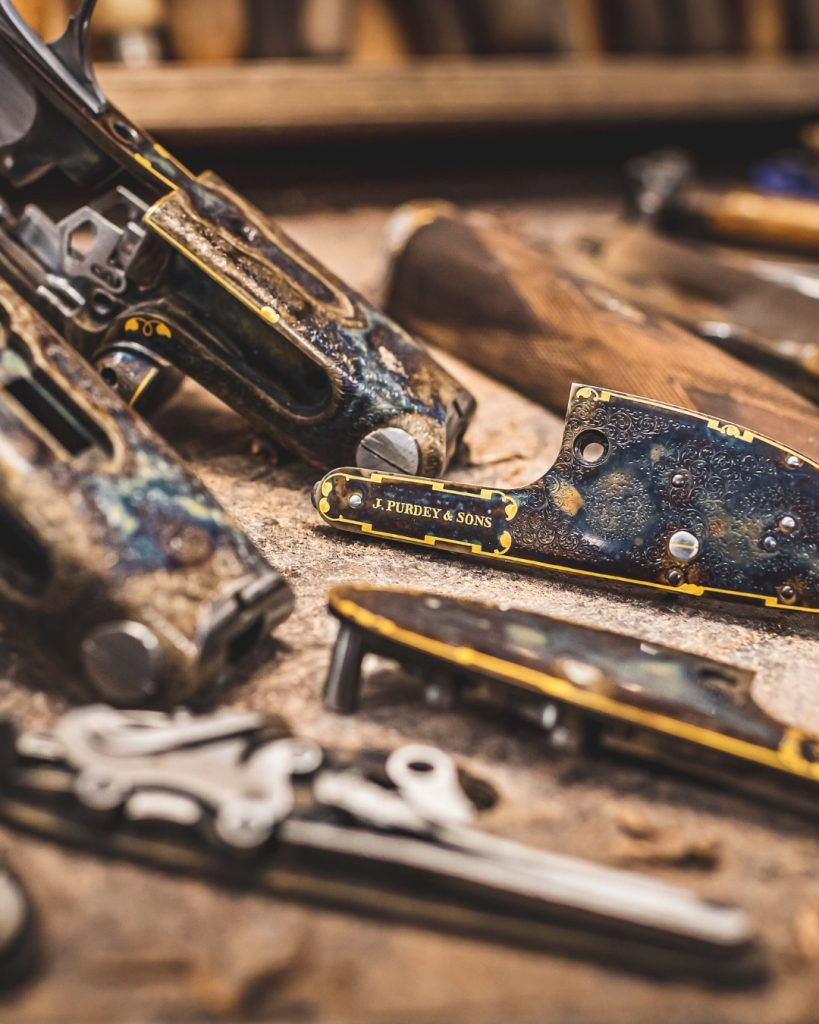
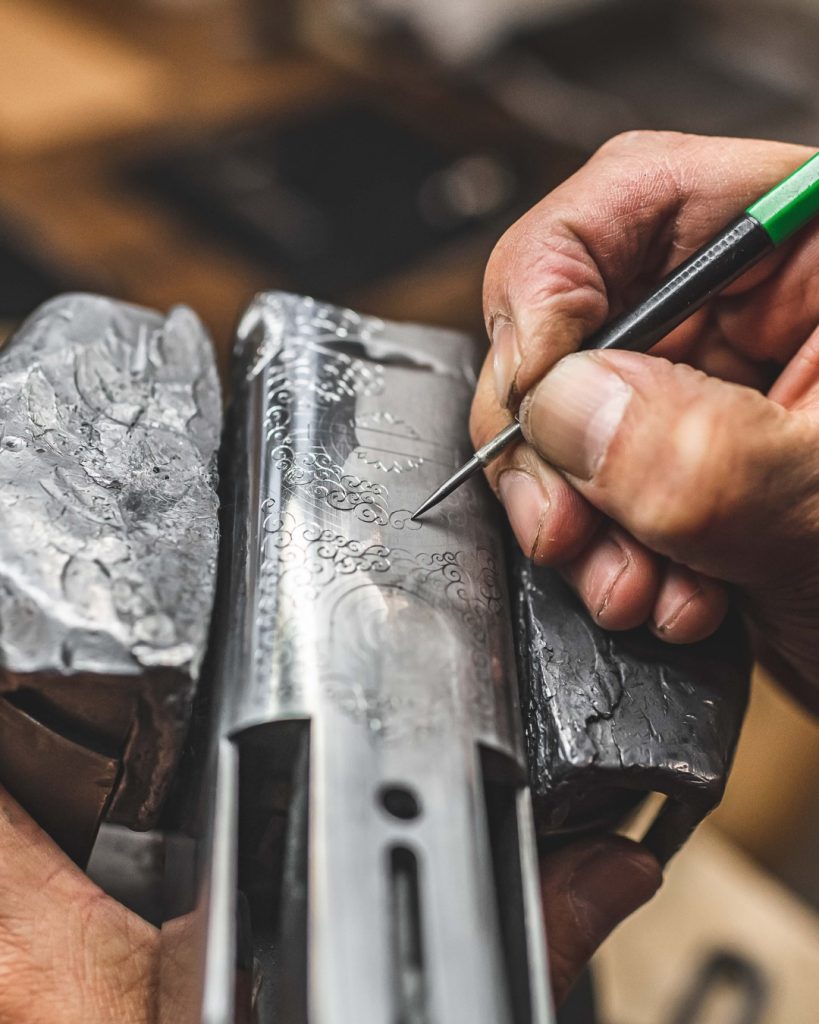
From the trigger plate onward, engraving becomes a matter of client choice. The house retains a roster of hand-selected engravers, each of whom must pass rigorous testing before being permitted to work on a Purdey commission. This gatekeeping reflects an unshakeable belief that only the finest craftspeople are worthy of contributing to the final work.
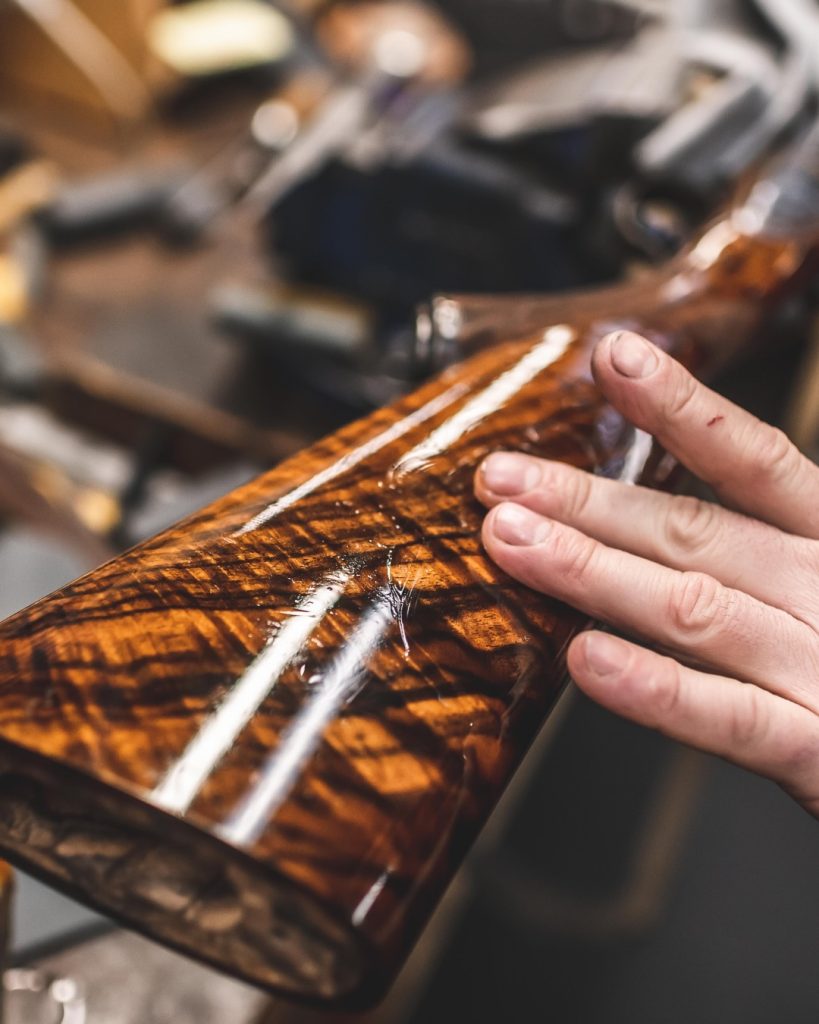
The final two stages—proof and finishing—anchor the gun's technical integrity and aesthetic completion. All Purdey firearms have been submitted to the London Proof House since the company's founding, a regulatory requirement that has coincided seamlessly with the maker's own standards. The finishing process itself unfolds over eight weeks, during which the walnut stock receives daily oiling and meticulous hand polishing, a process that brings depth and warmth to the wood's natural character.
The seven stages are not marketing narrative or romantic revisionism. They represent the actual sequential reality of how Purdey guns have been made for generations—a commitment that demands both financial investment from the client and an extraordinary investment of time and human skill from the maker. In an era of industrialised production, this methodical approach stands as a quiet assertion that certain objects deserve to be made slowly, deliberately, and only by the very best.
Key Facts
- Founded: 1814
- Components per gun: 170+
- Finishing period: Up to eight weeks
- Proof authority: London Proof House
- Production type: Hand-crafted, bespoke
- Location: London
The Simply Luxury View
The publication of Purdey's production stages offers a rare window into a luxury-goods sector—bespoke firearms manufacture—that typically operates outside the mainstream luxury conversation. For the collector or commissioned owner, understanding this progression is essential: it explains why a Purdey gun commands its investment, and why the waiting period is not merely a commercial delay but an intrinsic part of the object's integrity.
What distinguishes Purdey's methodology is the absence of compromise or shortcut at any point. The presence of retained, vetted engravers; the daily oiling of the stock over eight weeks; the in-house barrel machining; the hand-fitted ejectors—these are not heritage decoration but structural choices that affect the gun's performance and lifespan. This is manufacturing as a discipline, not a convenience.
Official brand website: jamespurdey.com
Imagery is used for editorial purposes. All rights remain with the respective owners, photographers and licensors.
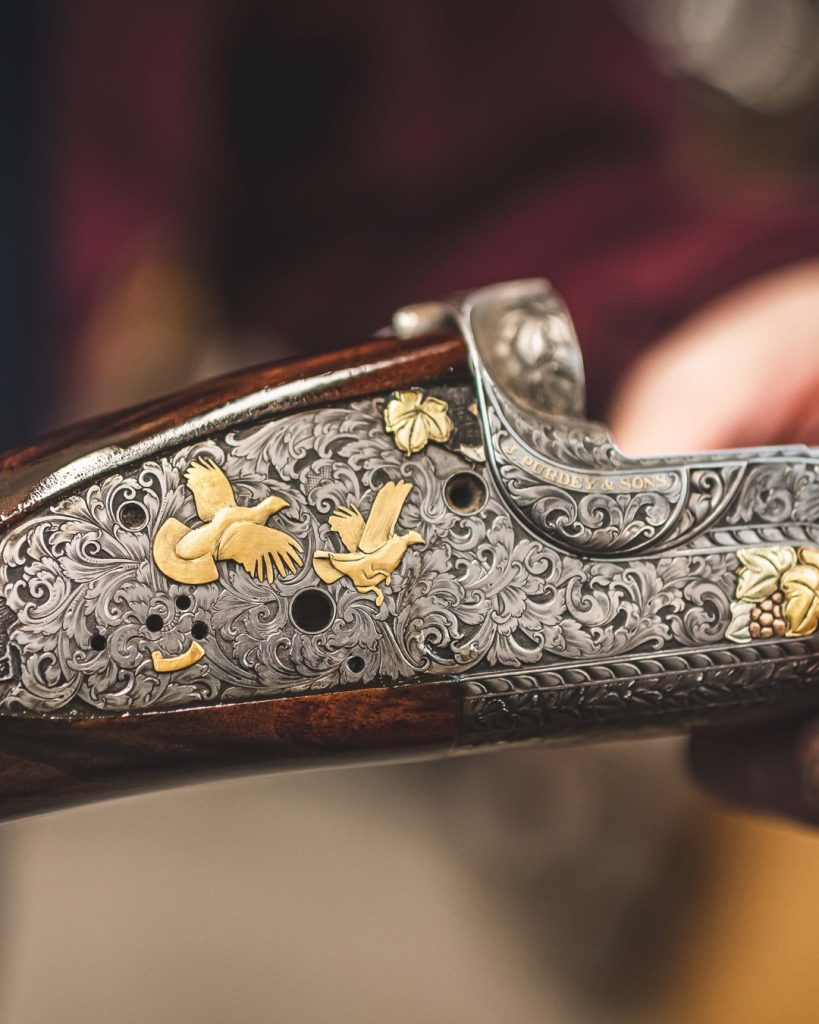
Imagery courtesy of James Purdey & Sons (@jamespurdeyandsons).