
ThinBorne: The Art of Protective Minimalism for Apple’s Foldable Innovation
AI-assisted voice playback. Starts only when you choose Play.
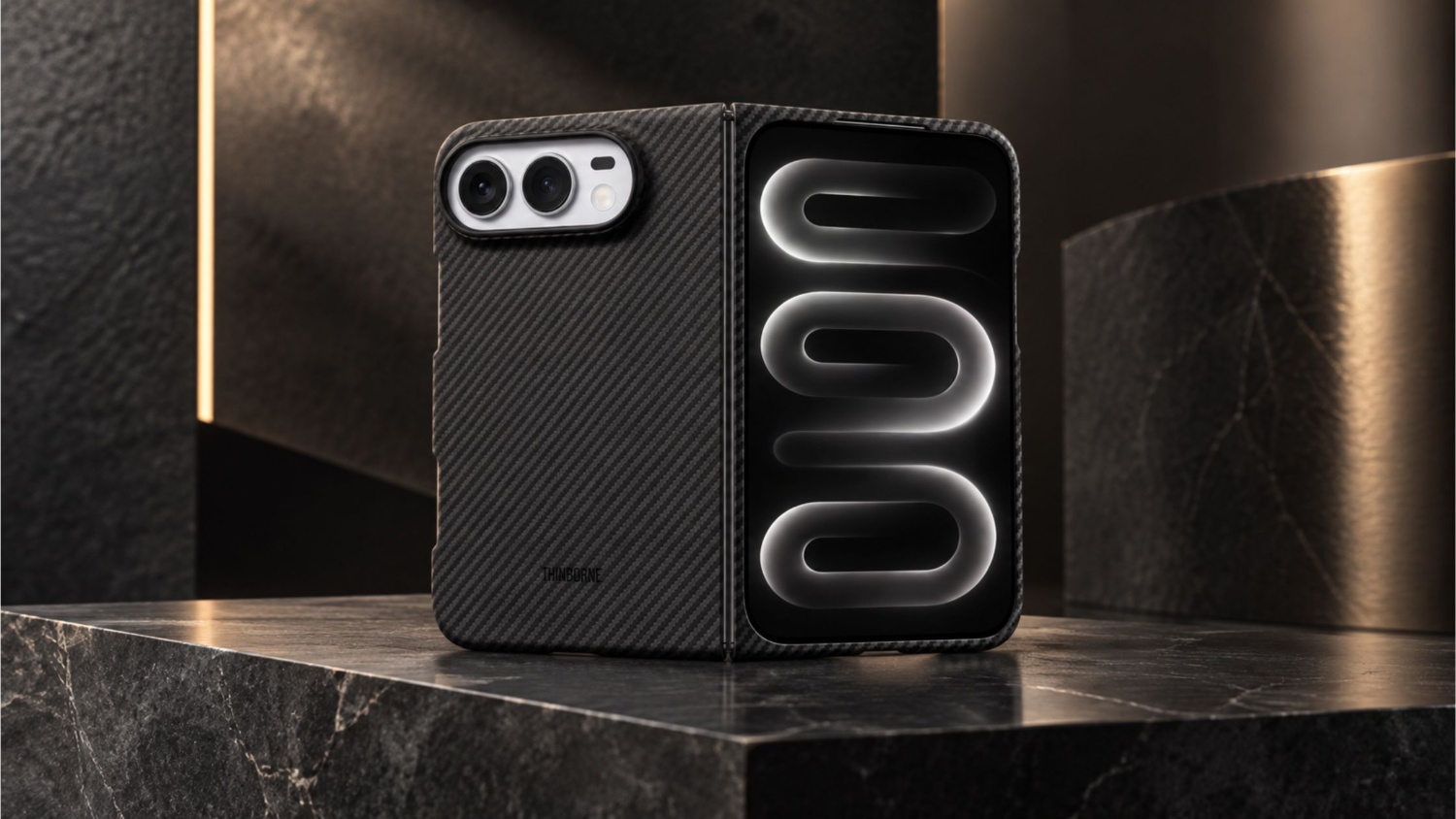
The smartphone has become contemporary luxury's most intimate accessory. Unlike a timepiece or a piece of jewellery, it travels closer still—perpetually within reach, frequently in hand. When Apple releases a device that folds, its form becomes paramount. The engineering required to collapse and expand a screen without compromise represents the pinnacle of mobile design philosophy. To wrap such an object in polymer or bulky silicone feels almost transgressive.
ThinBorne recognises this tension between protection and preservation. Its approach to casing Apple's forthcoming iPhone Duo foldable exemplifies a particular school of luxury thought: that true elegance often means knowing what to subtract rather than what to add.
The Challenge of Protective Restraint
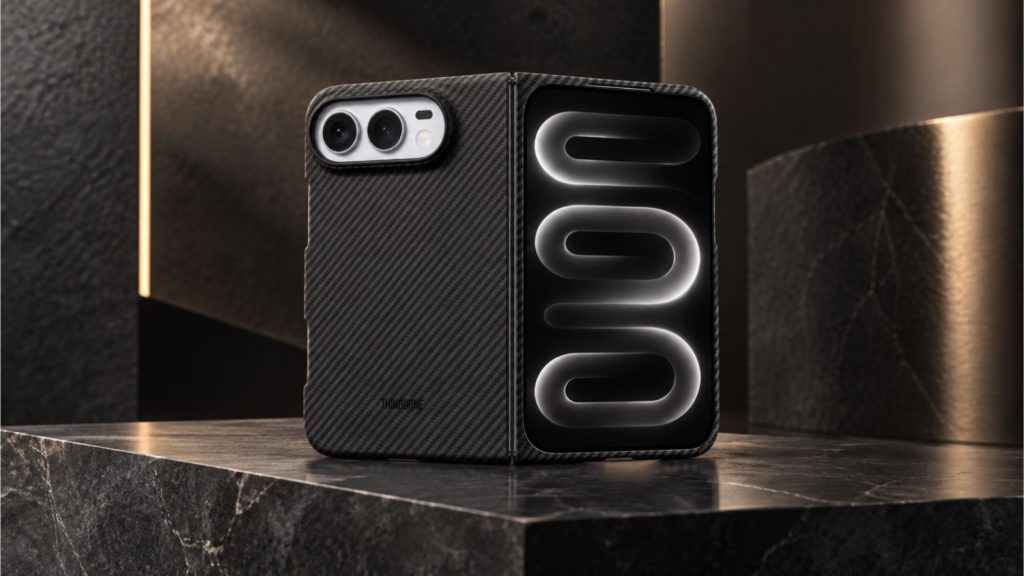
Foldable devices present a unique paradox for accessory designers. The appeal of such technology lies substantially in its novelty—in holding and operating an object that transforms between states. A protective case, therefore, must vanish into the experience rather than dominate it.
Traditional case materials—robust plastics, shock-absorbing rubbers, layered constructions—all necessitate thickness. They announce themselves through weight distribution, tactile resistance, and visual bulk. For consumers who invest in a premium foldable precisely to experience its refined engineering, such accompaniments feel like concessions rather than enhancements.
The iPhone Duo, positioned within Apple's luxury tier, demands protection that matches its aspirational context. Owners of such devices typically represent an affluent demographic: individuals who value craftsmanship, who understand material quality, and who resist unnecessary compromise. They seek solutions that protect without diminishing.
Aramid Fibre: Material Innovation in Service of Subtlety
ThinBorne's choice of 600D aramid fibre positions the case within a sophisticated material hierarchy. Aramid, a high-performance synthetic polymer, has long been favoured in aerospace engineering, protective textiles, and high-end sporting equipment. Its strength-to-weight ratio is exceptional—it resists puncture and impact whilst remaining substantially lighter than conventional alternatives.
At 0.90 millimetres in thickness and approximately 21.5 grammes in weight, the ThinBorne case approaches the threshold where protection and invisibility converge. It adds negligible mass to the device, ensuring that the foldable's carefully calibrated weight distribution remains essentially undisturbed. When folded, the case preserves the satisfying compression of the hinge mechanism. When open, it remains peripherally present—protective without theatrical.
The material selection reflects a broader evolution in luxury product design: the move away from ostentatious protection toward intelligent, evidence-based durability. A case need not shout its protective credentials through bulk and visible reinforcement. Instead, it can demonstrate them through material science and engineering precision.
The Integration of Essential Technology
A luxury accessory must account for the ecosystem within which the primary device operates. Apple's MagSafe standard and the emerging Qi2 wireless charging protocol represent functional expectations for premium iPhone users. Rather than compromise these features through a thick case that requires adapters or workarounds, ThinBorne integrates magnetised elements directly into its aramid fibre construction.
The placement and strength of these built-in magnets were clearly calibrated to provide reliable attachment and charging compatibility without visually disrupting the case's minimal profile. This represents the kind of thoughtful engineering that defines the luxury accessory category—solving problems that most users face, but doing so with such subtlety that the solutions feel inevitable rather than clever.
Aesthetic Coherence and Colour Palette
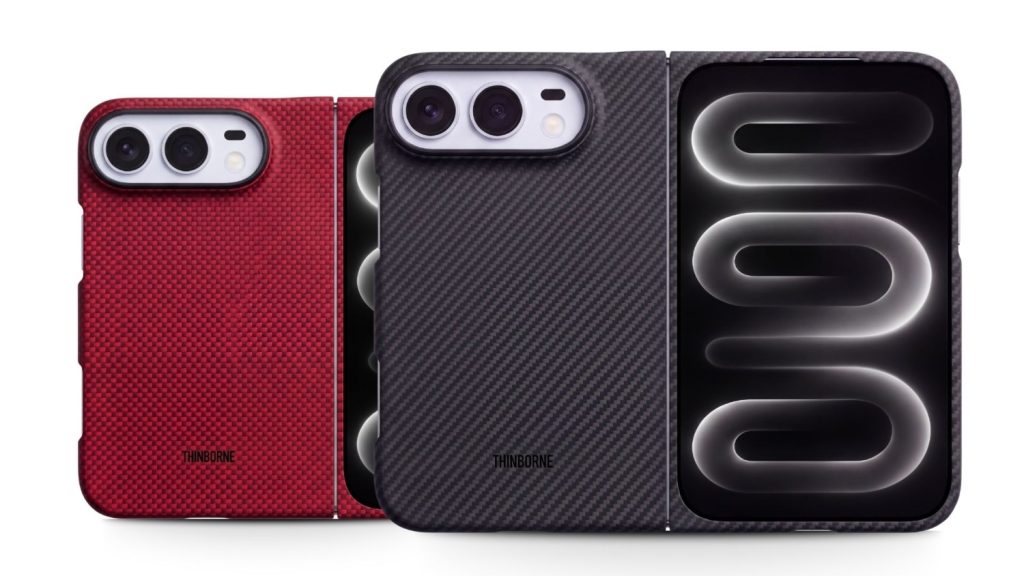
ThinBorne's available finishes—offered in options including crimson red and classic black—acknowledge that a protective case can be a design choice rather than a defensive necessity. The colour palette suggests restraint; neither shade is particularly bold or statement-making, yet both allow the underlying device to remain the focal point.
The tactile quality of aramid fibre differs meaningfully from silicone or plastic. It offers a subtle texture that suggests technical sophistication without aggressive surface treatment. For users who interact frequently with their devices, this material choice translates to a more refined tactile experience with each interaction.
The Market for Restrained Protection
ThinBorne's positioning presupposes a particular consumer profile: individuals sufficiently affluent to purchase a premium foldable device, yet pragmatic enough to understand that accidents happen. This is not the market for rugged, drop-tested military-grade protection. It is, rather, the market for considered guardianship—the user who intends to handle their device carefully and simply wishes to mitigate the consequences of occasional mishaps.
This positioning reflects a larger truth within luxury markets: that the most discerning consumers often prefer solutions that respect their intelligence and intention rather than assuming worst-case scenarios. A case designed for someone who values their device enough to be cautious feels fundamentally different from a case designed for someone who expects to subject it to extreme conditions.
For the iPhone Duo owner navigating between professional environments, creative settings, and carefully curated personal spaces, such a case becomes not a compromise but an affirmation—an acknowledgement that protecting one's investment and preserving one's aesthetic vision need not be opposing forces.
The ThinBorne case for the iPhone Duo embodies a particular understanding of modern luxury: that protection and elegance, rather than existing in tension, can become expressions of the same principle. Quality materials, restrained design, and intelligent engineering converge to create an accessory that disappears into the experience of using a remarkable device. For those who regard a foldable smartphone not as a gadget but as a design object worthy of respect, such thoughtfulness in protection represents something increasingly rare—accessory design that assumes the user's discernment rather than challenging it.
Imagery is used for editorial purposes. All rights remain with the respective owners, photographers and licensors.