The Majesty 145: Redefining Superyacht Living as True Residential Space
AI-assisted voice playback. Starts only when you choose Play.
The superyacht industry trades in superlatives: floating palaces, nautical estates, vessels of uncompromising grandeur. Yet there exists a persistent disconnect between romantic marketing and the mundane realities of how accomplished owners genuinely inhabit their residences, whether on land or water.
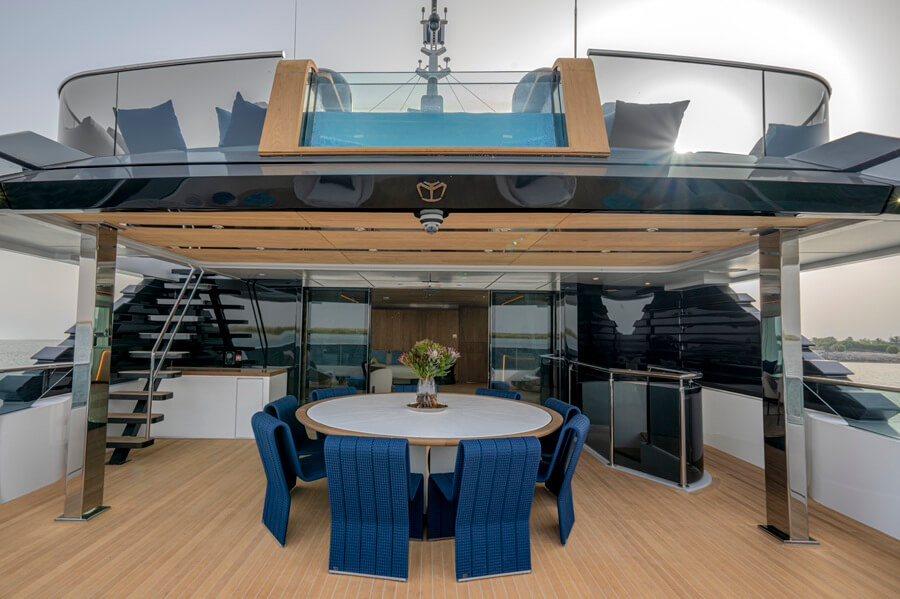
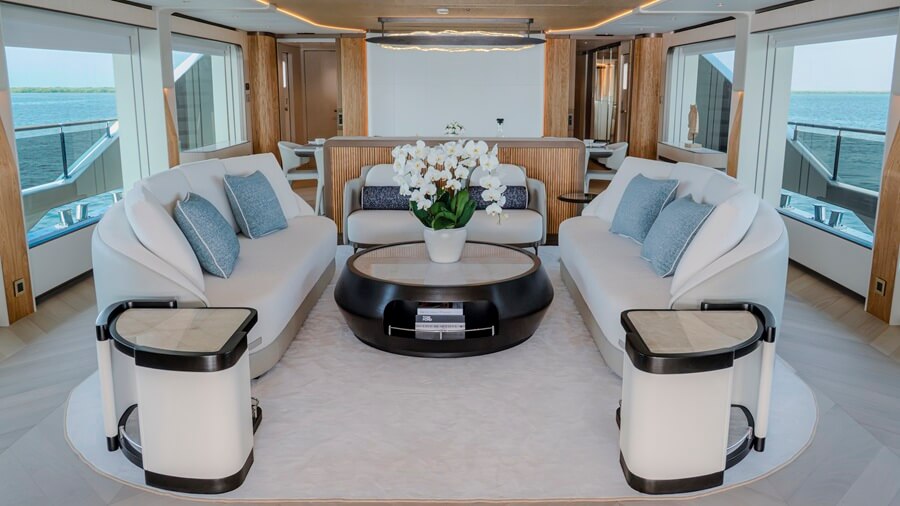
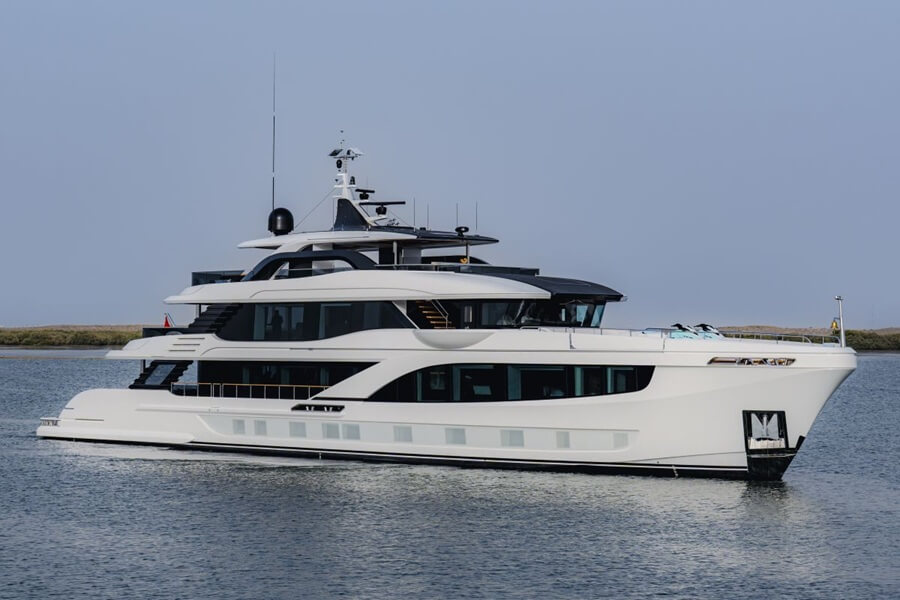
The Majesty 145 represents a deliberate pivot away from that aesthetic theatre. Rather than choreographing theatrical progression through cavernous salons and ceremonial galleries—the architectural equivalent of displaying wealth—Cristiano Gatto Design has approached this 145-metre superyacht as one would a contemporary villa on the Côte d'Azur or Lake Como: as a functional, intelligently proportioned home where daily life unfolds naturally across intimate, purposeful spaces.
A New Spatial Logic
The conceptual departure begins with floor plan logic. Traditional superyachts often sequester working areas—galleys, crew quarters, technical spaces—below decks, relegating them to basement-like obscurity whilst reserving prime waterfront vistas for formal reception rooms. This arrangement privileges spectacle over livability.
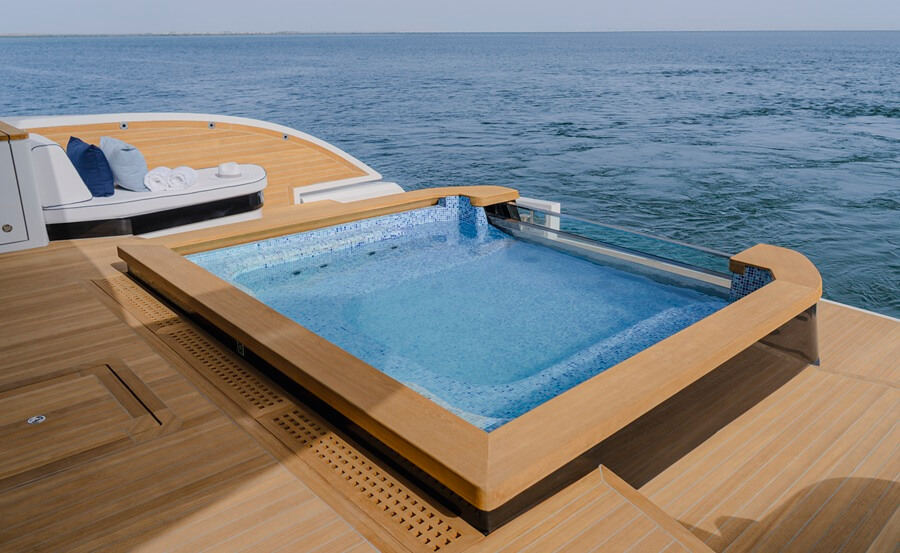
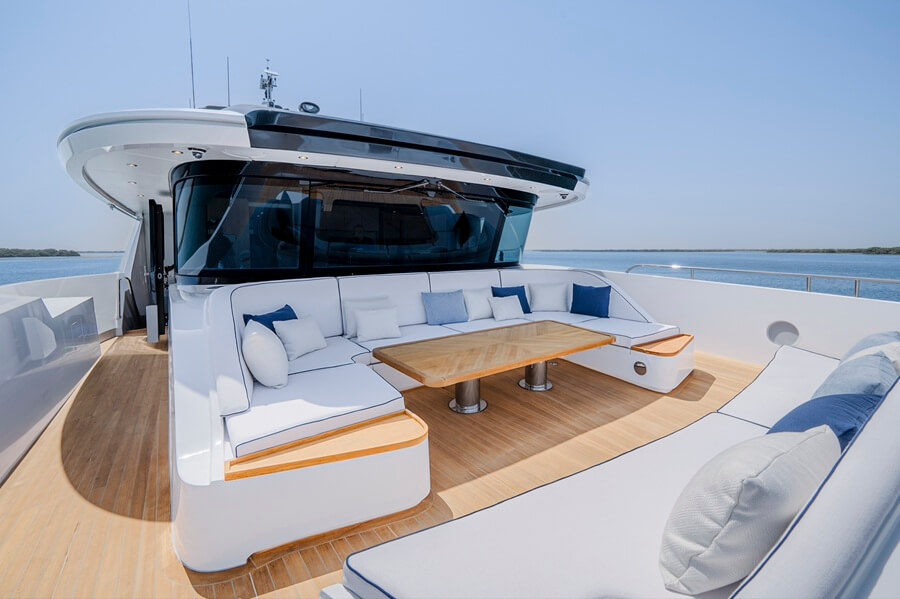
The Majesty 145 inverts that hierarchy. The general arrangement, developed by the Venetian studio, positions the kitchen and culinary spaces with dignity and integration into the main living flow, rather than as hidden utilities. Swimming pools and spa facilities are contextually situated, and guest accommodation is distributed across decks in clusters that feel neighbourly rather than hierarchical. Social spaces expand generously but deliberately, avoiding the cavernous voids that require furniture arrangements that mimic convention centres.
This recalibration reflects a quiet but significant shift in luxury yacht ownership. Today's discerning clients—whether industrialists, technology entrepreneurs, or members of established collecting families—increasingly question why their aquatic residence should follow different spatial principles than their terrestrial estates. They expect functionality first, monumentality second.
Exterior Language and Interior Coherence
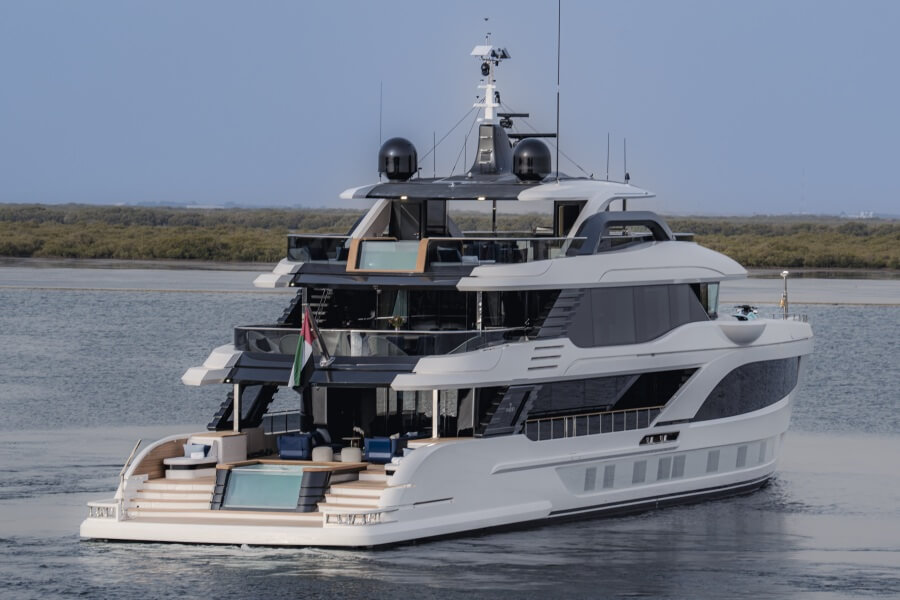
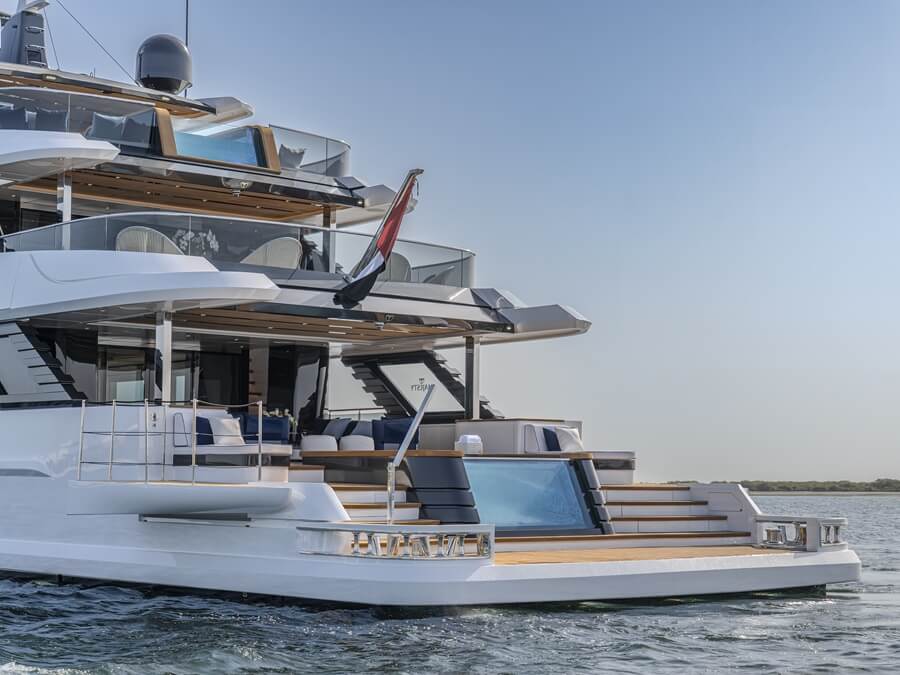
The Majesty 145's exterior profile, by Gatto's team, employs the clean, proportionate lines favoured by contemporary yacht architecture: modernist rather than ornamental, suggesting restraint rather than proclamation. The hull form appears almost understated against the Mediterranean backdrop, a deliberate choice that allows the vessel to sit elegantly within prestigious anchorages rather than dominating them.
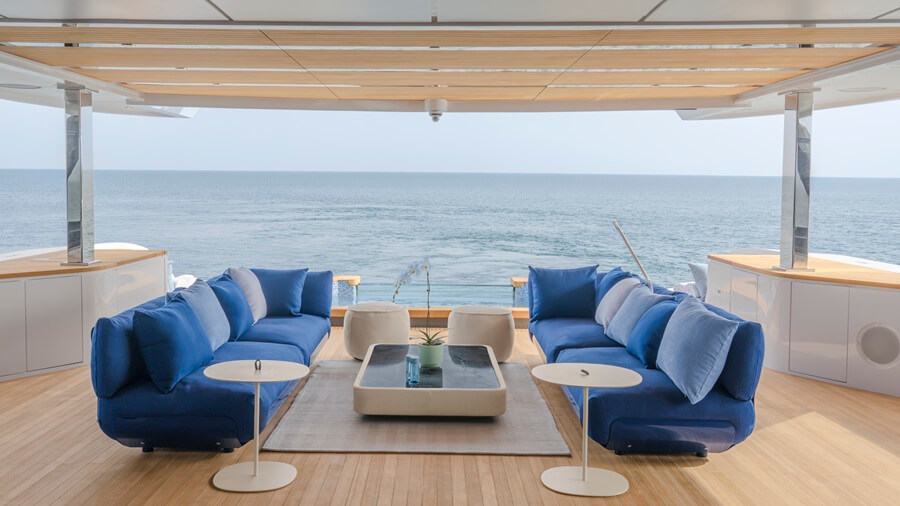
What distinguishes this design is the seamless dialogue between exterior expression and interior inhabitation. Rather than treating the interior as independent—a luxury hotel bolted into a maritime shell—the Majesty 145 maintains tonal and spatial continuity. Materials, light, and spatial rhythm flow across the threshold between deck and cabin, between external vistas and interior refuge.
This coherence speaks to a maturation in superyacht thinking. The 1980s and 1990s aesthetic that celebrated maximum visible luxury—mirrored surfaces, gold-leaf accents, theatrical lighting—has given way to a philosophy embracing restraint, materiality, and authentic craftsmanship. A discerning owner prefers an understated teak sole and justified marble to ornamental excess.
The Villa Comparison: Why It Matters
Positioning the Majesty 145 as villa-inspired rather than palace-inspired carries particular significance for a global clientele accustomed to architectural excellence. A villa suggests propriety, proportion, and human scale. A palace invokes formality, performance, and distance.
Owners of serious residences—the châteaux near Lyon, the modernist compounds in Los Angeles, the lakeside retreats in Switzerland—have learned through experience what constitutes a liveable home. They understand that the finest spaces often feel neither cavernous nor cluttered, that the most successful entertaining flows naturally from intimate dining to expansive terracing, and that the kitchen's proximity to the dining room fundamentally affects how meals are experienced.
The Majesty 145 transposes these principles to the maritime realm, acknowledging that a superyacht owner's expectations for spatial organisation, material integrity, and functional logic need not contradict the thrill of unlimited ocean horizons and the autonomy of independent travel.
Designed for Contemporary Stewardship
Cristiano Gatto's practice, based in Venice—a city whose entire existence depends upon sophisticated relationships between water, movement, and human occupation—brings institutional knowledge to yacht design that few studios possess. Venetian architecture, refined over centuries, achieves remarkable livability within spatial constraints, prioritising quality of light, material expression, and human proportion.
The Majesty 145 benefits from this sensibility. Crew circulation is considered as thoughtfully as guest movement. Service spaces integrate practically without visual intrusion. The bridge and technical areas are designed for actual operation, not ceremonial touring. These refinements matter tremendously to owners who spend extended periods aboard and expect their vessel to function as seamlessly as a well-managed estate.
For the international collector evaluating superyachts against alternative uses of capital—whether investment in property, aviation assets, or contemporary art—the Majesty 145 presents a proposition grounded in use rather than status. It functions genuinely as a residence, a platform for travel, and a venue for meaningful hospitality, rather than as a floating symbol requiring justification.
The Majesty 145 arrives at a moment when luxury, across all categories, increasingly rewards authenticity over ostentation. The most coveted contemporary residences, whether terrestrial or maritime, are those designed for actual living rather than perpetual display.
By approaching superyacht design through the lens of villa living—with its emphasis on spatial logic, material honesty, and functional integration—Cristiano Gatto Design has produced a vessel that appeals to clients sophisticated enough to understand that true luxury rarely announces itself. Instead, it simply works, beautifully.
Key Facts
- Vessel Name: Majesty 145
- Length: 145 metres
- Designer: Cristiano Gatto Design
- Designer Location: Venice, Italy
- Collection: Majesty Superyacht Collection
The Simply Luxury View
The Majesty 145 signals a meaningful maturation in superyacht design philosophy: the movement away from theatrical maximalism towards genuinely inhabitable floating residences. For collectors accustomed to world-class terrestrial architecture, this recalibration—prioritising spatial logic and functional integration over ceremonial grandeur—represents a significant shift in how luxury maritime vessels are conceived and valued.
Within Majesty's superyacht collection, this design represents an evolution in understanding what discerning contemporary owners actually want: vessels that function as homes rather than floating hotels, with spatial arrangements and material honesty that reflect how they genuinely live. The success of such thinking will likely influence industry standards for decades to come.
Imagery is used for editorial purposes. All rights remain with the respective owners, photographers and licensors.