
AUDEMARS PIGUET BRINGS 151 YEARS OF WATCHMAKING TO SINGAPORE
Among the most remarkable objects is the 1921 Grosse Pièce. Commissioned before the First World War and completed seven years later, the 78 mm pocket watch combines 19 complications. Its astronomical indications include a rendering of the London night sky with hundreds of stars,
AI-assisted voice playback. Starts only when you choose Play.
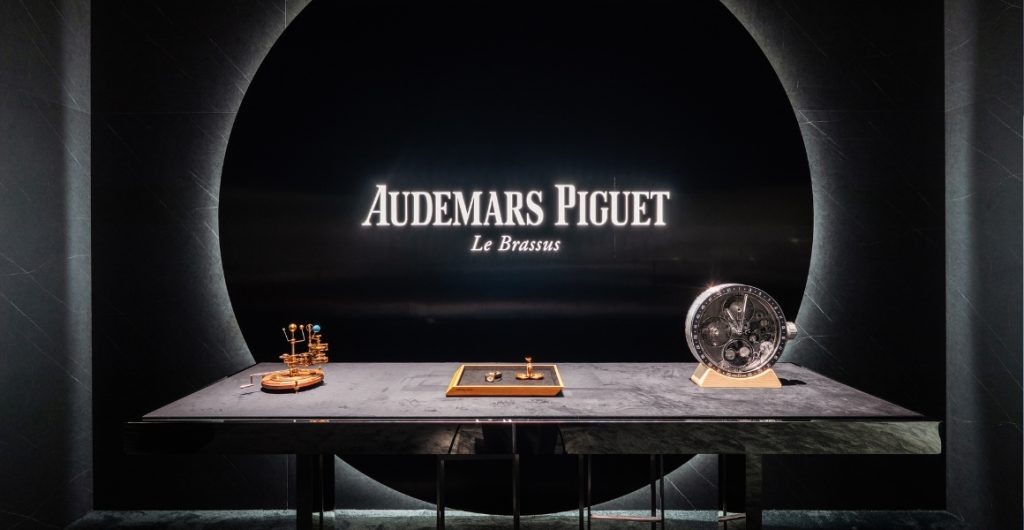
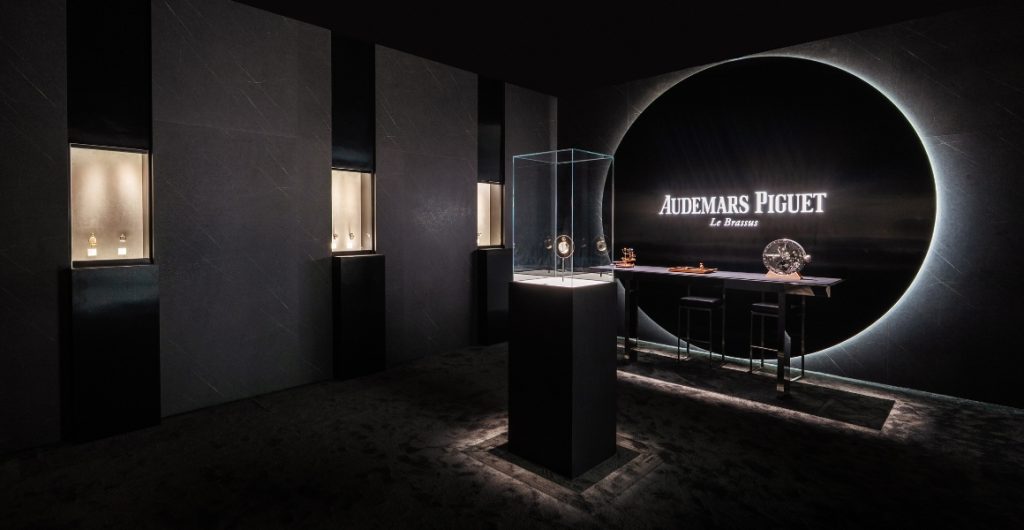
A watch exhibition can easily become a parade of expensive objects behind glass. Audemars Piguet has chosen a more ambitious route in Singapore. Perspectives on Time, staged at The Gallery Theatre at the National Museum of Singapore from 10 to 13 September 2026, uses more than a century and a half of watchmaking to explain not merely what the manufacture has made, but how its most demanding ideas work.
The exhibition is especially timely because high horology is becoming more public-facing. Collectors may arrive knowing the vocabulary of perpetual calendars, skeletonisation and grande sonnerie; newcomers may not. By placing archival pieces beside contemporary work and adding live demonstrations, Audemars Piguet turns those terms into something that can be seen, heard and understood.
## A MUSEUM FROM LE BRASSUS, TEMPORARILY IN SINGAPORE
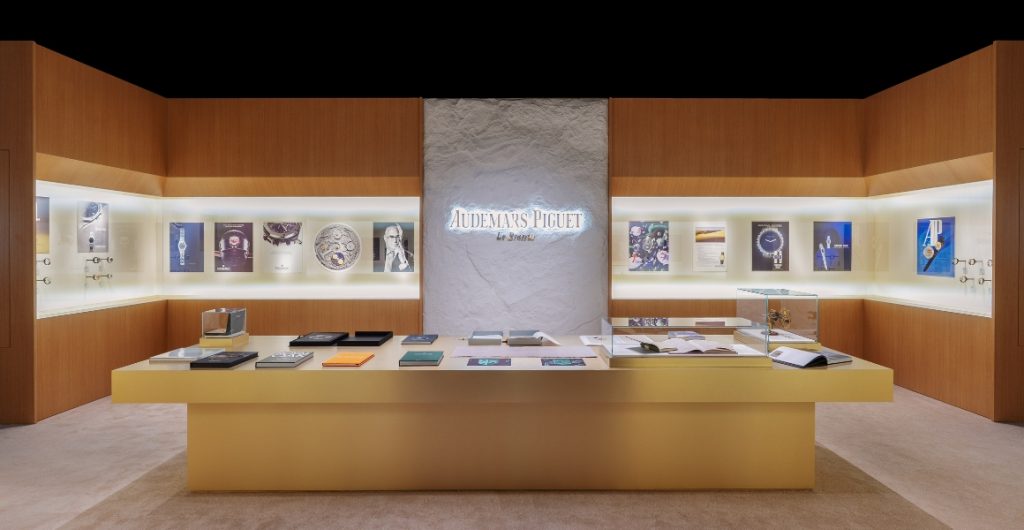
The show is organised in four chapters that move from history into increasingly specialised forms of watchmaking. Rare pieces from the Audemars Piguet Museum in Le Brassus appear alongside modern creations, with several historical watches shown outside Switzerland or in Singapore for the first time. The result is less a retrospective than a compressed map of the manufacture’s technical obsessions.
Among the most remarkable objects is the 1921 Grosse Pièce. Commissioned before the First World War and completed seven years later, the 78 mm pocket watch combines 19 complications. Its astronomical indications include a rendering of the London night sky with hundreds of stars, while its mechanical programme extends to a perpetual calendar, equation of time, chronograph, tourbillon and multiple chiming functions. Audemars Piguet reacquired the watch at Sotheby’s New York in December 2025 for US$7.736 million, returning a major piece of its own history to the manufacture.
WHEN THE MOVEMENT BECOMES THE DECORATION
A separate chapter turns attention inward through openworking. A 1976 openworked self-winding wristwatch shows why skeletonisation at this level is not simply a matter of removing metal. Structural integrity, visual balance, hand engraving and finishing all have to coexist within a movement thin enough to remain elegant on the wrist. That tension between engineering and ornament is one of the clearest demonstrations of why haute horlogerie is a craft rather than a specification sheet.
The final chapter gives time a voice. Chiming watches are among the most difficult mechanical complications because they must translate time into sound with consistency, clarity and musical character. The display ranges from a circa-1895 Grande Sonnerie pocket watch to a tiny 1921 five-minute repeater made for a Tiffany & Co. executive, measuring just 15.8 mm across, and a 1996 grand sonnerie wristwatch.
WHY SINGAPORE MATTERS
Singapore has developed into one of the world’s most sophisticated watch markets, but the value of this exhibition is broader than commercial. It invites the public into disciplines that are normally discussed within boutiques, auction rooms and collectors’ circles. Thirty-minute sessions and complimentary admission make an unusually technical story accessible without diluting it.
For Audemars Piguet, the exercise also makes a point about heritage. The Royal Oak remains one of the most recognisable luxury watches in the world, but the manufacture’s history is far larger than a single icon. Astronomy, ultra-thin construction, openworking and chiming mechanisms all predate the modern sports-watch phenomenon. Perspectives on Time restores that depth to the conversation.
The most persuasive luxury experiences increasingly do more than display value; they explain mastery. In Singapore, Audemars Piguet is using its past not as nostalgia, but as evidence of why difficult things are still worth making.
Imagery disclaimer: Imagery referenced for this article remains the property of Audemars Piguet and its respective rights holders and is intended for editorial use subject to rights verification. Simply Luxury does not claim ownership of third-party photography, trademarks, exhibition imagery or press assets.