
WhistlePig Unearths an Ancient Egyptian Inspiration for The Boss Hog XIII
AI-assisted voice playback. Starts only when you choose Play.
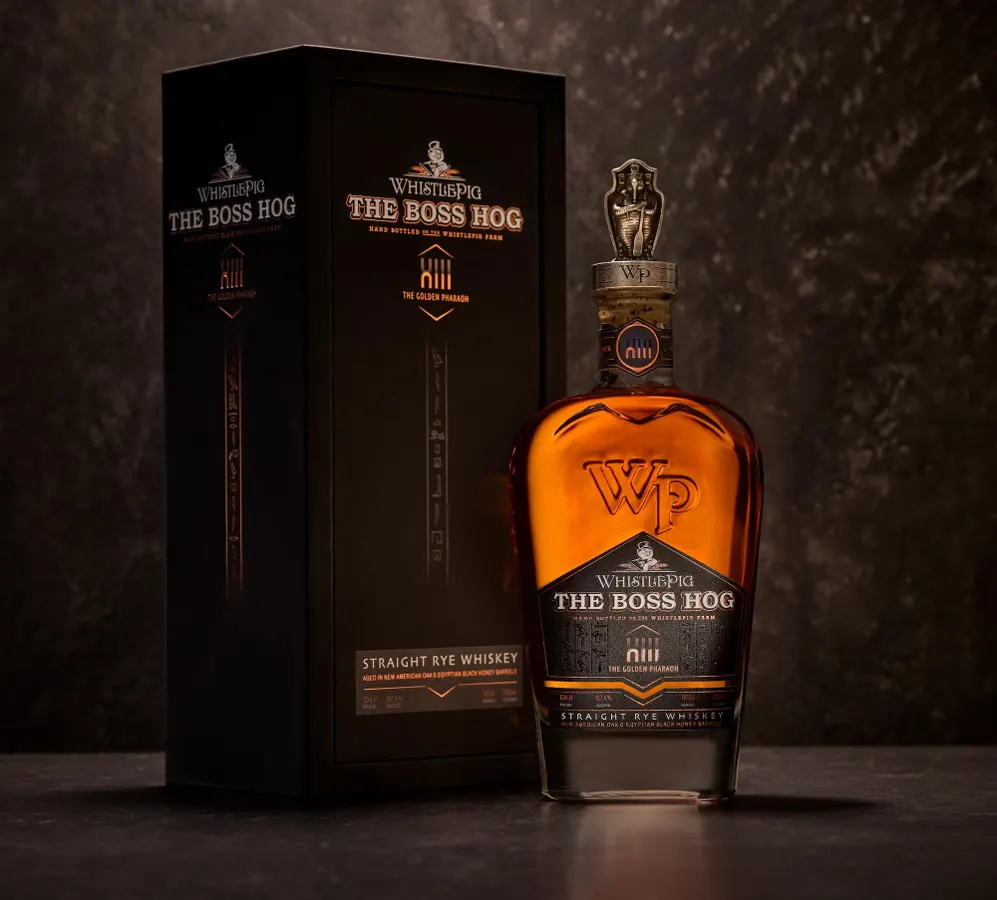
WhistlePig has never treated The Boss Hog as a conventional annual release. The limited series serves instead as the Vermont whiskey house’s experimental summit: a place for single barrels, assertive bottling strengths and finishing techniques unlikely to appear elsewhere in its collection. For its thirteenth edition, the brand has turned to the culinary history of ancient Egypt.
The Boss Hog XIII: The Golden Pharaoh is a straight rye whiskey matured in new American oak and subsequently finished in barrels seasoned with Egyptian black honey and tiger nuts. Scheduled for wider US availability from 30 September 2026, it combines a historically informed flavour reference with the dramatic presentation expected of WhistlePig’s most collectible line.
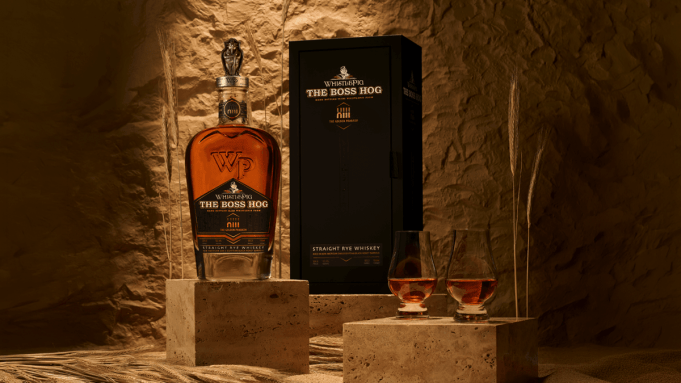
A dessert depicted in antiquity
The release draws its central idea from depictions of tiger nut cake associated with ancient Egyptian tomb art. Tiger nuts, despite their name, are not nuts at all. They are small edible tubers from the Cyperus esculentus plant, with a gently sweet, earthy character often compared with almond or coconut. Archaeological research indicates that they were consumed in Egypt from very early periods and appeared in food, medicine and funerary offerings.
WhistlePig recreated an interpretation of the ancient preparation at its farm in Shoreham, Vermont, before translating the combination into a cask-finishing experiment. Its second defining ingredient is Egyptian black honey, or asal eswed. Rather than honey produced by bees, the term refers to a dark sugarcane molasses that remains part of Egyptian food culture. Together, the molasses and tiger nuts were used to season the finishing barrels rather than being added directly to the whiskey.
Rye beneath the ornament
The underlying spirit is Kentucky-sourced straight rye, although its producing distillery, mash bill, age and length of secondary maturation have not been disclosed. After its initial period in new American oak, the whiskey enters the specially prepared casks and is eventually bottled as a single-barrel expression at full barrel strength.
Proof varies according to the individual barrel, ranging from 102.6 to 105.6, equivalent to 51.3 to 52.8 per cent alcohol by volume. That variation is an important part of The Boss Hog proposition: this is not a vatting designed to make every bottle identical. Each cask retains its own nuances while remaining within the edition’s broader profile.
Molasses, spice and toasted grain
WhistlePig’s official tasting notes begin with brown sugar, cinnamon and toasted almond on the nose, accompanied by a warmth reminiscent of fresh pastry. The palate moves into deeper molasses tones, followed by a lighter sweetness and the baking spice and black pepper expected from rye. Toasted almond returns in the finish alongside an unusual suggestion of fresh oatmeal.
The combination promises richness without abandoning the grain’s more structured identity. Molasses naturally complements the caramelised qualities developed in new oak, while the tiger nut influence introduces a softer, toasted dimension. Independent early assessments have likewise identified nutty, earthy and darkly sweet characteristics, although precise impressions will inevitably differ between barrels.
Designed for the collector’s cabinet
The Golden Pharaoh’s presentation embraces its theme with little restraint. A sculptural pewter stopper inspired by Tutankhamun crowns the bottle, while the outer case takes its cues from an ancient tomb. WhistlePig has also produced a small number of bottles with rare gold-coloured toppers, introducing an additional element of discovery for committed collectors.
The 750ml release carries a suggested US retail price of $599.99, placing it firmly within the ultra-premium whiskey category. Pre-orders opened on 9 September, ahead of the national roll-out. The brand’s online shop was listing the bottle at $599 at the time of publication, and local pricing and availability may vary.
The thirteenth Boss Hog
The Boss Hog series has gradually evolved from a showcase for formidable straight rye into a platform for increasingly adventurous cask finishes. Recent editions have explored ingredients and traditions from several regions, but The Golden Pharaoh is the first chapter that WhistlePig has explicitly rooted in an African culinary reference.
Despite the theatrical identity, the technical foundations remain consistent with the collection: one barrel at a time, no dilution to a standard proof and a finishing concept created specifically for that year. The result is intended to be as much an individual whiskey as the latest instalment in a continuing sequence.
Luxury spirits often rely on rarity, age or elaborate packaging, but The Golden Pharaoh adds another consideration: whether an old culinary idea can be meaningfully expressed through contemporary barrel maturation. Its combination of Kentucky rye, molasses-seasoned oak and tiger nut influence is unusual, yet each component has a clear flavour role rather than serving as ornament alone.
For collectors of The Boss Hog, the thirteenth edition offers the unmistakable spectacle associated with the series. For rye enthusiasts, its greater intrigue lies inside the bottle, where a familiar American spirit has been given an imaginative route through one of the world’s oldest documented food cultures.
Imagery is used for editorial purposes. All rights remain with the respective owners, photographers and licensors.