
Rolls-Royce Project Nightingale Takes Flight as Global Testing Begins
Limited to just 100 motor cars, Rolls-Royce’s audacious all-electric Coachbuild Collection begins 350 collective weeks of testing across Europe, the Arctic Circle and the Arabian Peninsula.
AI-assisted voice playback. Starts only when you choose Play.
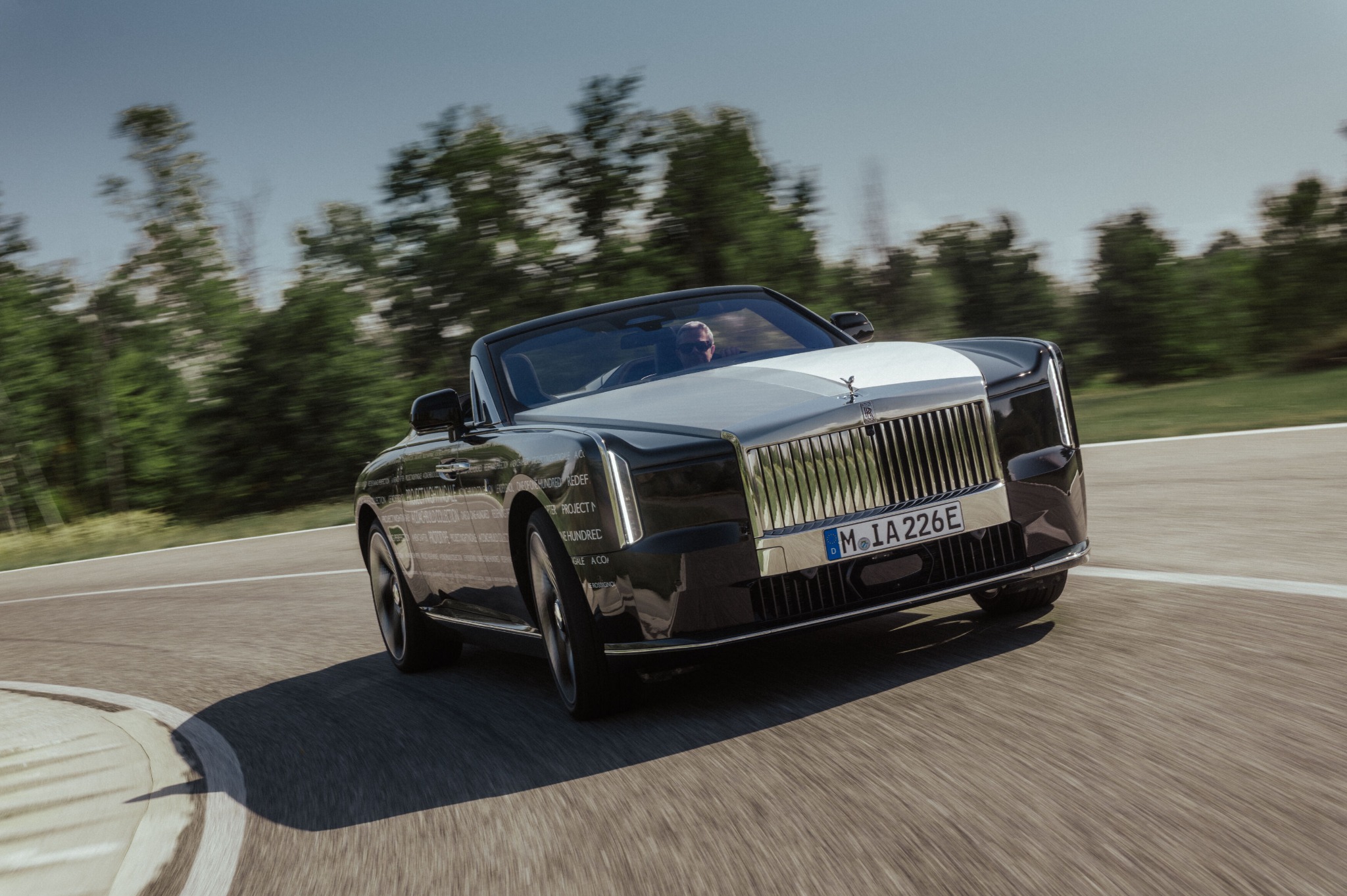
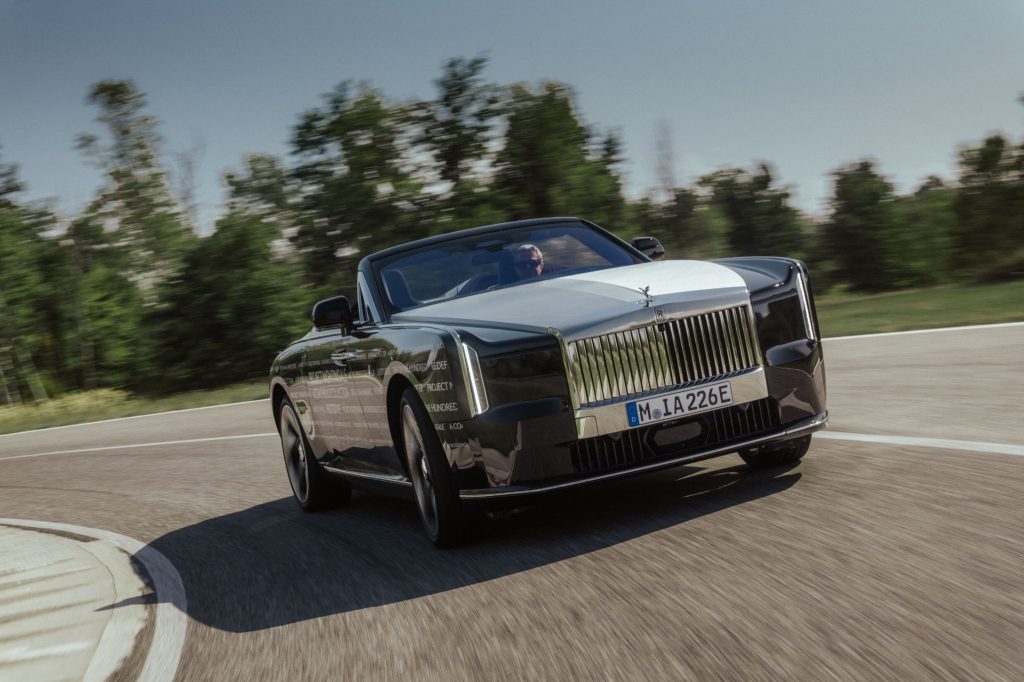
Rolls-Royce Motor Cars has begun the global testing programme for Project Nightingale, an exceptionally rare Coachbuild Collection limited to just 100 client motor cars.
Conceived without compromise and created for patrons who intend to drive their commissions across the world, Project Nightingale must now prove itself in environments every bit as ambitious as the motor car itself.
Across 350 collective weeks of testing, prototype vehicles will travel from the sweeping corniches of the Mediterranean and the frozen landscapes of the Arctic Circle to the intense heat of the Arabian Peninsula. Along the way, they will encounter dramatic changes in temperature, punishing road surfaces and altitudes reaching 2,750 metres.
It is a programme designed not merely to validate the motor car, but to refine every detail until its performance, refinement and sense of occasion feel utterly effortless.
“Project Nightingale captures the same audacious spirit that drove Sir Henry Royce to build his experimental ‘EX’ motor cars in the 1920s: a desire to discover what Rolls-Royce is truly capable of, unconstrained by convention. Few motor cars in the marque’s history have asked so much of those who create them. That is why Project Nightingale is being tested with the same rigour with which it was imagined.” — Chris Brownridge, Chief Executive, Rolls-Royce Motor Cars
A Coachbuilt Vision Without Convention
First revealed in April 2026, Project Nightingale brings together the creative freedom of Rolls-Royce Coachbuild and the marque’s uncompromising all-electric powertrain.
More than an exclusive motor car, it represents an exploration of what modern Rolls-Royce can become when its designers, engineers and craftspeople are released from the boundaries of conventional production.
Only 100 examples will be created for commissioning clients, placing Project Nightingale among the rarest collections in the marque’s modern history.
From the moment the project was presented, its patrons made their intentions clear: these cars were not destined to remain motionless within private collections. They would be driven, experienced and enjoyed across continents.
Preparing Project Nightingale for such a life has required Rolls-Royce to devise one of the most exacting development programmes it has ever undertaken.
A Return to the Roads Where the Legend Began
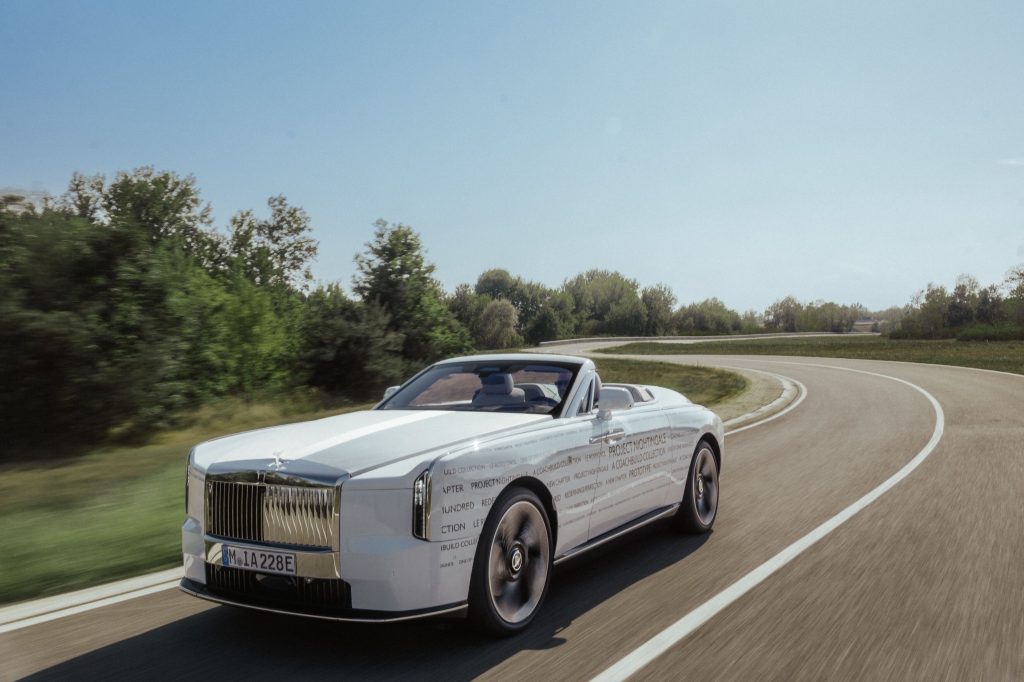
The first stage begins in Southern Europe, returning Rolls-Royce to the landscapes in which the marque established its meticulous approach to engineering more than a century ago.
Southern France holds particular significance. Project Nightingale takes its name from Le Rossignol—French for “the nightingale”—the house Henry Royce built near his winter residence on the French Riviera for his designers and engineers.
During the early 20th century, Rolls-Royce engineers used this base, together with the marque’s testing facility at Châteauroux, to subject experimental motor cars to relentless speed, durability and endurance trials. The demanding roads between Monte Carlo and London became part of the proving ground upon which the Rolls-Royce reputation was built.
More than 100 years later, Project Nightingale continues that tradition, applying the same uncompromising philosophy to a motor car unlike any Rolls-Royce that has come before it.
“The programme begins on the roads of Europe, where Rolls-Royce first proved itself to the world a century ago, before continuing across every climate in which our clients may choose to drive.” — Chris Brownridge
Perfecting the Silence
Although the public-road programme has only just begun, the development of Project Nightingale started almost three years ago.
Static prototypes have already completed more than 1,430 hours of aerodynamic modelling, incorporating sophisticated digital simulations and extensive wind-tunnel testing.
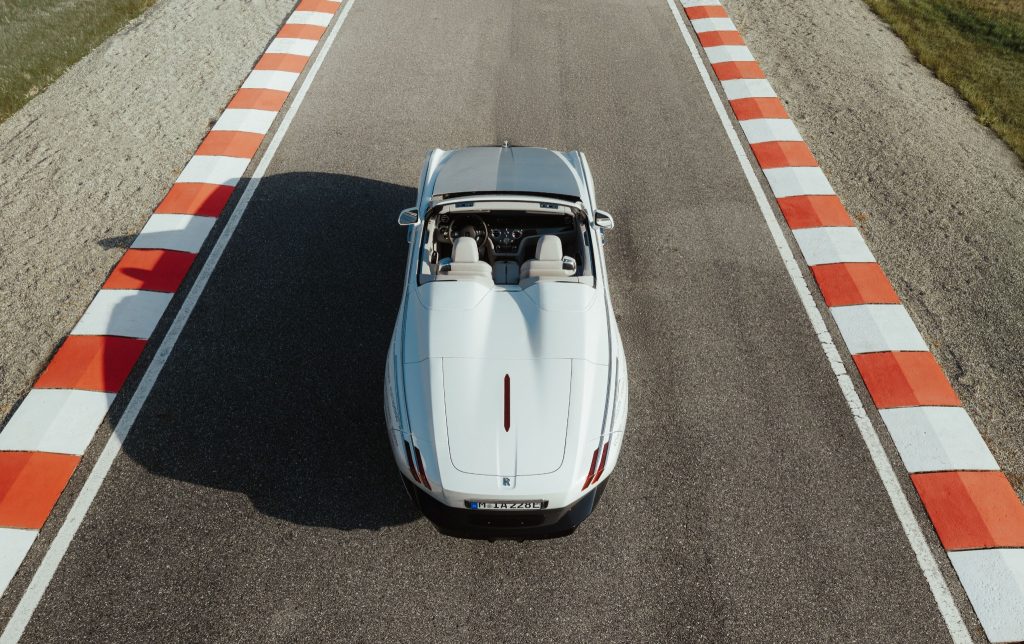
This laboratory work will next be validated at a private high-speed testing facility, where prototypes will travel at speeds of up to 155mph.
At such velocity, Rolls-Royce engineers will study the movement of air around the motor car and identify even the faintest traces of intrusive wind noise. The objective is not simply to make Project Nightingale quiet, but to preserve the almost otherworldly serenity expected of a Rolls-Royce.
That pursuit of silence is especially demanding in a motor car created to be experienced with its roof lowered.
Rolls-Royce has consequently developed a fully electric wind deflector specifically for Project Nightingale. Beautifully integrated and exquisitely engineered, the system prevents high-pressure air from curling forward into the interior suite from behind.
It will be assessed at a wide range of speeds to reduce already minimal interior turbulence, while helping retain warmth when the roof is lowered in cooler climates.
Cashmere, Composites and Extreme Heat
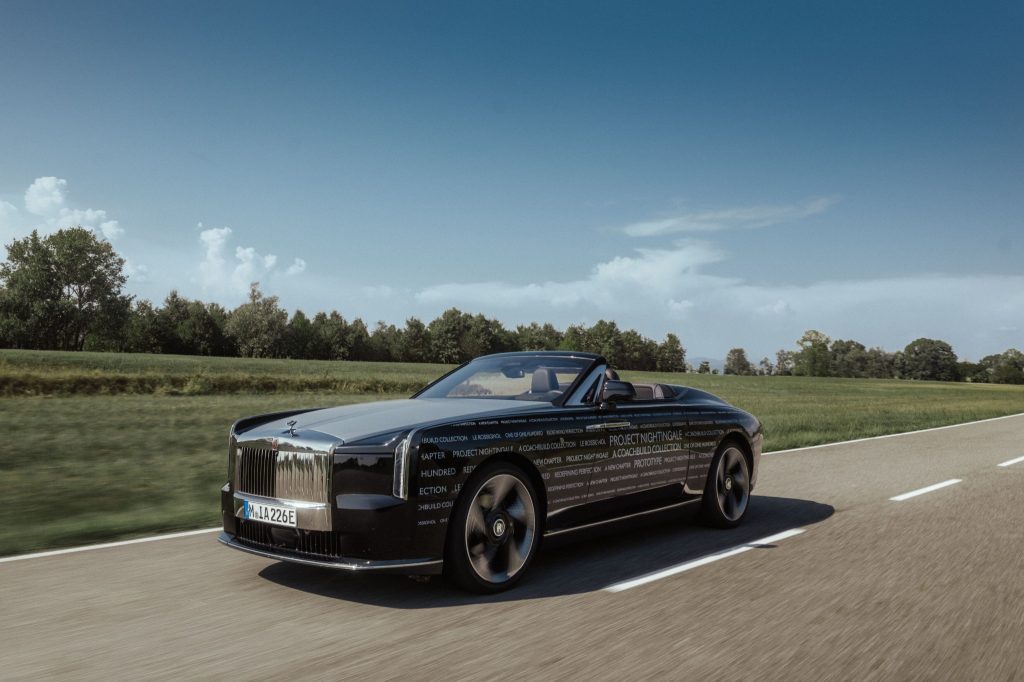
The roof itself demonstrates the remarkable depth of engineering hidden beneath Project Nightingale’s apparent effortlessness.
Its lining combines cashmere and fabric with advanced, high-performance composite materials developed to suppress unwanted sound. It will undergo 10 separate forms of testing, examining the roof fabric, its closing mechanism and its performance at temperatures reaching 80°C.
Such extremes reflect the international lives of the 100 clients commissioning the collection. Whether driven beneath the winter sun of the Côte d’Azur, through the cold of Northern Europe or under the searing heat of the Middle East, Project Nightingale is being engineered to retain the same calmness, comfort and composure.
The Theatre of the Piano Boot
Among the motor car’s most distinctive innovations is the Piano Boot, a feature never previously seen on a Rolls-Royce.
Opening sideways upon a cantilevered mechanism, it transforms a functional movement into an exquisitely choreographed gesture. Yet behind that visual theatre lies a formidable engineering challenge.
During development, the Piano Boot will complete as many as 15,000 opening and closing cycles. Engineers will examine not only its mechanical reliability, but also its speed, movement, balance and sound.
The aim is to ensure that decades of repeated use never diminish its graceful operation or interrupt the impression of absolute effortlessness.
“Every detail is being refined to an extraordinary degree, down to the sound of the Piano Boot closing after 15,000 operating cycles. Nothing less would be worthy of the brand, or this truly exceptional motor car.” — Chris Brownridge
Beyond What Instruments Can Measure
Data will play an essential role throughout the development programme. Sensors and sophisticated instrumentation can record temperature, airflow, vibration, aerodynamic pressure and thousands of other variables with immense precision.
But Rolls-Royce acknowledges that numbers alone cannot define an extraordinary motor car.
Ultimately, it is the experience, judgement and instinct of the marque’s most accomplished engineers that will determine whether Project Nightingale possesses the serenity, authority and unmistakable sense of occasion expected of a Rolls-Royce.
Some qualities can be calculated. Others must be felt.
Project Nightingale exists in that rare space between the two: an all-electric Coachbuild creation informed by more than a century of engineering tradition, yet unconstrained by what a Rolls-Royce has previously been.
The dream has now become a moving reality. Across continents, climates and thousands of demanding miles, Rolls-Royce will begin discovering precisely how extraordinary it can become.