
Institutional Luxury: Building Permanence Through Finance and Culture
AI-assisted voice playback. Starts only when you choose Play.
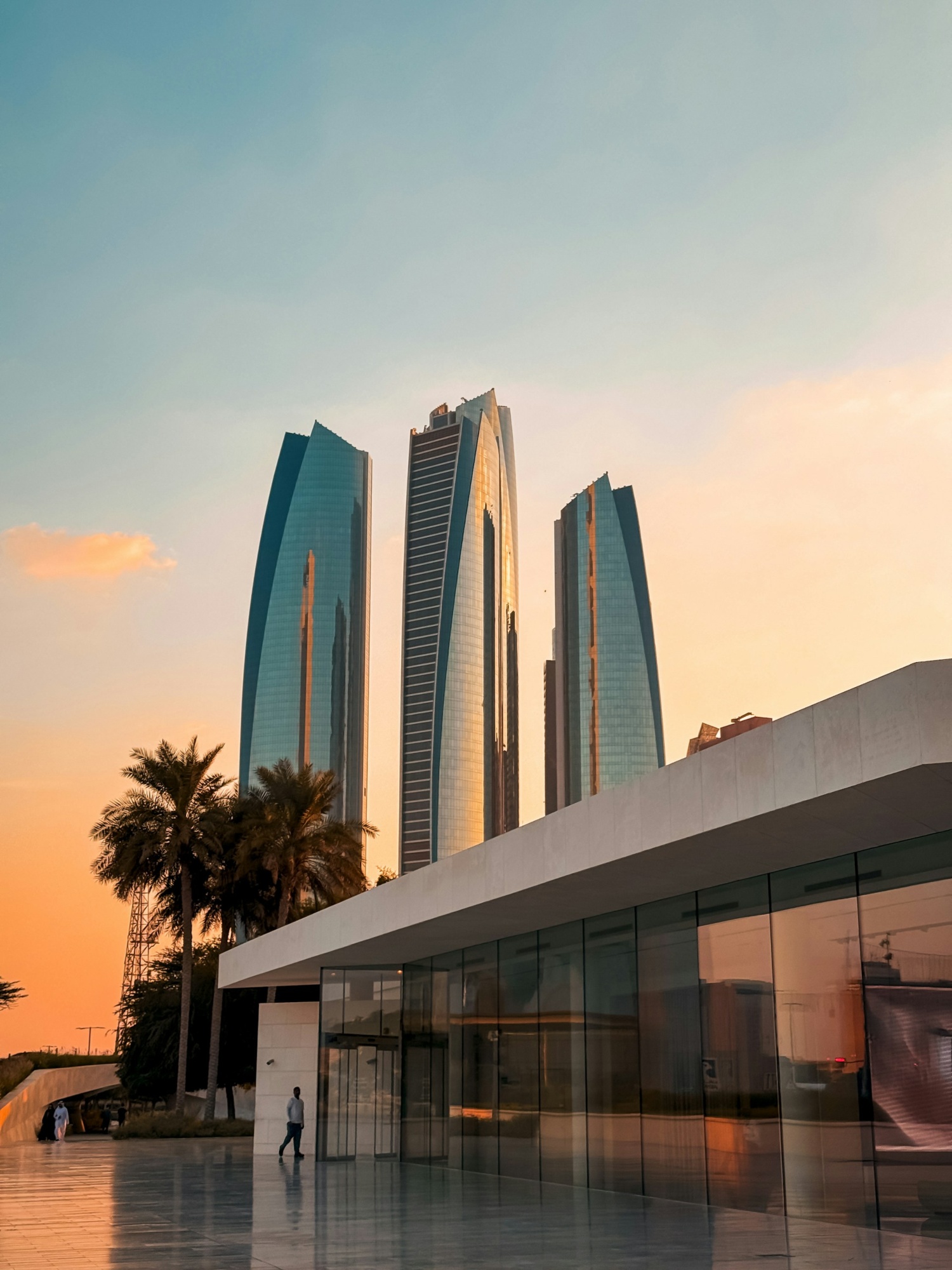
Luxury markets have long been measured by consumption: the volume of high-end goods sold, the prestige of flagship boutiques, the celebrity clientele drawn to exclusive venues. Yet a fundamental shift is occurring among established wealth centres globally. Instead of chasing transient spending, they are constructing durable ecosystems where wealth management, cultural capital and premium real estate operate as interconnected infrastructure—systems designed to retain and compound value over decades rather than seasons.
This shift reflects a maturation in how established wealth conceives of luxury itself. Rather than luxury as expression, it becomes luxury as foundation. The distinction matters profoundly for investors, collectors and institutions seeking stability amid global economic volatility.
The Financial Architecture
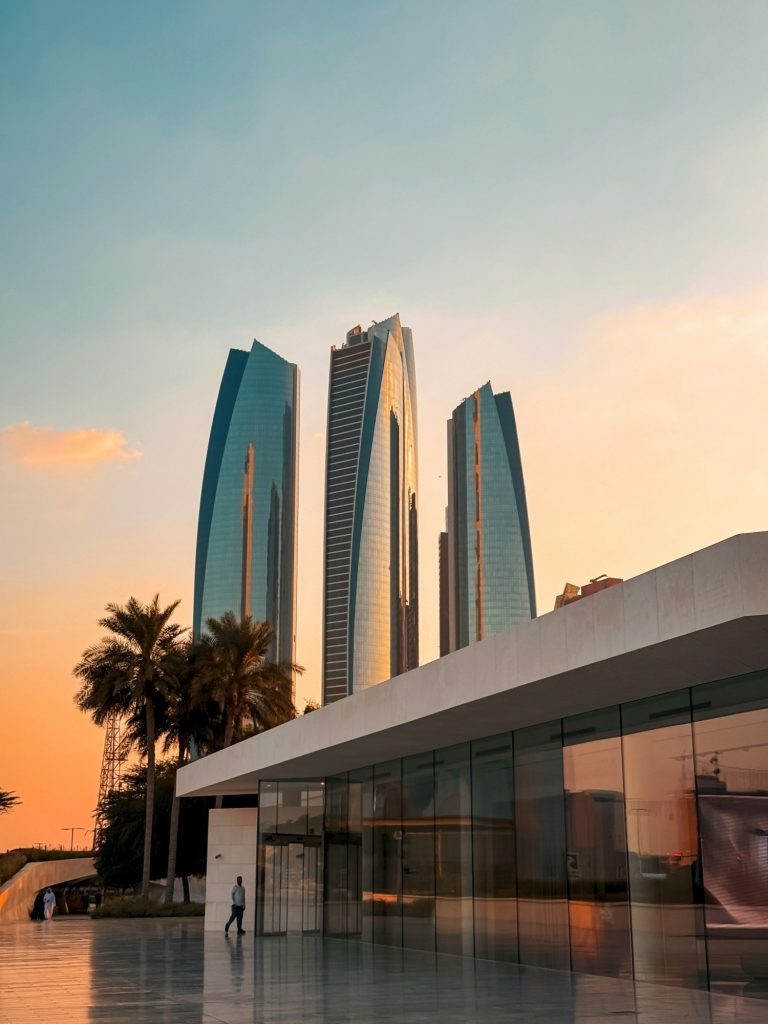
International financial centres have emerged as operational cornerstones of this strategy. Established hubs across multiple continents recorded significant growth in assets under management throughout 2026, reflecting institutional rather than speculative capital deployment. The concentration of hundreds of fund and asset managers overseeing trillions in global assets signals that these centres have transcended their initial positioning as regional operations.
What distinguishes this growth is its permanence. Firms establishing or expanding operations are not temporary presences seeking regulatory arbitrage or promotional advantage. Rather, they represent committed capital allocators—family offices, sovereign wealth vehicles, and institutional investors—who have selected particular centres as operational bases because of established governance, tax efficiency and strategic positioning relative to key markets. This class of participant does not rotate; it settles.
The implications extend beyond financial services. When trillions in assets are managed from established centres, the institutions managing them require sophisticated service ecosystems: legal counsel, audit capabilities, risk infrastructure, and premises of appropriate calibre. This demand creates a secondary layer of institutional luxury—one that serves the managers rather than the managed, but proves equally permanent and valuable.
Culture as Institutional Asset
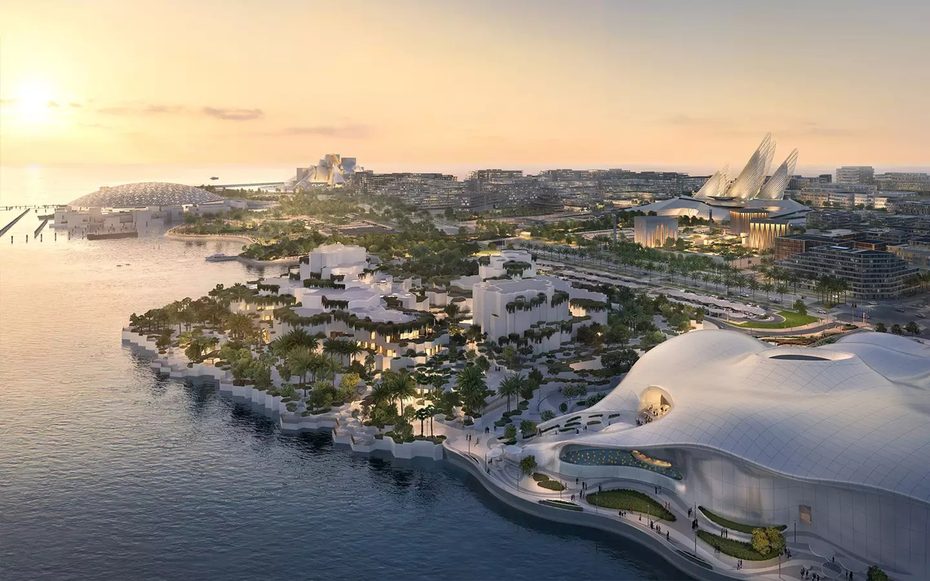
Simultaneously, global wealth centres have positioned cultural infrastructure not as entertainment but as institutional anchor. Integrated museum memberships, coordinated cultural programming across world-class institutions, and the strategic development of cultural districts represent deliberate consolidation of cultural gravity. This is not programming; it is structural strategy.
For wealthy collectors and culturally oriented residents, access to world-class institutions influences residency decisions and property valuations profoundly. Membership models that formalise access to major collections and exhibitions create a subscription layer that binds cultural participation to institutional stability. A collector considering relocation will weigh not the temporary appeal of a summer exhibition but the permanent presence of established museums within their chosen community.
The broader integration of cultural districts with financial and residential zones functions as a mechanism where artistic and financial capital intersect productively. Museums require endowments; endowments require asset managers; asset managers require premium residences and hospitality infrastructure. The district becomes self-reinforcing: cultural credibility attracts sophisticated capital, which funds further cultural development and institutional expansion.
Real Estate as Permanence
Property in luxury segments has similarly evolved from consumer commodity to institutional holding across established wealth centres. Premium residential developments are increasingly marketed not on amenity abundance but on location stability, institutional proximity and appreciation fundamentals. A residence in proximity to both financial districts and cultural precincts offers buyers something beyond luxury—it offers optionality and permanence.
Hospitality amplifies this effect. The presence of internationally operated luxury hotel collections provides not only accommodation for visiting capital but also operational benchmarks for residential property management, food and beverage standards, and wellness infrastructure. When flagship luxury brands establish or maintain presence, they establish expectation frameworks that elevate entire districts and neighbourhoods.
This is infrastructure thinking applied to property: not isolated prestige developments but integrated zones where residential, commercial, cultural and financial uses operate in permanent equilibrium. Value accrues to the participant in such systems, whether as resident, investor or manager.
The Retail Dimension
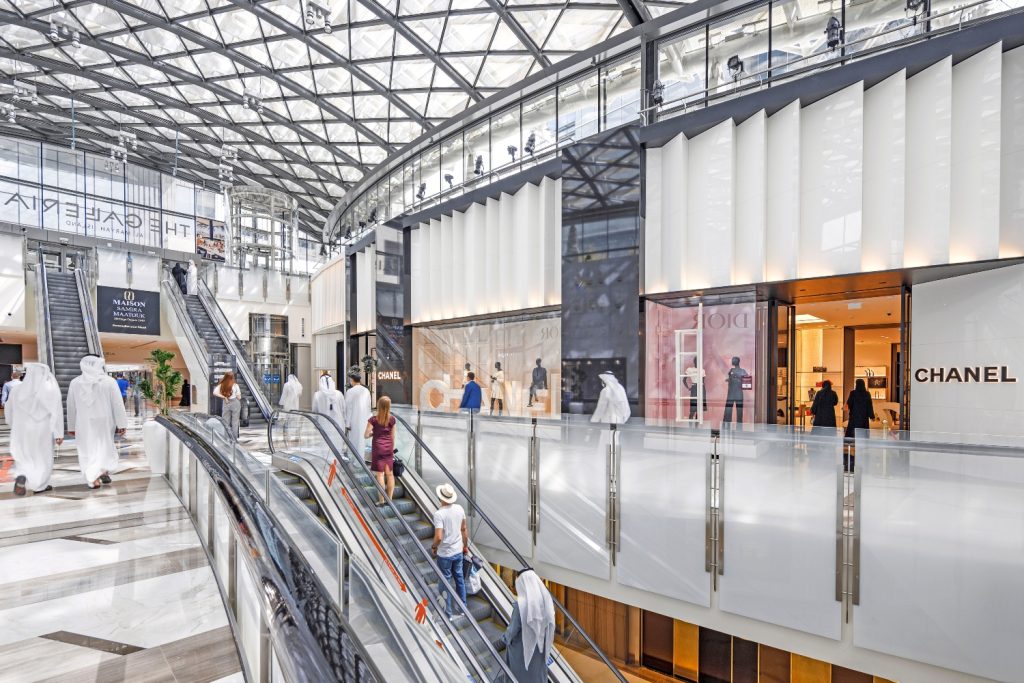
Retail luxury in established centres has similarly consolidated into institutional frameworks. High-end retail is increasingly concentrated in designated districts—proximity to financial centres, cultural institutions and premium residences—rather than dispersed across multiple locations. This clustering creates genuine luxury infrastructure: districts where design, curation and exclusivity operate at consistent standards rather than isolated flagship locations competing for attention.
The presence of premium retail also signals institutional maturity. Brands establishing substantial operations in established wealth centres are making multi-decade commitments to markets, staffing, supply chains and community integration. They are not testing markets; they are building presence. This distinction—between experimental outposts and committed operations—defines the difference between transient and institutional luxury.
Wealth Permanence as Strategy
Underlying all these developments is a strategic positioning: leading wealth centres globally are competing not for tourist spending or momentary prestige but for permanent wealth residence. Strategic location, governance stability, tax efficiency and cultural ambitions create conditions where ultra-high-net-worth individuals and institutions establish multi-generational presence.
This requires building infrastructure designed to retain rather than attract, to serve rather than impress, to compound rather than consume. Financial centres must offer operational advantage over decades. Museums must maintain scholarly credibility across generations. Residences must appreciate by virtue of location rather than speculative novelty.
The significant growth in assets under management at leading international financial centres is ultimately a measure of confidence in this model. Capital of this magnitude does not relocate on whimsy. It settles where institutional frameworks prove durable, where cultural and financial capital reinforce one another, and where permanence appears architecturally assured.
Luxury economies at established wealth centres are increasingly defined by infrastructure rather than consumption. Through coordinated development of financial centres, cultural institutions, premium hospitality and integrated property zones, these locations have constructed durable ecosystems where wealth not only resides but compounds. This represents a fundamental reorientation: from luxury as transient expression to luxury as permanent foundation—a distinction that will likely define global wealth geography for decades.
For those seeking luxury destinations characterised by genuine permanence rather than promotional novelty, this infrastructure-first approach offers something increasingly rare: wealthy cities still committed to building as if for centuries rather than seasons.
Imagery is used for editorial purposes. All rights remain with the respective owners, photographers and licensors.