
BMW XM Label: The Hybrid Supreme That Rewrites Luxury Performance
AI-assisted voice playback. Starts only when you choose Play.
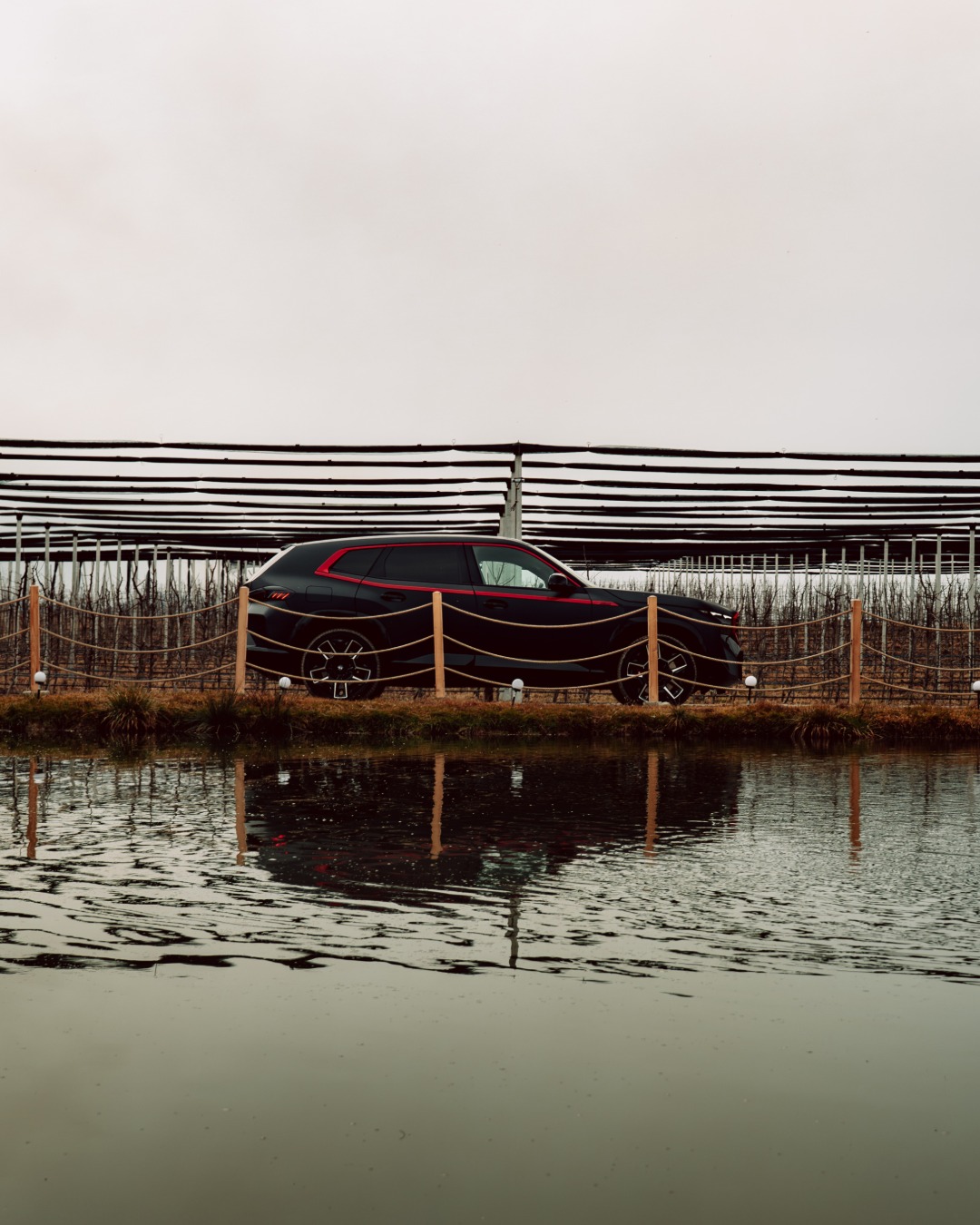
When a manufacturer as prestigious as BMW unveils a vehicle bearing a singular designation—Label—the implication is unmistakable: this is not merely another model in the roster, but rather a definitive statement of intent. The XM Label represents precisely that: a fully formed vision of what contemporary luxury performance might become when engineering ambition meets environmental responsibility.
The vehicle emerges at an inflection point in the automotive industry, where the old distinctions between traditional and progressive powertrains have begun to blur entirely. Yet the XM Label does not hedge its bets. Instead, it commits to a dual-power philosophy that refuses compromise on either front.
A Hybrid Architecture With Genuine Substance
The technical specifications of the XM Label reveal a vehicle engineered with considerable sophistication. Its combined energy consumption registers at 25.7 kilowatt-hours per 100 kilometres in electric mode, whilst the petrol element delivers 5.3 litres per 100 kilometres under the weighted combined WLTP cycle. The resulting carbon emissions of 121 grammes per kilometre represent a meaningful reduction compared to conventional performance SUVs in its class.
What distinguishes this particular application of plug-in hybrid technology is the 77-kilometre electric range—a distance substantial enough to accommodate the daily motoring patterns of discerning urban dwellers whilst retaining the reassurance of a conventional engine for longer journeys. This is not a token gesture towards electrification, but rather a practical accommodation of how the world's most affluent consumers actually drive.
The architecture permits a fully depleted battery scenario, should one arise, with the petrol engine capable of delivering 12.9 litres per 100 kilometres combined consumption. Yet such a scenario would prove exceptional. The XM Label's intelligence lies in its predictive charging systems and integrated journey planning—features that suggest this vehicle understands its owner's mobility patterns perhaps better than the owner understands them.
Aesthetic Messaging Through Restraint
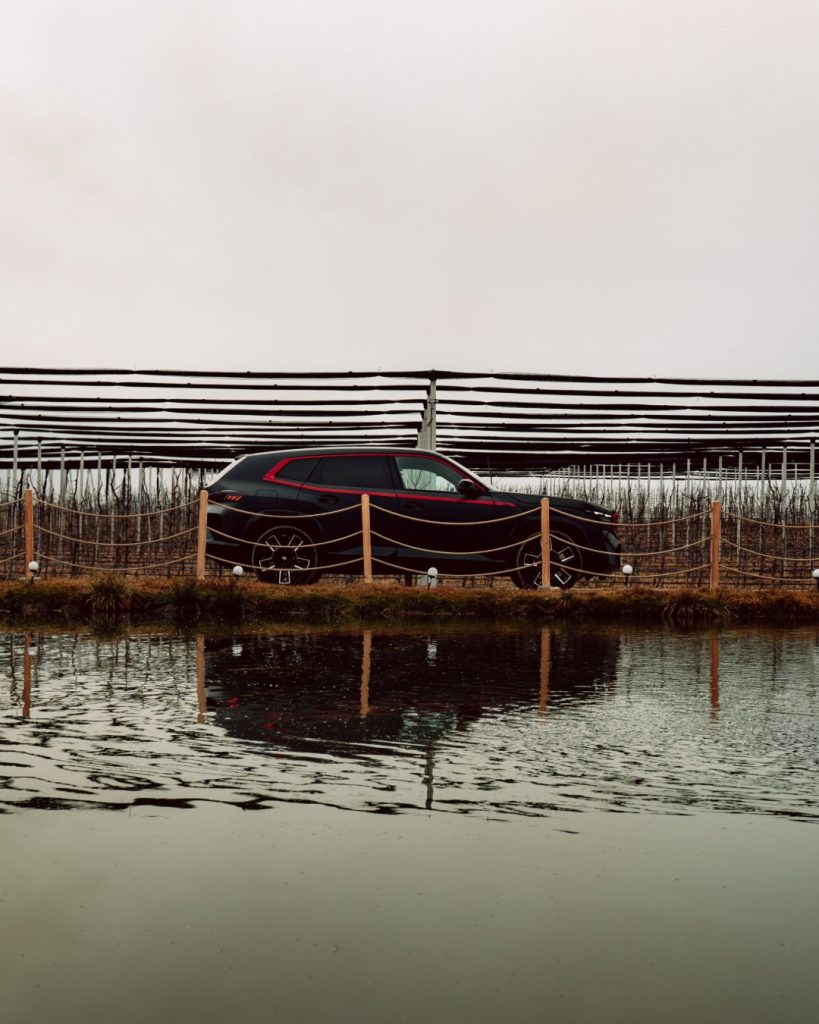
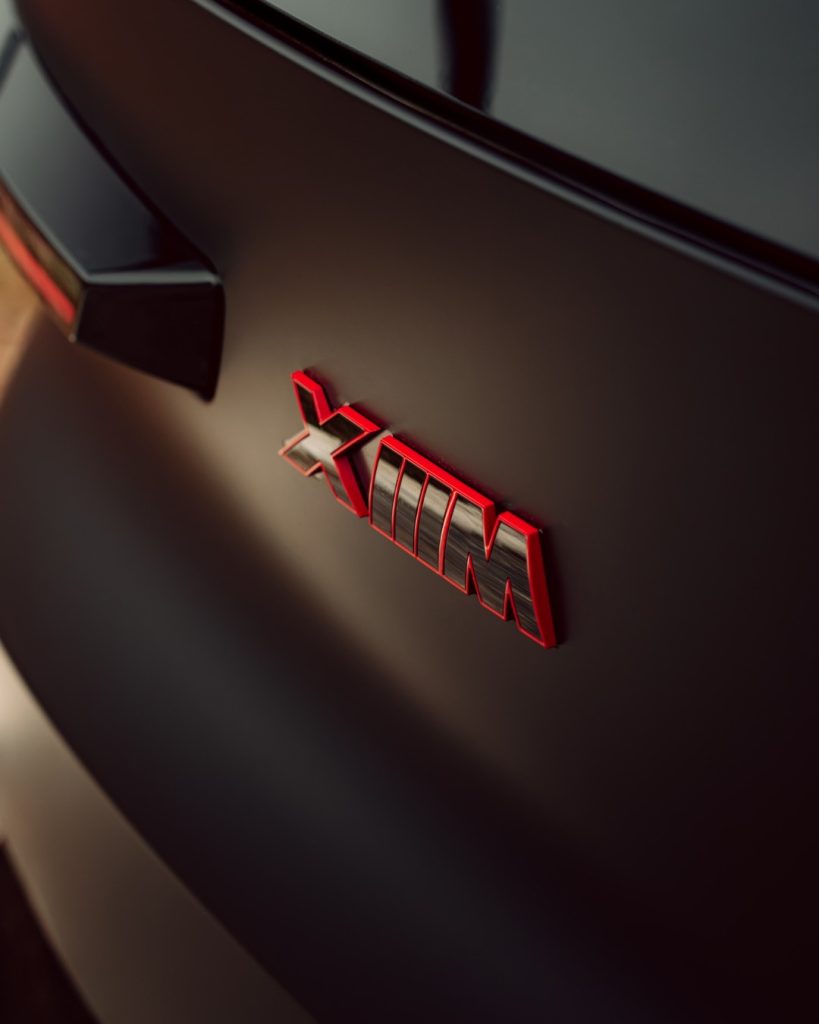
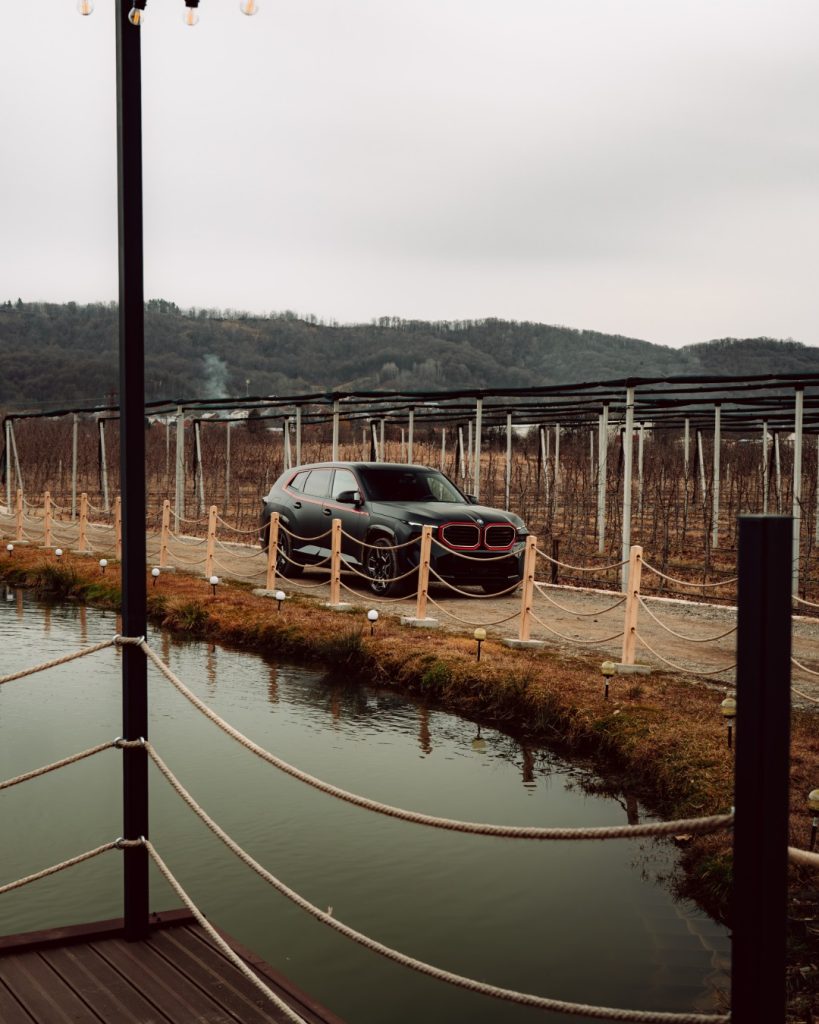
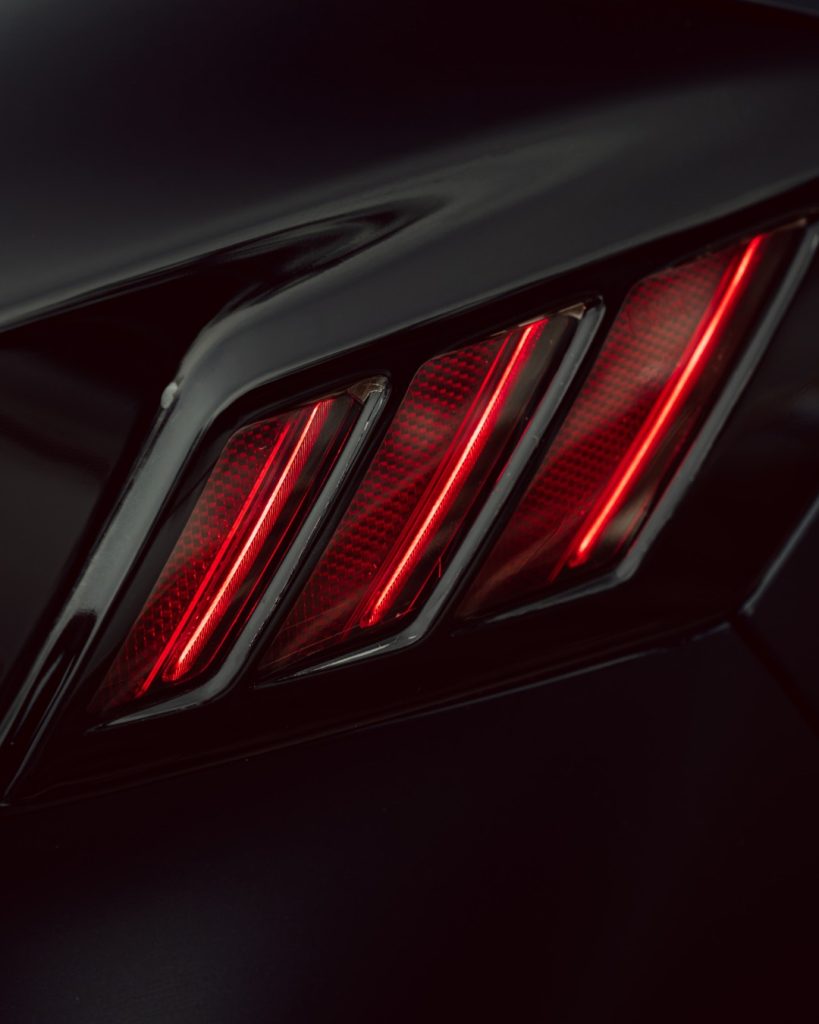
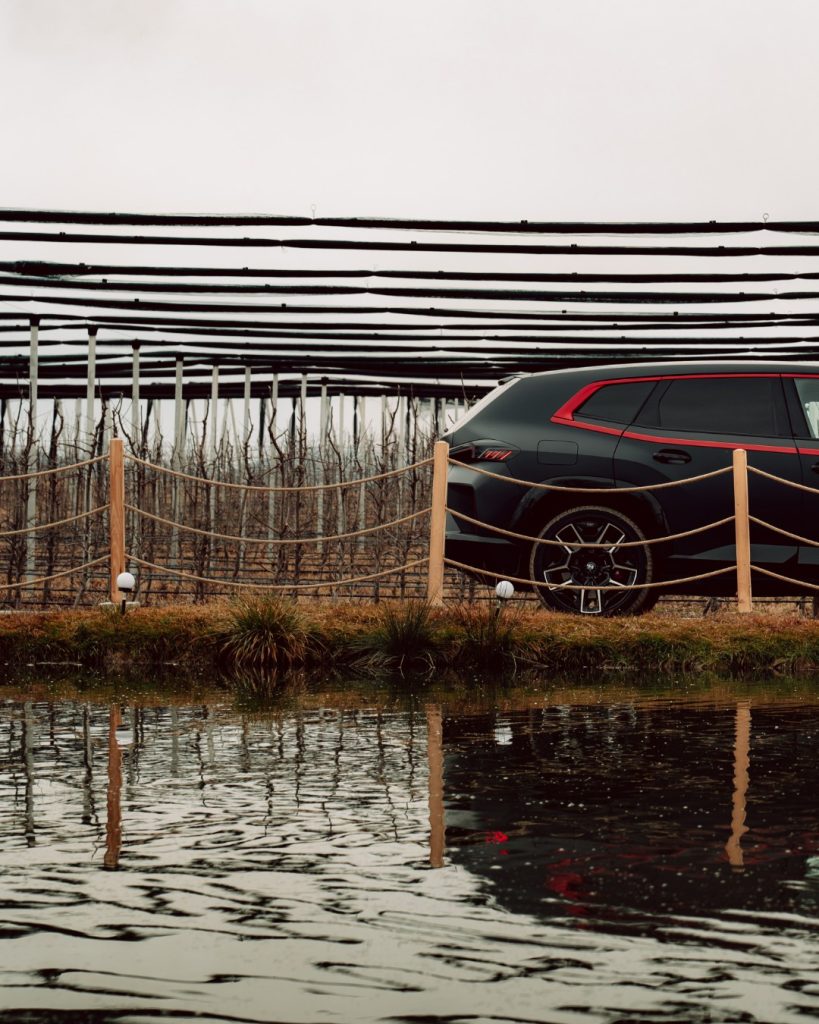
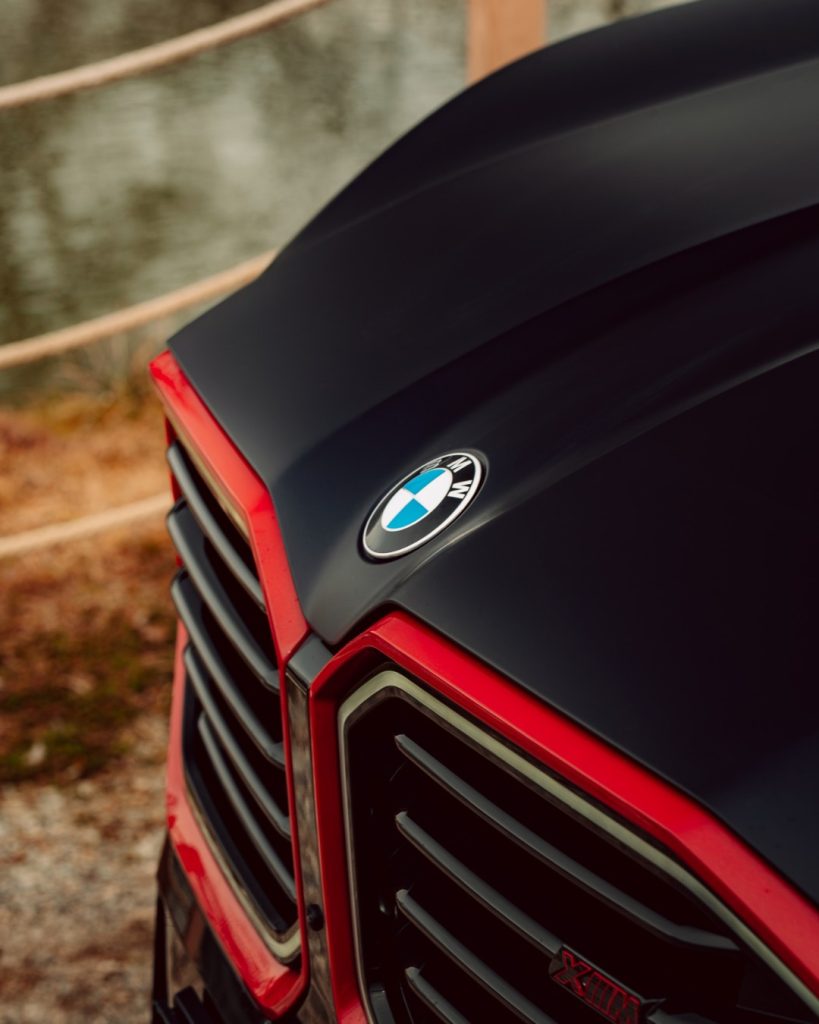
The cryptic visual language employed in BMW's promotional imagery—ripples emanating from stillness, motion suggested through absence of movement—speaks to a design philosophy that has matured considerably. The XM Label does not announce itself through aggressive posturing or excessive visual theatre. Instead, it communicates through proportion, material selection, and the kinds of refined details that appeal to those whose confidence in their own taste requires no external validation.
This restraint represents a departure from the aesthetic maximalism that occasionally characterised earlier expressions of BMW's performance hierarchy. Where previous flagship SUVs sometimes erred toward bombast, the XM Label suggests that true luxury might reside instead in knowing precisely what to include and, more importantly, what to leave out.
The Sustainability Question Reframed
Luxury has long existed in tension with environmental consciousness. The traditional market presumed these values mutually exclusive—that the pursuit of performance necessarily demanded environmental indifference. The XM Label challenges this orthodoxy directly.
By achieving a D-rating under the weighted combined CO₂ classification whilst maintaining the performance credentials expected of a BMW M-badged vehicle, the XM Label reframes the conversation entirely. It suggests that environmental responsibility need not manifest as either asceticism or performative virtue signalling, but rather as an intelligent engineering problem to be solved without compromising on capability.
This positioning carries particular resonance for the global luxury consumer of 2026—an individual increasingly cognisant of the contradiction between personal indulgence and planetary stewardship, yet unwilling to relinquish the former entirely. The XM Label offers not absolution, but rather a more defensible position within that difficult space.
The Label Designation: What It Signifies
The choice to append 'Label' rather than a numerical designation warrants closer examination. In BMW's nomenclature, such decisions carry weight. This designation suggests a vehicle not locked into generational cycles or specification hierarchies, but rather a singular expression—a limited statement that establishes a new archetype without immediately committing to a production lineage.
For collectors and enthusiasts, this language signals something rare: a flagship vehicle designed with an end state in mind, not as the first chapter in an expanding series. It carries the implicit prestige of limitation, of selectivity, of a marque exercising restraint in not mass-producing its greatest statement.
Performance Electrification for the Discerning
The emergence of the XM Label occurs within a broader automotive moment where electrification has shifted from aspirational to inevitable. Yet in this vehicle, that inevitability becomes opportunity rather than constraint. The plug-in hybrid architecture permits a sophisticated interplay between instantaneous electric torque and sustained petrol performance—a duality that traditional internal combustion engines cannot replicate.
For drivers accustomed to the tactile engagement that performance vehicles provide, this dual-power approach offers unexpected benefits. The immediate throttle response of electric assistance, combined with the linear power delivery of the petrol engine, creates a driving experience that surpasses both technologies in isolation. This is not compromise engineering; it is synthesis.
The BMW XM Label arrives at a moment when luxury performance stands at a crossroads. The old certainties—that more power necessitated greater consumption, that environmental consciousness demanded performance sacrifice—no longer hold. This vehicle represents not the future, but rather the present-day reality of discerning automotive engineering.
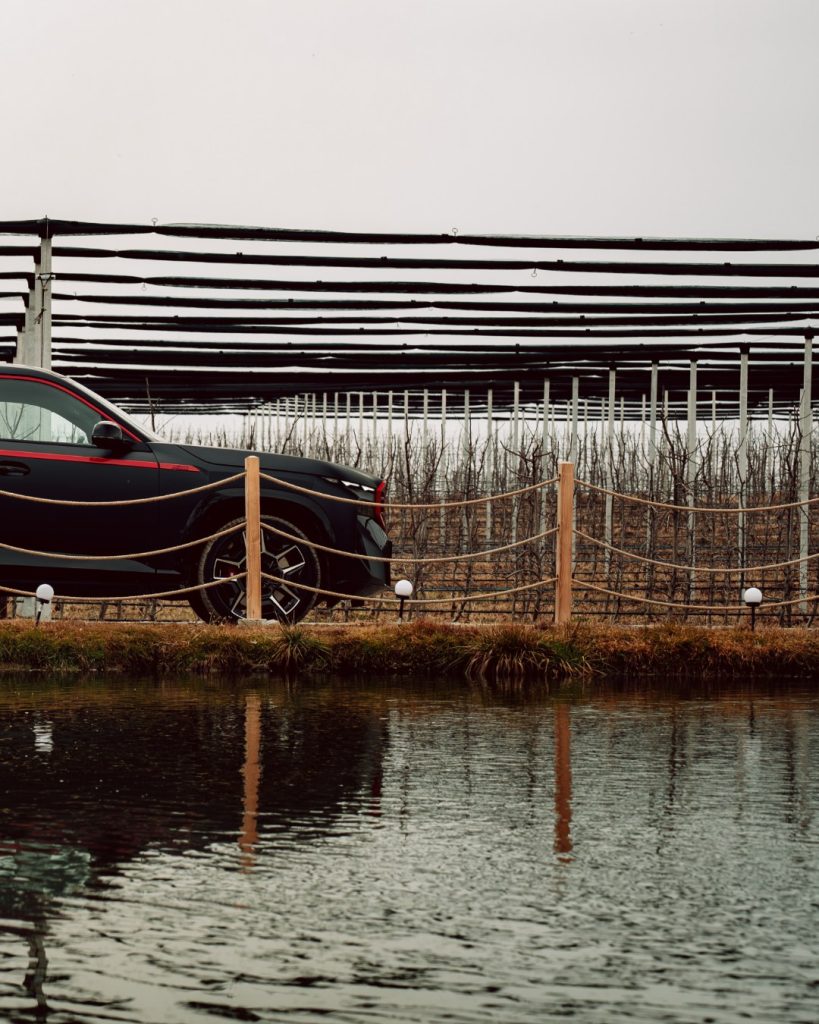
In making ripples without movement, as the brand's campaign suggests, BMW has constructed a vehicle that achieves something far more valuable than speed: it offers reconciliation between competing values, and in doing so, establishes a new measure by which flagship luxury vehicles might be assessed.
Imagery is used for editorial purposes. All rights remain with the respective owners, photographers and licensors.
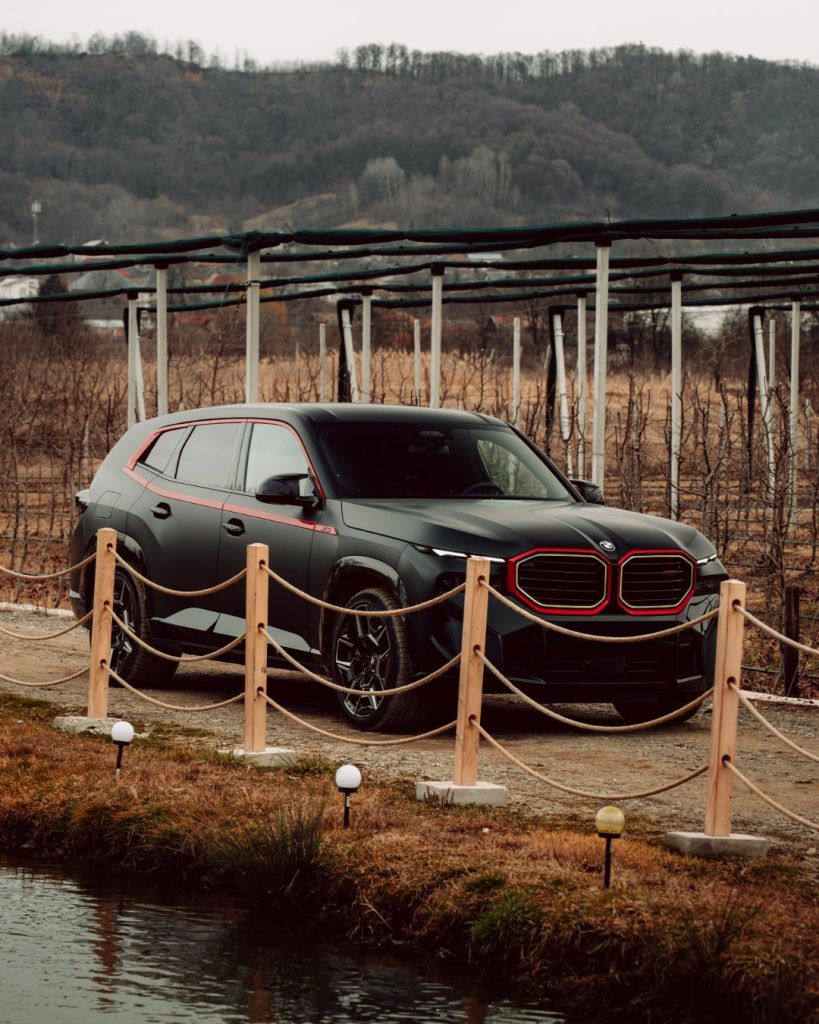
Imagery courtesy of BMW (@bmw).