
Gucci The Store Show: A New Chapter in Retail Theatre
AI-assisted voice playback. Starts only when you choose Play.
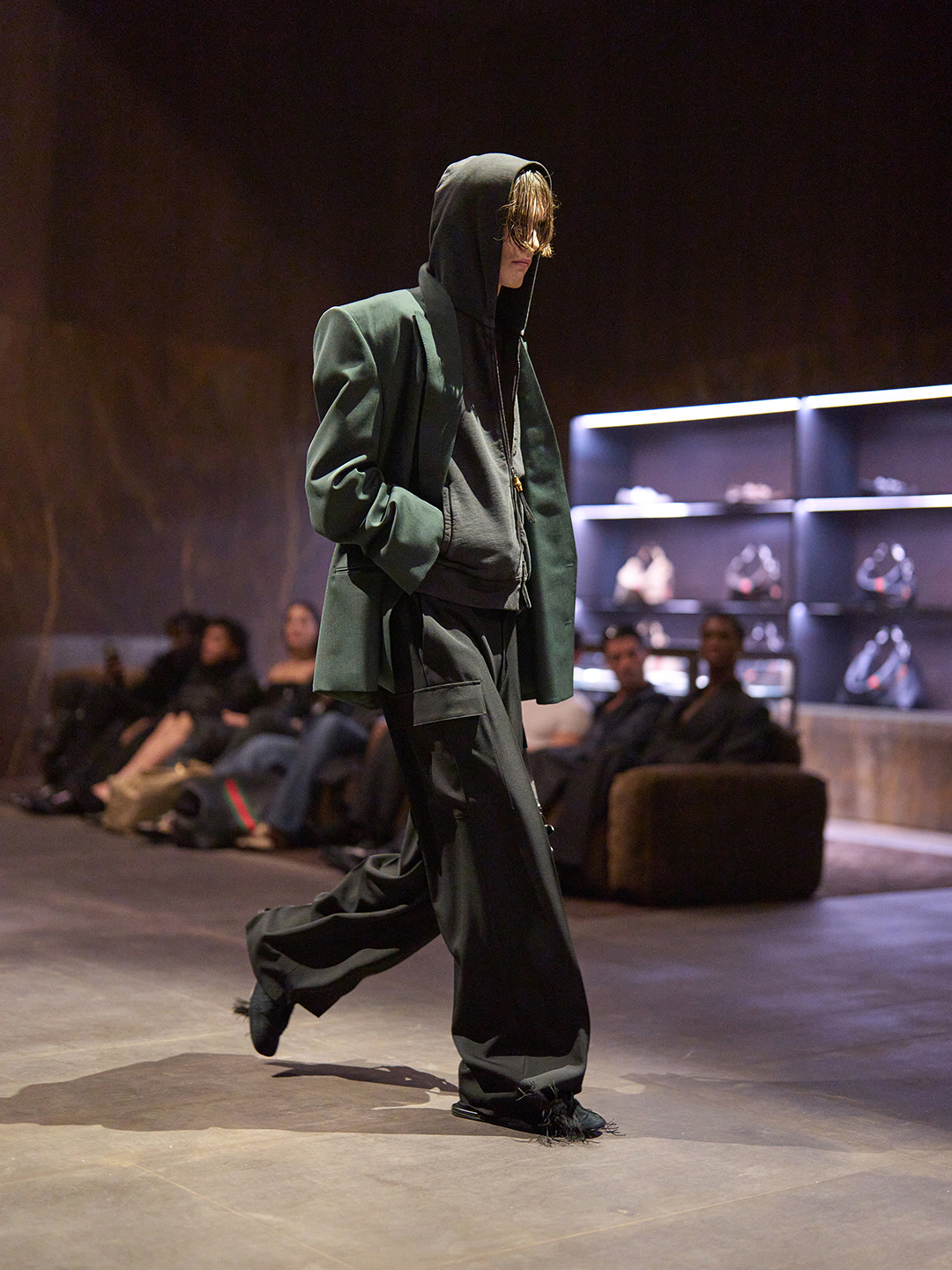
Gucci has long positioned itself at the intersection of fashion, art and cultural commentary. Its latest venture—The Store Show—represents a deliberate evolution in how the Florentine house engages with customers, collapsing the traditional boundaries between catwalk presentation and retail environment.
The initiative marks a departure from conventional flagship strategies, instead creating a hybrid space where merchandise becomes theatre and shopping transforms into a curated experience.
Blurring Commerce and Spectacle
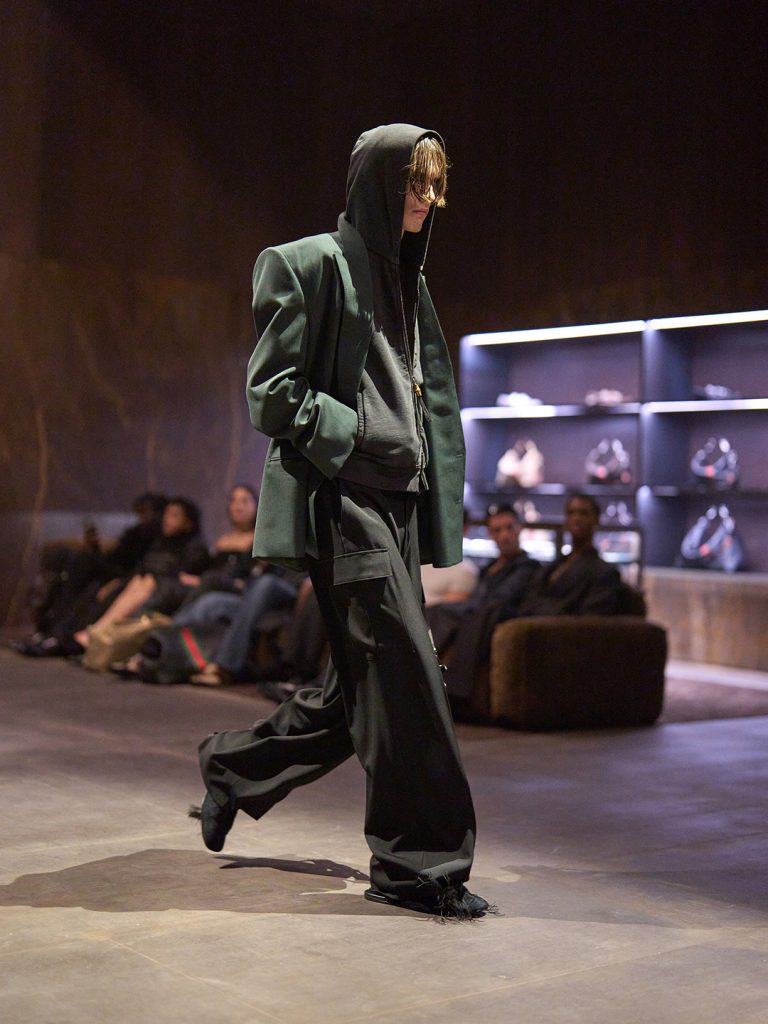
The Store Show concept reflects a wider shift within contemporary luxury. Gucci recognises that modern consumers—particularly those with the means to invest in haute fashion—seek more than product availability; they desire narrative, exclusivity and participation in a branded world.
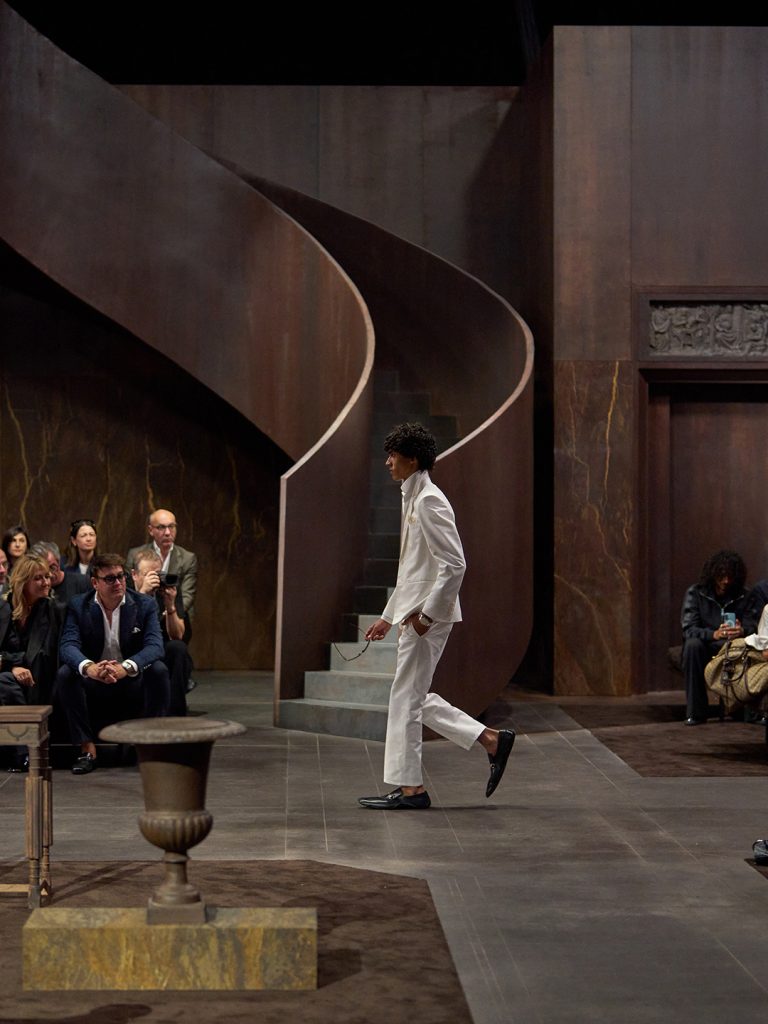
By presenting runway details within a retail framework, the house creates an intermediary space between the glamour of seasonal collections and the practicality of purchase. This approach allows customers to understand the creative intent behind each piece whilst simultaneously accessing it in an intimate setting.
Design Philosophy on Display
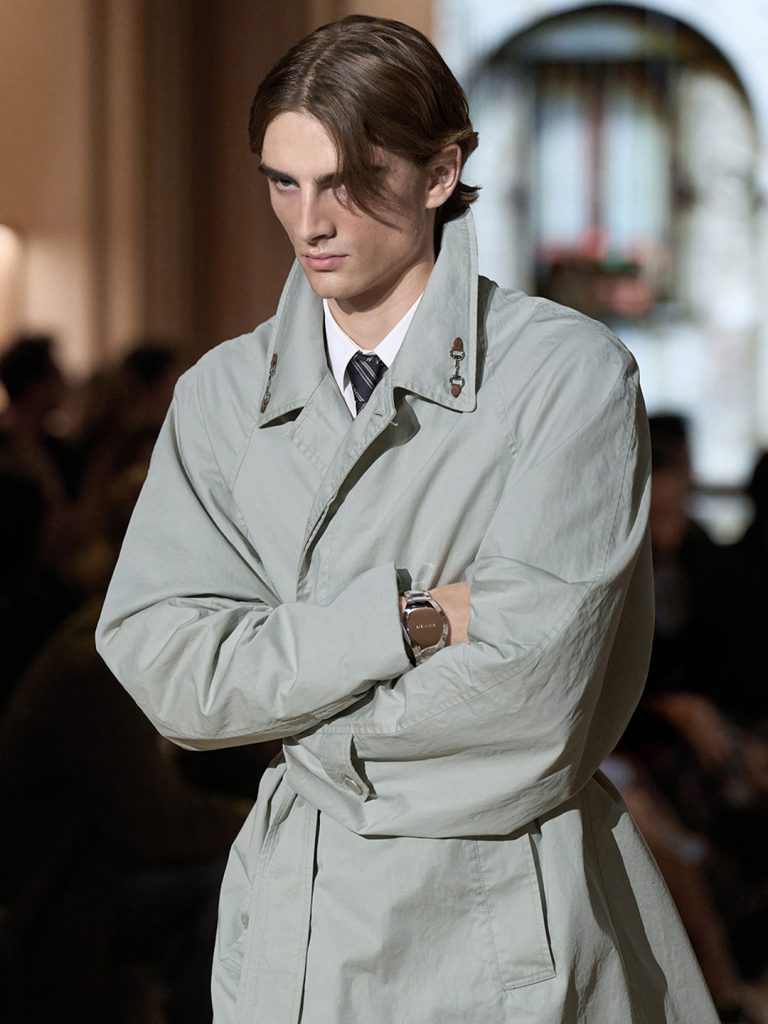
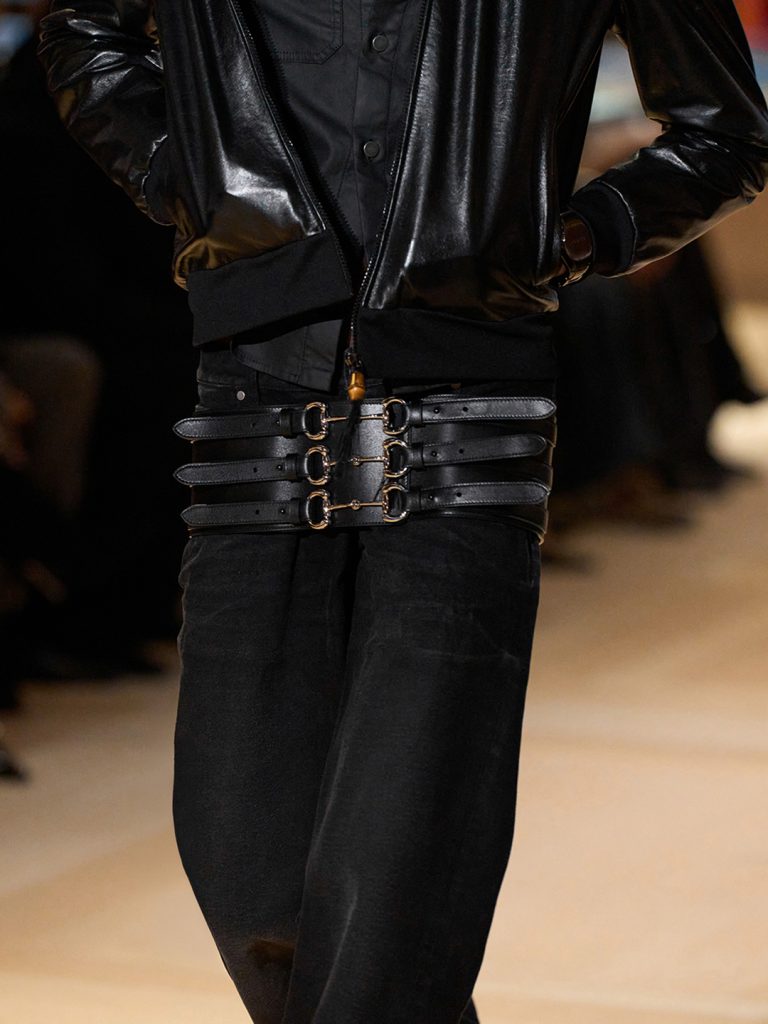
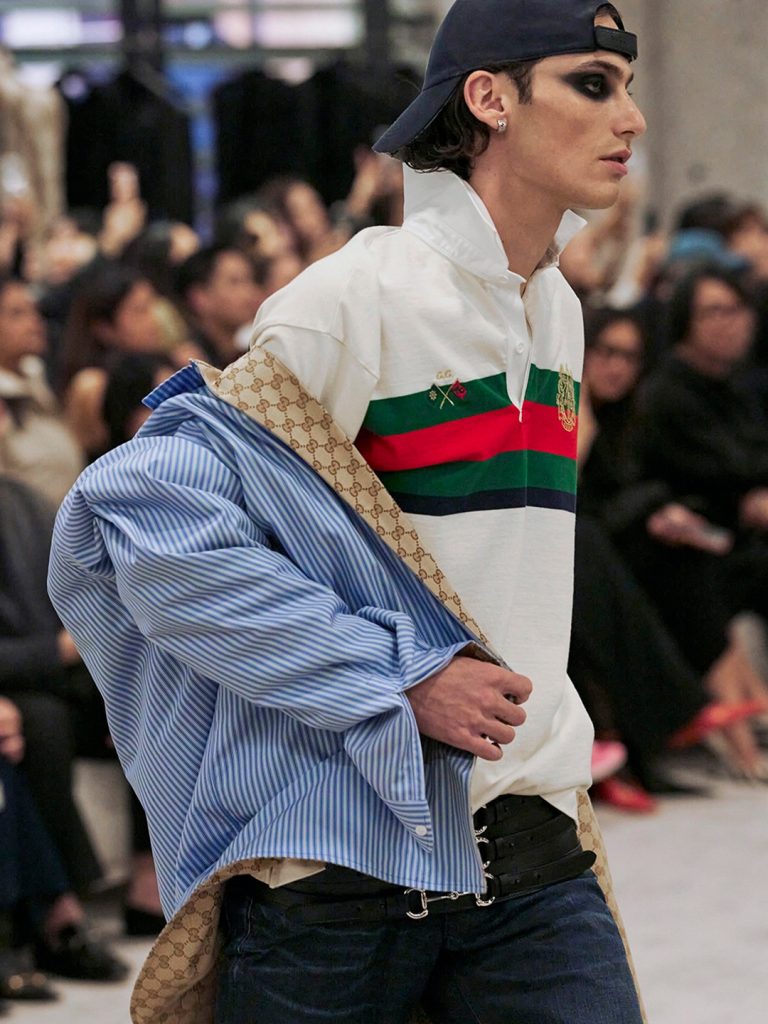
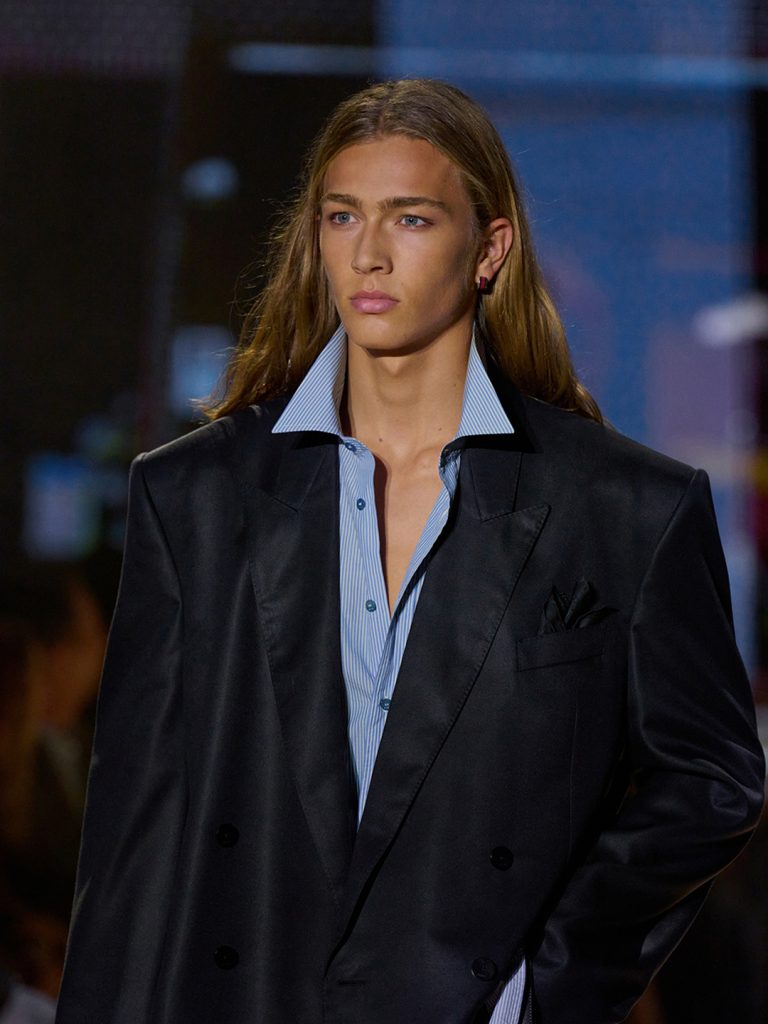
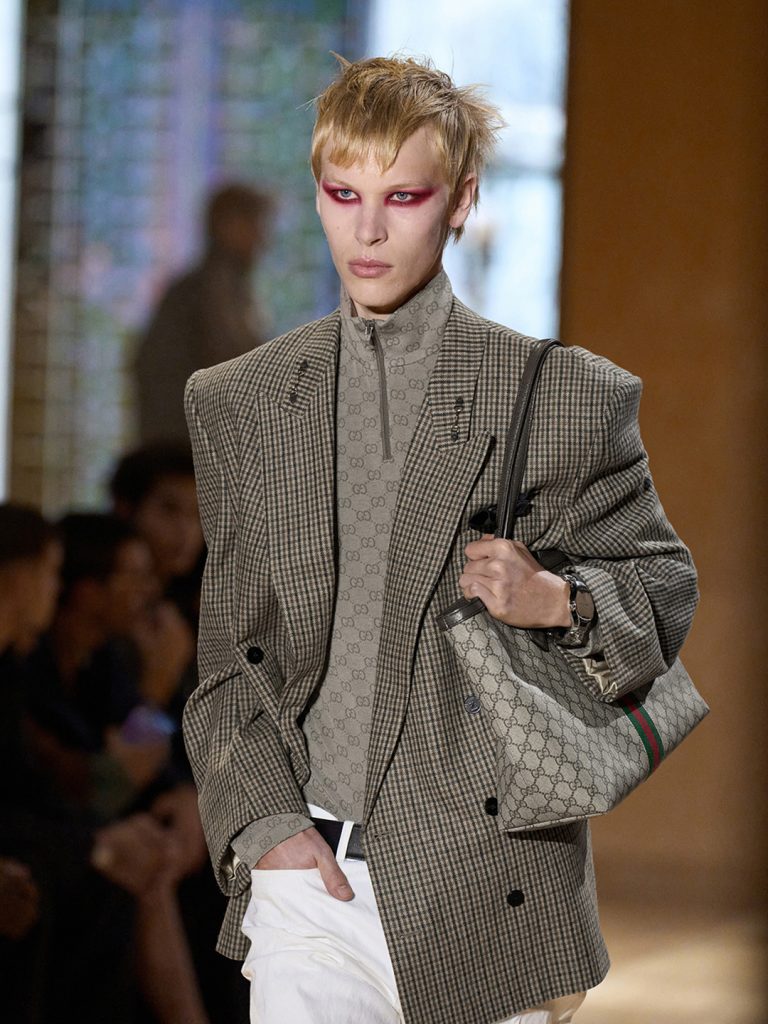
The runway details showcased through The Store Show reveal Gucci's contemporary design direction. The imagery suggests careful attention to fabrication, silhouette and the house's signature maximalist vocabulary—elements that benefit from close examination in a curated environment.
Rather than relegating such details to digital lookbooks or fashion press, Gucci has chosen to make them tangible, allowing patrons to experience texture, construction and scale firsthand. This tactile engagement deepens the relationship between wearer and garment, elevating the transaction beyond mere acquisition.
The Future of Luxury Retail
The Store Show positions Gucci within a broader conversation about retail's evolution. As e-commerce continues to mature, physical spaces must justify their existence through experience rather than mere inventory. Gucci's approach suggests that the future of luxury retail lies not in nostalgic recreation of traditional shopping, but in authentic integration of fashion presentation with commerce.
This model potentially influences how other houses consider their physical footprints, particularly in flagship locations where foot traffic alone no longer guarantees sales. By treating stores as performance spaces, Gucci transforms operational real estate into cultural destination.
The Store Show exemplifies how established luxury houses continue to innovate within their own infrastructure. Rather than abandoning the physical retail experience, Gucci reimagines it as an extension of its creative output.
For the discerning global customer, this means encountering fashion not merely as finished product on a shelf, but as the culmination of considered design intent—witnessed, understood and acquired within a single immersive environment.
Imagery is used for editorial purposes. All rights remain with the respective owners, photographers and licensors.
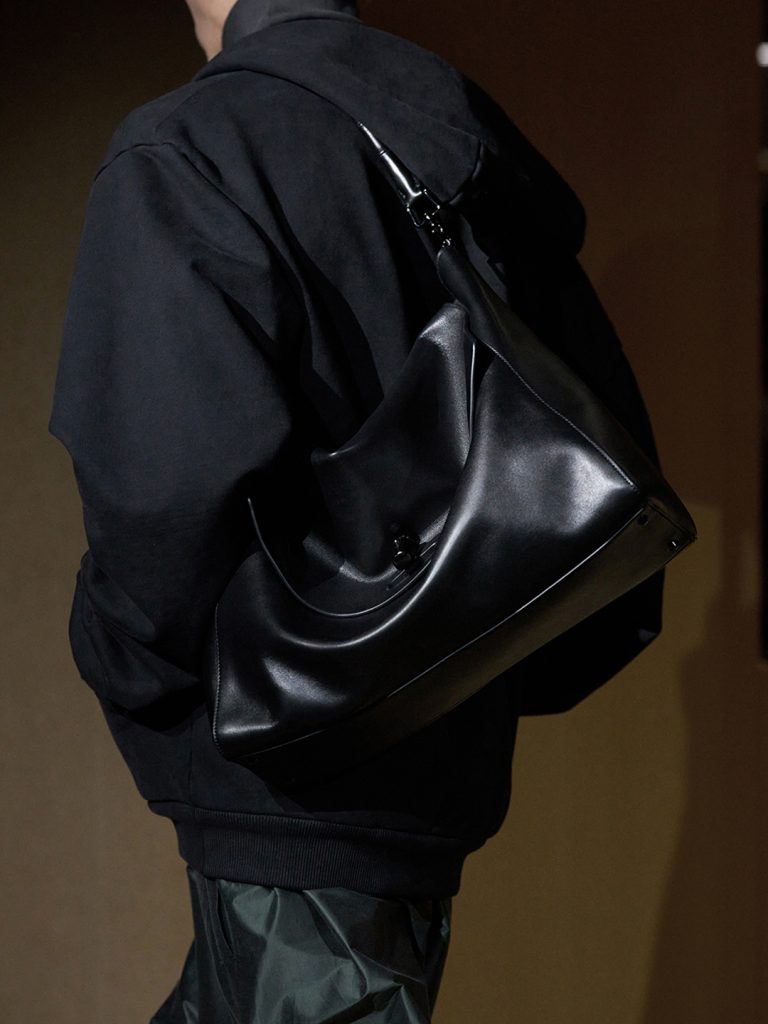
Imagery courtesy of GUCCI (@gucci).