
Louis Vuitton’s Horizon Aluminium: When Craftsmanship Meets Rigorous Proof
AI-assisted voice playback. Starts only when you choose Play.
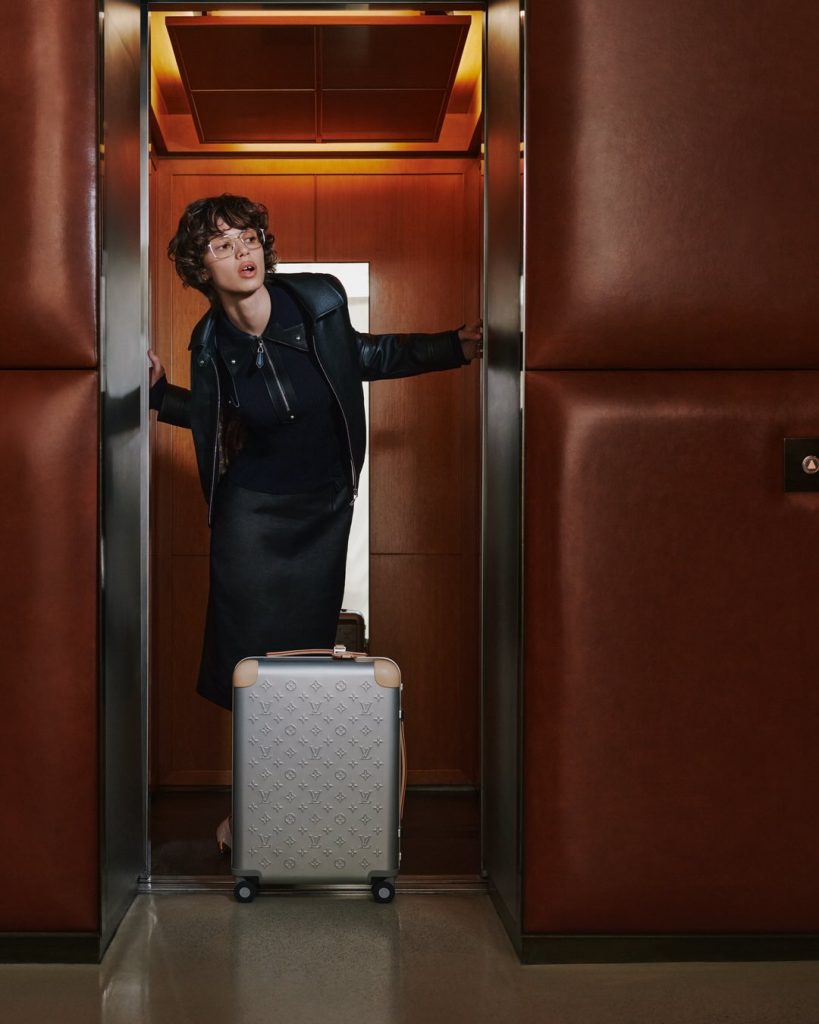
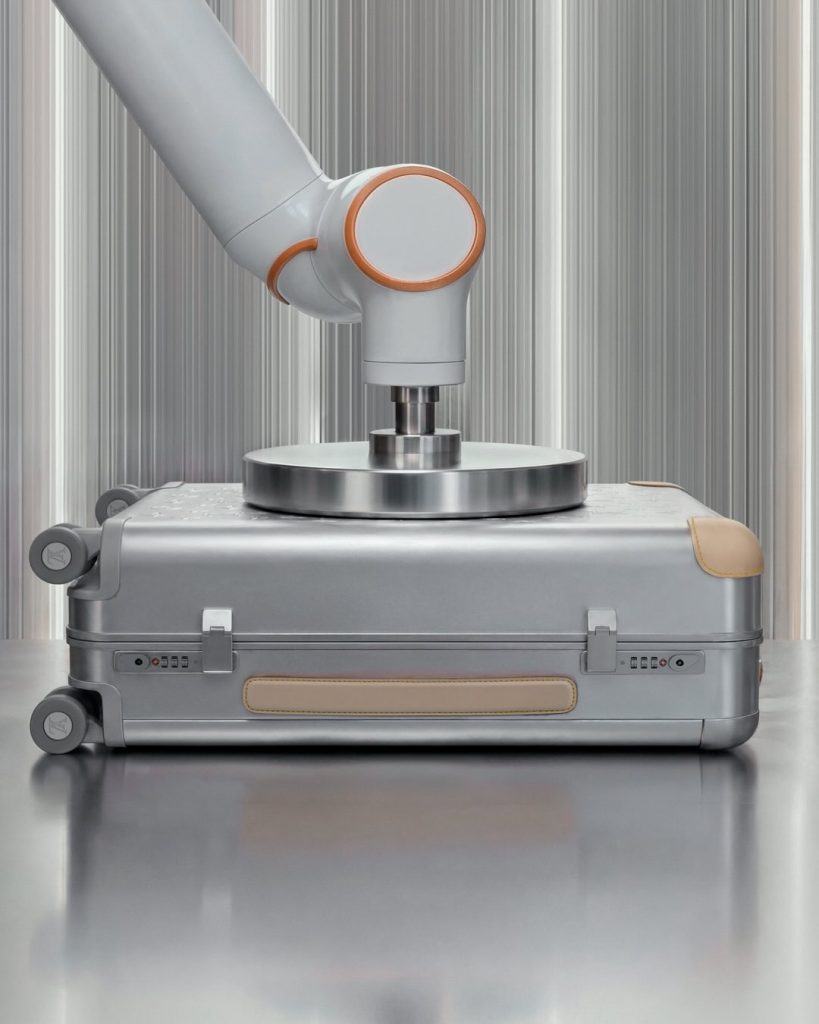
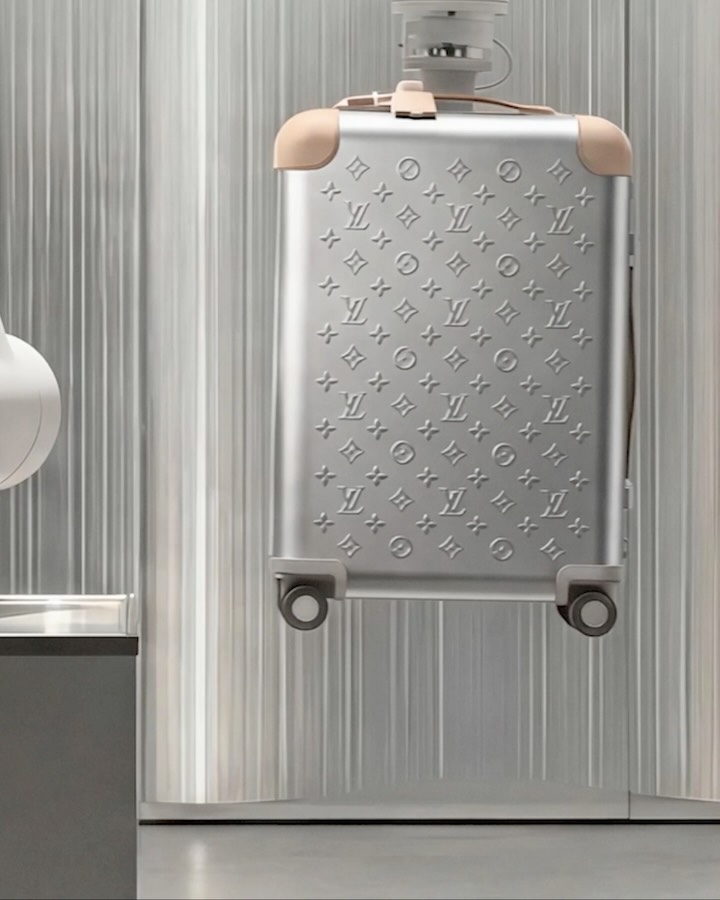
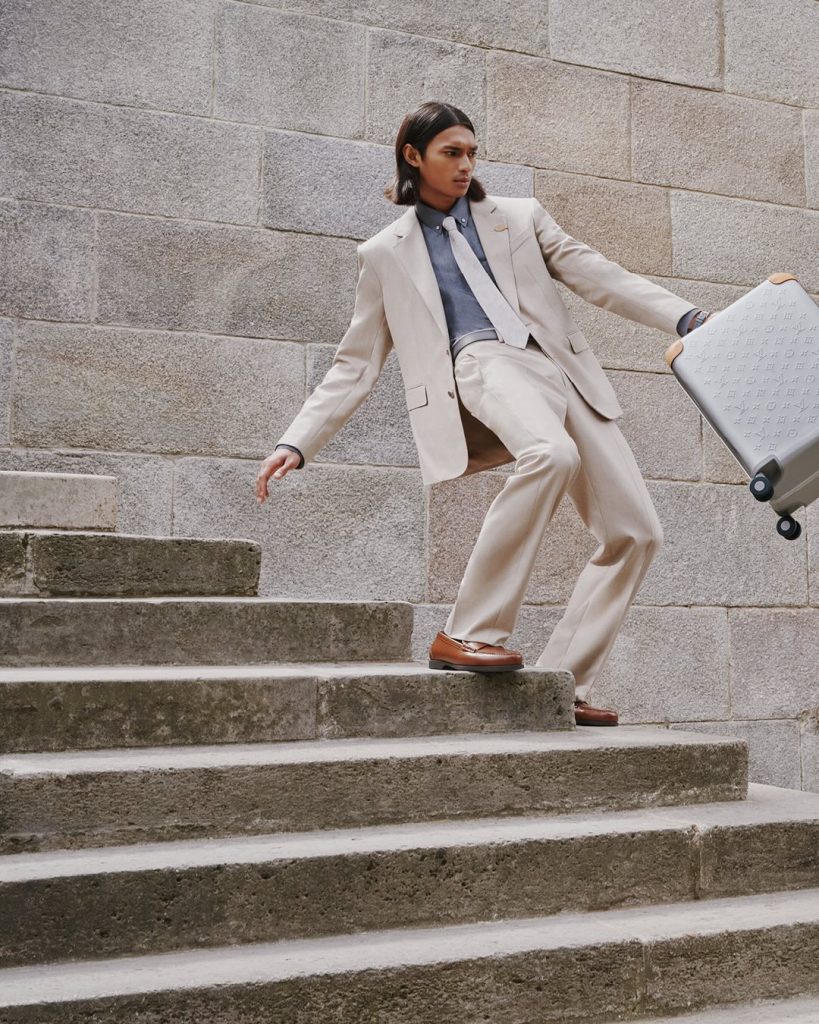
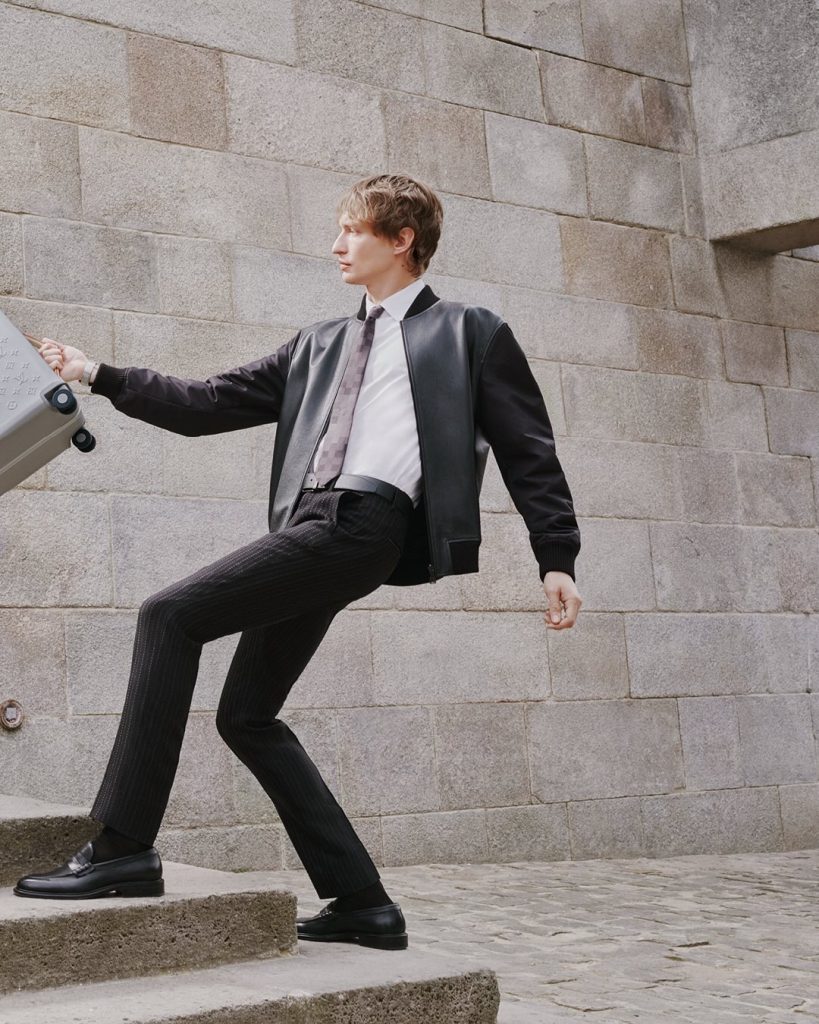
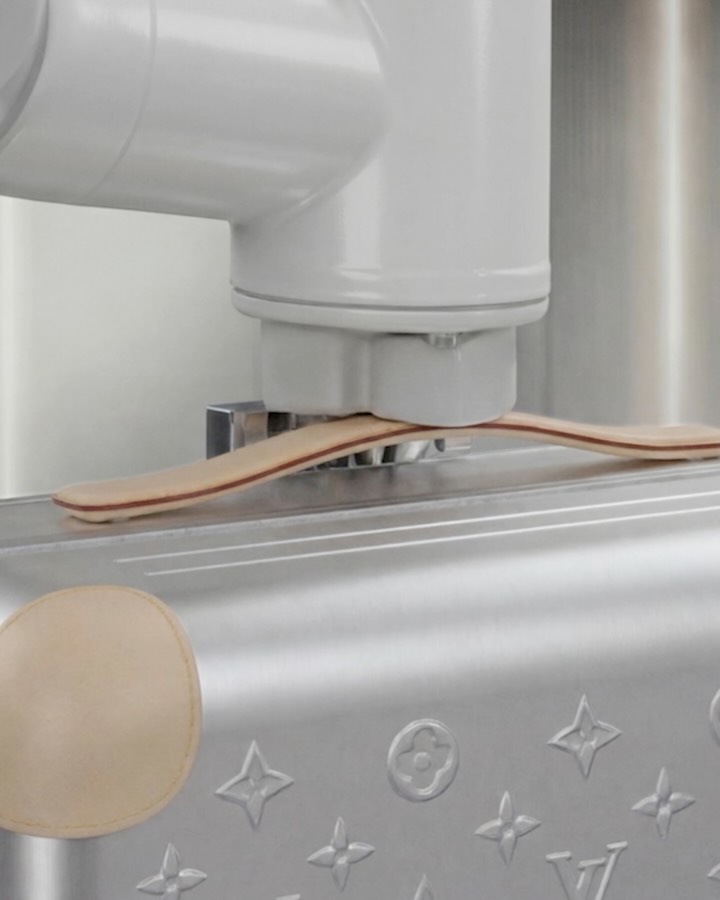
Louis Vuitton has published documented evidence of extreme durability testing on its Horizon Aluminium collection—a departure from the discretion typically surrounding luxury goods manufacturing. The maison's latest campaign captures the case undergoing stress tests that simulate years of travel wear compressed into controlled laboratory conditions, challenging the new design across multiple failure points.
The transparency reflects a growing expectation among discerning travellers that investment in luxury luggage warrants proof of longevity. Rather than relying on heritage alone, Vuitton has chosen to demonstrate material resilience through visual documentation of the tests themselves.
Engineering the Horizon
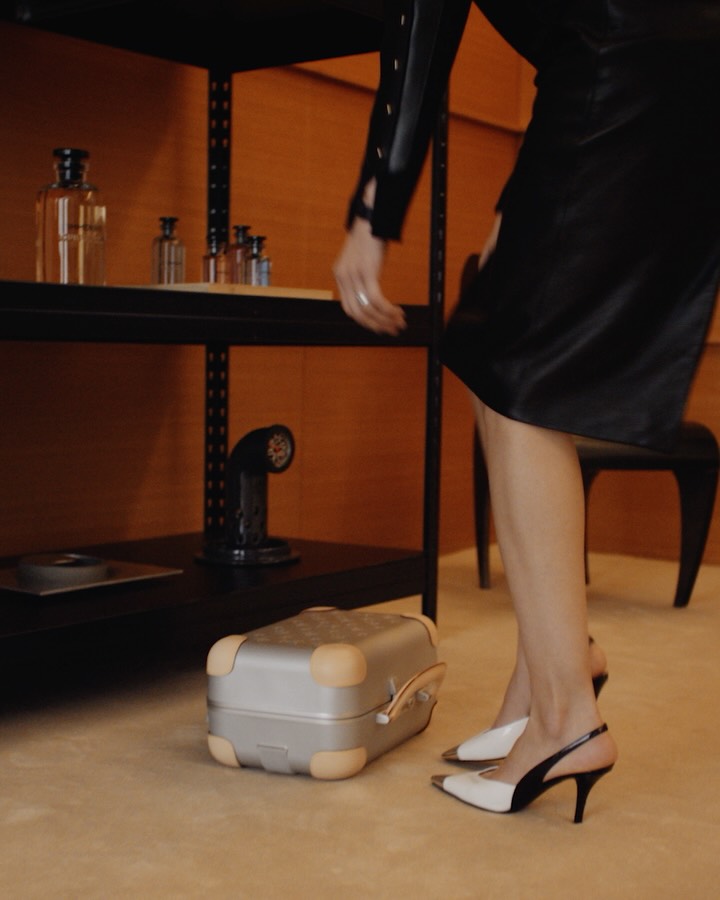
The Horizon Aluminium represents a material shift for the Parisian trunk maker. Where the iconic Monogram Canvas and Damier leather cases remain central to the house's identity, the aluminium iteration addresses a contemporary market segment: the frequent international traveller who values both aesthetic continuity and structural innovation.
Aluminium offers distinct advantages over traditional construction. It is lightweight yet rigid, resistant to corrosion, and capable of withstanding compression and impact—the three primary degradation vectors in travel. Vuitton's choice to frame this not as novelty but as rigorous validation suggests confidence in the material's performance across the full lifecycle of ownership.
The Documentation Standard
By publishing its stress testing methodology, Louis Vuitton enters a category of luxury goods producers who believe transparency strengthens rather than diminishes brand authority. The maison has filmed and released sequences showing the Horizon Aluminium enduring tests that would destroy lesser luggage: impact resistance, drop testing, pressure tolerance, hinge and latch durability under repeated use, and exposure to temperature extremes.
This approach appeals to a clientele accustomed to rigorous certification across other sectors—whether in horology, automotive engineering, or fine watchmaking, where published standards are badges of honour. It positions the Horizon not as an aspirational object but as an engineered solution with measurable performance data.
Luxury's Practical Turn
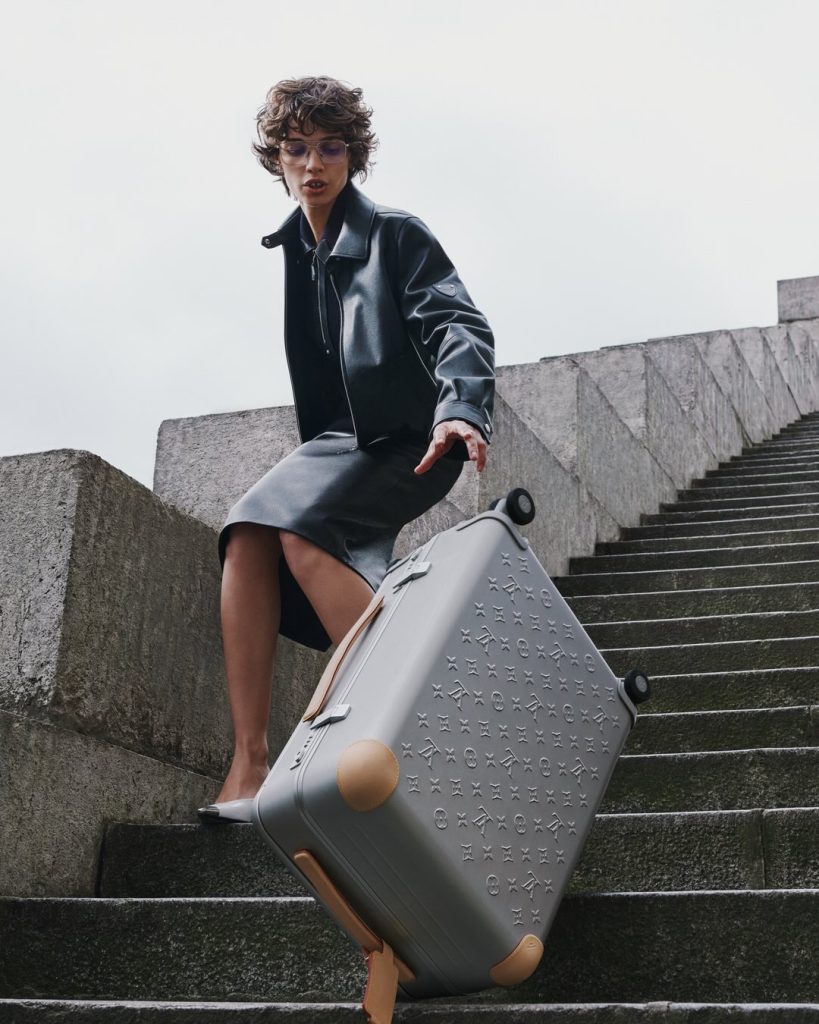
The campaign's tagline—"Do not try this at home"—carries a subtle irony. It acknowledges that the testing is extreme, yet the implication is that the product will survive the extreme wear that customers themselves will inflict upon it through normal, if vigorous, use. A case that survives laboratory destruction will comfortably endure the tarmac of Charles de Gaulle or Heathrow.
For collectors and regular business travellers alike, durability validation addresses a practical concern often unspoken in luxury marketing: Does this piece justify its investment over time? Vuitton's willingness to subject the Horizon to documented punishment, then release those images, answers the question affirmatively before it is asked.
The Horizon Aluminium collection represents a quiet evolution in Louis Vuitton's approach to travel goods. Where previous campaigns emphasised design heritage and aesthetic exclusivity, this release prioritises functional integrity made visible. By documenting the case's performance under conditions no owner would ever encounter, the maison transforms stress testing from internal quality assurance into part of the brand narrative itself—a gesture toward the modern luxury consumer who expects craftsmanship to be both beautiful and measurable.
Imagery is used for editorial purposes. All rights remain with the respective owners, photographers and licensors.
Imagery courtesy of Louis Vuitton (@louisvuitton).